
Wholesale tea light candle holders means buying bulk lots of small candle holders designed for tealights, usually by the case or pallet, with tiered pricing and minimum order quantities. For a small US retailer or event business, the decision is whether to pay more for low-risk domestic stock or import decorative glass, metal, or stone holders from marketplaces like DHgate and similar platforms to get variety and lower per-unit cost. DHgate’s own blog presents its marketplace as offering broad choice and economical pricing on candle holders and jars, but you still have to vet each seller’s materials, MOQs, and reliability yourself.
How Wholesale Tea Light Candle Holders Are Made and Sold
Tealights are compact candles – typically in metal or plastic cups – meant to sit inside a holder that controls melt and light spread. A holder can be a simple glass cup or a multi-candle centerpiece, and wholesale suppliers sell them in bulk to retailers, hospitality, and event planners.Tealight production and holder manufacturing are concentrated in large-scale factories, especially in China and other Asian hubs for glassware and metalwork.
Common wholesale holder types you’ll see:
- Plain utility cups – clear glass, frosted glass, or basic metal sleeves for restaurants and rental companies.
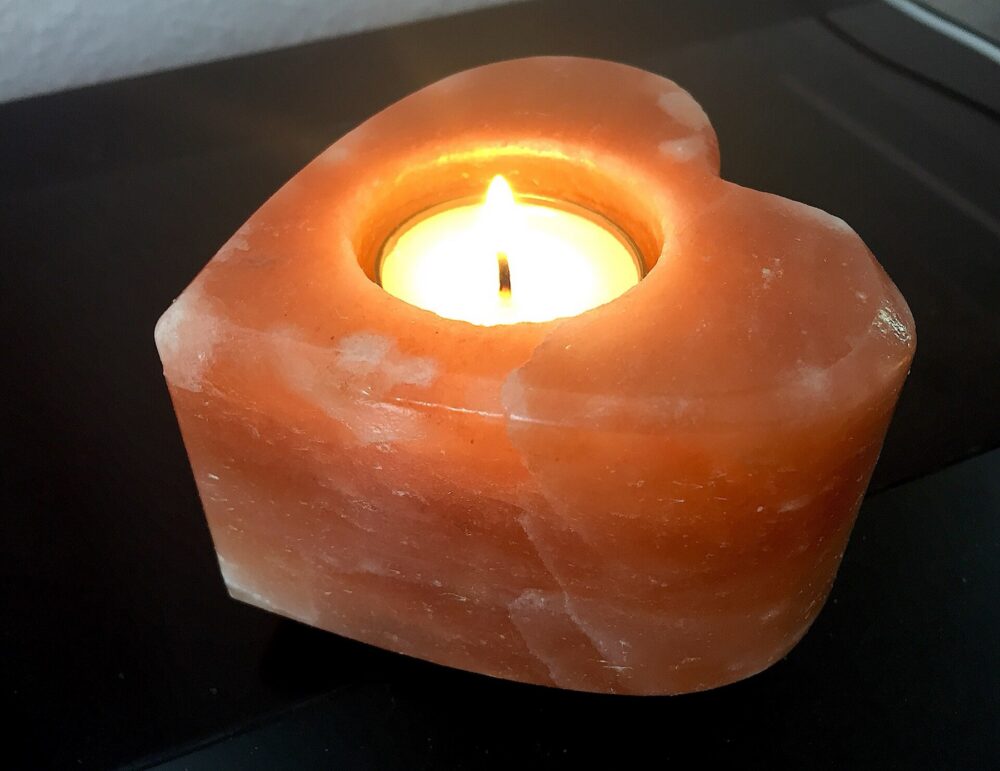
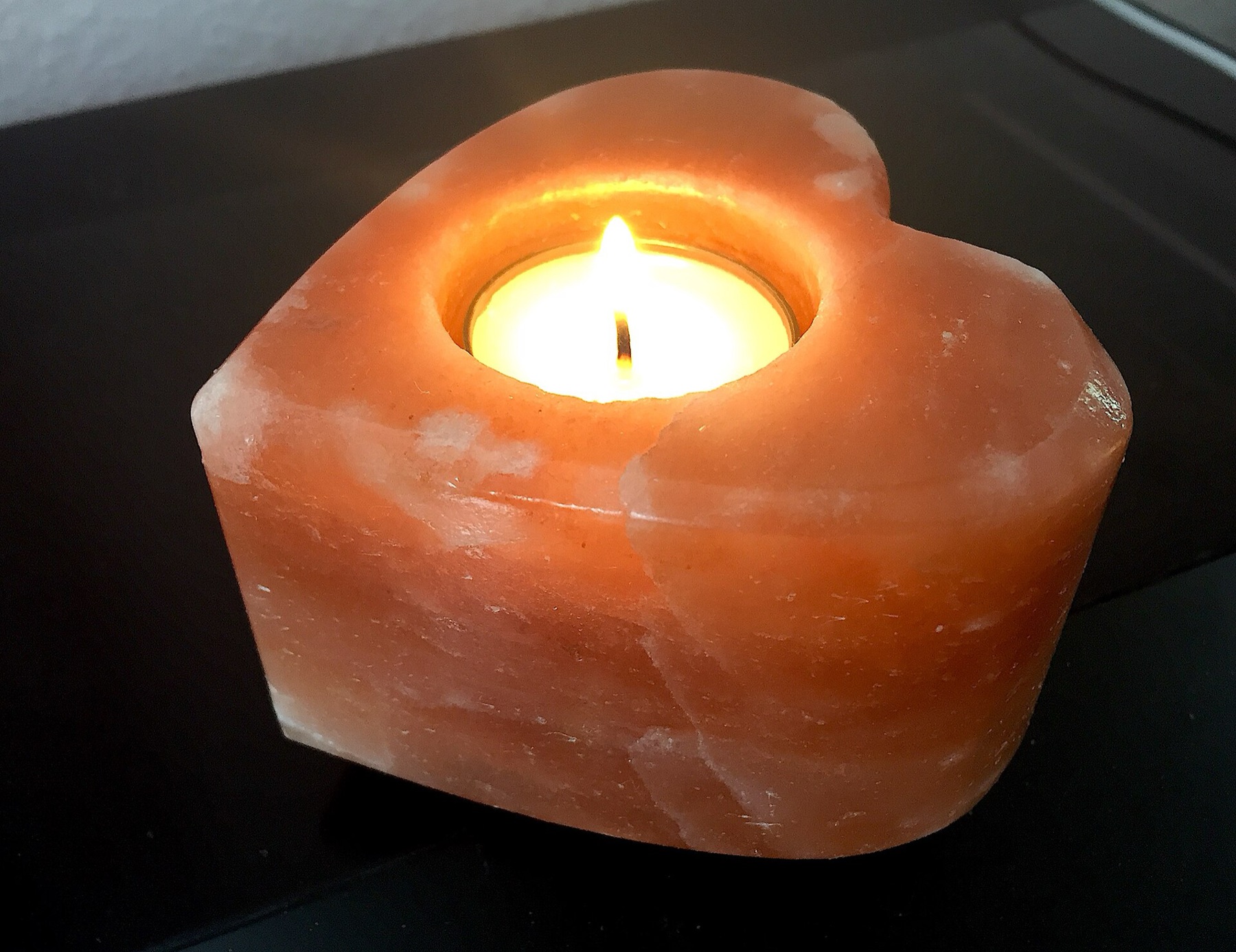
- Decorative single holders – patterned glass, ceramic, wood, salt, onyx, or marble pieces aimed at gift, spiritual, or home décor buyers.
- Multi-tealight centerpieces – linear or clustered designs for weddings and holiday tables.
US wholesalers like General Wax & Candle Wholesale focus on bulk tealights and related accessories. Their catalog includes tealights in aluminum and plastic cups sold in bulk pack sizes, which shows how mainstream wholesale tealight distribution is structured for the US market.Tealight Bulk • Plastic Cup These domestic players tend to emphasize consistency and straightforward reordering over exotic styles.
By contrast, specialist suppliers such as British Fossils offer onyx and marble tea light holders wholesale, demonstrating demand for decorative natural-stone pieces that function as both candle hardware and impulse gifts.Onyx and marble tea light holders Cross-border marketplaces will typically mix both ends of the spectrum: basic glass cups alongside ornate carved holders, often coming from different factories.
DHgate’s candle-jar editorial content highlights durable glass and variety of styles as selling points, which lines up with what you’ll see from many Chinese manufacturers of candle containers: heavy glass with options like frosting, color, or lids.
Choosing and Vetting Tea Light Holder Suppliers Across Borders
If you decide to import holders (through DHgate or any similar marketplace), treat supplier selection as its own project. Here’s a pragmatic, tea-light-specific process you can follow.
1. Lock in your use case and material requirements
Start with how the holders will be used:
- Events and rentals (Debbie the florist scenario): Debbie runs a floral shop doing wedding centerpieces and may only need 150-200 holders at a time. She cares most about reliable glass, easy cleaning, and safe stacking in crates.
- Online décor seller: An ecommerce brand selling giftable sets might need 1,000-2,000 holders per run, in high-contrast marble, colored glass, or carved wood.
From that use case, specify:
- Material (thick glass, metal, ceramic, salt, stone).
- Finish (clear, frosted, colored, polished, matte).
- Holder size and tealight cup fit.
- Heat resistance expectations (especially for glass and stone).
DHgate’s candle-jar blog stresses choosing durable glass and checking that jars can handle temperature changes. Apply that to holders by asking suppliers what glass thickness and forming method they use and whether the holders are intended for real flame versus LEDs.
2. Study the listing like a product spec sheet
On any marketplace listing, focus on details that matter specifically for tea light holders:
- Clear dimensions for the inside cavity where the tealight sits.
- Stated material (e.g., soda-lime glass vs. borosilicate, marble vs. composite stone).
- Photos from multiple angles, including the base.
- Pack configuration (single retail boxes vs. bulk master cartons).
If the listing feels vague, assume you’ll need extra due diligence or move on.
3. Ask targeted questions about MOQs and flexibility
DHgate’s editorial guidance points out that wholesale buyers should understand minimum order quantities (MOQs) and supplier versatility. Before committing to a cross-border order, message the seller and ask:
- What is the true MOQ for your exact spec (and whether they’ll do a smaller trial run)?
- Can they mix colors or finishes in one bulk order, or must each variant meet its own MOQ?
- Whether custom logo printing or packaging is possible at your scale.
This is where Debbie’s 200-holder wedding business diverges from a 2,000-unit online shop. Debbie should prioritize suppliers willing to accept lower MOQs or offer shared stock designs; the online seller can often meet higher MOQs in exchange for better unit economics.
4. Insist on samples and document QC checks
Tea lights are widely used for weddings and holiday gatherings, as DHgate’s DIY tea light holder content notes, so failure risk is event risk. Before you import:
- Order physical samples of each material/finish.
- Test with real tealights: burn time, wax spill behavior, heat on surfaces, tipping risk.
- Check for bubbles, cracks, or inconsistent polishing in glass and stone pieces.
Record these checks with photos and notes. If you later scale up, this becomes your QC baseline: the mass-produced run should match your sample quality.
5. Clarify packaging and breakage expectations
For glass and stone holders crossing oceans, packaging is part of your sourcing decision:
- Ask what inner boxes, dividers, or foam the factory uses.
- Request a photo or video of packed master cartons.
- Decide if you’ll need to rebox for retail in the US.
You’re not just buying holders; you’re buying the way they survive freight.
Comparing DHgate and Other Channels for Tea Light Holder Wholesale
You have multiple sourcing paths. Each fits a different mix of quantity, style ambition, and risk tolerance.
Channel overview
Here’s a compact view using editorial judgment plus the cited examples:
| Channel type | Typical strengths for tea light holders | Limits/risks for small US buyers |
|---|---|---|
| US candle wholesalers (e.g., General Wax & Candle Wholesale) | Consistent bulk tealights and basic accessories; familiar domestic shipping; easy small repeat orders. | Less variety in decorative or giftable holder styles; per-unit cost usually higher than direct import. |
| Specialist décor/stone suppliers (e.g., British Fossils for onyx/marble) | Distinctive materials and designs suited to gift and spiritual markets; curated assortments rather than commodity cups. | Niche aesthetics; may not suit mass hospitality; stock and lead times can be tighter for natural-stone lines. |
| Cross-border marketplaces like Cross-border multi-seller | Cross-border multi-seller’s blog positions the marketplace as a source of broad variety and economical pricing on candle holders and glassware; many factories offer customization and multiple styles. | Quality and reliability vary listing by listing; you must vet materials, MOQs, and communication yourself; no single marketplace-wide guarantee on logistics or protection. |
| Alibaba-style B2B platforms, trade shows | Deep manufacturer access, especially for large runs and custom designs; more direct negotiation for long-term supply. | Greater upfront effort, travel or complex negotiation; often better suited to higher MOQs and more established brands. |
For an online décor brand focusing on unique gift sets, DHgate or similar cross-border marketplaces become more attractive. The editorial content around glass candle jars on DHgate highlights factory wholesale models with lower MOQs than some traditional B2B channels and emphasizes style variety, which can support differentiated product lines.
The trade-off is workload: sourcing holders via DHgate or any cross-border marketplace means doing your own supplier checks, testing samples, and calculating landed costs (product + freight + duties + packaging). US wholesale options simplify that at the expense of margin and uniqueness.
If you decide DHgate is part of your mix and you want deeper help on marketplace navigation, you can look at DHgateWiki’s own sourcing guides, such as Find wholesale suppliers on DHgate, Find DHgate suppliers, and Choose a DHgate wholesale supplier, and apply those steps specifically to tea light holder listings.
The practical way to decide: if your business lives on distinctive style and you can budget time for vetting and sampling, cross-border sourcing (including DHgate) is worth exploring. If you mainly need reliable volume for events with minimal sourcing overhead, lean toward domestic wholesalers and use imported holders only as a carefully tested accent line.