
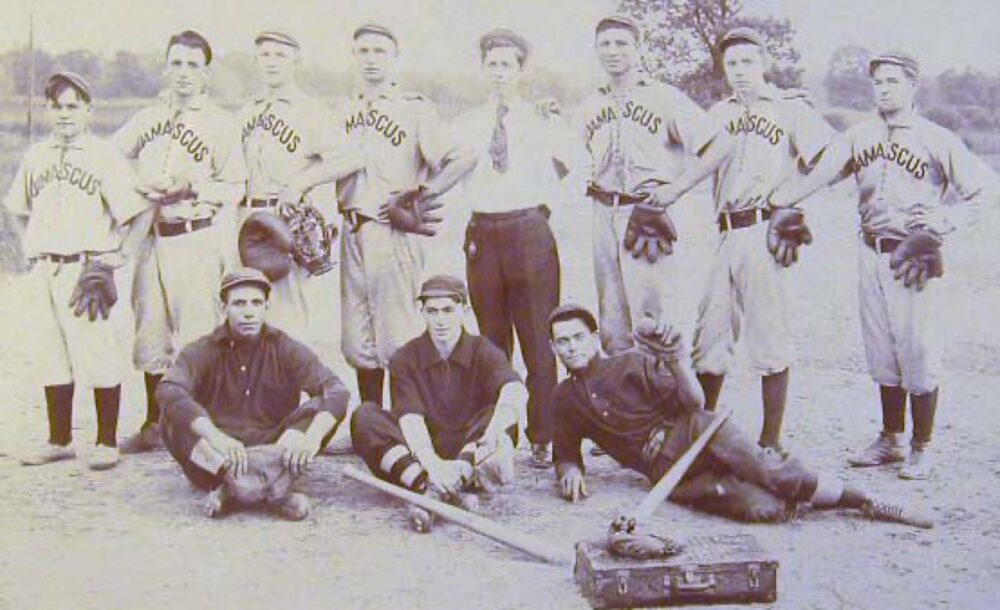
Custom baseball jerseys and full uniforms for a team or resale shop are usually made in Asian factories and then sold either through cross-border marketplaces or US-based decorators. For a 50-100 piece order, DHgate can be a workable option because it connects international buyers with many Chinese suppliers at wholesale prices and often allows smaller MOQs than traditional wholesale sites. But you only get good value if you understand fabrics, decoration methods, seller evidence, and how your total landed cost compares with a US uniform vendor.
How Wholesale Custom Baseball Jerseys and Uniforms Are Made and Sold
Most modern baseball uniforms are polyester or polyester blends built for breathability and durability. From there, you’re choosing how the design gets onto the fabric:
- Screen print / heat transfer: Ink or vinyl is applied on top of the fabric. Lower cost, good for practice sets or fan jerseys, but can crack or peel over time.
- Sublimation: The design is dyed directly into the fabric. Great for complex, full-color graphics; the print doesn’t peel, which suits travel teams and tournaments.
- Tackle twill / sewn lettering: Fabric letters and numbers sewn on. This is closer to authentic pro-style uniforms and costs more.
Production is heavily concentrated in China and other parts of Asia. Large factories often run private-label programs for brands and also list jerseys in bulk on marketplaces.
DHgate describes itself as a global B2B marketplace connecting buyers worldwide to Chinese suppliers for wholesale consumer products, including a very large assortment of sports jerseys across cotton, silk, polyester and other materials.Sports jersey context from DHgate This is why you’ll see both plain team sets and more fashion-oriented jerseys there.
By contrast, US custom-uniform firms like CustomBaseballJerseys.com or Uniform Store tend to focus on design services, branded templates, and domestic decoration rather than factory-direct pricing. You’re paying for easier communication, faster sampling and clearer sizing, but usually at a higher per-jersey cost.
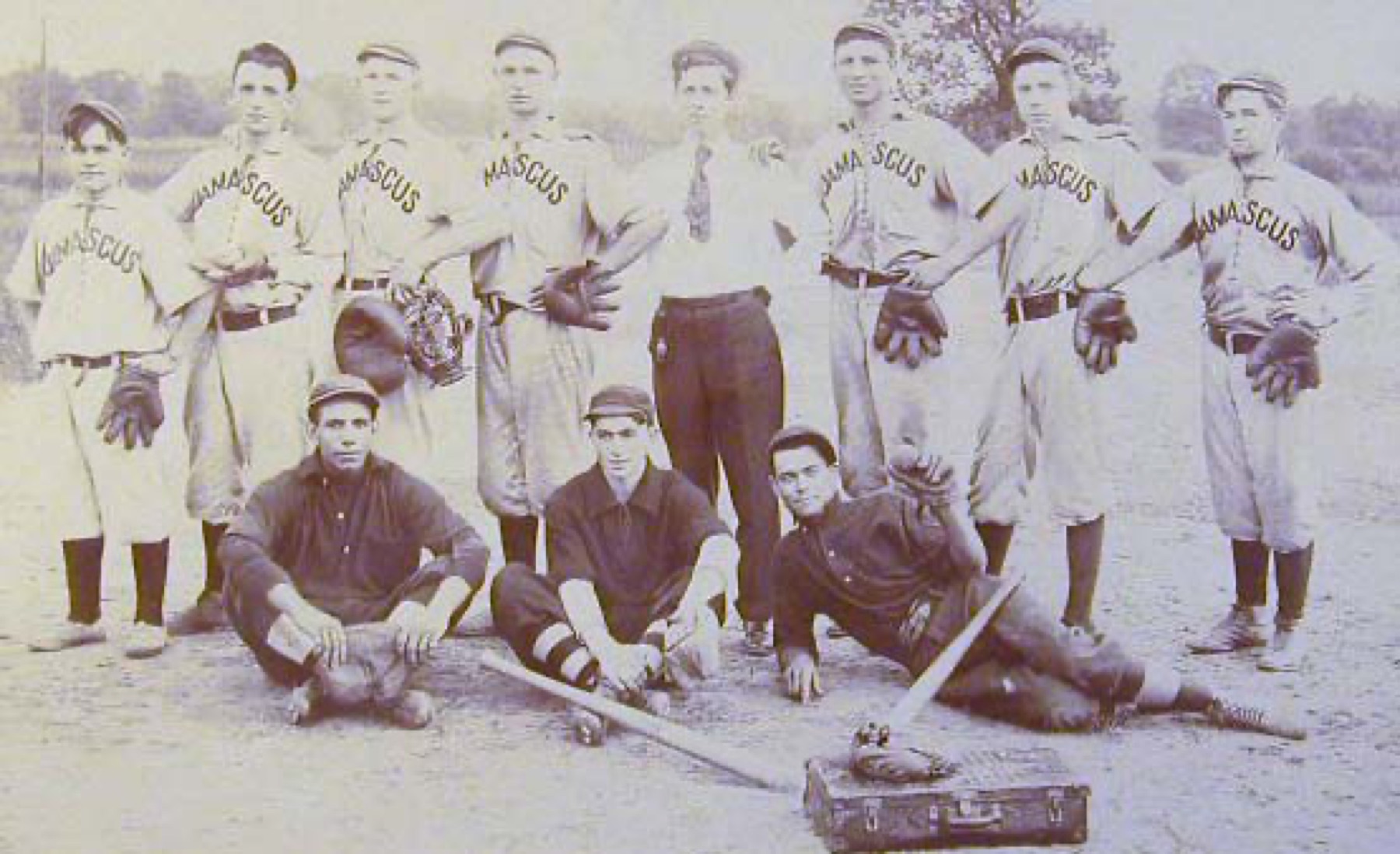
For resale-oriented small ecommerce businesses, understanding this supply chain helps: marketplace sellers are often factory-adjacent or small trading companies who can adapt designs more flexibly than a US catalog brand, but you bear more responsibility for quality control.
Choosing and Working With Custom Baseball Uniform Suppliers
Whether you’re buying through DHgate, Alibaba, or a US shop, you’re solving three problems: can this supplier make what you want, will it look and fit how you expect, and can they repeat the order reliably.
On marketplace channels like DHgate:
- You can register, browse jersey listings, and then check past reviews and ratings on each seller to see how other buyers describe the fabric, fit, and print quality.DHgate jersey guide
- Messaging tools let you ask specific questions before you order: what decoration method is used, GSM (weight) of the fabric, whether names/numbers are included in the quoted price, and how they handle sizing charts for US bodies.
That doesn’t guarantee outcomes, but it’s more useful than just trusting a product photo.
A 50-100 Jersey Team Order: Practical Workflow
Imagine a travel baseball program in the US ordering 75 custom uniforms for two age groups.
- Lock your specs before you contact suppliers.
- Fabric: e.g., 100% polyester, lightweight for summer.
- Decoration: full sublimation for jerseys, 2-color tackle twill numbers if budget allows.
- Pieces per player: jersey + pant + cap, or just jerseys.
- Art: vector logo files, color codes (Pantone), roster list with sizes and names.
- Shortlist 3-5 suppliers in each channel.
- On DHgate, filter for baseball jerseys, then sort by orders or rating. Save a few sellers whose listings mention custom names/numbers or team sets.
- On US side, get web quotes from at least two custom specialists (e.g., BaseballJerseys.com or Hamco).
- Use messaging and samples to narrow the field.
- Ask DHgate sellers for clear photos of recent team sets, a sizing chart, and cost for a physical sample in your design.
- Order 1-2 sample jerseys from your top DHgate seller and, if budget permits, one from a US vendor. Compare fabric hand-feel, stitching, alignment of numbers, and accuracy of your colors.
- Approve digital proofs carefully.
- Require a full front/back mockup showing logo, numbers, name placement and any sleeve graphics.
- Check that every player name and number matches your roster—this is where many cross-border orders go wrong.
- Plan for repeat orders.
- Ask each supplier how long they’ll keep your design template and what minimums they need for a second batch next season.
- For a DHgate seller, verify if they treat repeat customs as a new listing or a private quote, since this affects your ability to reorder if that listing disappears.
This kind of structured approach matters more on marketplaces, where quality and communication vary widely between sellers.
A quick note on MLB-style designs
If you’re tempted to copy an MLB team’s exact wordmark or logo for fan jerseys, you’re entering trademark and licensing territory. Generic color schemes and number fonts are usually safer than direct logo copies. For a small ecommerce business, using your own brand or local-team identity avoids legal headaches and makes sourcing easier, because factories don’t need to guess which level of “replica” you wanted.
Cost, MOQs, and Channel Choices: DHgate vs Other Ways to Buy
From a sourcing perspective, your decision is less “which website” and more “which cost and risk profile”. Here’s a high-level comparison, focusing on what a US buyer actually experiences rather than marketing promises.
| Channel type | Typical MOQ feel (editorial) | Cost profile (per jersey) | Best fit scenarios |
|---|---|---|---|
| Cross-border multi-seller-style marketplace | Often supports small orders (single-piece to mid-size team orders), with many sellers willing to discuss custom quantities.Cross-border multi-seller clothing sourcing overview | Factory-adjacent pricing, especially for sublimated sets; shipping and import costs can narrow the gap. | Budget-sensitive teams, fan jersey micro-brands, and small ecommerce shops that are willing to manage sampling and communication. |
| Alibaba / Made-in-China | More suppliers pushing higher MOQs; often better for large clubs, leagues or brand launches.DHgate vs other wholesale context | Strong for very large runs; per-unit price drops when you commit to big quantities. | Established brands or leagues ordering hundreds to thousands of uniforms per style. |
| US custom-uniform vendors | Commonly allow team-sized orders without very high minimums; some advertise no minimums but price accordingly.Hamco uniforms | Higher per-piece cost, but more predictable communication, sizing, and timelines; shipping is domestic. | School and youth programs, clubs needing quick reorders, buyers who value hand-holding over rock-bottom price. |
DHgate’s own editorial content emphasizes that the platform is aimed at small and medium-sized businesses importing Chinese goods in small amounts at wholesale prices, with minimums generally lower than some traditional wholesale sites.DHgate clothing sourcing overview That positioning is exactly why a 50-100 jersey team order is plausible there, while some Alibaba suppliers might only seriously engage at much higher quantities.
For a mid-size order, think in terms of landed cost, not just the unit price you see online:
- Product cost (jersey + any add-ons like pants or caps).
- Customization surcharges for player names or tackle twill numbers.
- Freight and any import charges.
- Samples (spread over the whole order).
Get written quotes from both a DHgate seller and at least one US vendor using the same specs. If the landed cost difference is modest, many US teams decide the extra support and simpler repeat ordering from a domestic shop is worth it. If the gap is larger and your timeline is flexible, a vetted DHgate supplier can be the cost-effective option.
Before choosing a DHgate supplier, use Find wholesale suppliers on DHgate.
For DHgate-specific supplier hunting and vetting, you can go deeper using guides like Find DHgate suppliers and Choose a DHgate wholesale supplier, which focus on reading ratings, comparing listings, and structuring your outreach.