
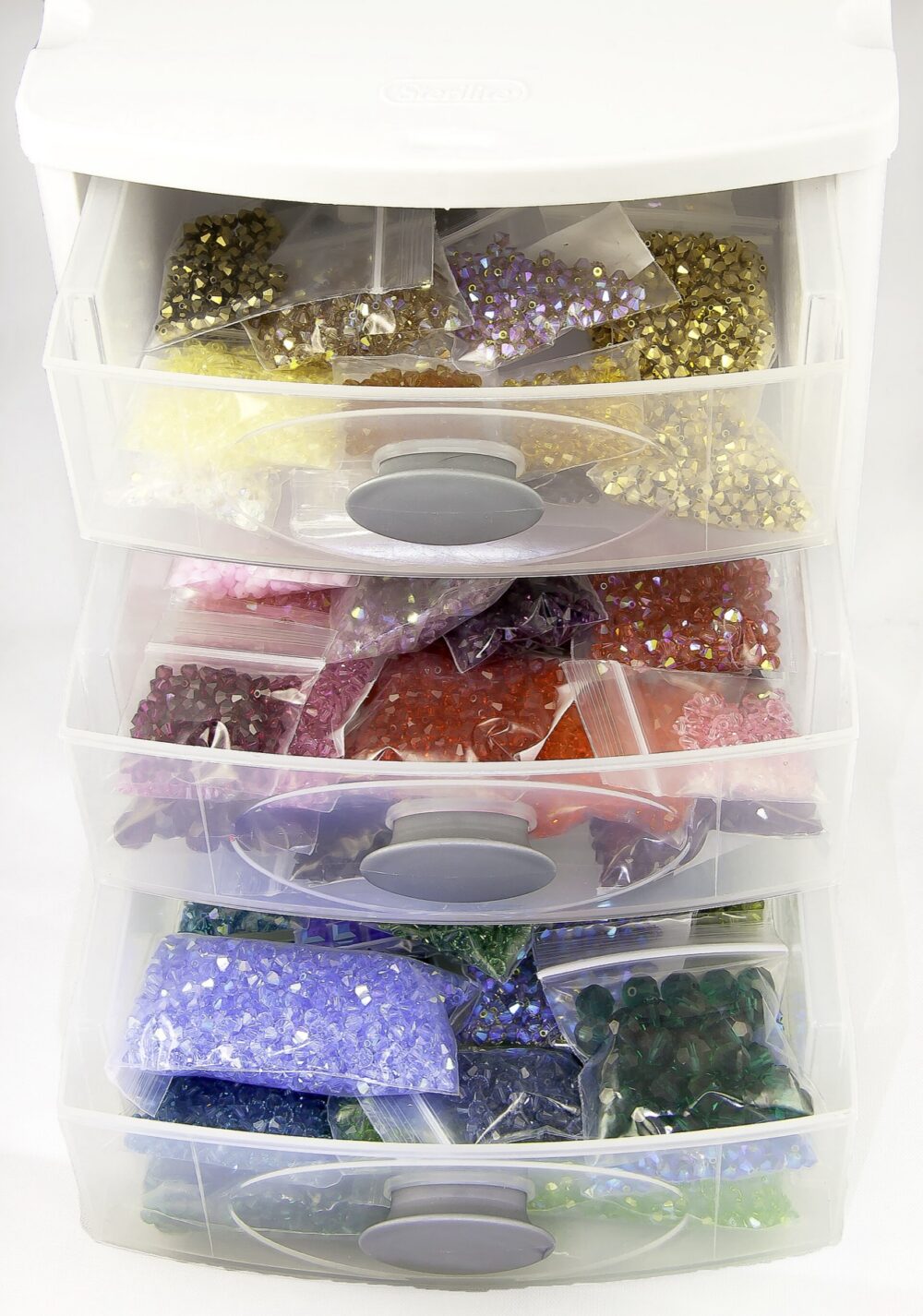
Crystal and gemstone beads wholesale means buying strands or lots of beads in bulk and turning them into finished jewelry or craft kits. For a small US brand, that usually means comparing specialist bead wholesalers, multi-category marketplaces like DHgate, and domestic importers, then test‑ordering to see who delivers consistent color, cut, and drill quality at a workable landed cost.
DHgate can be useful because it’s a China‑based B2B marketplace with millions of products and a broad assortment of china crystals and gemstone accessories listed with size, color, and material details. But you still have to vet each seller, request samples, and compare total cost versus bead‑focused wholesalers such as NaCrystal or Lune Crystal, which are structured specifically around gemstone strands.
How Crystal and Gemstone Beads Wholesale Works Today
Wholesale bead sourcing is built around strands and lots, not individual beads. You’ll typically see offerings like 15-16″ strands of 6-10 mm round amethyst, bags of 100 faceted crystal bicones, or mixed gemstone assortments. Sites like NaCrystal’s wholesale section and GemWholesales show how this looks: multiple stone types (amethyst, rose quartz, jasper, etc.), various shapes (round, faceted, chips), and graduated sizes, all priced for bulk use.
Production is concentrated in a few regions:
- China: large‑scale crystal and fashion‑gemstone cutting, including china crystals and glass‑based beads.
- India and surrounding regions: significant production of semi‑precious stone beads.
Wholesale buyers slot into this supply chain in several ways:
- Specialist bead wholesalers sell only beads and closely related components; they focus on material variety, matching strands, and jewelry‑maker needs.
- Broad marketplaces like DHgate connect thousands of suppliers, including factories and trading companies, offering beads alongside everyday jewelry and decorative stones.
- Domestic distributors import in bulk then resell from US warehouses, trading some margin for faster, simpler logistics.
On DHgate’s own blog, the platform highlights its wide range of china crystals and gemstone accessories, from daily jewelry to decorative stones, with product pages that describe features, sizes, colors, and materials. That’s helpful for cross‑border bead buyers, but it doesn’t replace your own quality checks.
Choosing and Vetting Wholesale Bead Suppliers Across Channels
For beads, general supplier vetting isn’t enough. You’re dealing with tiny components where small flaws—off‑size holes, uneven polish, dye that rubs off—can wreck a whole jewelry line. Mix that with cross‑border sourcing and you need a bead‑specific checklist.
Key quality factors to pin down in communication and samples:
- Material: Is it glass crystal, synthetic stone, or natural gemstone? Ask for the material type in writing and compare to how specialist sites like Lune Crystal describe their stones.
- Cut and polish: Request photos and samples that show faceting, edge sharpness, and surface shine. Uneven cuts snag thread and look cheap in macro photos.
- Drilling and alignment: Check whether holes are centered and consistent. Misdrilled beads make straight stringing or bead weaving almost impossible.
- Color consistency and colorfastness: Ask whether beads are dyed or natural, and test sample strands for rubbing or water exposure to see if color transfers.
- Size tolerance: For 6 mm rounds, are they actually close to 6 mm, or a mix of 5-7 mm? You’ll see tighter tolerances advertised on better bead wholesalers; use their listings as a benchmark.
On DHgate, the platform itself recommends a workflow that maps well to bead vetting:
- Use filters and search tools to narrow to “crystal beads,” “gemstone beads,” specific sizes, colors, and shapes.
- Evaluate suppliers by checking ratings, buyer reviews, and transaction history for that exact listing or shop.
- Request samples before committing to larger orders; treat this as your bead quality audit.
You can go deeper using DHgate‑focused guides on this site, such as Find wholesale suppliers on DHgate, Find DHgate suppliers, and Choose a DHgate wholesale supplier, then apply those steps with bead‑specific questions like size tolerance and dye stability.
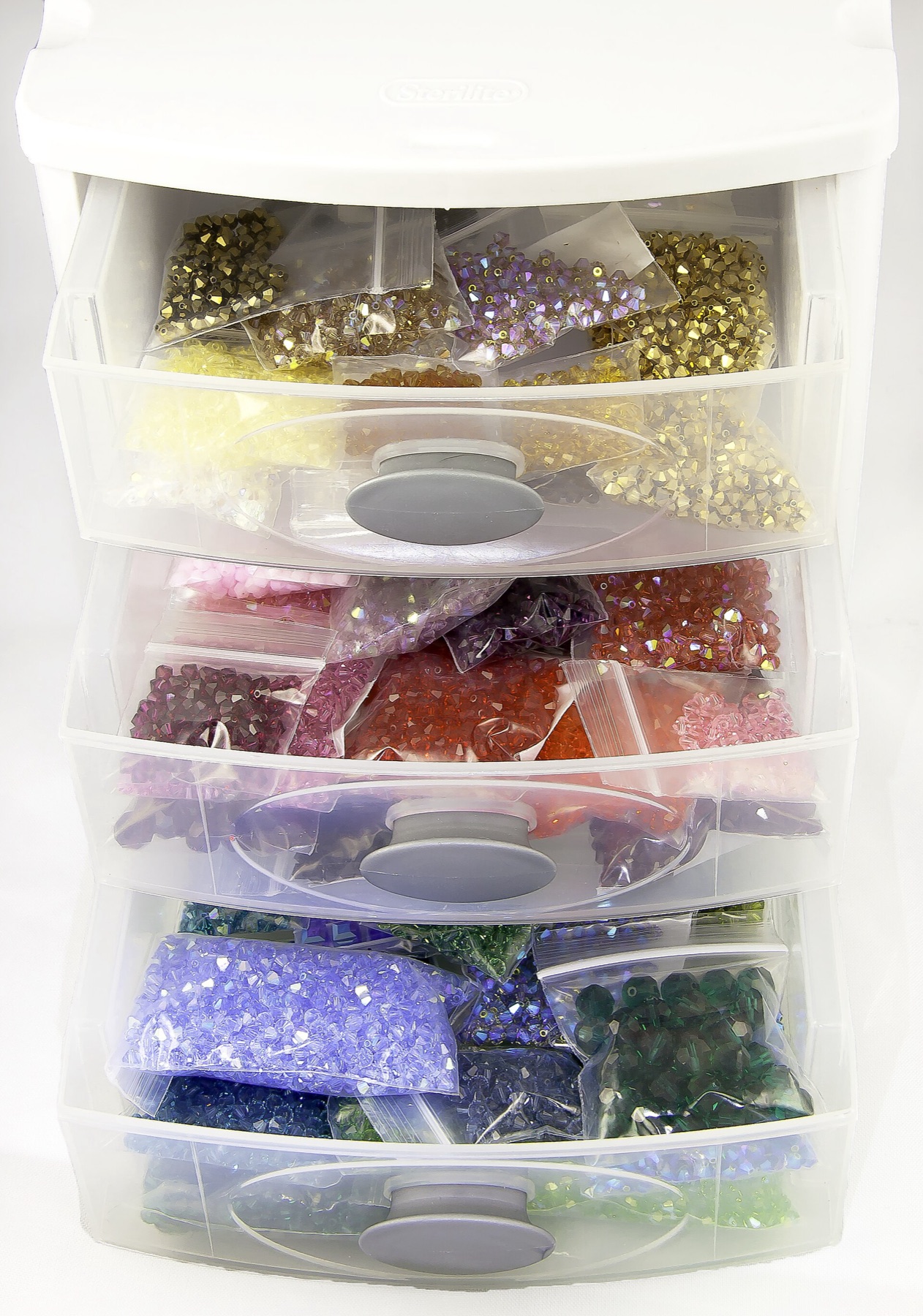
A compact verification checklist to run on any prospective bead supplier:
- Do their product photos show beads on a ruler or grid so you can judge size and spacing?
- Are material names and finishes (e.g., “natural amethyst,” “AB crystal”) clear and consistent across listings?
- Will they provide small paid samples of the exact stones and cuts you need, not “similar” stock?
- Are strand counts stated (e.g., 60 beads per 16″ strand for 8 mm) so you can cost per piece, not just per strand?
If a supplier can’t answer these bead‑specific questions or pushes you to skip samples, treat that as a red flag—especially for dyed stones or fashion crystals.
MOQ, Pricing, Logistics and Where DHgate Fits in Your Bead Strategy
Specialist bead wholesalers and domestic distributors often have higher MOQs per stone or per SKU but a tight focus on consistency. By contrast, DHgate’s own blog describes the platform as friendly to small and large buyers, noting that many suppliers allow small orders with relatively low minimum quantities compared to some traditional wholesale channels. There is still an MOQ per listing or seller; it’s just more common to see “small batch” options.
DHgate also highlights tiered pricing: per‑unit costs typically drop at higher order volumes. Conceptually, a simple comparison looks like this:
| Channel type | Typical MOQ tendency* | Pricing behavior* | Best fit scenario for beads |
|---|---|---|---|
| DHgate marketplace | Often relatively low MOQs | Tiered pricing; bigger = cheaper | Testing multiple bead styles without huge spend |
| Specialist bead wholesaler | Medium–high per SKU | Discounts at case/strand volume | Building a stable line in a few core stones |
| Domestic importer/distributor | Varies; often by pack or strand | Higher unit price, simpler cost | Faster replenishment, smaller catalog |
\*Editorial judgment based on supplier positioning from DHgate blog and external bead wholesalers; specifics vary by seller.
Because DHgate is a marketplace, each supplier sets its own MOQs and prices. The platform’s editorial guidance for bulk china crystals also urges buyers to pay close attention to dimensions, colors, and sizes before placing wholesale orders. Treat that as a reminder to cost out your order on a landed basis:
- Product cost: strand or lot price, including any tiered discount.
- Duties/taxes: if applicable for higher‑value imports.
Then compare this to:
- A bead wholesaler that may quote fuller per‑strand pricing but lower risk on consistency and material clarity.
A Simple First-Order Scenario
For a small US Etsy jewelry shop wanting 6 mm rose quartz and 8 mm crystal rounds:
- Define specs: stone type, bead size, finish (matte vs glossy), strand length, and how many finished pieces you plan to sell per month.
- Shortlist channels: one DHgate supplier with low MOQs and good ratings; one bead‑specialist wholesaler (e.g., a site structured like GemWholesales); optionally a domestic importer.
- Order samples: 1-2 strands per stone from each source. On DHgate, follow the platform’s suggestion to request samples and evaluate them before scaling.
- Compare results: look at color match across strands, drill and polish quality, and actual bead counts per strand. Then plug in the full landed cost.