
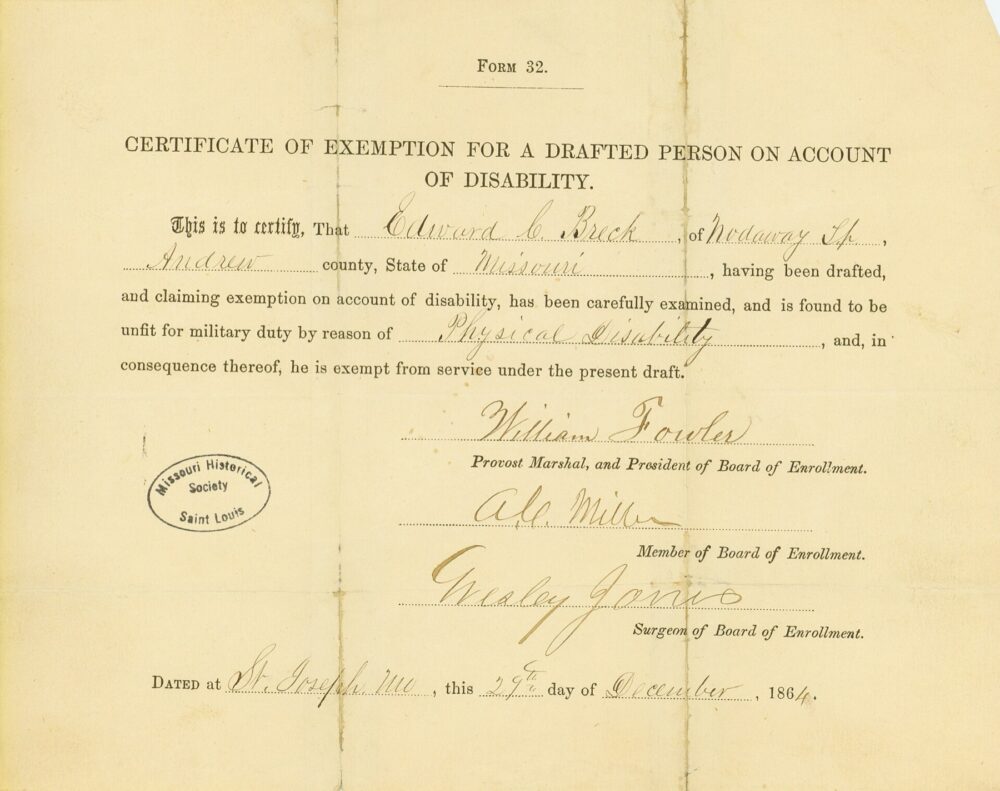
Tax exemption and resale certificates let qualifying US buyers avoid paying sales tax on certain purchases, mainly inventory bought for resale. A resale certificate tells a seller you’re buying goods to resell, so they typically don’t charge sales tax and you later collect tax from your retail customers instead. Broader tax exemption certificates apply to purchases by qualifying organizations or uses that are exempt from sales and use tax. These tools matter most with domestic wholesalers; when you import through foreign marketplaces like DHgate, they usually don’t change how the transaction is taxed, but they still affect your obligations once you sell the goods in the US.
This is general educational guidance, not legal or tax advice. Sales and use tax rules vary by state; talk with a qualified tax professional before acting on it.
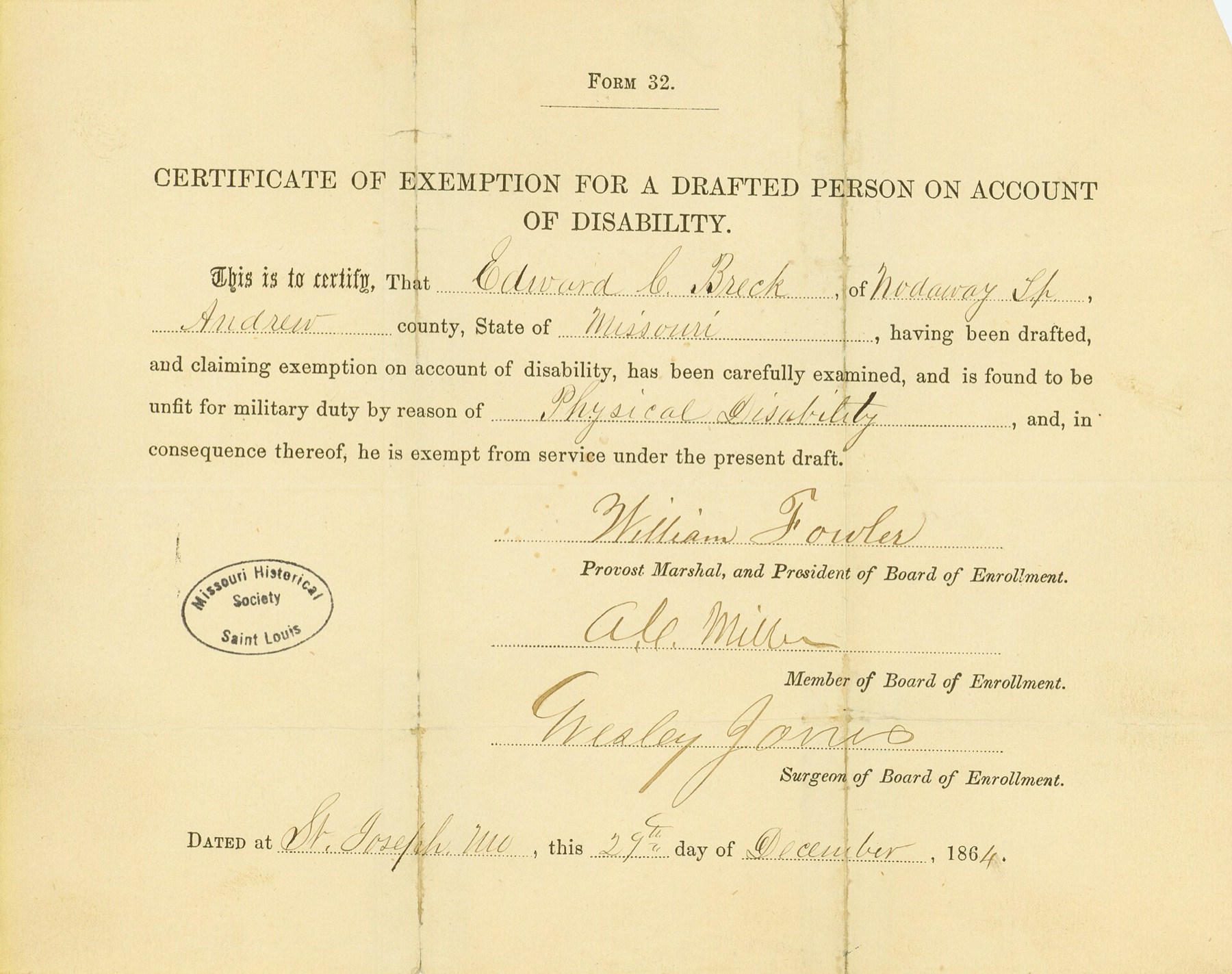
How Tax Exemption and Resale Certificates Work for US Resellers
A resale certificate is a document issued under state rules that lets your business buy goods tax‑free when those goods are purchased for resale. In practical terms, you give your supplier a valid certificate; they generally keep it on file and do not charge sales tax on qualifying orders. You then collect and remit tax (where required) when you sell to the final customer instead of paying tax on your own inventory purchases. LegalClarity explains resale certificates as a way to shift tax collection to the retail transaction rather than the wholesale one.
Tax exemption certificates are related but distinct. They cover purchases that are exempt because of who is buying (for example, certain charities or government entities) or how the item is used (for example, certain manufacturing uses), under the applicable state’s laws. As LegalClarity’s overview of state exemption certificates notes, these are not interchangeable with resale certificates: one is about goods held for resale, the other about exempt organizations or uses.
Typically, sellers rely on the certificate you provide at or before the sale to justify not charging sales tax. Guidance summarized by FedLaws emphasizes that sellers generally must retain these certificates as audit documentation to show why tax was not collected. That’s why a wholesale supplier often insists on having a properly completed form before processing your order as tax‑exempt.
If you sell into multiple states—for example, as an Amazon FBA seller shipping nationwide—the picture gets more complex. As summarized by TaxesLedger, resellers may need separate registrations and face differing rules for accepting and issuing exemption certificates. That’s beyond DIY; if you’re selling to customers in several states, plan on professional advice.
Using Certificates in Wholesale Sourcing and Supplier Selection
Once you have the right certificate, it becomes part of how you work with suppliers in the US.
With domestic wholesalers and distributors, expect a straightforward process: they ask for your resale or exemption certificate as part of account setup, verify it, and then treat qualifying purchases as tax‑exempt. They typically keep your certificate on file as their defense if a state auditor asks why sales tax wasn’t charged. If a seller never asks for documentation yet is happy to mark everything “tax‑exempt,” that’s a red flag—both of you are potentially exposed if the state later decides tax was due.
Here’s how those relationships usually differ by supplier type:
| Supplier type | How certificates are used | What you should prepare |
|---|---|---|
| Domestic wholesaler | Often collects a resale/exemption certificate at signup | State registration details and certificate |
| Trade show vendor (US) | May accept certificates on‑site or via follow‑up forms | Copies of your certificate for each event |
| Marketplace seller (US) | Some accept certificates off‑platform, others don’t | Ask in advance; keep documentation emails |
| Foreign supplier online | Typically ignores US certificates | Focus on import compliance, not sales tax |
For your own records, keep a simple documentation set:
- A copy (physical or digital) of every certificate you issue to suppliers.
- Evidence of your state registration and account IDs.
- Invoices tied to those certificates, showing which purchases were treated as exempt.
This is what a tax professional will ask for if a state questions your filings.
If you sell into more than one state, you also need to think about where you’re obligated to collect tax (economic nexus, physical presence, marketplace rules) and which state forms your customers might present to you as exempt buyers. Multi‑state selling is where generic online advice breaks down; get a specialist involved once your sales start to spread.
Applying Certificates When Buying Through DHgate and Other Channels
US resale and tax exemption certificates are issued under US state laws. That’s why they work cleanly with US‑based wholesalers but have limited effect once you move into cross‑border sourcing.
DHgate is a China‑based B2B marketplace that connects global buyers with suppliers; it doesn’t itself control US sales tax obligations on the inventory you import. Its sellers are typically foreign businesses. They generally do not collect US state sales tax in the same way a domestic wholesaler would, and they usually won’t recognize a US resale certificate at all. Your main tax issues on DHgate orders are import duties, customs, and then US sales and use tax once you resell the goods.
A common pattern looks like this:
- Domestic wholesale (including local trade shows): You present your resale certificate, the seller doesn’t charge sales tax on qualifying inventory, and you later collect tax on retail sales where required.
For a small ecommerce brand importing via DHgate and then selling on Amazon or Shopify, the practical takeaway is simple: your resale certificate is still worth getting, but its main role is downstream. It clarifies that your purchases are for resale, helps your own tax filings, and may matter when you buy from domestic suppliers or accept exemption documentation from certain customers. It doesn’t magically exempt your DHgate imports from duties or from your obligation to comply with US sales and use tax once you sell.
If you expect certificates to be central to your tax strategy—for example, you plan to lean hard on tax‑exempt purchasing—domestic wholesale channels may be easier to align with those rules than cross‑border marketplaces. On the other hand, if your priority is product range or factory‑direct pricing and you’re prepared to manage tax compliance separately, importing through a marketplace like DHgate can still make sense.
Before choosing a DHgate supplier, use Find DHgate suppliers, and Choose a DHgate wholesale supplier.
For buyers who decide DHgate is a fit, it’s worth pairing tax planning with careful supplier selection. You can start with guides like Find wholesale suppliers on DHgate, then discuss your use case (resale, FBA, DTC) with each seller while keeping tax compliance decisions with your US accountant rather than any foreign supplier.