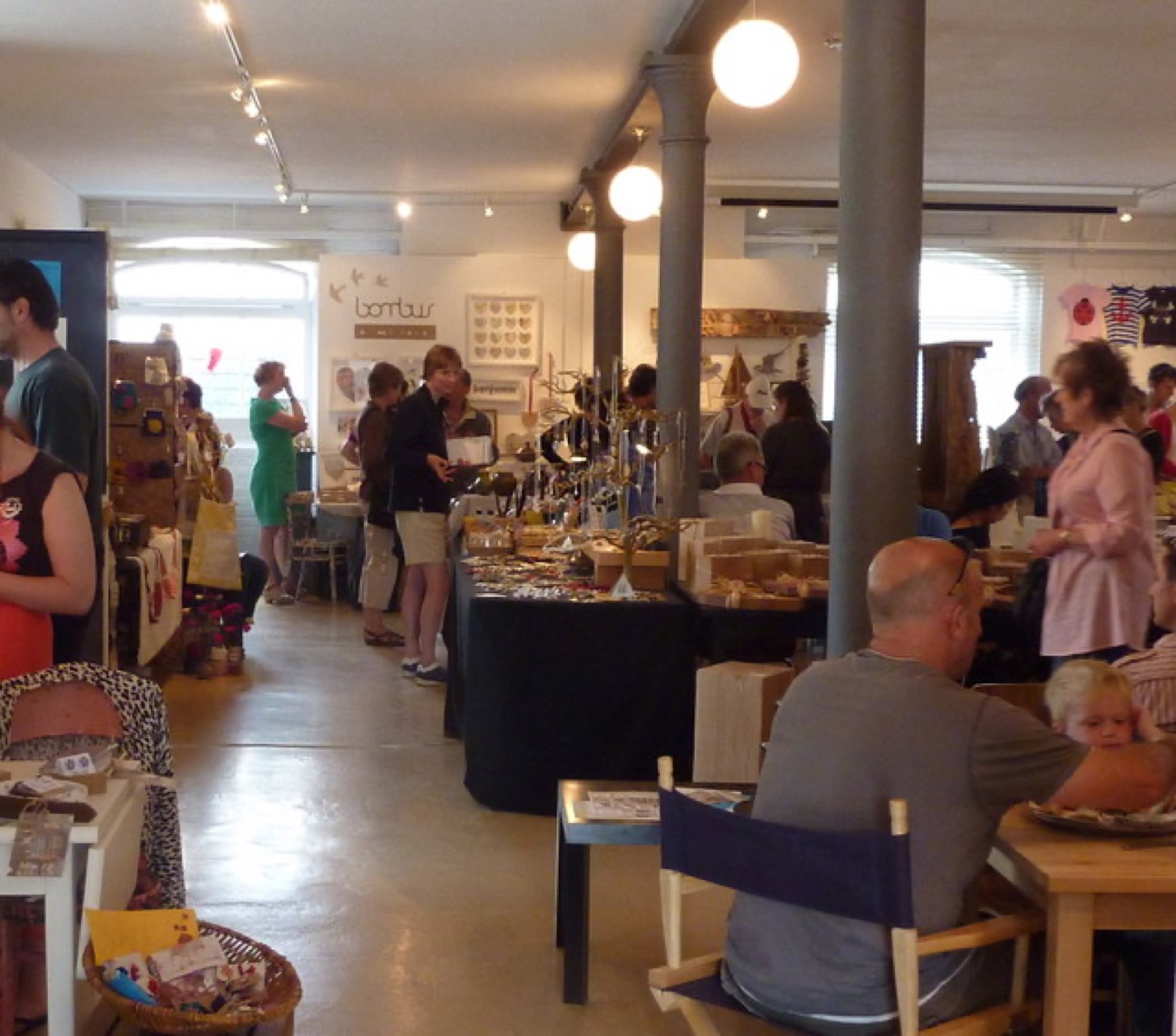
You can source both new craft supplies and reuse-friendly materials through cross-border marketplaces like DHgate, but it only works if you deliberately pick suppliers, keep MOQs realistic, and run full landed-cost math. DHgate’s low or even single-piece MOQs and tiered pricing can be a good fit for testing new SKUs, while local creative reuse centers and swaps often remain the cheapest way to stock one-off, donated materials. Most small US shops end up with a hybrid model: imported basics (beads, blanks, tools) plus locally sourced surplus (fabric offcuts, paper, odd hardware).
This guide focuses on how that mix actually moves through the supply chain, how to vet overseas craft suppliers for a reuse-focused business, and where DHgate sits among your sourcing options.
How Wholesale Craft Supplies and Creative Reuse Materials Move Through the Supply Chain
Mainstream craft supplies — think new yarn, paint, paper pads, beads, and tools — are typically produced by manufacturers in Asia (China, India, Vietnam), then sold through:
- Large importers and domestic wholesalers
- Branded craft chains and distributors
- B2B marketplaces such as DHgate and Alibaba
Those channels prioritize consistent specs and repeatable orders. You’re mostly buying standardized SKUs: a certain weight of yarn, a specific size of canvas, a particular pack of brushes.
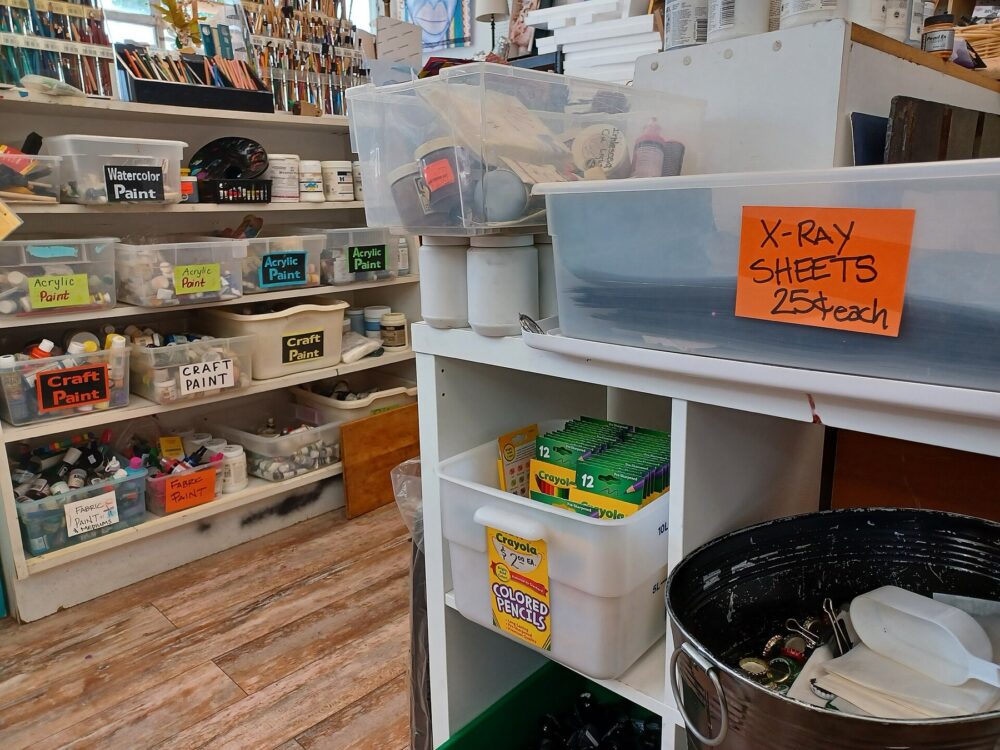
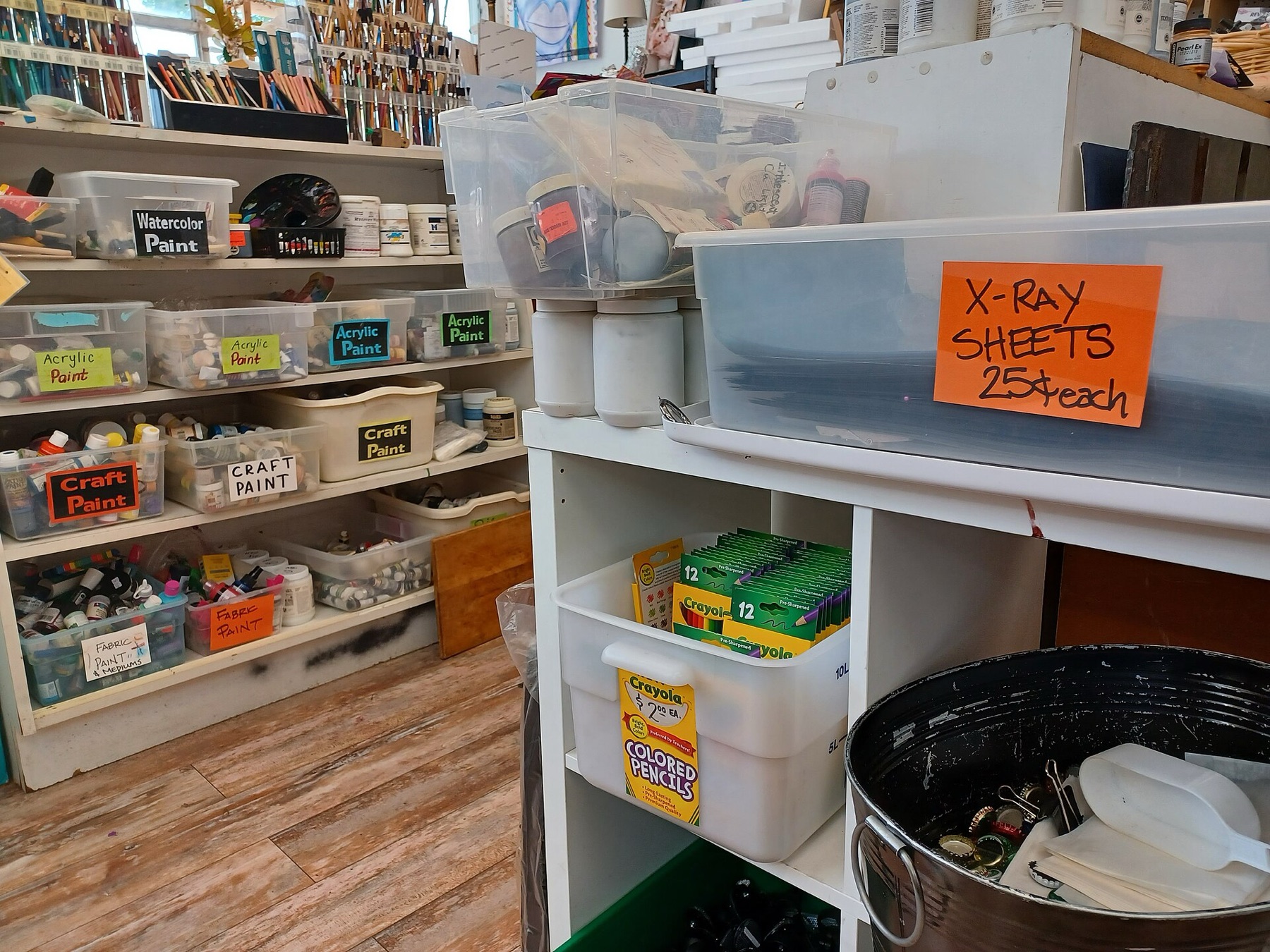
Creative reuse centers work differently. Organizations like Scraplanta, the Pittsburgh Center for Creative Reuse, and shops such as Craft Raccoon collect donated and surplus materials — everything from office paper and fabric remnants to vintage ephemera and odd hardware — and redistribute them to artists, teachers, and hobbyists. Their supply chain is about flow of waste and surplus, not manufacturing.
For a small US craft or reuse shop, that creates two distinct supply streams:
- New, spec-driven supplies you might import or buy domestically in bulk (e.g., new wood blanks for engraving).
- Reuse-grade, opportunistic materials you obtain via donations, local reuse centers, liquidation, or surplus lots (e.g., mixed fabric offcuts, outdated wallpaper books).
Cross-border marketplaces mostly serve the first stream, but you can adapt them for the second by buying “seconds,” overstock, or mixed lots, then merchandising them as creative reuse inventory.
Selecting and Vetting Cross-Border Craft Suppliers for a Reuse-Focused Shop
If you use DHgate or similar marketplaces to support a creative reuse business, you’re not just checking that a brush or bead is “good quality.” You’re deciding where your reuse threshold sits: what’s acceptable as seconds, and what will turn into un-sellable waste.
On DHgate, the platform’s own editorial guidance emphasizes using filters, supplier ratings, reviews, and transaction history, and ordering samples before larger commitments. That’s a solid starting point, but you’ll want to adapt it to reuse-grade inventory.
Practical vetting steps (reuse-specific):
- Search and filter with reuse in mind. Look for phrases like “mixed lot,” “offcuts,” “remnants,” “assorted,” or “factory surplus” alongside your material (e.g., “fabric offcuts,” “paper scrap pack”). Filter by minimum order quantity to avoid being locked into enormous lots you can’t move.
- Use seller signals, but dig deeper. DHgate sellers often display badges such as “top merchant” (high-volume, strong customer feedback) or “China brand” for Chinese-made goods. Treat those as starting signals, then read actual reviews and look at photos to see how consistent past orders have been.
- Request samples framed as defect tests. For a creative reuse shop, samples are not only about whether a paintbrush works; they’re about the mix: How much of a “surplus” paper lot is damaged? Are fabric offcuts large enough for customers to actually use? Ask the supplier to send a mini version of the mixed lot and confirm you’re comfortable selling 90-95% of what arrives.
- Clarify your acceptable variability. In messages, define what “good seconds” mean for you. For example: “Ink color variation is fine, but we need intact bottles,” or “Uneven yarn thickness is OK, but no broken cones.” You’re coaching the supplier on what they can and can’t include.
- Check packaging and labeling practices. Ask how bulk lots are bagged or boxed. Poor packing can turn usable surplus into damaged waste during transit, which matters more when every unit is already irregular.
Buyer checklist for cross-border craft/reuse suppliers
- Does the listing clearly show the range of colors/sizes in mixed lots?
- Are MOQs low enough that you can safely experiment (tied to your cash flow)?
- Do reviews mention consistency over multiple orders, or just one-off praise?
- Has the seller responded specifically to your questions about defect rate and variability?
- Did the sample match the described mix closely enough that you’d reorder?
If you’re not getting clear answers or the sample feels wildly different from the description, treat that as a red flag. In the reuse business, your margin comes from turning “almost waste” into value; you can’t afford a supplier whose surplus tips over into actual trash.
For more DHgate-specific vetting tactics, see our guides on finding DHgate suppliers and choosing a DHgate wholesale supplier.
MOQs, Pricing, Logistics, and Where DHgate Fits Among Sourcing Channels
DHgate is a China-based B2B marketplace connecting manufacturers and suppliers with global buyers across millions of listings. Its editorial content highlights that many sellers are willing to sell very small quantities — sometimes even single pieces — and that they often use tiered pricing, with the unit price dropping as you buy more. That model works well if you want to test a new craft supply in small batches and scale up only after your customers respond.
Local creative reuse centers, by contrast, are donation-based. You might pay by volume (e.g., by the bag or pound) or per item, but you’re accessing surplus flows with effectively zero MOQ and very low cash risk, at the cost of less control over exact specs.
Here’s a simplified comparison, based on editorial and public information rather than precise current numbers:
| Channel | Typical MOQ & consistency | Pricing style | Best use-case for a small shop |
|---|---|---|---|
| DHgate | Often low MOQs, from single pieces up; consistent SKUs once vetted | Tiered unit pricing by quantity | Testing/importing new craft basics and tools |
| Alibaba / Made-in-China | Higher MOQs common; focused on bulk & OEM | Negotiated bulk pricing, contracts | Large runs, custom-branded or OEM craft products |
| Local creative reuse centers | No formal MOQ; inventory is highly variable | Per-visit, per-volume, or per-item | One-of-a-kind reuse materials and community focus |
A worked landed-cost example for a small craft order
Say you’re considering importing a mixed pack of wood shapes suitable for creative reuse (collage, jewelry, kids’ crafts):
- DHgate listing shows a base price per pack, with a lower price if you buy more packs.
- Shipping is quoted separately by the seller or visible on the listing.
- You expect some defect rate because pieces are irregular.
A basic landed-cost framework:
- Product cost: Choose an order size that fits your budget and storage. Multiply unit price by quantity, factoring in the tiered discount.
- Freight and fees: Add the quoted international shipping. If you’re near any duty thresholds, talk to a customs broker or use an online calculator to estimate import duties for wood craft components.
- Defect allowance: Decide what percent of pieces you’re willing to discard or heavily discount. If your sample showed 10% unusable items, add that to your cost: you’re effectively paying for 100% but only selling 90%.
- Local handling: Include any packaging you’ll do to resell the pieces (bags, labels, time).
Now compare that figure to buying similar function items locally:
- A reuse center might let you fill a bag with assorted wood bits for a flat fee.
- A domestic wholesaler might sell uniform wood shapes at a higher unit cost but with cheaper ground shipping and fewer defects.
If your landed cost from DHgate is meaningfully lower and the variability matches your creative reuse aesthetic, cross-border sourcing can be a win. If the math comes out close or higher, favor local channels for reuse-grade items and reserve DHgate for more predictable, spec-driven craft supplies.
DHgate’s own editorial also positions the platform as suitable for business owners, highlighting bulk purchases, customization options, and a diverse product range at wholesale prices. That tends to matter more if you plan to evolve from purely reuse-based inventory into branded craft kits or private-label basics.
Sustainability, Risk, and Choosing Your Mix of Channels
Creative reuse as a supply strategy is about sustainability and budget, but it’s also about risk management. Donation-based centers and swaps reduce your financial risk and your environmental footprint, while cross-border imports expand your range of predictable supplies but add logistics and quality risk.
An effective small-shop strategy often looks like:
- Core, reliable imports: Using DHgate or similar marketplaces for items your customers expect you to always have in stock (glues, basic tools, blank substrates). Here, you prioritize low MOQ and consistent specs over variability.
- High-sustainability local sourcing: Partnering with nearby creative reuse centers, schools, print shops, and makers to pull in offcuts, samples, and seconds. This keeps your reuse identity strong and your cost base low.
- Occasional surplus imports: Carefully testing overseas surplus or mixed lots when the sample and landed-cost math are compelling.
For more DHgate-focused sourcing advice, you can explore how to find wholesale suppliers on DHgate and adapt those tactics to your craft and reuse niche.