
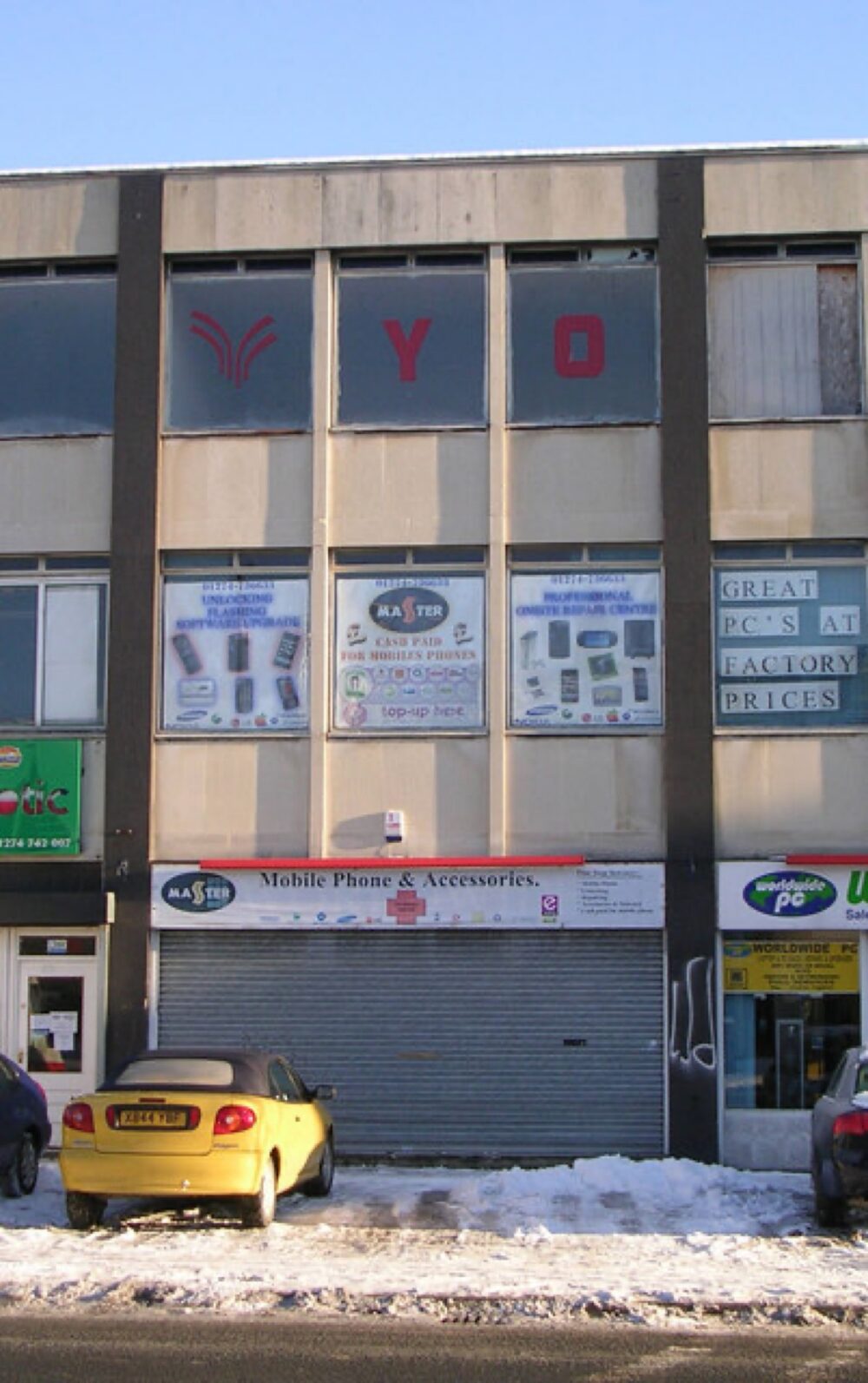
For a small US retail, repair, or ecommerce operation, the smart play is usually: use domestic suppliers for fast‑moving, quality‑sensitive items and treat DHgate or Alibaba as lower‑cost, broader‑catalog sources once you’ve proven specific products and sellers through samples.
How Mobile Accessories and Parts Wholesale Works for Small US Sellers
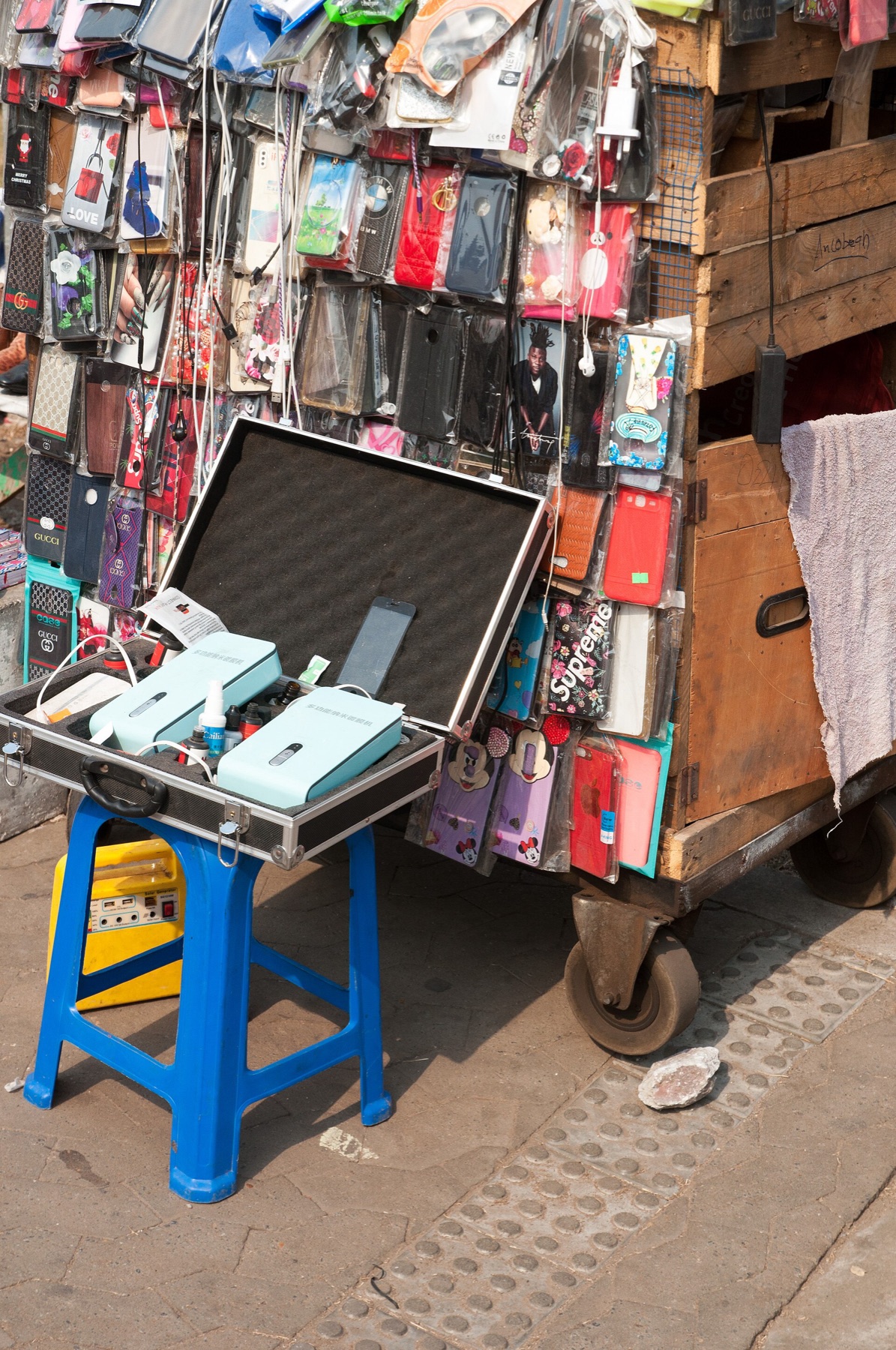
Wholesale in this category covers bulk buying of everyday accessories (phone cases, screen protectors, chargers, cables, earbuds, power banks) plus replacement parts like screens, batteries, housings, and flex cables for phones and tablets. That inventory typically flows through a few types of suppliers:
- US-based accessory wholesalers focus on finished accessories in popular styles and brands. For example, Entro Wholesale positions itself as a bulk phone accessory supplier, and USA Cell Inc emphasizes wholesale mobile accessories for business buyers.
- US-based parts specialists sell repair‑grade components. OHT Parts promotes preowned iPhones and repair parts, and THCEL highlights wholesale phone spare parts and accessories.
- Hybrid tech wholesalers combine accessories, devices, and other electronics. EVERIZ is one example in Miami that markets mobile tech and accessories to business customers.
On the cross‑border side, DHgate describes itself as a China‑based B2B marketplace connecting global buyers with suppliers across categories including mobile phones, accessories, and electronics. According to its own editorial content, it hosts millions of listings from millions of sellers and explicitly pitches bulk pricing plus support for small‑quantity buyers and dropshippers.
For you as a buyer, the real distinction is:
- Domestic wholesalers usually stock and ship from US warehouses, with tighter brand curation and shorter transit.
- Marketplaces like DHgate and Alibaba are directory‑style platforms where thousands of factories and trading companies publish their own listings; you pick, vet, and manage each seller.
Choosing and Managing Suppliers Across Channels
With accessories and repair parts, your risk is less about whether you can find inventory—there’s plenty—and more about whether it meets your customers’ expectations consistently.
How to read supplier signals
On US wholesalers’ sites, useful signals tend to be:
- Product focus: Does the catalog match your niche (e.g., THCEL’s emphasis on spare parts vs Entro’s accessory focus)?
- B2B orientation: Are they clearly set up for business buyers with case‑pack quantities or tiered bulk pricing?
- Contact and location: Do they list a physical address and support channels for business accounts?
On marketplaces like DHgate, you’re evaluating individual sellers inside a huge catalog. DHgate’s own guidance recommends:
- Using filters and search tools to narrow down to specific models or accessory types.
- Checking supplier ratings, reviews, and transaction history.
- Requesting samples before committing to larger orders.
A practical checklist tailored to phone accessories/parts:
- Model specificity: Does the listing clearly state compatible models (e.g., “iPhone 13 Pro” vs “iPhone 13 series”) and part revision?
- Photo realism: Are product photos original and detailed enough to spot connector types, cutouts, and finish—not just generic renders?
- Review depth: Look for buyer photos and comments mentioning fit, durability, or repair success, not just “fast shipping.”
- Communication quality: Message the seller with a concrete question (e.g., “Is this battery OEM spec or equivalent?”), and judge how precisely they respond.
Samples, MOQs, and repeat orders
For a small US business, you don’t need to guess. A simple flow works across channels:
- Shortlist 3-5 suppliers for a given product type (say, USB‑C wall chargers or iPhone 11 screens). Combine at least one US wholesaler with 2-3 marketplace sellers.
- Order samples: From US wholesalers, that might mean minimum case‑packs; from DHgate sellers, it’s usually small‑quantity orders. Compare build quality, packaging, and any labeling claims.
- Negotiate MOQs and price tiers after samples pass. You’re asking for realistic minimums you can move within 1-2 months, not theoretical factory capacity.
- Lock a repeat‑order rhythm: Many repair shops settle into reordering a known‑good screen or battery SKU every few weeks. Your aim is to make that process boring and predictable.
Red flags for this category:
- Sellers unwilling to provide samples or clear answers on compatibility.
- Parts arriving with inconsistent labeling or obvious cosmetic differences across units.
- Accessory descriptions that copy big‑brand language (“MFi-certified” or “Qualcomm Quick Charge”) without documentation.
If you hit these, treat that supplier as a test case only—do not build your core catalog around them.
Comparing DHgate With Domestic Wholesalers and Other Marketplaces
DHgate is often attractive because its sellers can offer wide product variety and aggressive bulk pricing, and it markets itself as friendly to small‑quantity buyers and dropshippers. That said, price isn’t the only variable.
Here’s a pragmatic, US‑centric comparison:
| Channel type | Typical strengths (editorial) | Likely trade‑offs (editorial) |
|---|---|---|
| US accessory wholesalers | Faster delivery, clearer returns/support, curated SKUs; good for mainstream cases/chargers | Higher unit cost, less exotic or ultra‑cheap items |
| US parts specialists | Better consistency for repair components; closer to OEM‑grade | Narrower catalog; may require higher opening orders |
| Cross-border multi-seller marketplace sellers | Huge catalog of phones, accessories, and electronics; flexible quantities and bulk discounts per Cross-border multi-seller’s own positioning | You must vet each seller; cross‑border lead times and import steps to manage |
| Alibaba/other B2B marketplaces | Deep manufacturer access, especially for custom runs and branding | Often geared to larger MOQs; more negotiation overhead |
DHgate makes the most sense when:
- You’re testing new accessory styles (niche cases, themed cables) where US wholesalers don’t carry the designs you want.
- You need small batches from multiple suppliers to see what sells before committing to larger domestic stock.
Domestic wholesalers often win out when:
- You’re selling to customers who care more about consistency and speed than rock‑bottom pricing.
- You want a single partner to handle most of your day‑to‑day replenishment without juggling cross‑border communication.
Alibaba or similar platforms can be useful once you’re ready for custom‑branded accessories or higher MOQs, and you’ve validated which exact specs and designs your market wants.
For DHgate specifically, treat it as one of several channels to plug into your sourcing mix—not your only lifeline. Start small, confirm quality and seller reliability through samples and buyer feedback, and reserve your bigger bets for suppliers who prove they can support repeat orders without unpleasant surprises.
If you decide DHgate is a fit and want more detail on how to search and filter suppliers, the process‑focused articles on DHgateWiki such as find wholesale suppliers on DHgate, find DHgate suppliers, and choose a DHgate wholesale supplier go deeper into marketplace‑specific tactics.