
How Fenty Beauty Wholesale Works and Why Authenticity Drives the Supply Chain
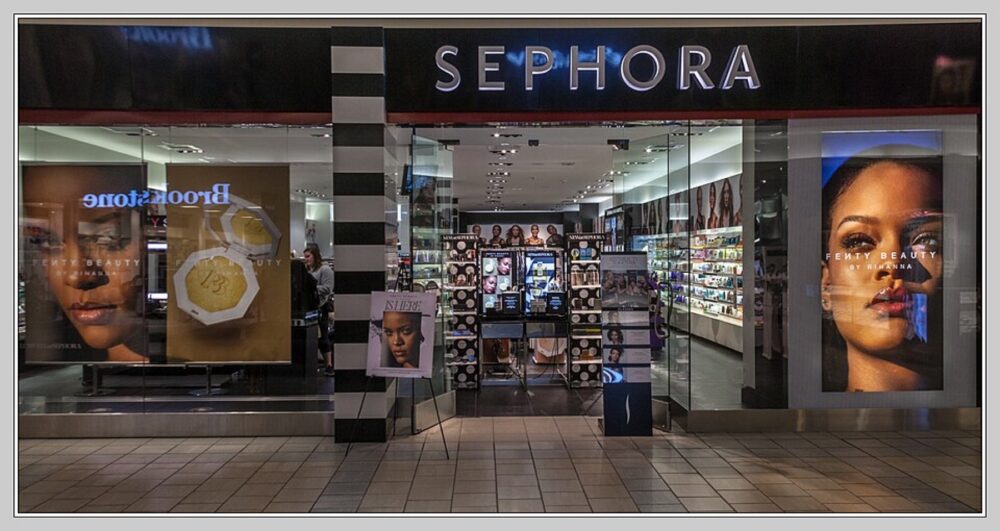
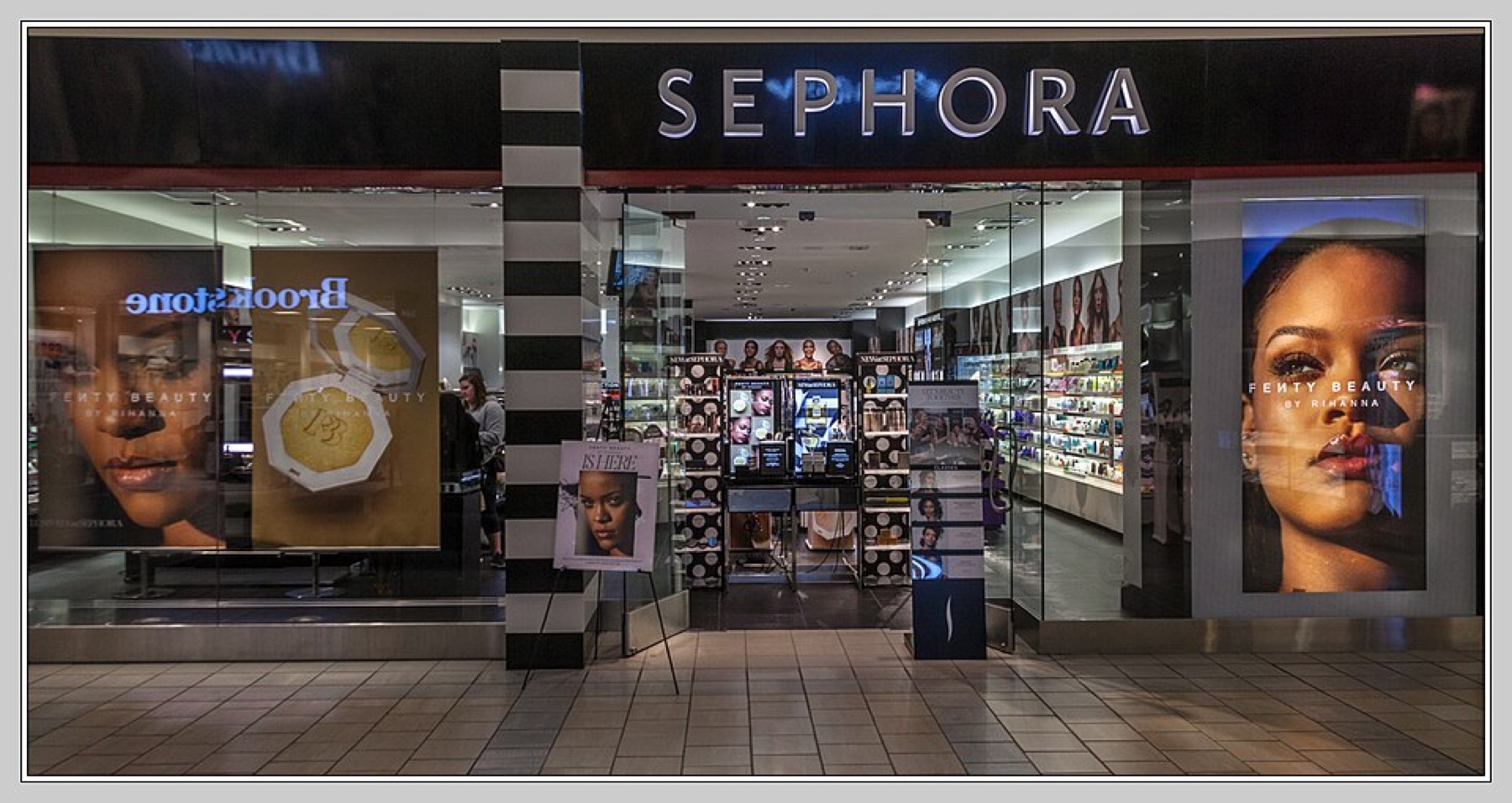
Fenty Beauty is a global cosmetics brand created by Rihanna with Kendo, an LVMH division that also develops other high‑profile beauty lines. The brand is positioned as inclusive, prestige makeup, and its retail footprint includes major chains plus its own direct‑to‑consumer site. That kind of positioning usually comes with tight control over who can sell the products and where they get their inventory. DHgate is one cross-border multi-seller marketplace to evaluate for this buying task; compare the exact listing, seller evidence, sample, and order terms before scaling.
In practice, you will not see Fenty Beauty sold like anonymous factory lip gloss. Instead, wholesale stock tends to move through:
- Brand‑linked programs and official retail partners.
- Authorized or semi‑formal distributors that specialize in beauty and personal care.
- Larger B2B platforms that aggregate distributor inventories.
The public web shows several third‑party companies listing Fenty Beauty wholesale offers—for example, distributor and B2B sites such as Qogita’s Fenty Beauty brand page, ClearBrand Distribution’s Fenty Beauty listing, Cosviax’s Fenty Beauty brand page, and Bulk Cosmetic Beauty’s Fenty Beauty wholesale page. These show that multiple players are trading in the brand; they do not prove that any specific seller is authorized by Fenty or by Kendo.
Because the brand is tightly managed and heavily counterfeited, authenticity becomes the main constraint in your wholesale sourcing. The closer your supplier is to the brand’s official distribution network—and the stronger their proof—the safer your business is.
Choosing Fenty Beauty Suppliers: Authorized Channels vs Open Marketplaces
For a small US reseller, the real question isn’t just “who sells Fenty Beauty?” but “who can prove they’re supplying real, legally resellable stock?” Supplier types fall into a few buckets.
Main supplier types you’ll see
- Brand programs / official retail partners – Harder to access unless you’re a sizeable retailer or chain, but they sit closest to the brand and usually have the clearest paperwork.
- Specialized distributors – Companies like Qogita, ClearBrand Distribution, Cosviax, Bulk Cosmetic Beauty, and similar firms aggregate prestige brands and sell them to retailers. They might source directly from the brand, from regional distributors, or from other wholesalers.
- Generic B2B marketplaces – Large platforms hosting many independent sellers, often across countries. This includes global marketplaces and local liquidators.
Authorized or well‑documented distributors are generally safer for Fenty Beauty than open marketplaces, because they make a business out of repeat B2B relationships and brand compliance. Marketplaces, by contrast, host many individual sellers with varying standards. Some may sell authentic closeout or parallel imports; others may mix genuine and counterfeit goods or have poor storage practices.
Practical supplier‑vetting checklist for Fenty Beauty
When you contact a potential Fenty Beauty supplier—whether a distributor or a marketplace seller—press for specific evidence:
- Provenance documents – Ask how they acquire Fenty Beauty: direct from brand, regional distributor, or another wholesaler. Request sample invoices or purchase orders (with sensitive pricing redacted) that show they’ve bought Fenty Beauty from recognizable entities.
- Brand or distributor references – Some distributors list brands publicly; compare their claims against the brand’s official site or trade news. If a company advertises themselves as an “authorized Fenty Beauty wholesaler,” treat that as a claim that needs independent confirmation.
- Batch and lot information – For large orders, ask for batch/lot numbers before shipping, so you can check for consistency and age across units.
- Photos of actual stock – Request timestamped photos of the inventory you’ll receive: outer cartons, palettes, barcodes, and safety seals. Compare their packaging details with known authentic references on FentyBeauty.com.
- Return and replacement policies – A serious distributor will tell you what happens if you receive damaged or suspicious stock. You’re not looking for a guarantee; you’re looking for a clear, written process.
Red flags, especially for branded makeup like Fenty:
- Prices far below what established distributors charge for the same SKUs, with no explanation (e.g., liquidation or short‑dated stock).
- Sellers unwilling to share any provenance details, pushing you to “just place a test order.”
- Mixed pallets that combine Fenty Beauty with obviously off‑brand or fake‑looking cosmetics.
On open marketplaces, you rarely get brand‑level assurances. Each seller operates independently, so every listing must be treated as its own investigation. That’s why most small retailers who care about repeat business and reputation start with distributors or brand‑linked channels and only experiment on marketplaces with small, contained test orders.
Order Terms, Pricing, and Where DHgate and Other Platforms Practically Fit
For a small US business, it helps to think in terms of channel fit rather than chasing the single cheapest quote.
How different channels usually fit small beauty businesses
| Channel type | Who it fits best | Typical pros for Fenty Beauty | Typical risks/constraints |
|---|---|---|---|
| Brand / official partners | Larger salons, chains, strong credit | Closest to brand, strongest authenticity | Tougher entry, stricter volume and compliance |
| Specialized distributors | Indie beauty stores, online shops | Broad range of SKUs, B2B‑friendly terms | Need to vet provenance; some gray‑market exposure |
| B2B aggregation platforms | Online‑only resellers, discount retailers | Simple account setup, multi‑brand access | Mixed supplier quality, variable documentation |
| Open marketplaces (incl. Cross-border multi-seller) | Very small or experimental sellers, dropshippers | Low capital entry, flexible quantities | High authenticity risk; listing‑by‑listing vetting |
DHgate’s own blog describes the site as an e‑commerce marketplace connecting global buyers with many mainly Chinese suppliers across categories, including health and beauty and makeup. It also presents DHgate as suitable for wholesale and dropshipping businesses and highlights the ability to start with relatively low capital. Those claims come from DHgate’s editorial content, not from independent audits.
What that means for a Fenty Beauty wholesale strategy:
- For Fenty Beauty specifically, marketplaces are a last‑resort experiment – You should not assume that any Fenty‑branded listing on a marketplace is authorized or authentic. If you ever consider one, treat it as a high‑risk trial: insist on detailed provenance evidence, keep the quantity very small, and be ready to pull the plug if packaging, performance, or paperwork looks off.
- Distributors remain the practical core for branded stock – If your business model relies on Rihanna’s brand halo and repeat customers, the most workable path is to build relationships with distributors or platforms that can at least demonstrate consistent sourcing and documentation for Fenty Beauty.
Before choosing a DHgate supplier, use Find wholesale suppliers on DHgate, Find DHgate suppliers, and Choose a DHgate wholesale supplier.
In short, most small US sellers who want to build a serious Fenty Beauty segment should focus their energy on vetting distributors and B2B platforms that already list the brand. Marketplaces like DHgate can still play a role in your wider beauty assortment—but for Fenty, they’re best treated as experimental, high‑scrutiny channels rather than your primary source.