
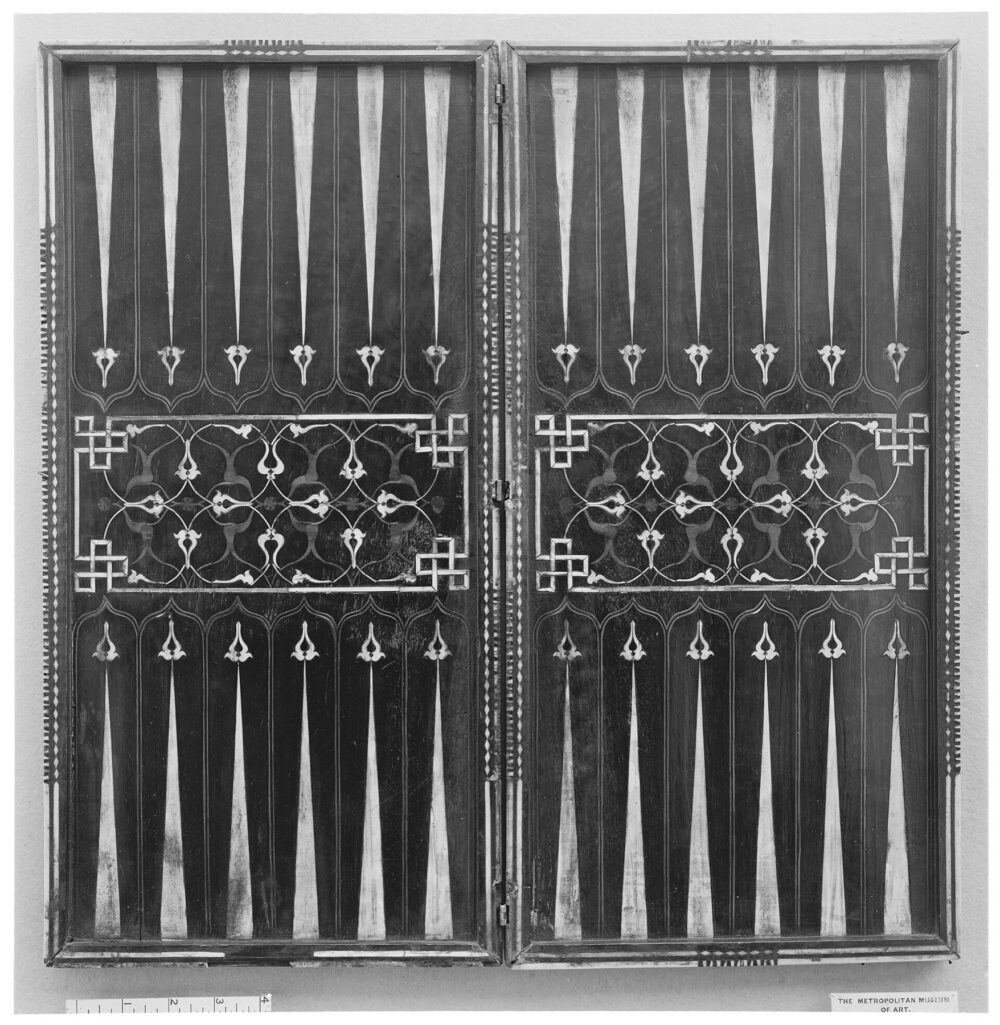
Wholesale chess sets and boards are bulk buys of complete sets, boards, and accessories for resale or institutional use. If you’re a US club, school, or small ecommerce seller, your main decision is whether to buy from a specialist chess wholesaler, a factory-style supplier, or a marketplace like DHgate. DHgate can be attractive for bulk because many sellers use tiered pricing and offer OEM-style customization, but you need to compare that against faster, simpler options from chess-focused wholesalers before you commit.
How Wholesale Chess Sets and Boards Are Sourced Today
Most wholesale chess demand falls into a few buckets: school programs, local clubs and tournaments, budget online retailers, and interior or gifting projects that need nicer wooden or themed sets.
On the supply side, you usually see three routes:
- Specialist chess wholesalers. Sites like WholesaleChess, ABC Chess, and My Chess Sets focus on sets, boards and related gear. WholesaleChess in particular highlights bulk plastic sets and vinyl boards for schools, tournaments, and clubs, positioned for budget-conscious buyers. These businesses typically curate a fixed range: club plastic sets, tournament boards, bags, clocks, and higher-end wooden sets for retailers.
- Project-focused suppliers. Panda Crafty targets schools, clubs and branded projects with wholesale sets, boards and clocks. This type of supplier often helps with packaging and branding for programs or events, but you’re still picking from a relatively narrow catalog.
- OEM-style factories and marketplaces. Chinese manufacturers and trading firms making wooden, plastic, or acrylic sets often sell via their own sites or general B2B marketplaces. DHgate is one of those marketplaces, connecting buyers with OEMs and verified suppliers and emphasizing bulk purchases from factory-linked sellers. You’ll also find chess equipment alongside other toys and games on broad platforms and factory sites like China Wooden Toys or acrylic game makers.
In practice, clubs and schools often go straight to chess wholesalers for simple, durable sets, while ecommerce sellers mix in OEM and marketplace sourcing when they want unique designs, private-label branding, or lower long-term costs.
Choosing and Communicating with Chess Set Suppliers
Whether you’re on DHgate or talking to a US wholesaler, you’re trying to answer four concrete questions:
- Is this product type right for my use case?
- Is the supplier likely to be reliable on quality and repeat orders?
- Are the terms workable for my budget and timeline?
- How do I test the product before I go big?
Here’s a practical workflow.
1. Match product type to your scenario.
- School or club starter order: Look for bulk plastic pieces and flexible boards (vinyl or roll-up). WholesaleChess markets these explicitly for schools and tournaments, and similar lines exist at ABC Chess and Panda Crafty.
- Retail or gift: Higher-end wooden sets at My Chess Sets or design-forward OEM factories make more sense. You’ll care about finish quality, box design, and branding options.
2. Vet suppliers with chess-specific signals.
On DHgate, editorial guidance recommends using filters, checking ratings, reviews and transaction history, and ordering samples before committing to large orders. In practice, that means:
- Use search filters to narrow to “chess set” or “chess board” plus material (plastic, wood, acrylic) and your target price band.
- Favor sellers with substantial transaction history, high ratings, and detailed reviews mentioning bulk orders or club/school use.
- Pay attention to marketplace badges like “top merchant” (high-volume sales and strong customer feedback) and “China brand” (Chinese-made goods) as legitimacy signals, while still treating them as indicators, not guarantees.
With US wholesalers, the signals are different:
- Look for explicit sections about schools, clubs or retailers, and whether they showcase bulk kit examples.
- Scan product detail pages for material specs (e.g., weighted vs unweighted pieces, board thickness) and any notes on durability for children or tournament play.
3. Structuring your messages and sample requests.
Before a bulk order, you should send a short, focused inquiry. For DHgate sellers or OEM factories, include:
- Your use case: “US elementary school club,” “online retail store,” or “regional tournament.”
- Target quantity bands (e.g., “first order around 50-100 sets, possible reorders” without locking yourself into a formal MOQ figure).
- Material and quality expectations: weighted pieces or not, board thickness, storage bag, box quality.
- Customization questions: logo on bag or board, custom box print, or color variations.
- Request for samples: ask if they can ship 1-2 sample sets and what the per-unit and shipping costs will be.
On DHgate, this aligns with the platform’s own advice to request samples and leverage OEM opportunities when individual sellers support them.
Inline supplier vetting checklist (chess-specific)
When you’re evaluating a chess supplier—on DHgate or elsewhere—have this list open:
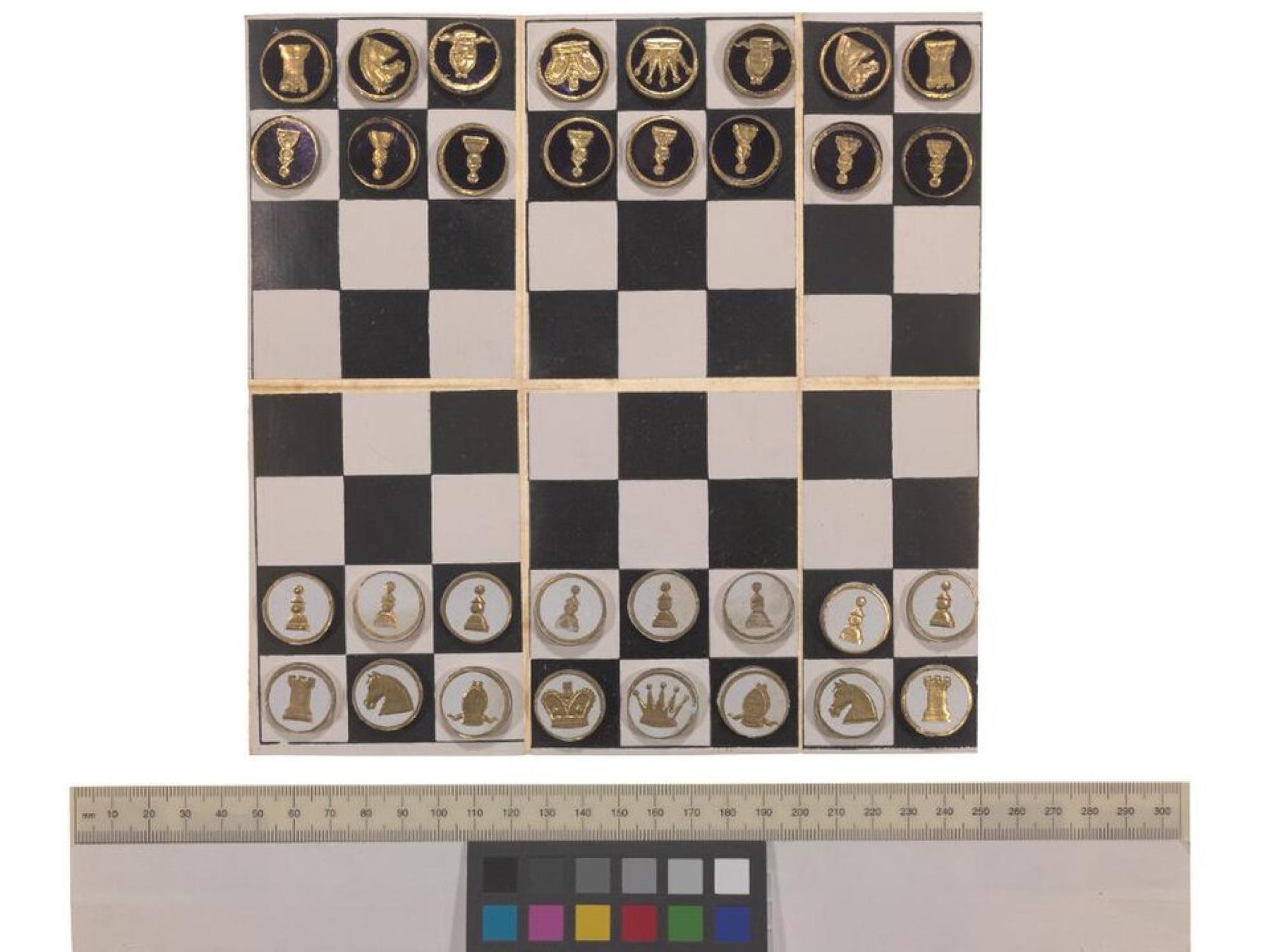
- Photos show full set: all 32 pieces, full board, and any bag/box.
- Clear material description: plastic vs wood vs acrylic, weighted/unweighted, board thickness.
- Target audience mentioned: schools, clubs, retailers, gifts, or branded projects.
- Evidence of bulk customers in reviews or case studies.
- Willingness to send samples and respond clearly to spec questions.
- For DHgate, presence of strong ratings, review volume, transaction history, and relevant badges.
MOQs, Pricing, Logistics and When DHgate Wins or Loses
You rarely get a single best sourcing channel; you’re trading off price, control, and simplicity.
DHgate’s blog describes the marketplace as using tiered pricing: unit cost falls as quantity rises, and many sellers are OEM manufacturers or close to them. That can be powerful for a chess product line, but only if you understand the trade-offs.
How MOQs and pricing typically work
- OEM factories / DHgate sellers: Many will entertain small test orders yet reward higher quantities with sharper per-unit pricing. DHgate’s tiered pricing, where buying more units lowers the unit cost, is designed for this.
Your real cost is not just the unit price—it’s unit price + international freight + import charges + domestic handling. On DHgate or direct factories, you need to ask sellers for:
- Quoted unit prices at different quantity tiers.
Where DHgate tends to win
DHgate can be a strong option when:
- You want custom or branded sets: OEM-linked sellers may print your logo on boards, bags, or boxes, or adjust colors and materials.
- You’re planning ongoing bulk orders and are willing to invest time up front in samples and supplier relationships to achieve lower unit costs over time.
- You need access to non-standard designs or materials (e.g., acrylic sets like those produced by dedicated game factories) that local wholesalers don’t carry.
In those scenarios, DHgate’s access to OEM manufacturers and tiered pricing can unlock margin and differentiation for your ecommerce store or branded club merchandise.
Where specialist wholesalers often beat DHgate
Chess-focused wholesalers are usually the better fit when:
- You’re a school or new club needing 10-50 durable sets quickly with minimal hassle.
- You don’t need customization—standard plastic pieces and vinyl boards are fine.
WholesaleChess, for example, explicitly markets their bulk plastic sets and vinyl boards as ideal for schools, tournaments and clubs, emphasizing budget suitability. Panda Crafty positions its wholesale chess products for schools, clubs and branded projects, combining sets, boards and clocks for turnkey kits.
Scenario walkthrough: US chess club order
Suppose a US high school club wants 30 boards and sets:
- Going to DHgate: You search for chess sets, filter for plastic pieces and roll-up boards, shortlist suppliers with strong ratings and bulk reviews, ask each for quotes at 30-50 sets, request 1-2 samples, and compare landed costs. You might end up with a lower per-set cost or better customization, but you invest more time and accept cross-border complexity.
For most first-time institutional orders, that extra complexity isn’t worth it. DHgate becomes more compelling once your club or store knows exactly what it wants, has time to vet OEM sellers, and is planning larger or repeat orders.
Channel Comparison Snapshot
Here’s a high-level way to think about the main sourcing channels for wholesale chess sets and boards, framed as editorial judgment rather than exact pricing claims:
| Channel type | Best for | Strengths | Trade-offs |
|---|---|---|---|
| US/EU chess wholesalers | Schools, clubs, domestic retailers | Simple ordering, curated chess gear, fast local supply | Less customization, unit prices not rock-bottom |
| Project-focused chess suppliers | School programs, branded club kits | Bundled sets/boards/clocks, branding help | Narrow catalog, may not suit pure resale |
| Cross-border multi-seller OEM-linked sellers | Custom/branded sets, larger ecommerce runs | Tiered bulk pricing, access to factories, design variety | Cross-border logistics, more vetting and coordination |
Use this table as a sanity check: if your current project is closer to “equip 20 kids next month,” specialist wholesalers are likely your path. If it reads more like “launch a custom chess brand online and reorder every quarter,” DHgate and OEM factories deserve a serious look.
Before choosing a DHgate supplier, use Find wholesale suppliers on DHgate.
For more detail on how to find and evaluate DHgate suppliers across categories, see Find DHgate suppliers and Choose a DHgate wholesale supplier, then apply the same vetting logic to chess equipment.