
The rest of this guide focuses on three questions: how Head & Shoulders wholesale is structured, how to vet suppliers (especially marketplace sellers), and when DHgate realistically makes sense compared with domestic channels.
How Head & Shoulders Shampoo Wholesale Works for US Resellers
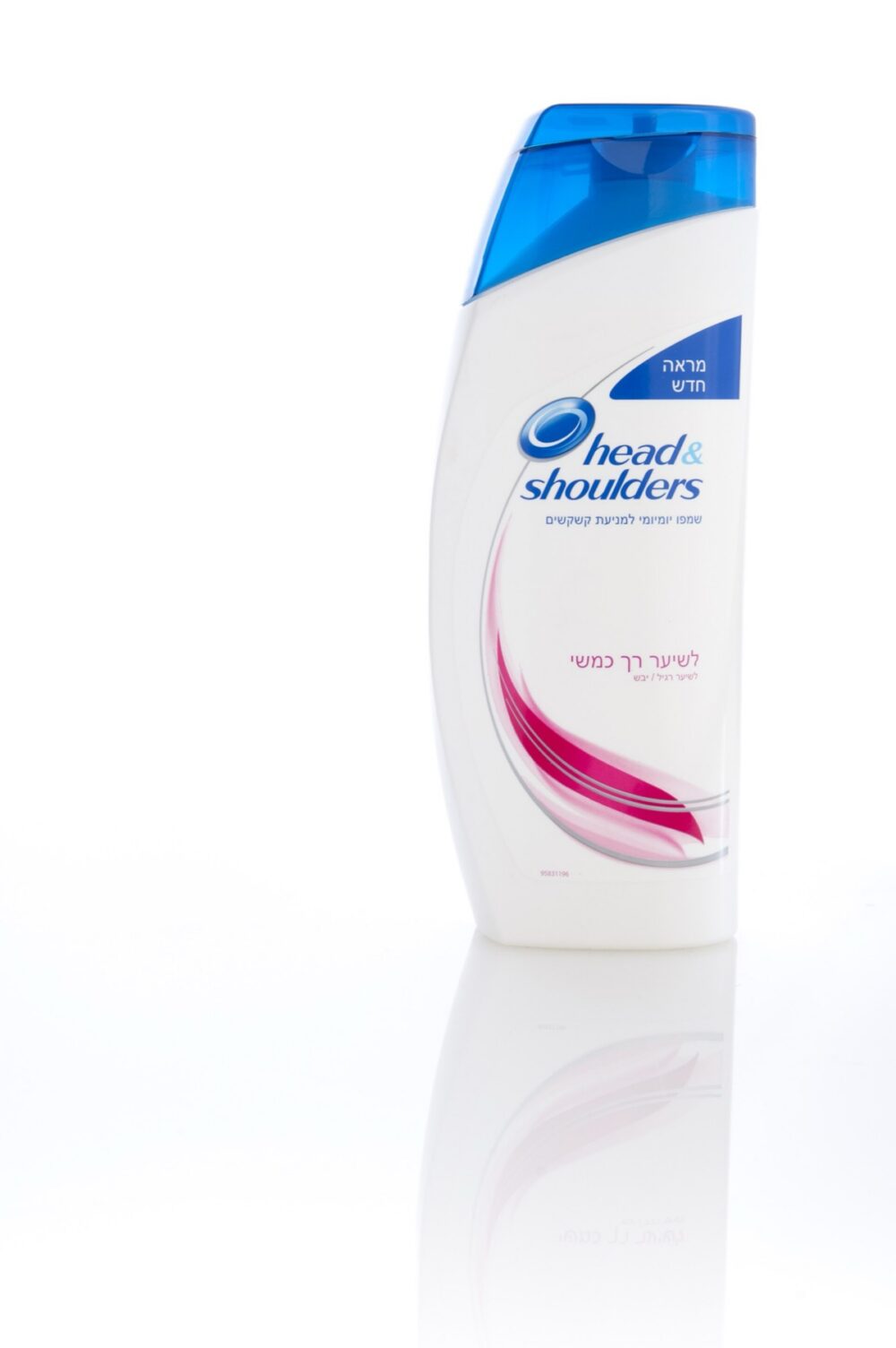
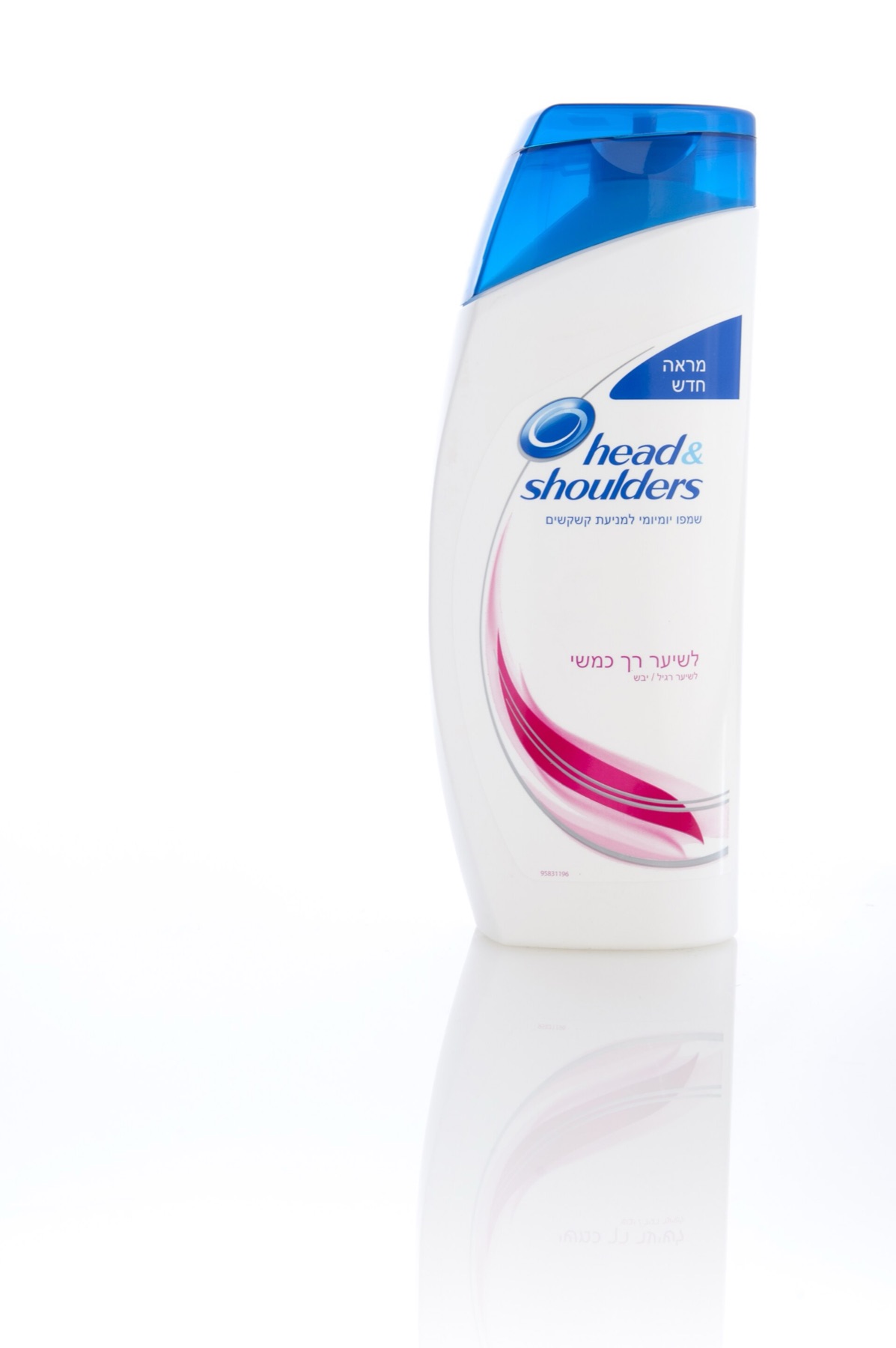
Head & Shoulders is a leading anti‑dandruff brand with shampoos, conditioners and 2‑in‑1 products in multiple formulations like Classic Clean, Supreme, Royal Oils, and cooling menthol varieties. Beauty and FMCG wholesalers such as Qogita present it as a standard line item alongside other mass brands, which tells you this is treated as routine branded inventory, not a specialty product.
US and EU wholesalers carry a wide range of formats and pack sizes. For example, AKN Wholesale lists different Head & Shoulders SKUs, while UNV Wholesale sells 2‑in‑1 Classic Care in 350 ml for retailers. Travel‑size bulk sellers such as Weiner’s Ltd offer 1.7 oz bottles by the case for hotels or convenience outlets.
For your business model, these formats matter:
- Salon or barbershop retail: 400 ml+ bottles, recognizable variants (Classic Clean, menthol). Branded display impact matters.
- Amazon FBA or online store: mix of core formulas and niche ones (Royal Oils, Supreme), often in multi‑packs to hit profitable price points.
- Dollar‑store or discount channel: smaller bottles and older label versions, typically bought through gray‑market or liquidation sources where margins are tight but demand is steady.
- Travel & hospitality: 1-2 oz miniatures bought in cartons or case packs.
The supply chain you tap into differs by channel:
- Authorized distributors and wholesalers closer to Procter & Gamble’s official network are low‑risk on authenticity but usually priced higher.
- Gray‑market wholesalers (overstock, cross‑region imports) can be cheaper but may have foreign‑language labels, non‑US ingredients listings, or short expiry dates.
- Marketplace sellers on DHgate, Alibaba, or similar platforms are usually unrelated to P&G; you’re relying on their sourcing and your own checks.
Picking and Vetting Wholesale Suppliers for Head & Shoulders
For branded shampoo, supplier choice is more critical than it would be for unbranded private‑label haircare. You’re buying a trademarked product where counterfeit risk and regulatory issues are real.
Here’s a practical checklist tailored to Head & Shoulders:
1. Map how the supplier gets Head & Shoulders. Ask whether they buy from domestic P&G distributors, European wholesalers, liquidation auctions, or directly from factories. None of this guarantees authenticity, but a clear answer is better than evasive sales talk.
2. Check product mix and pack sizes against what you need. A US dollar‑store style chain may favor suppliers like AKN Wholesale or similar that stock common US sizes and fragrances. A travel‑focused reseller might prefer a specialist such as Weiner’s Ltd offering consistent miniature formats.
3. Use marketplace evidence aggressively for cross‑border sellers. DHgate’s own bulk‑buying guidance encourages you to review seller ratings, detailed reviews, and transaction history before committing to large orders. That’s especially relevant for Head & Shoulders, where poor packaging, off‑smelling contents, or spelling errors on labels reported in reviews should be treated as hard red flags.
On DHgate and similar platforms:
- Filter for sellers with substantial order history in personal care categories.
- Read multi‑paragraph reviews that mention packaging and expiry dates, not just “good seller.”
- Ask for photos of actual stock and case labels before paying.
You can find more DHgate‑specific supplier steps in our internal guides on finding wholesale suppliers and choosing a DHgate wholesale supplier.
4. Start with samples or very small test orders. DHgate’s bulk‑buying blog explicitly recommends requesting samples before large orders. With Head & Shoulders, treat the sample as an inspection: compare scent, viscosity, label quality, and lot codes with retail‑channel bottles. If you’re importing to the US, check that labels include required information (ingredients, warnings) for your state and that the product is intended for the US or clearly compliant.
5. Build repeatability into your decision. Ask every supplier how they’ll handle repeat orders: Can they consistently supply the same variant and label version? How often does their stock change origin (EU vs Middle East vs Asia)? Inconsistent sourcing can wreck your Amazon FBA listing or confuse loyal salon customers.
DHgate vs Other Channels for Wholesale Head & Shoulders
DHgate is an online marketplace connecting buyers with Chinese wholesalers and suppliers across many categories. Its own editorial posts on bulk purchases highlight direct‑from‑supplier pricing and cutting out middlemen as drivers of low prices. That model can benefit you on generic products; branded consumer goods like Head & Shoulders are more nuanced.
Here’s a high‑level comparison of typical sourcing routes for a US reseller:
| Sourcing route | Typical fit for Head & Shoulders | Strengths (editorial judgment) | Risks / drawbacks (editorial judgment) |
|---|---|---|---|
| US beauty/FMCG wholesalers | Brick‑and‑mortar retail, salons, Amazon FBA US‑label focus | Fast shipping, easier compliance, clearer origin | Higher unit prices, larger MOQs for smaller players |
| EU wholesalers (e.g., Qogita) | Online stores selling EU‑label or mixed‑origin inventory | Broad SKU range, possible better pricing on certain lines | Extra import logistics, label language differences |
| Cross‑border marketplaces | Price‑sensitive channels, experimental inventory strategies | Potentially lower ex‑factory prices, more suppliers | Authenticity risk, complex logistics, variable quality |
By contrast, DHgate’s low‑price pitch relies on cutting intermediaries and sourcing closer to manufacturers. Its bulk‑buying guidance suggests you:
- Use search filters to find relevant products.
- Review seller ratings and detailed reviews and check transaction history.
- Contact sellers for tiered bulk pricing quotes instead of assuming the listed price is final.
- Request samples and start with smaller orders to validate quality before going bigger.
For Head & Shoulders, treat DHgate as an experiment rather than your primary source:
A simple way to compare channels is to run a worked landed‑cost example on your own spreadsheet:
- Get a US wholesaler’s ex‑warehouse case price for a specific Head & Shoulders SKU and add domestic freight to your location.
- Divide both totals by the number of bottles and include a risk buffer on the cross‑border option (for potential rejects or regulatory issues).
Before choosing a DHgate supplier, use Find DHgate suppliers.
In short, DHgate can be part of a Head & Shoulders sourcing strategy, but treat it as one channel among several. For a US business reselling branded shampoo, domestic wholesalers and established European distributors often offer a cleaner path to reliable inventory, while DHgate is best reserved for carefully vetted, small experiments where price pressure is extreme and you’re prepared to do the extra diligence.