
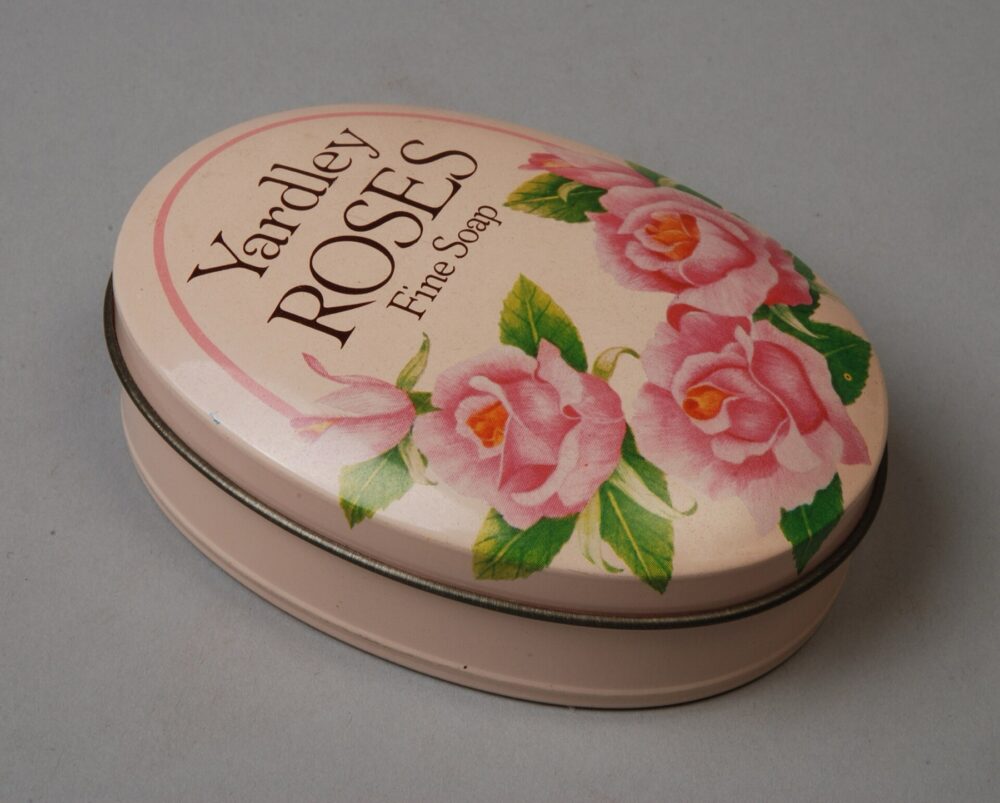
If you’re a small US retailer or ecommerce seller, your decision is less “where can I find any Yardley?” and more “which channel gives me safe, repeatable stock at a landed cost that still leaves margin?” Here’s how Yardley wholesale actually works and when DHgate and other cross-border routes make sense.
How Yardley Soap Wholesale Works for US Small Buyers
Yardley London is a long-standing British personal care brand known for classic scented soaps and toiletries, especially lavender and floral bars, distributed globally through wholesalers and mainstream retailers rather than direct small-business pallet sales. In practice, US small buyers encounter Yardley through intermediaries:
- Regional health and beauty wholesalers
- Online B2B distributors
- General marketplaces that support bulk lots
On US wholesale sites, Yardley bar soap is commonly sold in case packs targeted at resellers. For example, Mastervalue Wholesale lists Yardley London moisturizing bar soap in a case of 24 bars, and their bath & body section shows similar bulk packs of Yardley varieties. SupplyLeader positions Yardley bar soap specifically as a wholesale product with price breaks for bulk quantities. BlueStarEmpire lists Yardley-branded hand soap in bulk lots, again aimed squarely at resellers.
For planning, assume you’re buying cases of a few dozen bars per SKU and that the implicit minimum order quantity (MOQ) is one case. Larger platforms like pallet marketplaces may aggregate those into multi-case pallets, but most small operators start with case-level purchases to test demand.
From a supply chain perspective:
- Yardley produces and/or licenses production.
- Authorized distributors bring product into regional warehouses.
- Wholesalers and B2B marketplaces sell down in case or pallet lots to small stores and ecommerce sellers.
You’re almost always dealing with that last tier, so your leverage is in choosing which wholesaler and which marketplace, not in negotiating with Yardley itself.
Choosing Yardley Soap Suppliers: Authenticity, MOQs, and Communication
With brand-name soap, your biggest risks are inauthentic or old stock, and MOQs that don’t match your cash flow. Here’s how to make supplier vetting specific to Yardley.
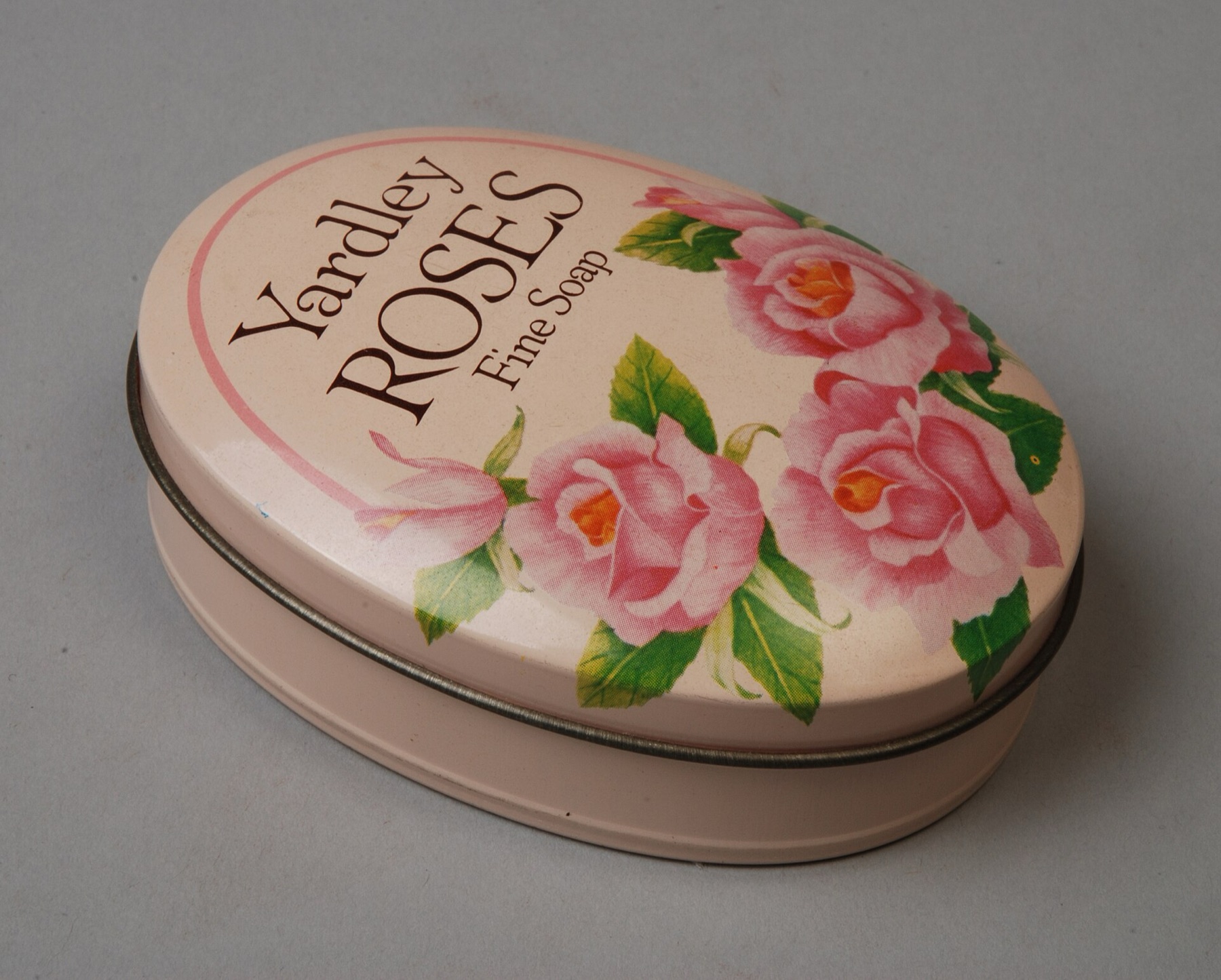
1. Anchor on realistic case sizes and MOQs
From current US examples:
- Expect Yardley bar soap cases around 20-24 bars per flavor on distributors such as Mastervalue and similar wholesalers.
- Some general wholesalers bundle more units (e.g., BlueStarEmpire’s Yardley hand soap bulk lots), which raises your effective MOQ.
Before you compare channels, decide your testing plan:
- Intro test: 1 case per scent to confirm demand.
- Core assortment: 3-5 scents, 1-2 cases each.
If a supplier won’t go below multi-case minimums for a single scent and you’re still probing demand, that’s a mismatch.
2. Check brand authenticity and condition
For any Yardley-labeled product:
- Ask for close-up photos of packaging on the actual stock: logos, fonts, ingredient list, bar weight, and any distribution/brand-owner text.
- Request visible batch / lot codes and expiry or best-before dates, especially for body wash and liquid soaps.
- Compare packaging against a known retail source (e.g., a single bar from a mainstream retailer) to spot obvious differences.
Grey-market doesn’t automatically mean fake, but if the seller can’t show clean, consistent packaging and current dates, walk away.
3. Use supplier history and channel context
On US wholesale sites such as SupplyLeader or Mastervalue, the whole business model is reselling brand-name health and beauty products in bulk. That context reduces some risk, but you should still:
- Look for multiple Yardley SKUs, not just a single odd lot.
- Check whether they list other mainstream brands in the same category (typical for full-line wholesalers).
On cross-border marketplaces (including DHgate, Alibaba, and Made-in-China), you’re often dealing with:
- Genuine Yardley imported or transshipped stock, or
- Yardley-style soaps (lavender, oatmeal & almond, floral bars) from unrelated manufacturers.
If you truly need Yardley-branded bars, treat any non-US or non-authorized channel as higher risk and be stricter on evidence.
4. Communicate before you commit
For any supplier — US wholesaler or cross-border marketplace seller — send a short, focused pre-order message:
- Confirm case size, total weight, and how many cases you must buy per SKU.
- Ask whether you can buy a single case as a sample order before committing to repeat purchases.
- Clarify whether the exact batch/packaging shown is what you’ll receive.
On marketplaces, this message also tests responsiveness. If they’re slow or evasive at the quoting stage, you probably don’t want them as a repeat supplier.
If you’re considering DHgate specifically, pairing that outreach with a structured supplier search helps. Internal tools like Find wholesale suppliers on DHgate, Find DHgate suppliers, and Choose a DHgate wholesale supplier can give you a process for shortlisting and vetting sellers.
DHgate vs Other Channels for Yardley Soap: Costs, Flexibility, and Fit
DHgate is a China-based B2B marketplace connecting global buyers with Chinese suppliers in many categories, including health and beauty. DHgate’s editorial blog describes the platform as friendly to small businesses, with low or no platform-wide MOQ and seller-set tiered pricing where bigger orders often get lower unit costs. That structure is different from classic US Yardley wholesalers, which tend to have fixed case sizes and implicit MOQs at the case or pallet level.
To decide where Yardley or Yardley-style soaps should come from for your business, think in terms of channel fit:
Channel comparison by MOQ and flexibility
Below is a simplified view based on public examples and editorial context:
| Channel type | Typical Yardley presence | MOQ / pack behavior | Best fit scenario |
|---|---|---|---|
| US Yardley-focused wholesalers | Yardley-branded bars and hand soaps in case lots | Case-level MOQs (often ~1 case per SKU) | You want authentic, branded stock with simple logistics. |
| Cross-border marketplace (DHgate) | Broad beauty/soap category, Yardley-style products | Seller-set MOQs; low or no platform-wide minimums | You want flexible quantities or non-branded alternatives. |
| Manufacturer-direct (Alibaba/Made-in-China) | Mostly non-Yardley soaps from OEM manufacturers | Higher MOQs, often many units per SKU | You want private label or large volumes at lower unit cost. |
This isn’t a price table — unit costs vary widely — but it captures how volume and control differ.
Mini-scenario: US wholesaler vs DHgate for a small soap launch
Imagine you run a US online shop and want to test classic bar soaps:
Option A: US Yardley wholesaler
- You buy one case of Yardley English Lavender (around two dozen bars) from a site like Mastervalue or SupplyLeader.
- You list a known brand with recognizable packaging, which can help conversion.
- Reordering is straightforward: buy more cases when the first one sells.
Option B: DHgate supplier (Yardley-style soap)
- You search DHgate’s health & beauty category for lavender bar soaps and find several Chinese manufacturers or traders.
- Many sellers allow small initial quantities, sometimes below traditional wholesale case sizes, thanks to seller-set MOQs and tiered pricing.
- You request samples, test scent, lather, and customer feedback.
- If it works, you scale up to higher tiers at lower unit pricing.
In Option A, you’re leveraging Yardley’s brand equity but accepting higher per-bar costs and less flexibility on pack size. In Option B, you get more volume control and potentially better margins but sacrifice the Yardley name and take on more product evaluation work.
When DHgate makes sense for a Yardley-focused business
DHgate is rarely the best choice if your business model requires authentic Yardley-branded bars and you want the least complexity — in that case, US distributors and pallet platforms with clear Yardley listings are usually more straightforward.
DHgate starts to make sense when:
- You’re open to selling Yardley-style soaps (lavender, oatmeal & almond, floral) without strict brand requirements.
- You need very small starting quantities or want to run many scent tests before committing to larger volumes.
- You’re comfortable doing your own quality checks on samples and packaging.
Because individual sellers set MOQs and price tiers on DHgate, always think in terms of landed cost:
- Unit price at the quantity you actually plan to order.
- Extra time and effort spent on sampling and vetting.
Run that same landed-cost calculation for US Yardley wholesalers. For many small US shops, the math looks like this:
- Branded Yardley via US wholesaler: higher unit cost, lower risk, faster onboarding.
If your audience specifically expects Yardley on the label, your primary wholesale sources should be Yardley distributors and US wholesalers that clearly show the brand and case packs. Keep DHgate in your toolkit for adjacent products and brand alternatives where its flexible MOQs and seller-set tiers are a genuine advantage.