
Wholesale access and networks are simply the ways you plug your business into suppliers who can sell in bulk. For a small US ecommerce brand, that network is a mix of online marketplaces (like DHgate and Alibaba), trade shows, directories, and direct factory relationships. DHgate is one of the easier on‑ramps: a China‑based B2B cross‑border marketplace with a very wide product range that’s well suited to low‑MOQ testing and opportunistic buys—not usually your only long‑term wholesale backbone.
How Wholesale Access and Networks Actually Work for Product Sourcing
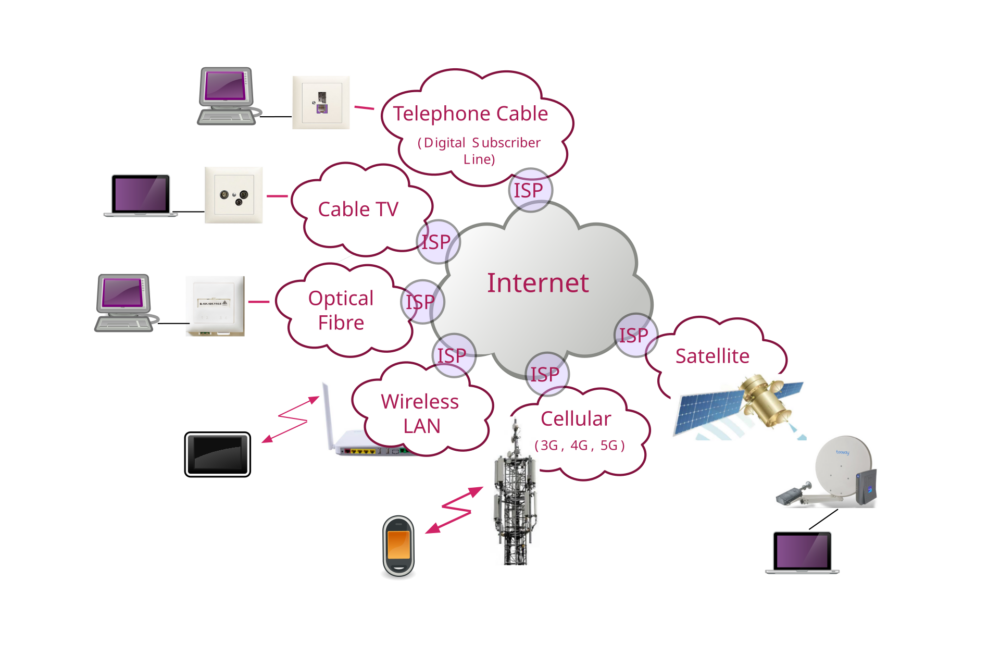
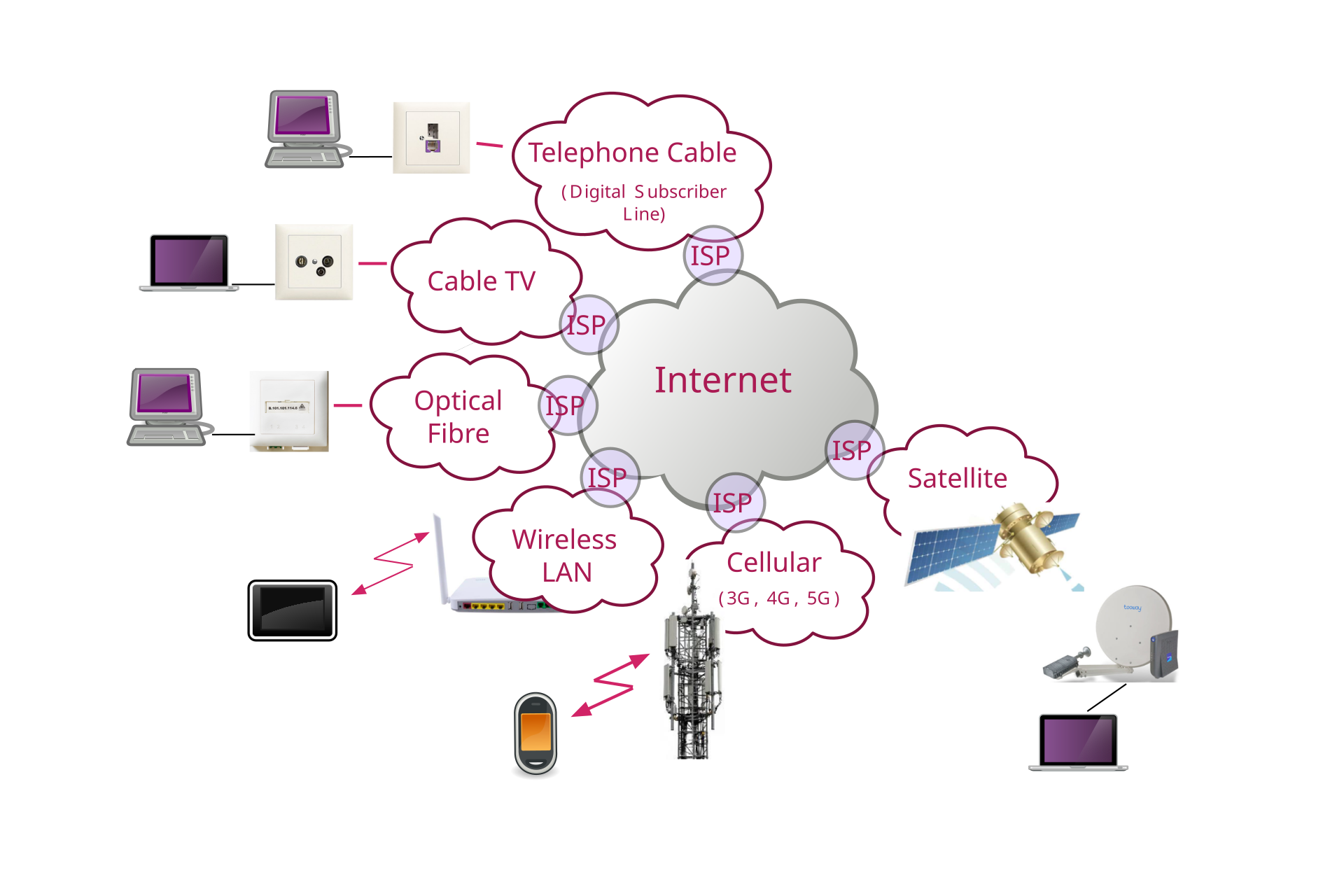
Think of wholesale access as “using someone else’s infrastructure instead of building your own.” In telecom, one company lets others ride on its fiber network. In product sourcing, platforms and intermediaries let you ride on their relationships, catalogs, and logistics instead of setting up offices in China or flying to every trade fair.
For a US buyer, your wholesale network usually combines:
- Marketplaces – DHgate and Alibaba are China‑based B2B platforms that connect global buyers to Chinese suppliers, aggregating large product catalogs and many sellers.
- Directories and professional supplier platforms – online catalogs or tools that list factories and wholesalers, sometimes with RFQ (quote request) features.
- Offline routes – trade shows, local wholesalers, buying groups, or industry reps.
You don’t have to choose one. The practical move is to treat these as overlapping routes: validate demand on retail marketplaces, use cross‑border platforms to find test suppliers, then deepen relationships off‑platform once you know which product and partner are worth betting on.
Using Wholesale Platforms to Find and Vet Suppliers
On any marketplace or directory, you’re doing four concrete jobs: finding candidates, checking evidence, testing product, and planning for repeat orders.
1. Search for suppliers who clearly handle wholesale
Filter and search for:
- Listings that mention bulk packs, cartons, or case quantities
- Product pages that show graduated pricing by quantity
- Sellers whose catalogs focus on one category you care about (e.g., phone accessories, pet gear), not random mixed goods
On DHgate, this usually means browsing category pages, then drilling into sellers with multiple similar SKUs and consistent descriptions. If you need more detail on how to run that search, the internal guide find wholesale suppliers on DHgate goes deeper into filters and patterns.
2. Read seller evidence, not just price
Instead of a generic “check reviews,” look for:
- How long the seller has been active on the platform
- Whether product descriptions are coherent and consistent across listings
- Photos that look shot from the same place/setup (signals a real operation, not scraped images)
- Clear statements on packaging type and order size (cartons, master cases, etc.)
On any marketplace, use multiple data points. A cheap price from a brand‑new seller with thin information is a very different risk profile from a mid‑range price from a supplier with a large, focused catalog.
3. Negotiate MOQ, samples, and quotes directly with the supplier
Most cross‑border marketplace suppliers expect some back‑and‑forth. Your first messages should be specific:
- The exact SKU or listing you’re interested in
- Your target test quantity (based on your budget and demand data)
- Whether you need a neutral sample or lightly customized sample before committing
For marketplaces specifically, internal articles like find DHgate suppliers and choose a DHgate wholesale supplier focus on the evidence signals you can see inside DHgate’s interface.
4. Plan repeat orders before you commit to a winner
Your test buy isn’t just “does the product look OK?” It’s also a stress test for:
- Communication speed and clarity
- The supplier’s ability to keep specs consistent across batches
- How they respond when you ask about scaling up quantities
Use that first experience to decide whether this seller should stay in the testing bucket (occasional opportunistic orders) or graduate into your core network through an off‑platform relationship or higher‑MOQ commitments.
Channel Roles: How DHgate, Alibaba, and Others Tend to Be Used
You won’t see official labels for these roles, but in practice small US buyers often treat channels roughly like this. The roles below are editorial impressions based on how these channels are typically used, not formal platform definitions.
| Channel type | Typical role for small US sellers | Editorial strengths | Editorial limitations |
|---|---|---|---|
| DHgate | Low‑MOQ testing, small bulk orders, opportunistic cross‑border buys | Widely used for trying new products in smaller runs | Often less suited to very large, custom runs |
| Alibaba (B2B site) | Higher‑volume sourcing, deeper factory‑level relationships | Commonly used to find manufacturers for bigger MOQs | Can be heavier to manage for tiny test runs |
| Trade shows | Relationship building, seeing product quality in person | Face‑to‑face trust and tactile product review | Travel cost; limited to show dates/locations |
| Local wholesalers | Fast replenishment, low operational friction | Shorter lead times and simpler logistics | Frequently higher per‑unit cost |
DHgate and Alibaba are both major China‑based B2B marketplaces connecting buyers worldwide with Chinese suppliers. That general marketplace role is described in DHgate’s own blog overview of wholesale buying on the platform, which positions DHgate as a cross‑border marketplace for wholesale products.Buy Wholesale Products – Beginner Guide
DHgateWiki’s editorial stance is that DHgate works best as a low‑MOQ testing and opportunistic‑buying channel: you probe demand with smaller orders, then when something clearly deserves scale, you may shift part of that SKU’s sourcing to higher‑MOQ channels or direct factory deals.
Where DHgate Fits Among Wholesale Channels for US Buyers
So when does DHgate specifically make sense in your sourcing mix?
Good fit scenarios
- Validating a new product type: You’ve seen strong demand on Amazon or Etsy for a style of pet accessory. You identify a few DHgate suppliers with similar items, place modest test orders, and use those units to measure real customer response before deciding whether to pursue larger, customized runs elsewhere.
- Opportunistic inventory fills: You run into a trending gadget where speed matters more than building a perfect long‑term supply chain. A DHgate seller with an acceptable spec and modest bulk quantity can cover a season or promotion while you search for a deeper partner.
Weaker fit scenarios
- Highly engineered or certified products: Industrial components, medical devices, or anything needing strict regulatory documentation usually demand closer factory relationships, audits, and formal contracts that go beyond marketplace messaging.
- Long‑term, high‑volume private label programs: Once you’re consistently moving large volumes of a custom product, many sellers and brands prefer to negotiate directly with factories (sometimes first found via Alibaba or a trade show) and build contracts, forecasts, and tooling plans that aren’t constrained by marketplace listing formats.
Used with that perspective, DHgate can be a practical part of your wholesale access network: useful for getting eyes and hands on product quickly, for experimenting, and for filling gaps; less suited to being the single pillar that carries your entire mature sourcing operation.
The decision isn’t “DHgate or everything else,” but “DHgate for which stage of this SKU’s life cycle, alongside which other channels?” Answer that question for each product, and your wholesale network becomes a flexible system instead of a single bet.