
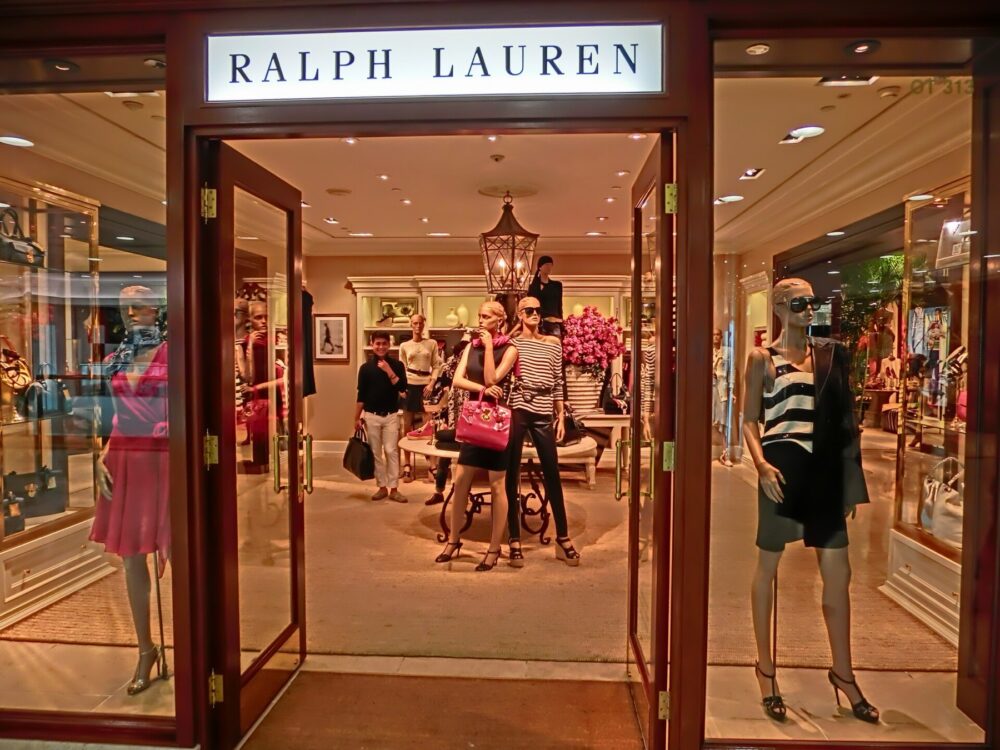
You generally can’t buy authentic Ralph Lauren clothing wholesale through DHgate or similar Chinese marketplaces. Those platforms are set up for bulk apparel, but in this category what you’re realistically sourcing is Ralph Lauren‑style or polo‑style clothing—unbranded or designer‑inspired pieces—rather than official product. If your business model depends on selling real Ralph Lauren with the pony logo, you’re looking at authorized channels and closeout deals, not DHgate. If you instead want the look and feel at lower price points, DHgate can be one of several cross‑border options as long as you treat listings as generic apparel and vet suppliers hard.
How Affordable “Ralph Lauren” Clothing Works in Wholesale Reality
For a U.S. reseller, there are two very different worlds here:
- Authentic Ralph Lauren: This is the branded product you see on the official Ralph Lauren site and in major department stores. The brand itself runs sale sections (for example, its men’s clothing sale page at Ralph Lauren), and big retailers like Macy’s discount Ralph Lauren lines as part of regular promotions. Those are retail and closeout paths; wholesale access usually requires buying from authorized distributors, off‑price liquidators, or brand‑approved channels, not open marketplaces.
- Ralph Lauren‑style apparel: These are pieces that mimic the core look—polo shirts, Oxford button‑downs, cable‑knit sweaters, and preppy chinos—but without the brand name or with very different labeling. Chinese manufacturers produce huge volumes of this kind of fashion, and platforms like DHgate host many suppliers who sell these in bulk at wholesale‑friendly prices according to the platform’s own editorial blog.
For legal and brand‑risk reasons, you should assume that a listing claiming to be “cheap Ralph Lauren” on an open marketplace is either unauthorized or problematic. That doesn’t automatically mean low quality, but reselling it in the U.S. as Ralph Lauren can expose you to trademark and authenticity issues.
So the realistic strategies are:
- If you must sell real Ralph Lauren: hunt official sales, off‑price retailers, and perhaps liquidation or overstock deals; accept higher unit costs and lower volume.
- If you want affordable Ralph Lauren‑style fashion: source unbranded or clearly non‑Ralph essentials from cross‑border suppliers, and position them as your own line—not as Ralph Lauren.
Choosing Cross‑Border Suppliers for Ralph Lauren‑Style Apparel
If you decide to build your own preppy or polo‑style line via DHgate or similar marketplaces, the supplier choice is where you either protect or destroy your margins.
DHgate’s own editorial content describes it as a large Chinese B2B marketplace connecting global buyers with many clothing suppliers at wholesale‑friendly prices, and specifically mentions that you can buy clothes in bulk for resale. That’s the broad opportunity; the practical work is in sorting good apparel makers from bad fits.
Here’s a targeted way to vet sellers for Ralph Lauren‑style pieces:
- Search as if you’re buying blanks, not brands.
Use queries like “pique polo shirt bulk,” “cotton button‑down shirt manufacturer,” or “preppy knit sweater wholesale.” If a listing pushes brand logos or uses trademarked names in the title, that’s a sign to back away if you want a clean, low‑risk operation.
- Inspect fabric and construction details in the listing.
A good polo‑style supplier will specify things like fabric weight (pique vs jersey), fiber blend (100% cotton vs cotton/poly), collar construction, and size grading. Lack of detail is a clue that you’ll need a sample before trusting a larger order.
- Use samples strategically.
The most consistent advice across apparel sourcing is: never approve a bulk order without seeing physical samples first. Order 2-4 units across sizes and colors. When they arrive, check:
- Shrinkage after one wash
- Collar and placket integrity
- Stitch density and hem quality
- Colorfastness
If you’re building a brand, this is non‑negotiable.
- Look for repeatable line potential.
Ask the supplier whether the polo you’re sampling is part of a broader line—e.g., same fabric available in long‑sleeve, women’s cuts, or kids’ sizes. That lets you build a cohesive “Ralph Lauren‑style” collection without juggling many factories.
- Ask business‑specific questions, not generic ones.
Instead of “Are you reliable?”, ask:
- What is your usual MOQ for reorders on this SKU?
- How often do you change fabric sources or colors?
- Can you supply these without any brand logos, or with my own small chest logo?
For DHgate specifically, it can help to combine this with platform‑level supplier searches and filters, which we cover in more detail in guides like Find DHgate suppliers and Choose a DHgate wholesale supplier. The goal is to treat the marketplace as a directory of factories—not as a shortcut to brand‑name inventory.
MOQ, Pricing and DHgate vs Other Channels for Polo‑Style Clothing
Wholesale apparel economics are simple at the top level: you get better pricing by buying more units. DHgate’s editorial blog frames online wholesale marketplaces as a convenient way for small merchants to buy bulk goods at reduced prices, and notes that buying in bulk is how sellers keep retail apparel prices competitive.
For Ralph Lauren‑style polos, your decision is usually between:
| Sourcing path | What you actually get | Typical use case |
|---|---|---|
| Official Ralph Lauren sales | Authentic branded product on sale or clearance | Boutique or resale buyers who accept higher unit cost and limited sizes |
| U.S. off‑price retailers (e.g., Macy’s, 6pm) | Discounted authentic lines like Lauren Ralph Lauren | Small resellers flipping limited quantities or building curated bundles |
| DHgate / similar marketplaces | Unbranded or designer‑inspired polo‑style apparel from Chinese manufacturers | Private‑label or house‑brand sellers needing low cost and flexible MOQs |
Official channels like Ralph Lauren’s sale section and department stores such as Macy’s Ralph Lauren pages or discount sites like 6pm’s Lauren Ralph Lauren selection are strong if you only need dozens of pieces and want the real brand. They’re weaker if you need hundreds of units with consistent fits, no brand overlap, and room for your own logo.
On a marketplace like DHgate, the trade‑offs look like this in practice:
- MOQ (minimum order quantity): Many clothing suppliers on DHgate are set up to sell in bulk, and the platform’s blog emphasizes that buyers who purchase in larger quantities enjoy wholesale prices. MOQs can be negotiable, especially if you’re willing to pay slightly more per unit for a test run.
- Consistency and repeat orders: Once you find a supplier whose sample quality matches your expectations, you’re buying into their fabric sourcing and production schedule. Ask about how long they can keep the same fabric and cut available; that affects whether you can keep a “signature” polo in stock season after season.
A simple way to think about cost:
- Buying 20 authentic Ralph Lauren polos during a U.S. sale might still leave you with a relatively high unit cost, but minimal sourcing complexity.
If your brand story relies heavily on the Ralph Lauren name, DHgate is not the right channel. If your story is about “preppy style at a better price,” sourcing unbranded equivalents on DHgate and similar marketplaces can make sense.
A simple first‑order playbook on DHgate
For a small U.S. apparel seller testing Ralph Lauren‑style sourcing:
- Use DHgate search terms like “pique polo shirt bulk” and shortlist 3-5 suppliers whose listings show fabric and sizing details.
- Order small samples from each—ideally a couple of sizes and colors—and compare them side by side.
- Pick one supplier whose quality, communication, and size grading match your target customer.
- Negotiate a modest first bulk order that still counts as “wholesale” but doesn’t over‑commit your cash.
- Track your true landed cost per unit (product + freight + any duties) and compare it to what your market will realistically pay.
If those numbers only work when you pretend the product is authentic Ralph Lauren, you don’t have a sustainable or safe model. If they work while honestly labeling your goods as your own brand, DHgate‑style sourcing can be part of a long‑term apparel strategy.
For deeper marketplace‑specific tactics, you can expand into tools like Find wholesale suppliers on DHgate once you’ve decided that Ralph Lauren‑style, not Ralph Lauren‑branded, is your path.