
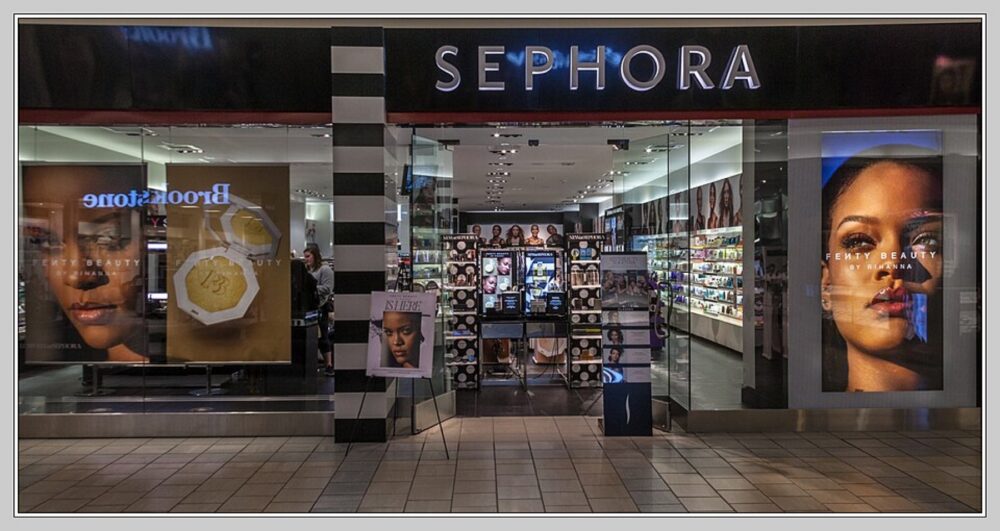
Authentic Fenty Beauty wholesale for small US sellers usually comes through cosmetics distributors and specialized platforms, not random marketplace listings. As a reseller, you’ll generally be buying Fenty in bulk from distributors that advertise the brand—such as Qogita, Cosviax, Kauffritz, ClearBrand Distribution, or BulkCosmeticBeauty—and then layering your margin on top. Open marketplaces like DHgate are better treated as sources for generic or non‑flagship beauty products; they should not be assumed to offer authentic Fenty unless you can verify the supply chain in detail.
How Fenty Beauty Wholesale Actually Works for Small US Sellers
“Fenty Beauty wholesale” simply means buying Fenty products in bulk at a discount to resell them. Fenty Beauty itself is a global cosmetics brand launched by Rihanna in partnership with LVMH’s Kendo division, known for its inclusive shade ranges in foundations, concealers, and color products.
For a small US retailer, you’re unlikely to open a direct brand account with Fenty or LVMH. Instead, you plug into one of three practical routes:
- Structured multi-brand distributors that carry Fenty alongside other prestige brands.
- Online wholesale platforms and aggregators that list Fenty SKUs from a network of suppliers.
- Secondary or surplus wholesalers that specialize in excess, closeout, or overstock branded cosmetics.
Examples of platforms and distributors that publicly list Fenty Beauty for wholesale include Qogita, Cosviax, Kauffritz, ClearBrand Distribution, and BulkCosmeticBeauty. Each positions itself slightly differently—some as pan‑European B2B platforms, some as brand‑focused distributors—but in all cases, you’re buying Fenty as one brand within a larger catalog, not directly from Fenty Beauty.
The practical takeaway: if you’re a small US e‑commerce seller, your Fenty sourcing strategy is mostly about finding the right intermediaries and then proving their stock is legitimate, not hunting for a “secret” direct Fenty wholesale account.
Choosing Legit Fenty Beauty Wholesale Suppliers vs. Risky Sources
For branded cosmetics, authenticity and traceability matter more than shaving a few cents off unit cost. You should separate structured distributors that treat Fenty as a long‑term line from opportunistic offers that could be high‑risk.
What credible Fenty distributors usually look like
Distributors and platforms that seriously trade Fenty typically share some traits:
- Brand‑level catalog pages. Qogita, for example, has a dedicated Fenty Beauty brand page. Cosviax and Kauffritz do the same. That suggests the brand is part of an ongoing range, not a one‑off pallet.
- Clear B2B positioning. Sites such as ClearBrand Distribution and BulkCosmeticBeauty talk explicitly about wholesale, bulk, and business customers, not consumer flash sales.
- Business footprint you can verify. You can usually find a legal entity, address, and contact details, and cross‑check them against business registries or industry directories.
Before you wire money, ask for:
- Invoices that show their upstream supplier or at least their legal business name.
- Batch or lot numbers and expiry dates for skin‑contact products.
- Photos of actual packaging, including barcodes, ingredient lists, and safety seals.
You’re not trying to become an investigator—you’re just making sure this distributor looks like a real link in a legitimate chain.
Marketplace listings and the counterfeit risk pattern
Open marketplaces (including DHgate and similar platforms) work very differently: each listing is controlled by an individual seller, and reliability depends on that seller’s business practices. Editorial descriptions of DHgate underline that its prices and quality vary by seller, and buyers usually rely on ratings, reviews, and direct communication to reduce the risk of counterfeit or low‑quality goods.
For Fenty specifically, that structure is a problem:
- You rarely get clear visibility into where the seller sourced Fenty—authorized channel, surplus, or something else.
- Extremely low prices on prestige brands are hard to reconcile with normal wholesale economics.
- Listings can come and go quickly, making it harder to build a stable replenishment plan.
Treat marketplace Fenty offers as high‑risk by default. If you ever consider them, only proceed if the seller can give credible invoices or documentation that align with how Fenty is distributed in your region, and be prepared to walk away if anything feels inconsistent.
Quick supplier vetting checklist (Fenty-specific)
When a potential supplier says they have Fenty Beauty wholesale available, run through this short, Fenty‑focused checklist:
- Do they have a brand page for Fenty in their catalog, or just a single random SKU?
- Can they provide batch numbers and expiry dates for complexion products?
- Is their business identity (company name, address, tax ID) easy to verify online?
- Are their prices plausible compared with other Fenty wholesalers—not dramatically below everyone else?
- Will they commit to consistent packaging and shade codes across repeat orders?
If you can’t get good answers on two or three of these, treat that supplier as a short‑term experiment at best—or pass entirely.
Pricing, MOQs, and Channel Tradeoffs: Authorized-Style Distributors, DHgate, and Other Options
How Fenty-focused distributors tend to price and structure orders
While exact prices vary, structured Fenty wholesalers commonly use tiered discounts and MOQs that reward commitment:
- Tiered discounts by quantity. Platforms such as Qogita and Cosviax highlight wholesale and bulk buying, which usually means better discounts if you take full cases or mixed‑shade bundles rather than single units.
- Brand or category MOQs. A Fenty page might require a minimum spend or quantity, but allow you to mix SKUs (e.g., different foundations and lip products) within Fenty.
- Standard cosmetic logistics. Expect carton‑based shipping, pallet options for larger orders, and batch‑level documentation. Lead times depend on warehouse location, but the model is built for repeat B2B orders.
Here’s a simple way to think about your choices:
| Channel type | Typical role for Fenty | Strengths for small sellers | Main risks/tradeoffs |
|---|---|---|---|
| Fenty-focused distributors | Core source of Fenty inventory | Brand pages, B2B focus, structured catalogs | Higher MOQs, need more serious documentation |
| General cosmetics wholesalers | Mix of Fenty + other brands | Easier to build baskets across brands | Fenty availability can be patchy or seasonal |
| Marketplaces (e.g., Cross-border multi-seller) | Usually not for Fenty | Very low prices on generic beauty products | Seller-dependent quality; Fenty authenticity hard to prove |
The practical move for a small US reseller is usually:
- Use Fenty-focused or general cosmetics distributors for any inventory that carries the Fenty name.
Where DHgate actually fits in a Fenty reseller’s mix
DHgate is described editorially as an international B2B marketplace connecting mostly Chinese suppliers with global buyers, with a strong emphasis on low wholesale prices and tiered bulk discounts across categories including health and beauty. That makes it attractive for stocking lower‑risk beauty inventory: generic brushes, sponges, organizers, and non‑branded items that complement Fenty in your store without pretending to be Fenty products.
If you use DHgate for that role:
- Search for wholesale‑marked listings and discuss volume discounts directly with sellers.
- Focus on non‑branded or clearly private‑label items, where the main risk is quality, not trademark or brand damage.
- Apply careful seller vetting—using ratings, reviews, and detailed listing info—as your main defense, since reliability is seller‑dependent.
For anything that actually uses the Fenty name, stick to cosmetics distributors and wholesale platforms that treat Fenty as a defined catalog brand and can support you with traceable stock. That separation—Fenty through vetted distributors, generic beauty through marketplaces—keeps your margins strong without putting your reputation on the line for a few dollars saved per unit.
If you later want to deepen your marketplace sourcing, you can also look at channel‑specific guidance such as finding wholesale suppliers on DHgate, finding DHgate suppliers, and choosing a DHgate wholesale supplier—but keep Fenty itself in the distributor lane.