
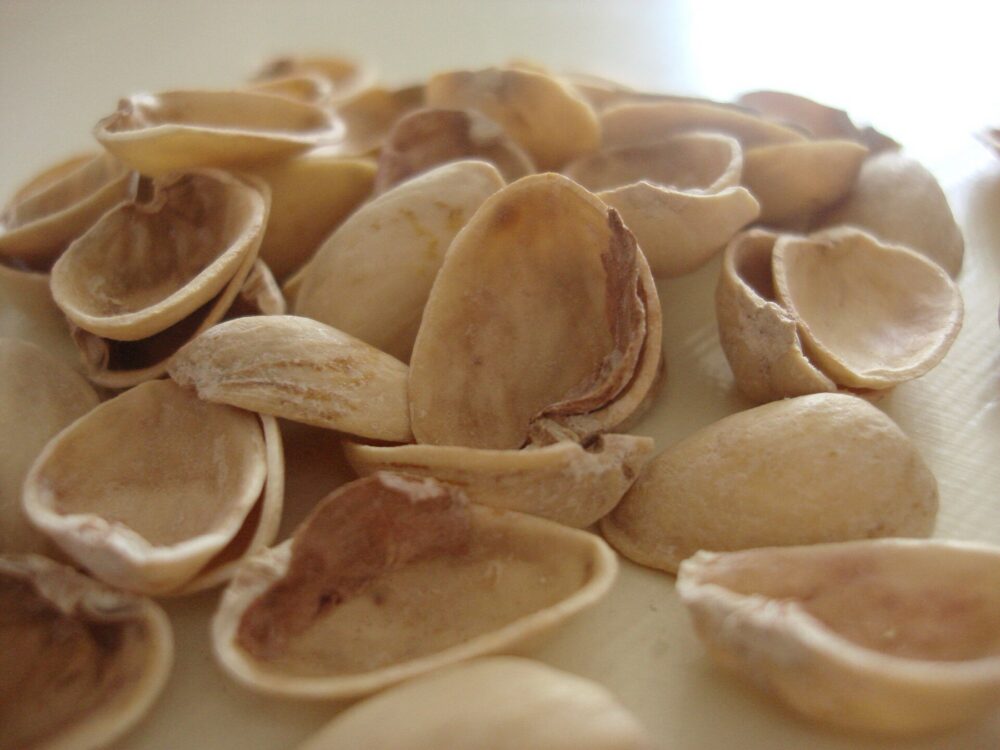
Pistachio shells can be a surprisingly useful raw material: crafters turn them into floral art and mosaics, small brands bag them in DIY kits, and gardeners use them for drainage and mulch. If you’re in Canada and want bulk pistachio shells for crafts or garden products, your most realistic sources are craft marketplaces, local nut processors or roasters, and a few cross-border shell suppliers. The right route depends on how clean and consistent the shells must be, how much volume you need, and how much logistics complexity you’re willing to take on.
Pistachio Shells in Bulk: What They’re Used For and Who Supplies Them
Pistachio shells are the hard husks around the nut, made mostly of cellulose and lignin. Editorial sites like Biology Insights and Rural Sprout describe common reuse ideas: crushed shells as a surface mulch, a drainage layer in pots, or a textural filler in planters. They’re not a fertilizer in themselves, but they’re a lightweight way to add structure.
Craft-focused sources go further. Guides on Cradiori and Pinterest boards such as “pistachio shells craft” show pistachio shells painted and glued into flower petals, mandala-style mosaics, vase fillers and ornament bases. That gives you two broad commercial uses:
- Decorative crafts and kits – you might sell bags of cleaned shells, finished art pieces, or kids’ craft packs.
- Garden and home products – shells as a decorative top layer in plant pots or a drainage/mulch component.
Those uses shape the supply chain:
- For craft-grade shells, suppliers are usually small sellers who collect and clean household shells, or craft businesses that buy from local food processors and repackage.
- For garden-grade shells, the most direct source is the pistachio or mixed-nut processor creating shells as a byproduct; some garden shops and zero-waste stores may also buy and re-bag them.
Before you chase suppliers, decide which grade you need. A kids’ craft kit needs shells that look appealing and are thoroughly cleaned; a mulch product can tolerate more variation and minor discoloration.
Choosing and Vetting Pistachio Shell Suppliers for Craft and Garden Products
Craft marketplaces make it obvious that pistachio shells are a niche craft material. Sellers on platforms like Etsy offer “cleaned pistachio shells for arts & crafts, bulk DIY supplies” sold by weight for vase fillers and handmade projects, as seen in Canadian listings such as this craft shell offer. Those small sellers are one route, but they’re not all equal.
If you’re buying for resale or production rather than a one-off project, focus your supplier vetting on a few pistachio‑specific points:
1. Cleaning and handling standards
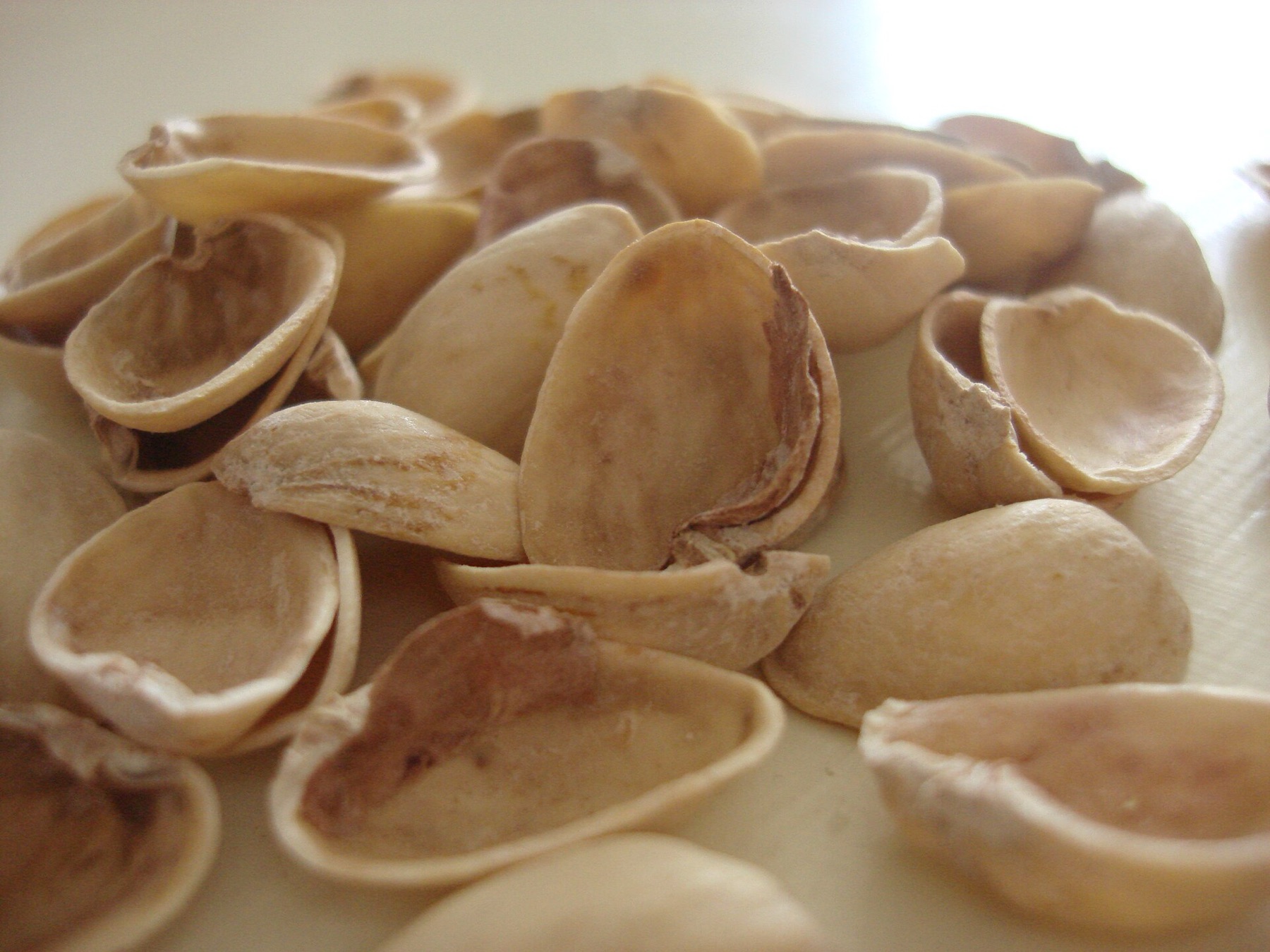
Ask exactly how the shells are cleaned. For craft or garden use you typically want shells that have been rinsed to remove salt and seasoning, and dried thoroughly so they don’t mold in storage. Request clear photos of the raw shells (close-up and in bulk) and, if possible, a small test batch before you commit to a larger order.
Red flags:
- Noticeable oil, seasoning residue or strong odor on arrival
- Mixed materials (bits of nut meat, other shell types, or foreign debris)
- Inconsistent color you couldn’t disguise with paint or dye in your product
2. Size, shape and breakage
Craft projects need shells with fairly predictable shape: many Pinterest examples use intact halves to form flower petals or mosaics. When you contact a seller or processor, specify whether you need mostly whole shell halves, or you’re fine with chips and fragments for mulch.
Practical questions:
- Rough percentage of whole shells vs. broken pieces
- Any sorting by size or color
- Whether they can remove empty shells that never opened (common in pistachios)
3. Source and capacity
For a small Canadian ecommerce brand, capacity matters more than it seems. A hobby seller who eats pistachios at home may be able to ship a few hundred grams at a time, but not fill repeated 10 kg orders. Larger supply is more likely to come from:
- Local roasters or mixed-nut packers who de-shell pistachios at scale
- Food processors who may be willing to sell shells as a low-value byproduct
When reaching out, be specific about your expected monthly or seasonal volume. Ask whether shells are available continuously or only at certain times of year.
4. Packaging and transport
Loose shells are light but bulky. Poor packaging risks crush damage and contamination.
For domestic Canadian shipments, you’ll usually see:
- Heavy paper bags or boxes lined with plastic
- Labeling that keeps shells clearly separated from food products
Agree on packaging before ordering. If you plan to resell in consumer packs, ask if the supplier can ship in larger sacks you’ll re-bag, or if they insist on retail-style parcels.
Inline buyer checklist: what to clarify in your first message
When you message an Etsy seller, a local processor, or a shell supplier, cover these points:
- Intended use (craft vs. garden) and whether shells will be painted or left natural
- Minimum acceptable cleaning (unsalted, rinsed, fully dried)
- Preference for whole shells vs. crushed
- Target volume per order and how often you’ll reorder
- Packaging type and whether they can keep food and non-food materials separate
Keeping the conversation this specific reduces the risk of receiving a box of salty snack waste that doesn’t match your product concept.
Order Sizes, Pricing, and Best Channels for Cross-Border Pistachio Shell Sourcing
Pistachio shells are cheap per kilogram but expensive per cubic foot of shipping space. That’s the central cost driver: you’re paying carriers to move mostly air. As a Canadian buyer, that changes which channel makes sense.
How volume and specs change the best channel
Here’s a compact view of how different sourcing routes fit typical pistachio shell projects:
| Use case / buyer type | Typical volume per order | Best-fit channel | Why it fits |
|---|---|---|---|
| Individual crafter or very small Etsy seller | A few hundred grams to 1-2 kg | Craft marketplaces (Etsy, similar) | Easy access to cleaned, decorative-grade shells with low commitments |
| Small ecommerce brand selling craft kits | 5-20 kg per batch | Local processors or roasters | Lower per-kg cost, potential ongoing byproduct supply |
| Garden products (mulch, pot drainage layer) | 20+ kg, possibly pallets | Food processors / waste handlers | Continuous high-volume shell stream, less need for perfect aesthetics |
| Mixed natural-shell decor (not pistachio-only) | 1-10 kg boxes | Cross-border shell marketplaces | Access to diverse shell types for decor, if specs are flexible |
For low-volume, high-aesthetic craft projects, craft marketplaces are practical. Listings like this Canadian craft-shell offer or UK bulk craft shells show sellers already cleaning and sorting shells for decorative use. You pay more per gram than dealing directly with a processor, but you avoid having to invent your own cleaning and sorting processes.
For higher volumes, especially if you’re building a brand around pistachio shells, contacting processors is usually more economical. You’ll likely need to:
- Accept a more industrial packaging format (sacks or large boxes)
- Do some extra cleaning or sorting yourself
- Arrange freight that makes sense for bulky goods within Canada
Cost and logistics callout: light, bulky materials
Even cross-border parcel carriers charge by whichever is higher: actual weight or dimensional weight. A big box of shells may be rated like a heavier parcel because of its size. As volume climbs, shipping cost can erase any savings from a very low shell price, especially on international routes.
That’s where regional sourcing often beats overseas purchasing: you’re not moving shells across oceans only to sell them as a low-margin craft base or garden filler.
Where DHgate and other cross-border marketplaces can be relevant
For pistachio shells specifically, cross-border platforms are not a dominant source. However, some sellers on DHgate list bulk natural shell materials, such as boxed spiral sea shells for crafts and aquarium decor (example listing, snapshot as of 2026-10-09). That shows you can find similar natural shell supplies—useful if your product can use mixed shells or you want to prototype a broader shell decor line.
If you explore DHgate or comparable marketplaces for shell materials:
- Treat each listing as a separate business decision: review photos carefully, message the seller about cleaning and sorting, and confirm packaging.
For readers who decide that route might be worth testing, you can learn more about vetting individual DHgate suppliers from guides like Find wholesale suppliers on DHgate and Choose a DHgate wholesale supplier.
A practical Canadian scenario: craft kits vs. processors
Imagine a small Canadian brand selling kids’ “painted pistachio flower” craft kits.
- You start by buying a few 8 oz–style packs from Etsy craft-shell sellers to prototype your kit and test shell quality. Shipping is modest and you get ready-to-use shells.
- Once you know your monthly sales potential, you approach a local nut roaster, explain that you need unsalted pistachio shells in 10-20 kg batches, and outline your cleaning requirements. You negotiate a low per-kilo price because shells are a byproduct to them.
- You then invest in simple rinsing/drying and sorting in-house to reach craft-grade quality, repack shells into small branded bags, and reserve craft marketplace purchases for occasional specialty colors or shapes.
In this scenario, pistachio shells move from upcycled snack waste to a core material in a product line—but only because the sourcing route matches volume and logistics realities. Use that lens for your own project: start with the channel that fits your current scale, but design a path that becomes more efficient if your pistachio-shell product takes off.