
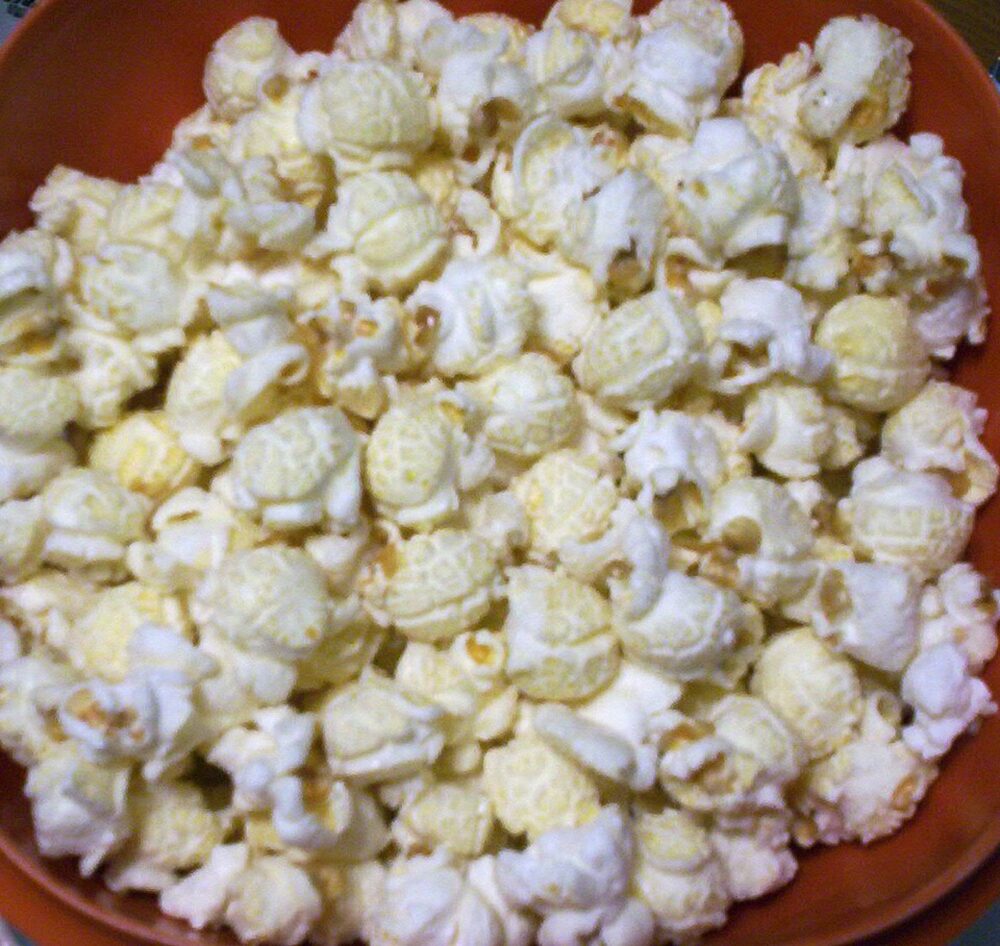
If you run a kettle corn stand, food truck, or small snack brand in the U.S., you can buy wholesale kettle corn bags from three main places: concession/packaging wholesalers, specialized packaging manufacturers, and online marketplaces. U.S. wholesalers such as Beach Cities, Parkes Plastics, and Polybag LLC typically sell plain or “Hand Popped Kettle Corn” printed poly bags in cases of about 1,000, in sizes around 8″ x 15″ and light gauges suited to event-style portions. Custom flexible packaging makers like Friesen Plastics can produce your own branded bag sizes and prints, while brands like Gold Medal sell ready-to-eat kettle corn in sealed Mylar bags if you want to buy product plus packaging together. Your best route depends on whether you’re mainly buying packaging, finished kettle corn, or building a private-label brand with custom artwork.
How Wholesale Kettle Corn Packaging Works for Small Sellers
In the kettle corn world, “packaging” usually means clear plastic bags designed for sweet-and-salty popcorn that’s scooped fresh at fairs and events, or prefilled bags used by snack brands. For a typical kettle corn stand, the base option is an unprinted LDPE or poly bag sold in bulk cases. A Beach Cities Wholesalers listing shows a plain 8″ x 15″ bag at about 1.5 mil thickness, packed 1,000 per case, which is a common profile for concession operators buying simple serving bags in volume.Source
Specialized sites like Polybag LLC and Parkes Plastics focus heavily on kettle corn and popcorn packaging. Their ranges typically include:
- Clear poly bags for scooped kettle corn
- Printed bags with phrases like “Hand Popped Kettle Corn”
- Different sizes for small snack portions up to large shareable bags
- Sometimes cone-shaped or cello-style bags for gifting or upscale presentation
That gives small sellers a fairly simple supply chain: mass-produced bags made by plastics manufacturers, stocked by concession and packaging wholesalers, and sold to you in case quantities.
There’s a second branch of the supply chain that’s product plus packaging. Gold Medal’s Gourmet Popcorn division sells premium bulk kettle corn packed in sealed Mylar bags intended for serving, portioning, or repackaging.Source In this model, you’re not buying “empty bags”; you’re buying finished kettle corn in branded packaging that you can sell as-is or portion into your own bags.
Finally, flexible packaging manufacturers such as Friesen Plastics produce custom popcorn and kettle corn bags. They’re upstream of concession wholesalers and can tweak film type, bag dimensions, and printing to fit everything from small snack pouches to larger retail bags. You’re closer to the manufacturing end of the supply chain here, which unlocks custom branding but usually expects higher minimums and longer lead times than stocking standard bags.
Choosing and Vetting Kettle Corn Bag Suppliers
Once you know whether you need plain bags, printed branding, or finished kettle corn, the next step is matching a supplier type to your business size and vetting the fit.
1. Match bag specs to your sales model
For event and concession stands, you’re typically scooping hot kettle corn into bags right at the booth. Here you want:
- Material: LDPE or similar food-contact plastic suitable for direct contact with popcorn.
- Gauge (thickness): Around 1.5 mil is a common light-duty thickness for short-lived event bags, as shown on the Beach Cities product page.Source
- Dimensions: Roughly 8″ x 15″ fits a generous individual or small shareable portion. Larger or cone bags work if you sell “family” or gift sizes.
If you’re selling shelf-stable retail bags or shipping e-commerce orders, the requirements shift toward stronger films, better seals, and more oxygen/moisture protection. That’s where custom manufacturers like Friesen or prefilled Mylar bags from Gold Medal are more relevant.
2. Decide between plain, stock printed, and fully custom
You have three practical options:
- Plain unprinted bags from concession wholesalers (Beach Cities, CJ Dannemiller, Interplas, etc.) are usually cheapest and easiest to restock. You add branding via stick-on labels, tent cards, or signage.
- Stock printed kettle corn bags from companies like Polybag LLC and Parkes Plastics give you themed designs (“Hand Popped Kettle Corn” and similar) with no design work on your side. This works well for farmers’ markets or fundraisers that want a polished look without custom art.
- Fully custom printed bags from flexible packaging manufacturers like Friesen Plastics are best if you’re building a brand with a logo, nutrition panel, and UPC. Expect to provide vector artwork, agree on film structure, and accept a manufacturer’s minimum run.
Editorially, small stands and pop-up concessions usually start with plain or stock printed bags, then move to fully custom once they have predictable volume and a stable recipe.
3. Vet suppliers with kettle-corn-specific questions
Avoid generic “looks fine” checks and focus on details that matter for kettle corn:
- Bag specs are published: Look for dimensions, gauge, material, and case count on the product page (e.g., Polybag’s listing shows bag gauge and case quantity for kettle corn bags). If any of these are vague, you’ll need to ask.
- Food-contact suitability: Confirm the material is appropriate for direct contact with food. Sellers often label products as “food-grade” or describe typical use (popcorn, cotton candy). Don’t assume compliance; request written confirmation and, if you’re pursuing retail distribution, talk to a food packaging consultant or your local inspector.
- Print options and artwork process: For custom work, ask how many colors are supported, what file formats they need, and who owns the plate or cylinder if you switch suppliers later.
- Use-case references: Many suppliers call out kettle corn, popcorn, cotton candy, or snacks specifically. Pages like Polybag’s kettle corn bags collection and Parkes’ kettle corn bag lineup are good clues that the product is designed for your use rather than repurposed generic poly bags.SourceSource
Red flags for small kettle corn businesses include sellers who can’t confirm food-contact suitability, won’t share basic specs, or pressure you into high, inflexible minimums before you’ve validated size and material.
Pricing, Case Sizes, and Best Channels for Bulk Kettle Corn Bags
Pricing and minimums vary widely, but there are patterns you can use to choose the right channel.
Typical case sizes and wholesale patterns
Across multiple U.S. concession and packaging sites, kettle corn and popcorn bags are commonly sold in cases around 1,000 units. Beach Cities’ 8″ x 15″ unprinted 1.5 mil bag is offered in a 1,000-count case,Source and Polybag’s kettle corn bags are described as being packed 1,000 bags per case as well.Source That’s a good baseline for planning inventory on a busy season.
Specialty flexible packaging manufacturers don’t always advertise case counts in retail terms; they may discuss runs in terms of linear feet of film or print cycles, reinforcing that their sweet spot is larger, brand-building orders rather than occasional farmers’ market events.
Ready-to-eat kettle corn suppliers, like Gold Medal’s Gourmet Popcorn division, think in pounds or finished bags instead of empty bag counts. Gold Medal’s bulk kettle corn is packed in individually sealed Mylar bags intended for serving, portioning, or repackaging by concession operators.Source That model fits operations that want consistency and convenience over cooking everything onsite.
Here’s a simple way to think about channels:
| Channel type | What you actually buy | Typical fit for small sellers |
|---|---|---|
| U.S. concession/packaging wholesaler | Plain or stock-printed poly bags in 1,000-count cases | Stands, fairs, fundraisers needing basic bags fast |
| Specialized kettle corn bag brands | Branded kettle corn designs, often 1,000-count cases | Event sellers wanting a themed look without custom art |
| Custom flexible packaging manufacturer | Tailored film, custom sizes, and bespoke printing | Growing snack brands investing in retail packaging |
| Bulk kettle corn producers (Gold Medal, Maw N Paw, etc.) | Ready-to-eat kettle corn in Mylar or large party bags | Operators prioritizing convenience over on-site cooking |
| General marketplaces (Amazon) | Mixed brands and bag styles, various pack sizes | Fast experiments, small test runs, emergency restocks |
For cost planning, treat standard 1,000-count cases as your starting unit and compare per-bag cost across channels, then overlay freight and storage realities. For custom runs, think in projects rather than cases: one print run might cover months of sales but ties up more cash and requires careful spec work up front.
Where marketplaces, including DHgate, might fit
Online marketplaces give you reach beyond your local distributor, but they also add complexity.
- Amazon: The Amazon search page for “kettle corn bags” shows various bag styles and pack sizes from multiple brands.Source This is useful if you need bags quickly, want to test a new size, or prefer small packs before stepping up to full 1,000-count cases. The trade-off is less transparency on where and how the bags are manufactured.
If you do decide to explore a cross-border route, it can help to start by learning how to evaluate marketplace suppliers generally. DHgateWiki has practical guides on how to find wholesale suppliers on DHgate, find DHgate suppliers, and choose a DHgate wholesale supplier. Use those principles alongside the kettle-corn-specific questions in this article so you’re checking both platform-level signals and packaging details.
For most small U.S. kettle corn operations, a practical path is:
- Start with domestic concession wholesalers or specialized kettle corn bag brands for plain or stock printed bags in manageable cases.
- Layer in bulk ready-to-eat kettle corn if your production capacity is limited and your focus is sales and events.
- Consider custom flexible packaging or cross-border marketplaces only once you’ve validated demand, dialed in your bag specs, and are ready to manage artwork, documentation, and longer supply chains.