
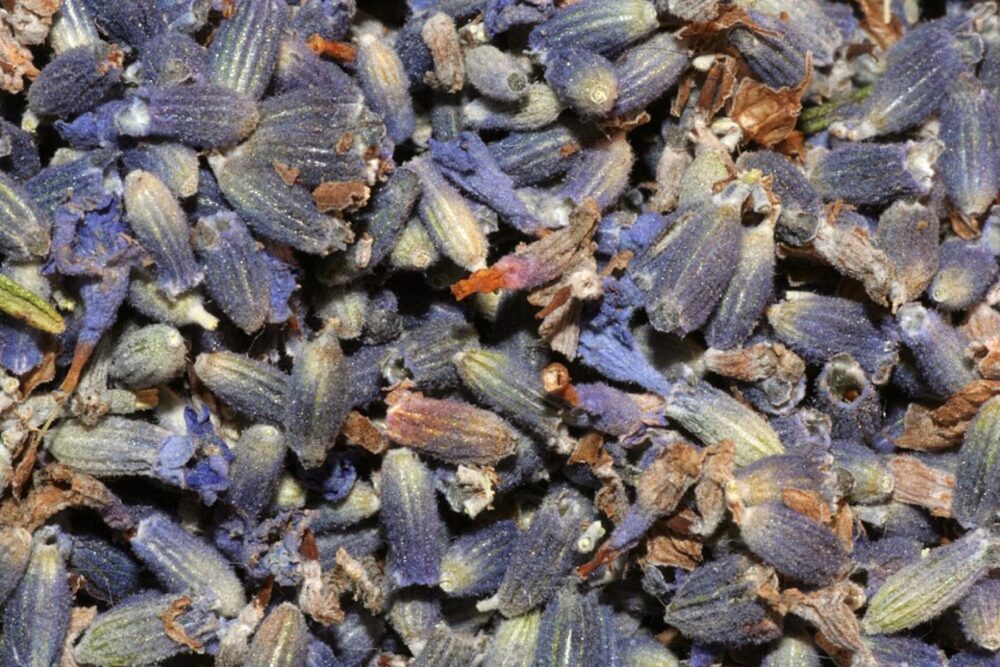
For bulk dried lavender, US buyers generally get the best quality from specialized lavender or herb farms and the best flexibility from online marketplaces and distributors. Farms and domestic herb suppliers tend to offer well-preserved buds and bunches with traceable varieties (like Lavandula angustifolia), which suits culinary, cosmetic, and spa use. Marketplaces and floral wholesalers broaden your options to mixed dried-flower bouquets, smaller MOQs, and a wider price range—better for decor and crafts. Your “best place” depends on what you’re making, how much you realistically need, and how comfortable you are managing cross‑border risk.
Dried lavender in wholesale: products, uses, and global supply
Lavender sits in the mint family and is one of the most widely used aromatic herbs globally. Wholesale products cluster into a few main forms:
- Dried buds/flowers – harvested and air‑dried to preserve color and aroma; used in teas, baked goods, infused syrups, soaps, salves, and skin care.
- Whole stems and bunches – tied bundles of dried flower spikes, popular for wedding decor, home styling, and sachets.
- Powdered lavender – ground flowers for smooth-texture applications like body powders or certain baked goods.
- Mixed dried-flower bouquets – lavender combined with pampas grass, eucalyptus, wheat, and other species for rustic arrangements.
A good overview of lavender forms and uses appears on HerbCo’s wholesale lavender page, which illustrates how the same plant supports culinary, cosmetic, and household applications.
On the production side, dried lavender for bulk use is typically grown in temperate regions with dry summers—think parts of the US Pacific Northwest, France, and other Mediterranean climates. Farms harvest flower spikes at peak bloom, then air‑dry them to maintain color and fragrance, as described by Everything-Lavender’s drying guide. The wholesale market is a mix of:
- Single‑farm producers selling direct (e.g., US lavender farms shipping bulk buds or bunches).
- Herb wholesalers aggregating from multiple farms and repacking into food‑service or manufacturing sizes.
- Floral distributors and marketplaces focusing on decor-forward formats like bulk bunches and mixed dried arrangements.
Understanding which form you need—pure buds vs stems vs mixed bouquets—is the first filter for choosing your sourcing route.
Choosing and vetting dried lavender suppliers
For bulk purchases, you’re not just buying “lavender”; you’re buying a specific variety and quality grade. A beginner guide from Herbal Goodness points to four core checks:
- Variety – Look for references to Lavandula angustifolia or a clearly named cultivar if you need a classic, soft aroma suitable for food and skincare. Mixed or unknown varieties are usually fine for crafts and decor but less ideal for culinary work.
- Color – High‑quality dried lavender keeps a reasonably strong purple or bluish tone. Completely brown or grey bunches may be older stock or poorly dried.
- Aroma – Open a sample and check that the scent is distinct and pleasant, not faint, musty, or smoky. Weak aroma suggests over‑aged or over‑processed material.
- Cleanliness – Scan for debris: excess stems, leaves, dust, or foreign plant material. Food and cosmetic buyers should ask explicitly about screening and any lab testing for contaminants.
A general buying guide from Biology Insights reinforces that buyers typically source from herb farms, online herb retailers, and marketplaces, and that strong aroma and good preservation are key signals.
What good dried lavender looks like
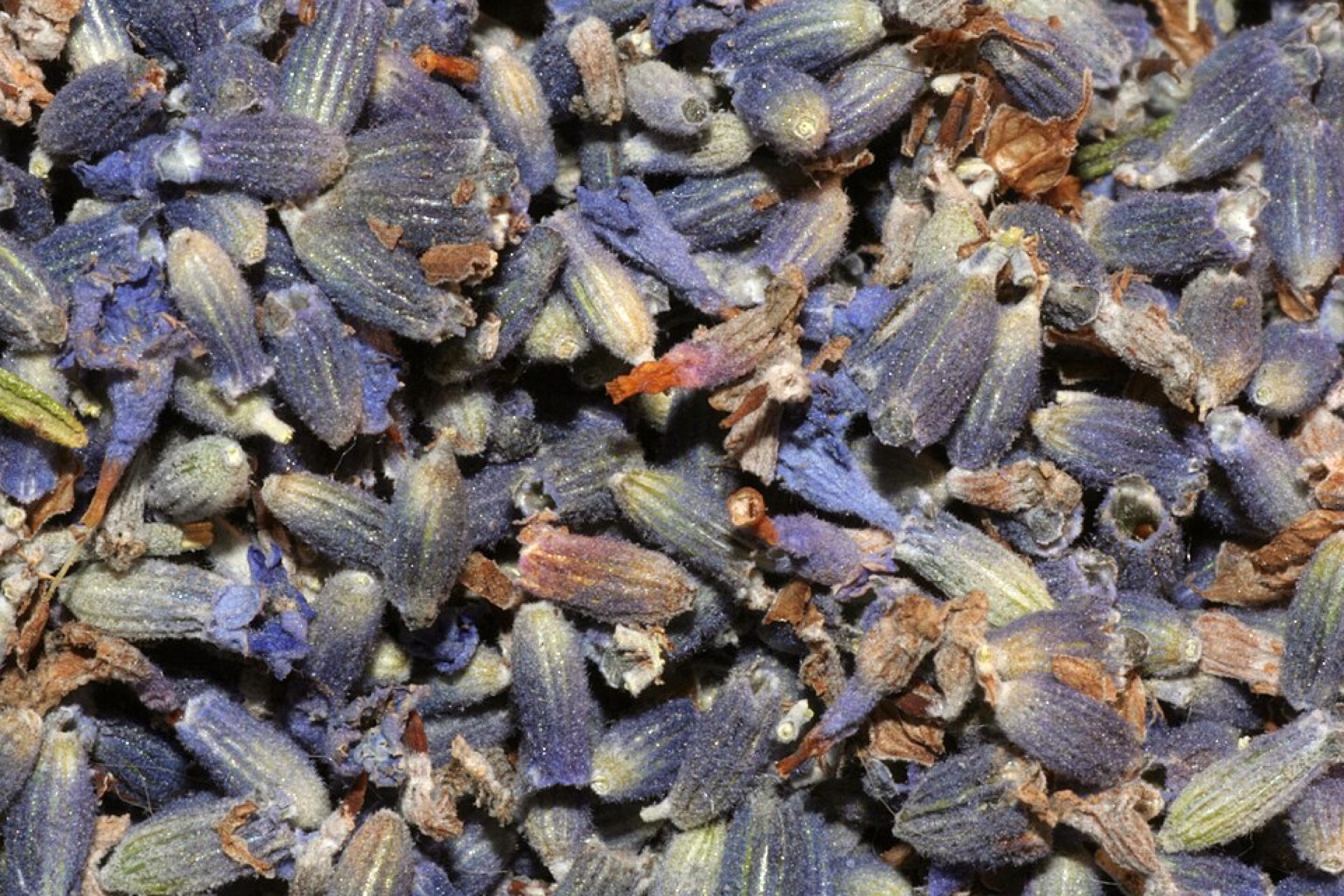
Visually, you’re aiming for:
- Intact flower spikes or buds, not pulverized dust.
- Fairly even color across the batch.
- Minimal shed material at the bottom of bags or boxes.
For farms and herb wholesalers, ask for:
- Photos of current‑season stock (buds close up and full bunches).
- Basic documentation: harvest year, drying method (usually air‑dried), and whether the crop is treated with any post-harvest chemicals.
For cosmetic or food uses, you may also want to see variety information and any voluntary certifications, even if you don’t need formal organic status.
Order size, pricing, and channel choice (including marketplaces like DHgate)
Order size and use case drive your sourcing route more than anything else. Below is an editorial comparison of common channels for US buyers.
| Channel type | Typical MOQ behavior* | Quality control feel | Best suited uses |
|---|---|---|---|
| Local lavender/herb farms | By the pound or by the bunch; often flexible for small brands | Strong: single origin, direct conversation | Culinary, spa, premium crafts |
| Domestic herb wholesalers | Case packs or bulk bags; moderate MOQs | Moderate to strong, depending on brand | Food production, cosmetic manufacturing |
| Floral distributors & marketplaces | From a few bouquets up to large cartons | Varied; buyer must vet each seller/listing | Wedding/event decor, general crafts |
*Behavior is editorial judgment based on how these channels generally operate; individual suppliers can differ.
How pricing usually behaves
Wholesale dried lavender pricing reflects:
- Form – pure buds cost more per pound than mixed dried bouquets, but bouquets cost more per stem because you’re paying for arrangement and added species.
- Quality/grade – vibrant color and strong aroma command a premium.
- Channel – farm-direct pricing may be higher per unit but lower on total landed cost if you cut out middlemen; marketplaces show a wide spread.
For example, US buyers can find bulk buds and whole flowers through herb-focused retailers like HerbCo’s lavender catalog, while decor buyers might use floral wholesalers such as FiftyFlowers’ dried lavender bulk bunches. These illustrate how culinary/cosmetic suppliers emphasize buds and tea‑bag cuts, while floral suppliers focus on long stems and bunch count.
Where a marketplace such as DHgate fits
Global marketplaces broaden options beyond local farms and domestic wholesalers. As of 2026-10-10, DHgate’s product catalog includes mixed dried-flower arrangements like a “Dried Flower Bouquet | Pampas Grass, Lavender, Eucalyptus, Wheatgrass, Rabbit Tail Grass” listing in its dried-flowers category (DHgate bouquet example). This kind of listing is geared toward decor: wedding centerpieces, photo props, or rustic home styling.
Marketplaces like DHgate can make sense when:
- You need decorative bouquets or mixed arrangements, not strict single‑variety buds.
- You want to test small quantities across different looks and suppliers.
- You are comfortable doing your own vetting for each seller: checking product photos, reading any available reviews, and clarifying what is actually included (how many stems, which species, approximate lengths).
Because marketplace sellers vary, treat each listing as its own mini‑supplier search. Before placing a larger order, many US buyers will:
- Start with a small trial order to inspect color, aroma, and handling.
- Ask for current photos and a breakdown of which flowers are included.
- Confirm packing details (how bunches are protected during transit) to reduce breakage.
For readers who decide a DHgate route could be useful, DHgateWiki has practical pieces on seller discovery and vetting, such as guidance to find wholesale suppliers on DHgate and choose a DHgate wholesale supplier.
Matching channel to buyer scenario
To make this less abstract, map your situation:
- Etsy crafter selling sachets and small gift sets – A regional lavender farm or domestic herb retailer is usually the safest starting point. You get consistent buds and can market single‑origin sourcing.
- Amazon FBA seller offering decor bundles – Floral wholesalers and marketplaces offer the variety you need in stems, bunches, and mixed bouquets, but you’ll need to be hands‑on with inspection and packaging.
- Local spa blending salts and scrubs – Direct relationships with herb farms or reputable herb wholesalers help ensure clean, well‑documented material with the aroma profile you want.
Whatever route you pick, tie your order size to realistic storage: dried lavender prefers cool, dry, dark conditions in sealed containers. Buying more than you can use within roughly a year risks color fade and aroma loss, which matters far more to a premium spa brand than to a one‑off craft project.