
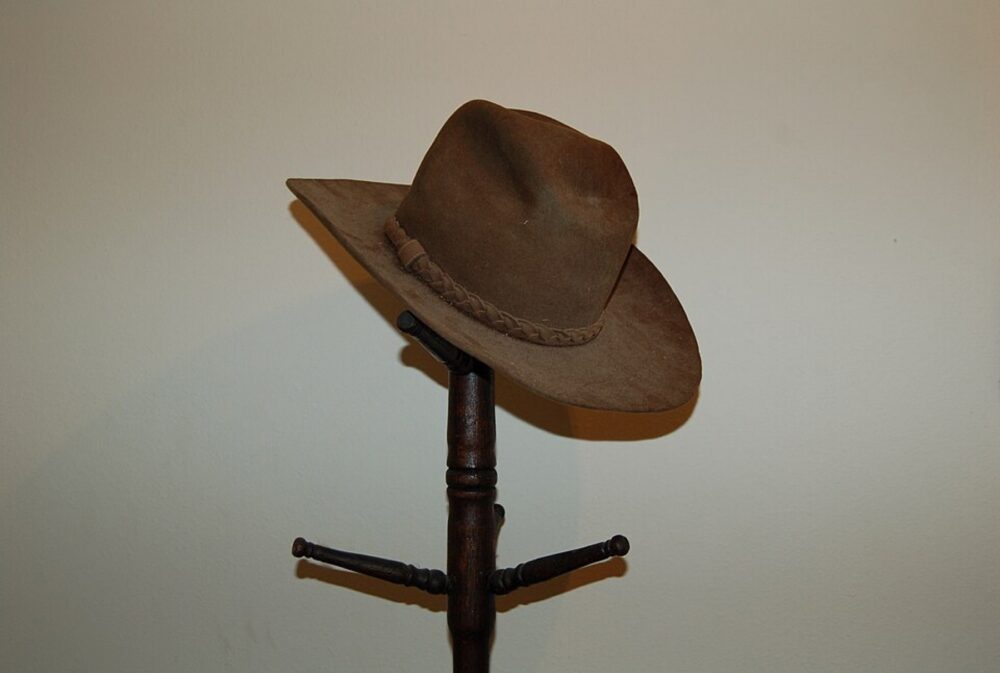
The cowboy and western hat wholesale market is a niche slice of the apparel trade that produces and sells western‑style hats in bulk to retailers, hat bars and event buyers. For a U.S. boutique or ecommerce shop, you’ll mostly interact with brand‑direct wholesalers, multi‑brand B2B marketplaces, and—if you push for lower costs or custom runs—cross‑border manufacturers. Your best fit depends on whether you need premium felt hats, cheap event straw, or fashion‑forward styles in small packs.
How the Cowboy and Western Hat Wholesale Market Works for U.S. Buyers
Think of the market in three layers: style, material, and buyer type.
On the style side you’ll see classic cattleman crowns, pinch‑front fashion cowboy hats, outback‑inspired shapes, and party hats. Materials divide roughly into:
- Straw and paper braid for summer, parties and lower price points
- Wool felt and wool blends for fashion and higher tickets
- Specialty fabrics (bright silk, rhinestone trim, suede finishes) for statement pieces and costume‑leaning product
Suppliers position into different lanes:
- Brand‑driven western suppliers. American‑made or premium brands targeting long‑term stockists and serious hat bars.
- Volume event and discount wholesalers. Big assortments, lower price points, sold by the dozen.
- Multi‑brand B2B marketplaces. A mix of small brands and importers that let you cherry‑pick styles.
For example, American Hat Makers’ wholesale cowboy collection highlights bulk cowboy hats and, in a recent expansion announcement, calls out hat bars, western retailers and corporate event buyers as key wholesale customers. That’s a good illustration of the higher‑end segment: retailers buying felt and straw cowboy hats as core assortment, and hat bars offering customization on top.
At the volume end, Buy4Store’s cowboy hat category lists more than 150 styles across straw, felt, cowgirl and kids sections, typically sold by the dozen with tiered wholesale pricing. That structure—child categories, bulk packs, and tiered per‑unit prices—is what party stores, dollar‑plus chains, and large group buyers usually work with.
A mid‑range view is Village Hat Shop’s wholesale western and cowboy hat collection, which focuses on western styles under brands like Jaxon Hats at B2B pricing. It’s aimed at retailers who want recognizable brands and a more curated selection rather than 100+ SKUs.
From the buyer side, common profiles include:
- Western boutiques and boot stores building year‑round hat walls.
- Hat bars, where customers decorate or customize hats on site.
- Ecommerce shops focused on western fashion or festival wear.
- Corporate and event organizers needing themed hats for conferences, rodeos, or marketing campaigns.
Where you fit on that spectrum shapes whether domestic wholesale or cross‑border sourcing makes sense.
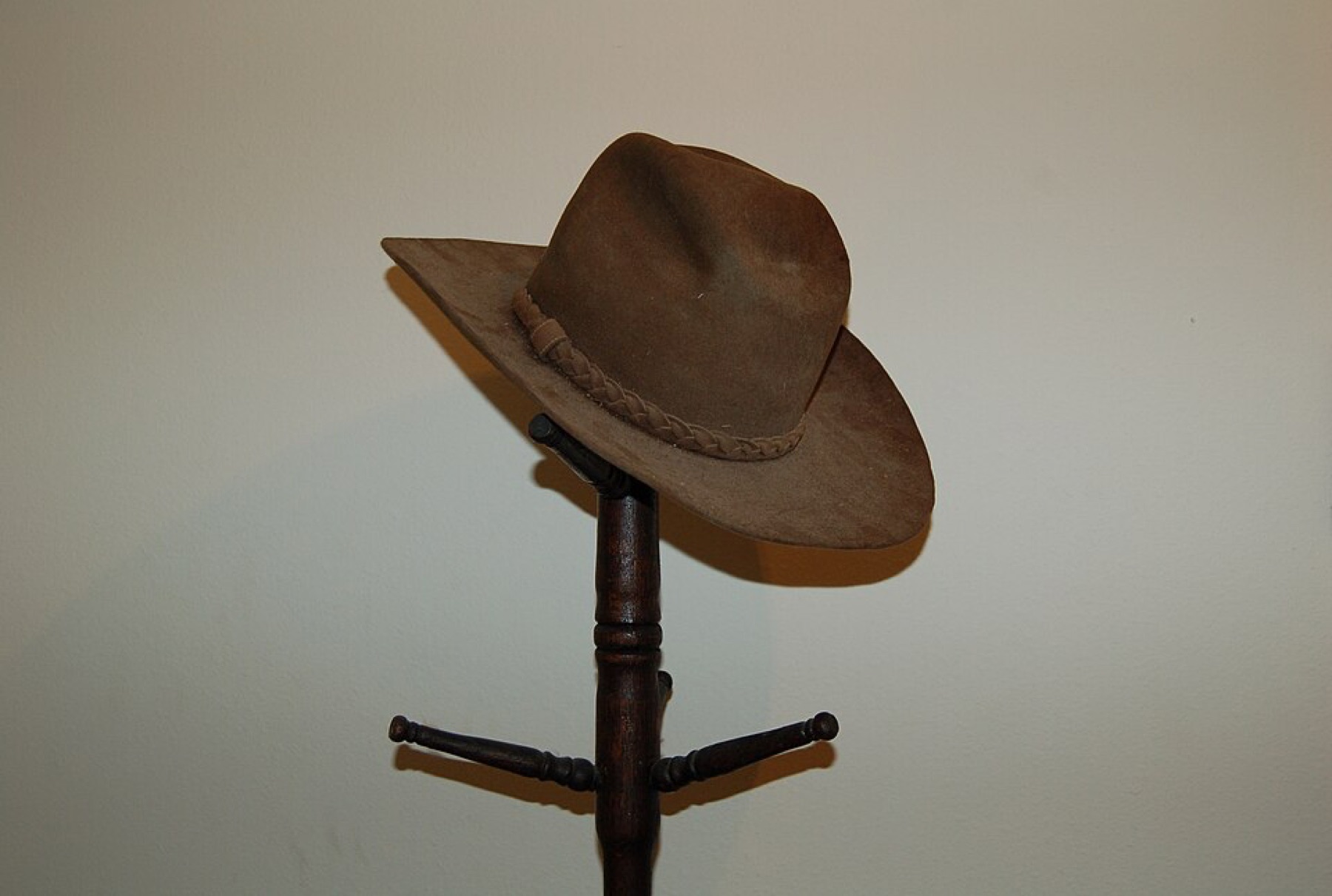
Choosing and Vetting Cowboy Hat Suppliers: Domestic vs Cross‑Border
Most U.S. buyers start with domestic suppliers because assortments, shipping and communication are straightforward. The trade‑off is higher landed cost and usually stricter minimums for premium felt.
Domestic wholesale examples and what they signal
Looking at suppliers like Buy4Store, Wilder & Soul, and Village Hat Shop gives you a sense of patterns:
- Assortment breadth. Buy4Store’s more than 150 cowboy hat styles across straw, felt and kids categories tell you it’s geared to buyers who need breadth—parties, discount retailers, large events—more than depth in any single model.
- Pack structure. Many SKUs are sold by the dozen, which suits event buyers and stores that can turn volume but feels big for a new micro‑boutique.
- Brand vs house label. Village Hat Shop leans on recognizable names like Jaxon Hats at wholesale pricing, while fashion‑leaning wholesalers like Wilder & Soul Wholesale focus on curated, trend‑forward collections for boutiques and hat bars.
When vetting a domestic supplier, get specific:
- Ask how many straw vs felt vs kids styles they carry that match your audience.
- Look at how packs are structured (by the dozen, mixed colors, size runs) to see if minimums line up with your cash flow.
- For hat bars, confirm whether blank, undecorated hats are available, and whether the materials (e.g., wool felt vs polyester) can handle branding elements like burning, stitching or heavy trim.
Cross‑border sourcing: where it fits and the added checks
Cross‑border manufacturers and trading companies enter the picture when you either need:
- Large volumes at lower per‑unit cost, or
- Custom shapes, colors, and trim that domestic wholesalers don’t offer at small scale.
CLOSO’s 2026 guide on wholesale western hats notes that western hat buyers need to balance landed cost (including freight), sell‑through risk, and margins carefully. With cross‑border orders, that balancing act gets harder because you’ll usually commit to higher quantities and longer lead times.
If you consider overseas suppliers, keep your evaluation grounded:
- Request material samples (straw density, felt weight, sweatband quality) before confirming a larger run.
- Start with a test order that you can realistically sell through, even if margins are thinner.
- Check that the supplier understands U.S. western fit preferences—brim stiffness, crown height, and sizing—for your target customer, not just costume markets.
Cross‑border can work well for budget straw or themed party hats, but it’s often a poor fit for boutiques selling premium felt with brand storytelling and local craftsmanship.
Ordering Terms, Pricing, and Channel Choice (Including One DHgate Use Case)
Wholesale cowboy hat pricing and terms vary widely, but some patterns show up repeatedly:
- Domestic wholesalers tend to use per‑dozen or per‑unit tiered pricing, with higher discounts at larger quantities (as Buy4Store does across its cowboy categories).
- Boutique‑oriented brands focus more on per‑style minimums and emphasize margin targets rather than ultra‑low ticket prices.
- Liquidation routes and off‑price buyers think in terms of overall inventory cost vs anticipated sell‑through, which CLOSO highlights in its cost/margin discussion for western hats.
- Marketplaces and cross‑border platforms make it easier to mix styles in smaller lots, but quality and consistency vary by supplier.
Here’s a practical comparison of common channels for U.S. cowboy hat buyers:
| Channel type | Typical buyer fit | Assortment & customization | Terms & risk profile |
|---|---|---|---|
| Brand‑direct western wholesalers (e.g., American Hat Makers, Wilder & Soul) | Western boutiques, hat bars, premium retailers | Curated felt and straw collections, often with brand identity; some scope for custom colors or trims at volume | Higher per‑unit cost, moderate MOQs, stronger brand story; risk is mainly unsold inventory if you misjudge styles. |
| Volume discount/event wholesalers (e.g., Buy4Store) | Party stores, discount chains, event organizers | 100+ styles across straw, felt and kids; focus on bulk packs and party‑ready designs | Sold by the dozen, tiered pricing; good for cost‑per‑hat, but you carry more units of each SKU and need fast turnover. |
| Multi‑brand B2B marketplaces (e.g., Faire) | Small retailers testing styles, concept stores | Mix of custom, felt and straw cowboy hats from different brands in one interface | Lower per‑style commitments and easy discovery of new brands; margin and quality vary by supplier, so you must vet each line. |
| Cross‑border marketplaces (e.g., DHgate) | Buyers experimenting with imported cowboy/party hats, or seeking specific trims at low unit cost | Listings range from cosplay‑leaning western hats and kids’ wide‑brim cowgirl hats to decorated straw sombrero‑style cowboy hats; styles and materials differ by seller | Useful for small test orders of mixed styles, but you need to vet each supplier, check material specs carefully, and expect listings and prices to change over time. |
On cross‑border marketplaces, you can see this variety in real listings. On DHgate, for example (snapshot taken 2026-10-10, subject to change), there are products such as:
- A wool felt cowboy hat described as a black western hat for women,Cowboy hat black wool womens western felt hat with a wide price range depending on quantity.
- A retro wool felt cowboy/jazz hat positioned as autumn/winter fashion,Cowboy hat autumn and winter wool cowboy hat jazz hat listed under wide‑brim hats.
- A straw western cowboy sombrero‑style hat marketed as custom men’s and women’s sun hats,Western cowboy straw hat custom men and women retro wide-brimmed cowboy hat.
- Kids’ western wide‑brim cowgirl hats for costume and Halloween use,Toddler Kids Baby Girls Boys Cowboy Hat Western Wide Brim Cowgirl Hat showing that children’s cowboy hats are part of the mix.
These snapshots are not endorsements, but they illustrate how cross‑border marketplaces can provide an assortment that leans toward fashion, costume and event product. If you pursue this route, treat each listing like a separate supplier relationship: review photos closely, request samples when possible, and build your own quality bar.
For U.S. buyers who decide that a cross‑border marketplace is worth exploring, it can help to read general guidance on marketplace sourcing first, such as how to find wholesale suppliers on DHgate, how to find DHgate suppliers, and how to choose a DHgate wholesale supplier. That way, your cowboy hat purchase decisions sit on a broader supplier‑selection strategy rather than on a single listing.
Ultimately, your cowboy and western hat wholesale strategy should match how fast you can turn inventory and how much brand story your customer expects. Hat bars and boutiques usually do best with domestic or brand‑driven suppliers; high‑volume event buyers might favor by‑the‑dozen wholesalers; cross‑border marketplaces are a tactical option for experiments in lower‑stakes categories like party hats and kids’ costumes.