
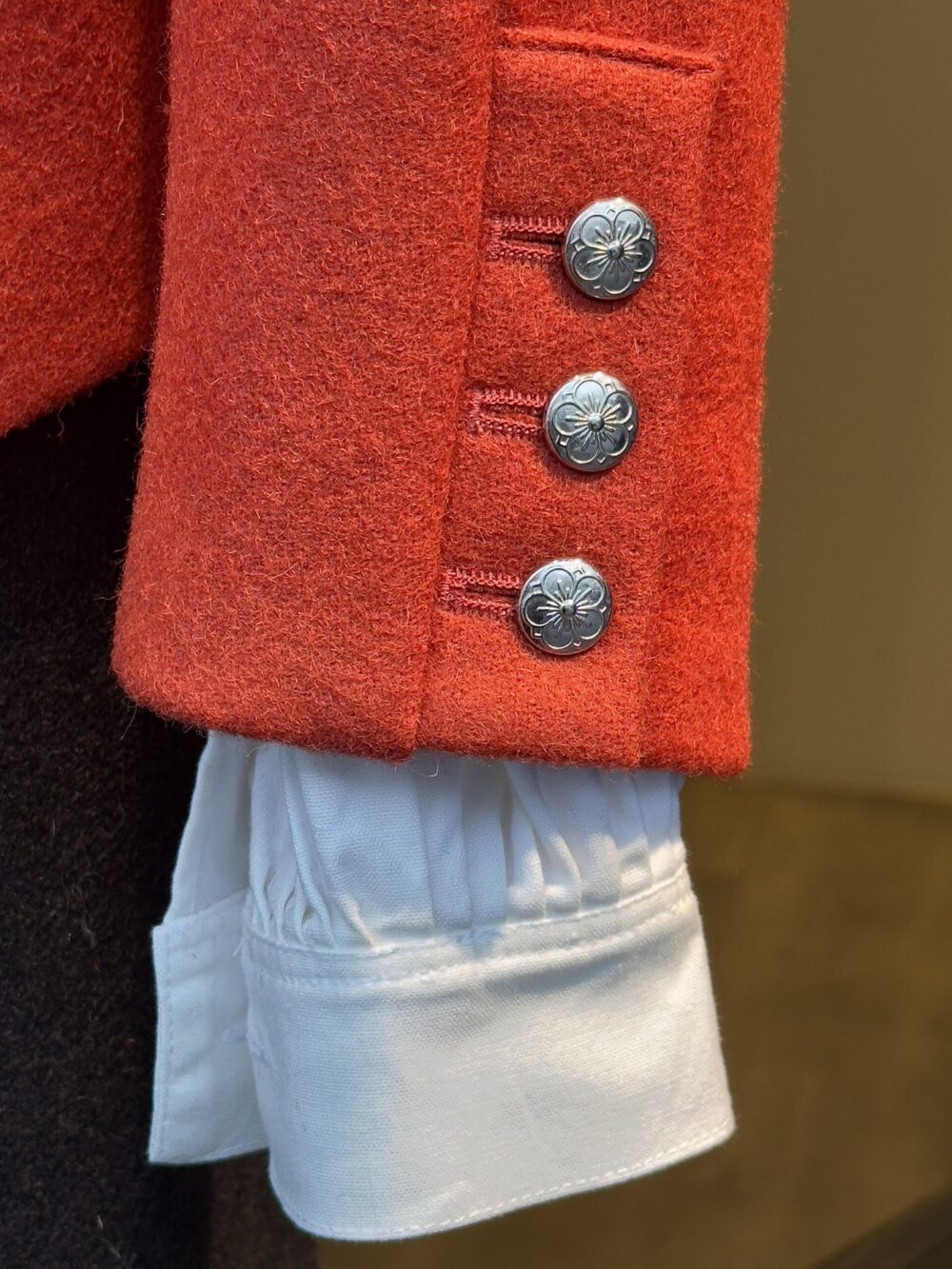
You can source bulk metal and custom clothing buttons through four main routes: domestic trim wholesalers, specialized hardware factories, trade shows, and B2B marketplaces such as DHgate, Alibaba, and Made‑in‑China. For small US brands, the right channel usually comes down to order size and how customized you need those buttons to be. Domestic wholesalers are faster and easier, but expensive and limited in styles. Factory-direct and large Asian platforms often suit bigger, heavily customized runs. DHgate tends to sit in the middle: a China-based marketplace with many button styles, relatively low minimums, and tiered pricing, useful for testing ideas without committing to huge volumes.
If you’re mainly buying stock metal buttons in dozens or a few hundred pieces, DHgate or a domestic wholesaler may be the least work. If you’re building a long-term, branded hardware program (engraved logo shank buttons, custom alloys), you’ll usually do better working with dedicated trim manufacturers like NZXTRIM, Lustrim, or GOFLEXBUTTON, or a factory you meet via Alibaba or Made‑in‑China.
How Metal and Custom Button Supply Chains Work
Metal buttons are part of the garment “trim” supply chain. The factories that make your shirts and coats often don’t make the buttons themselves; they source from specialized hardware companies.
China is a major clothing export hub and produces a huge volume of garments and trims. World trade data summarized by Sailon‑can notes that China accounted for roughly 31.7% of global clothing exports in 2022. That scale means a lot of choice for buttons, snaps, and other hardware—but it doesn’t guarantee any specific factory will match your fit or quality standards. You still have to pick the right partner.
In practice, supply tends to flow like this for small US brands:
- Trim manufacturers and hardware specialists design and produce metal buttons, buckles, and labels.
- Domestic wholesalers and trim distributors buy from those manufacturers and resell smaller lots with short lead times.
- Cut‑and‑sew factories in Asia or domestically either source trims for you or ask you to nominate a trim supplier.
- Marketplaces and sourcing platforms (DHgate, Alibaba, Made‑in‑China, etc.) sit between buyers and factories/wholesalers, acting as searchable catalogs rather than direct producers.
Specialized trim makers such as NZXTRIM, Lustrim, and GOFLEXBUTTON illustrate the direct route. They offer custom metal buttons and related hardware to brands: you share specifications or artwork, they engineer and produce the button, and you either ship trims to your factory or have the factory order from them. This gives you maximum control, but more work up front.
Comparing Sourcing Routes by Order Size and Customization
To keep this concrete, the table below maps typical sourcing channels to the kinds of orders and customization levels they fit best. These are patterns, not hard rules, but they’re a useful sanity check.
| Sourcing route | Good for quantities | Customization potential | Typical workload for a small brand | DHgate-relevant comparison |
|---|---|---|---|---|
| US trim wholesalers / distributors | Dozens to a few thousand buttons | Low–medium: color/finish, limited shapes | Low: existing catalogs; domestic coordination | DHgate and other marketplaces can offer broader style choice at overseas distances and buyer-managed coordination |
| Specialized trim manufacturers (e.g. NZXTRIM, Lustrim, GOFLEXBUTTON) | Thousands+ per design; some will do smaller pilot runs | High: logo engraving, custom alloys, unique shapes | Medium–high: spec work, sampling, approvals | Some DHgate sellers may accept custom work, but direct manufacturers typically handle deeper engineering and development |
| Trade shows (textile/trim fairs) | Planning future seasons, multiple styles | High: you meet many prospective suppliers | High upfront, lower later if you build relationships | Marketplaces like DHgate provide remote browsing of trims instead of in-person show visits |
| Alibaba / Made‑in‑China | Larger, factory-direct orders; multi‑style programs | High: generally strong focus on OEM/ODM customization | Medium–high: factory searching, RFQs, QC | DHgate generally skews to smaller, more accessible MOQs and mixed lots, with less emphasis on large custom programs |
| DHgate | Small to mid-sized buys; tests and capsule runs | Medium: many styles; some sellers accept custom designs | Medium: compare listings, request samples directly | Sits between domestic wholesalers (easy, higher cost) and large factory platforms (complex, high‑volume focus) |
A few channel trade‑offs to weigh:
- Domestic vs overseas suppliers. DHgate’s own editorial on sourcing clothing vendors points out that domestic vendors typically offer stronger labor standards and more consistent quality, but at higher costs and with fewer style options than overseas suppliers like those in China or Taiwan. That trade‑off applies to trims too: local button suppliers are often safer and simpler; overseas suppliers widen style options and can lower unit costs but add distance and variability.
- MOQ vs flexibility. Many custom manufacturers prefer higher minimum order quantities per button style because tooling and setup are expensive. Marketplaces such as DHgate are often used by smaller buyers because typical MOQs there tend to be lower than on platforms like Alibaba or Global Sources, according to DHgate’s own overview of wholesale clothing sites. That difference can decide whether you can even test a niche metal button design.
Scenario callouts
- You need 300 high‑end metal coat buttons for a limited drop. A domestic wholesaler or a DHgate seller with an existing design is realistic. Custom tooling at a hardware factory may be overkill.
- You want a branded, engraved shank button for a signature blazer line over several seasons. Working with a specialized trim manufacturer like Lustrim or NZXTRIM gives you more control than a marketplace listing.
- You’re planning 10,000+ pieces across multiple styles and cuts. Factory‑direct sourcing via Alibaba or Made‑in‑China, combined with a hardware partner such as GOFLEXBUTTON, usually gives better pricing and coordination than piecing orders together via small-lot marketplace listings.
Query-time DHgate listing example
Observed on 2026-10-10, Heart-shaped metal buttons, shirt and suit buttons, DIY clothing accessories appeared in Sewing Notions & Tools. This is a time-bound, illustrative listing example, not an endorsement; availability and listing details may change. Verify the specifications, seller evidence, applicable compliance, and any intellectual-property or commercial-use rights required for the intended use. A sample can test the physical product, but it cannot establish legal permission or licensing.
When DHgate Is a Practical Route for Button Sourcing
DHgate is a China‑based B2B marketplace. Its own editorial describes it as a platform hosting tens of millions of products and a large number of suppliers, with minimum order quantities that often run lower than on Alibaba or Global Sources. For trims like buttons, that positioning makes DHgate most useful in a few specific situations:
- Small test runs and capsule collections. If you’re trying a new metal button style on 50-500 garments, many DHgate listings for sewing notions and tools show price ranges that make small experiments feasible without big tooling investments.
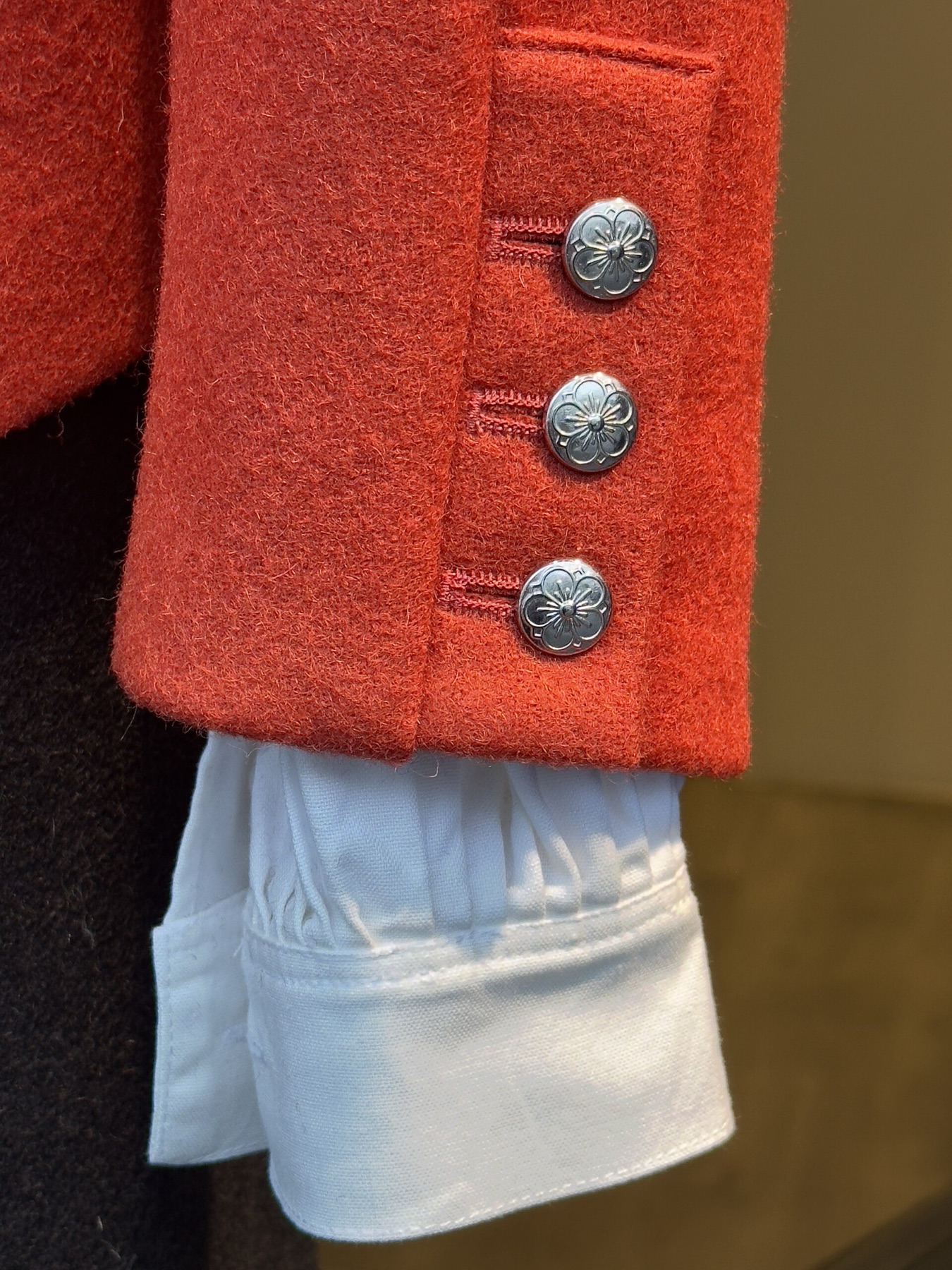
- Style hunting across many options. A quick search shows multiple metal button styles—octagonal coat buttons, shell‑shaped trench coat buttons, retro eagle‑pattern buttons, flower‑shaped buttons—clustered under Sewing Notions & Tools from sellers such as “jcgarmentaccessories”. That variety helps you find a look your factory can sew without commissioning a custom mold.
- Quantity‑driven price breaks. DHgate’s blog explains that the platform uses tiered pricing: unit cost tends to drop as ordered quantity increases. For trims, that can matter: you might buy a small lot for sampling, then step up to a higher tier for the production run.
DHgate listing snapshot (2026-10-10)
To ground this in real data, here’s a snapshot of some DHgate button listings observed on 2026-10-10. Listings and prices can change; this is just a reference point.
- Octagonal metal buttons for coats and trench coats – listed under “Sewing Notions & Tools” with a price range around US$1.59-1.72 per unit (product page). Supplier: “jcgarmentaccessories”.
- Retro-style eagle-pattern metal buttons for windbreakers and coats – also in “Sewing Notions & Tools”, priced roughly US$1.43-1.87 (product page). Same supplier.
- Metal shell-shaped trench coat/sweater buttons – category “Sewing Notions & Tools” with prices around US$0.50-0.53 per button (product page). Supplier: “jcgarmentaccessories”.
- Metal flower-shaped buttons for coats and suit jackets – another “Sewing Notions & Tools” listing priced about US$0.55-0.74 (product page). Supplier: “jcgarmentaccessories”.
This snapshot shows two practical aspects of DHgate for button sourcing:
- SKU richness in a narrow trim niche. A single supplier can offer multiple distinct metal button designs at different price points, which lets you build a coherent trim story across several garments without juggling many vendors.
- Range of price points. You see both sub‑US$1 decorative buttons and more expensive, presumably larger or more complex designs. That gives you room to match button cost to garment price.
None of these listings, or their suppliers, are endorsed here. You still need to request samples, test them on your fabric, and check finish, durability, and plating in person before committing.
What to check before leaning on DHgate
For metal and custom buttons in particular, focus your workload where it matters:
- Ask for production‑grade samples. Do not rely on catalog photos alone. Get actual buttons, sew them onto sample garments, and test for tarnishing, chipping, and pull strength.
- Confirm practical specs in writing. Diameter, thickness, shank vs flat back, alloy type (brass, zinc, stainless), finish (antique brass, brushed nickel), and any logo engraving details should be clear before you pay.
- Align MOQs with your cut plan. If a seller’s minimum per style is higher than your garment order, you either need another style or another supplier.
- Plan how trims will reach your factory. You can ship buttons to your US shop and then forward them, or ship directly to the sewing factory if they’re prepared to receive and store external trims.
If you decide DHgate is the right route for some or all of your button sourcing, internal guides like Find wholesale suppliers on DHgate, Find DHgate suppliers, and Choose a DHgate wholesale supplier can help you structure your search and evaluation process.
Is DHgate the right channel for you?
Summing up the comparison:
- If you value speed, low hassle, and higher predictability over variety and cost savings, domestic trim wholesalers or direct relationships with hardware manufacturers are a better fit than DHgate.
- If you’re a small or mid‑size brand experimenting with styles, DHgate’s lower typical MOQs and tiered pricing—described in its own editorial—make it a workable testbed for metal button sourcing, as long as you budget time for sampling and seller vetting.
- If you’re planning large, heavily customized hardware programs, you’ll usually treat DHgate as supplemental (for occasional styles or emergency buys) and rely on trim specialists or factory‑direct platforms like Alibaba and Made‑in‑China for the core of your supply.
The best route isn’t universal. Map your expected button usage over the next year, decide where you can afford extra work, and then pick the sourcing channel that matches both your quantities and your appetite for hands‑on supplier management.