
Chinese online shopping and wholesale platforms give US buyers direct access to nearly any product coming out of China, from phone cases and fashion jewelry to tools and home goods. They can absolutely work for a small ecommerce business—but only if you match the right type of platform to your order size, vet suppliers carefully, and calculate total landed cost (product + freight + customs and any duties) before you commit.
This guide treats China’s online marketplaces as one sourcing route alongside options like domestic wholesalers or visiting physical markets. It’s written for US-based buyers who care more about margins and reliability than about which website is “number one.”
How China’s Online Shopping and Wholesale Market Works for US Buyers
China’s ecommerce ecosystem splits broadly into domestic consumer sites, domestic wholesale sites, global B2B platforms, and online extensions of huge physical markets.
Domestic consumer marketplaces (C2C/B2C) Platforms like Taobao and Tmall are primarily aimed at Chinese shoppers. Taobao is a massive C2C marketplace where millions of individuals and small shops list everything from fashion to gadgets. Tmall focuses on brand-operated flagship stores in a B2C format.
These sites are powerful for product discovery and trend research: you can see what styles, bundles, and price points are resonating in China. But most sellers are geared toward domestic shipping, and interfaces, customer service, and dispute processes are built for Chinese consumers. Using them directly for US import typically means working with a sourcing agent or having strong Chinese language and logistics capabilities.
Domestic wholesale: 1688 and factory clusters Guides to the China wholesale market describe 1688 (operated by Alibaba Group) as a major domestic wholesale platform where factories and traders quote bulk prices for Chinese buyers, often with higher MOQs and Chinese-only interfaces. It’s closer to a catalog for factory-direct deals than a plug-and-play site for a US side hustle.
Global B2B platforms: Alibaba.com, Made-in-China Importer resources consistently point to Alibaba.com and Made-in-China.com as key global B2B portals that connect overseas buyers with Chinese manufacturers and wholesalers. These sites:
- Are designed for international trade (English interfaces, export-oriented suppliers).
- Make it easier to negotiate MOQs, prices, and customization for private label or branded product lines.
- Are a common starting point for US businesses ordering full cartons, pallets, or container loads.
They’re best suited once you’re past “testing a niche” and into building a stable product line with repeat orders.
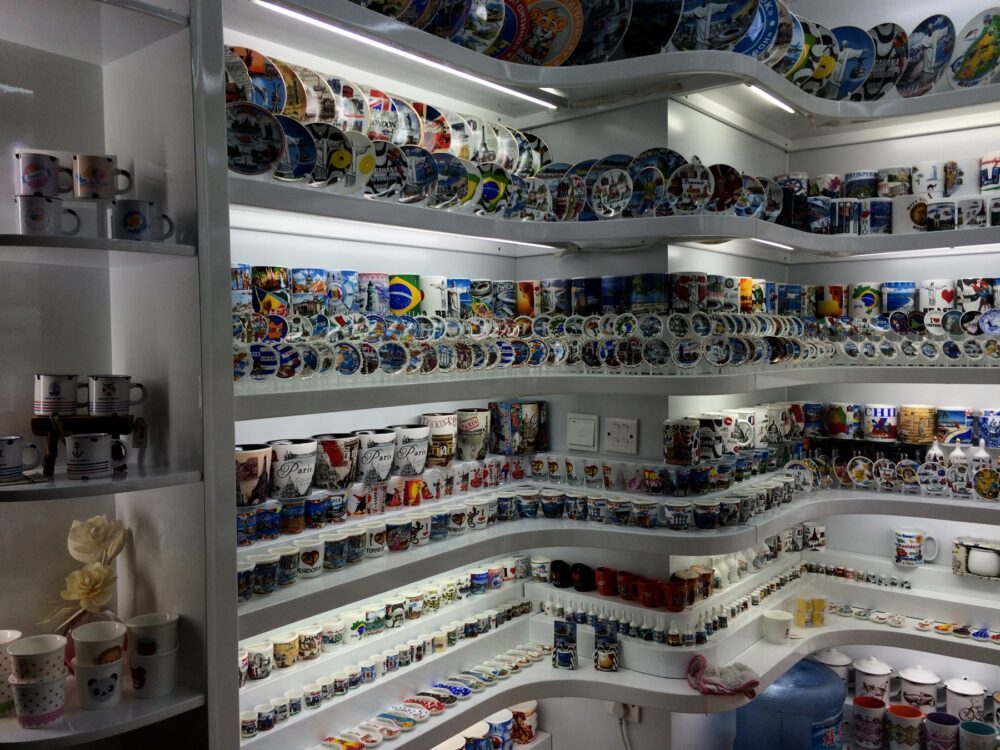
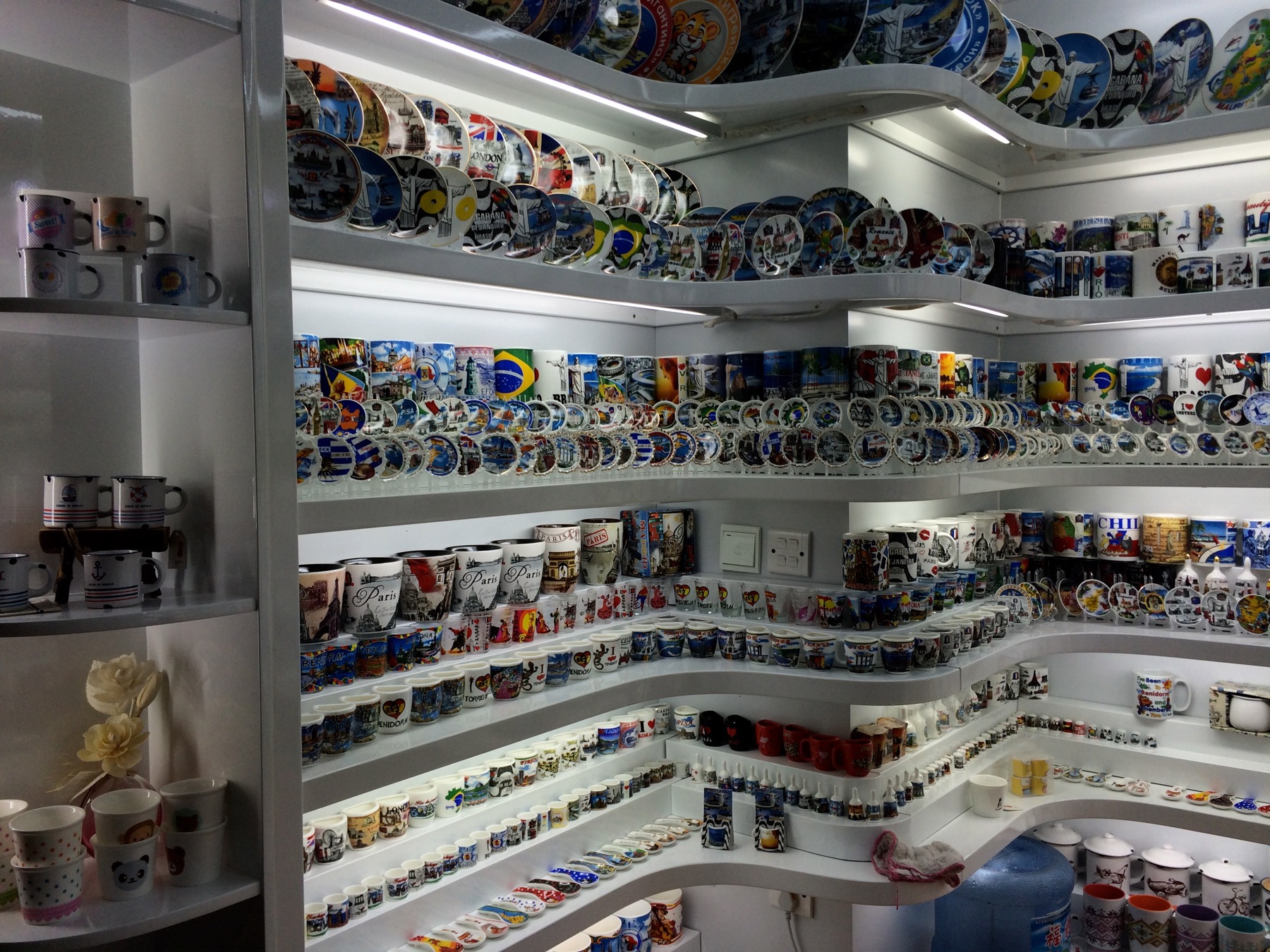
Yiwu and other physical markets with online portals China’s wholesale landscape isn’t only websites. The Yiwu International Trade Market in Zhejiang—often described in importer guides as one of the world’s largest small-commodities hubs—has thousands of stalls selling items like giftware, fashion accessories, and household goods.China wholesale market overview
Platforms such as Chinagoods (Yiwu’s official online portal cited by several wholesale-market guides) replicate a chunk of that assortment online. They’re useful if you want Yiwu-style small items without traveling, or if you’ve visited the market and now want to reorder from the same suppliers digitally.
Consumer vs. wholesale platform roles (for US buyers)
Here’s a simplified way to think about which bucket you’re in:
| Platform type | Typical audience | Order size sweet spot | Common US use case |
|---|---|---|---|
| Domestic consumer (Taobao/Tmall) | Chinese retail consumers | 1-20 units per SKU (retail) | Trend research, via agent for sourcing |
| Domestic wholesale (1688) | Chinese traders/factories | Cartons and up | Factory pricing via agent |
| Global B2B (Alibaba, Made-in-China) | Overseas businesses | Cartons to containers | Core private-label or import lines |
| Yiwu + portals (e.g., Chinagoods) | Global small-commodities buyers | Cartons; mixed small items | Variety-heavy gift/novelty assortments |
For a US Shopify or marketplace seller, the right starting point depends on whether you’re testing 20-50 units, building a 500-unit run, or planning recurring container-size imports.
Choosing and Vetting Chinese Online Suppliers
Once you know which platform type fits your situation, the real work is evaluating individual suppliers. Industry sourcing guides—including editorial content on China wholesale marketplaces—repeatedly stress three practical checks: reviews, comparative offers, and business information.Best China wholesale websites guide
Start with reviews and transaction history Don’t stop at star ratings. Look for:
- Volume: Many detailed reviews on the specific product, not just a handful of generic comments.
- Recency: Feedback from the last few months, which better reflects current quality and fulfillment practices.
- Specifics: Mentions of actual dimensions, materials, packaging quality, and whether colors/styles matched the listing.
On B2B platforms, written feedback is often sparser than on consumer sites, so you may need to combine on-site reviews with off-platform research (e.g., searching the supplier name or brand to see whether other importers discuss them).
Compare multiple suppliers, not just prices Importer guides encourage comparing several offers before you commit. That means:
- Requesting quotes from at least 3-5 suppliers for the same spec.
- Checking how each one responds to questions about materials, certifications, and production timelines.
- Noting whether they suggest realistic lead times or overpromise immediately.
Even if two factories quote similar unit prices, a supplier who gives clear answers, consistent spec sheets, and realistic sampling timelines is usually the safer long-term partner.
Verify basic business information Before you wire anything or agree to a big PO, do a light background check:
- Confirm the company name, address, and contact details match across the platform profile and any official site or catalog they share.
- Ask outright whether they are a factory or trading company and how many product lines they handle. A very wide range of unrelated products can signal a trading middleman, which is fine as long as you understand it.
- Request key docs for sensitive categories (e.g., compliance certificates for electronics or children’s products) and see if they’re willing to share sample reports.
None of this guarantees performance, but it filters out obvious mismatches before money or time is on the line.
Structuring Orders, Costs, and Channel Choice
Platform choice only matters once you’re clear on how many units you need, how customized they must be, and what your true landed cost will look like.
MOQs and order sizing
Across China-focused sourcing content, you’ll see MOQs (minimum order quantities) vary widely by channel:
- Domestic wholesale and factory portals often expect full cartons or more per SKU, sometimes higher, because they’re built for volume buyers.
- Global B2B sites like Alibaba.com or Made-in-China.com frequently show tiered pricing, with higher per-unit prices at low quantities and better pricing as you approach their standard MOQs.
- China-based B2B marketplaces aimed at overseas small businesses—including DHgate, based on its own editorial descriptions—highlight relatively low MOQs compared to some global B2B platforms, with many listings structured for small wholesale or retail-resale orders.Best websites to buy wholesale bulk
If you’re testing a product and only need 20-200 units, low-MOQ marketplaces can be attractive because you don’t have to commit to factory-scale runs. Once your demand is proven, it’s often worth moving up the chain to suppliers who specialize in your category and can support higher volumes.
Modeling landed cost
Importer-focused articles on China wholesale sites consistently remind buyers that unit price is just one piece of the picture. You need to think in terms of landed cost: what it takes for the product to reach your US warehouse shelf-ready.Best China wholesale websites for bargain hunters
Key components:
- Product cost: Unit price × quantity, including any tooling or setup fees if you’re customizing.
- Shipping and freight: Small orders might ship via parcel or express; larger ones move by air or ocean freight. Each choice changes timelines and cost structure.
- Customs and duties: Depending on HS classification and declared value, you may owe duties or fees when goods enter the US. Guides stress being “aware of customs and import fees” rather than assuming they’re negligible.Chinese online shopping & wholesale overview
A practical approach: build a simple spreadsheet where you plug in quotes from each supplier and freight forwarder, then compare landed cost per unit across platforms and suppliers. Often a slightly higher ex-factory price plus smoother logistics wins.
Matching channels to scenarios (including one DHgate example)
You don’t have to pick a single platform forever. Many US buyers mix channels as they grow:
- Scenario A: Testing a new niche with 50-150 units.
You might start with a small-wholesale B2B marketplace that targets overseas buyers and accepts relatively low MOQs. DHgate’s own blog positions the site as connecting small and medium-sized Chinese suppliers with global retailers, often with lower MOQ options than some competing platforms.Best Chinese online shopping app It can be one way to pull in test batches while you validate demand—provided you still do your own supplier vetting and cost modeling.
- Scenario B: Scaling a proven SKU to 500-5,000 units.
As your volume grows, global B2B platforms like Alibaba.com or Made-in-China.com become more attractive. Suppliers there often focus on export manufacturing and may offer better per-unit pricing once you hit their MOQs, especially for customized private-label products.
- Scenario C: Building an assortment of low-cost novelty or gift items.
Yiwu-style markets and their portals shine here. Resources like China wholesale market guides describe Yiwu’s role as a massive hub for small commodities; using its online portals or a sourcing agent tied to that market can help you assemble a broad mix of inexpensive SKUs at carton-level quantities.
Throughout these scenarios, you can still loop in platform-agnostic practices: requesting samples before big orders, checking recent reviews, using secure payment methods, and tracking all freight and customs costs in your pricing.
If you decide that low-MOQ marketplaces fit your early-stage testing, you can explore specific DHgate sourcing workflows on DHgateWiki’s focused guides, such as finding wholesale suppliers on DHgate, finding DHgate suppliers, and choosing a DHgate wholesale supplier. If you find that your needs are better served by domestic distributors or direct factory deals via other platforms, that’s equally valid—the point is having a clear view of how each route fits your volume, risk tolerance, and margin goals.