
You’ll find the best deals on wholesale fringe and trim by doing two things: first, matching the trim type to the actual job so you’re not overbuying luxury for simple projects; second, picking the right channel for your order size—domestic trim wholesalers and fabric sites for small, fast orders, marketplaces for per-piece bargains, and overseas manufacturers once you’re ready for real bulk.
For a US crafter or small ecommerce brand, that usually means starting with domestic suppliers like Trimplace, JKM Ribbon & Trims, or Fabric Wholesale Direct and only stepping up to luxury outfits like Fringe Market or manufacturer‑exporters like Mohit Handicrafts if your customer and margin truly justify it.
What Counts as Wholesale Fringe and Trim—and What Really Drives the Cost
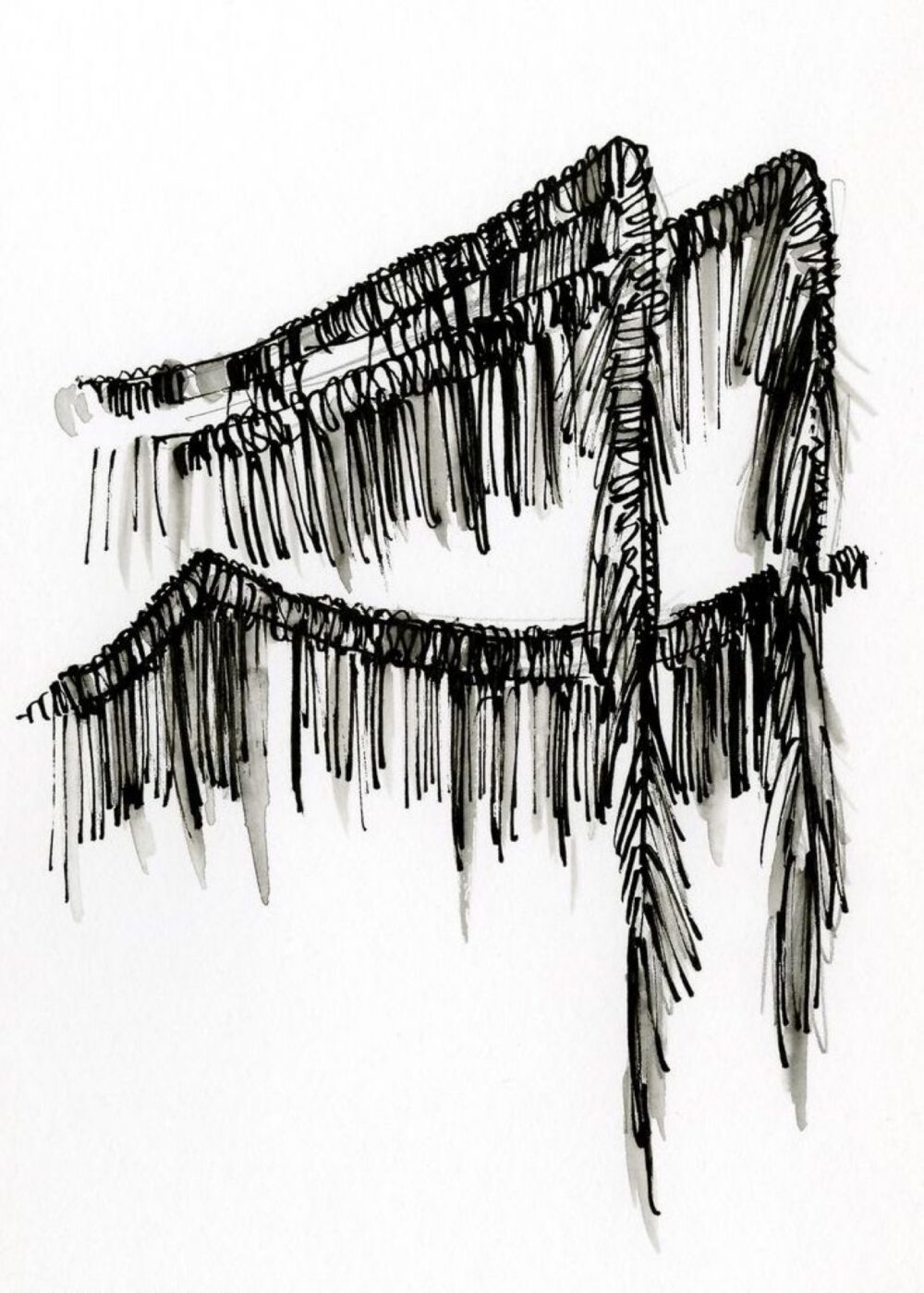
Fringe trim is a decorative edging with a woven header and hanging strands or filaments that runs along a seam or border. It both finishes and helps prevent fraying on garments, accessories, upholstery, and decor.
Wholesale fringe and trim supplies cover several families:
- Bullion fringe – thick, twisted cords, often used on upholstery, drapery, and traditional costumes. Feels formal and ornate.
- Brush fringe – soft, feathery strands, good for blankets, cushions, rustic jackets, or cozy home decor.
- Chainette fringe – drapey loops, popular in dancewear and eveningwear for fluid movement.
- Pom‑pom fringe – playful balls along a tape; common on kids’ clothes, throws, and party decor.
- Tassel fringe – dangling cords clustered into tassels; a staple for curtains, table linens, and classic home decor.
- Gimp fringe – dense, twisted trim with a central core, used on lampshades and upholstery where structure matters.
- Beaded/sequin fringe – beads or sequins attached to a base, used for eveningwear, performance costumes, or high‑impact decor.
Each type sits in a different cost tier. Bullion and beaded/sequin fringes are typically the premium end because of weight and labor; pom‑pom and plain chainette trims tend to be mid‑range; simple brush and gimp fringes often fall in the more budget‑friendly band.
Your landed cost per yard or per spool is shaped by more than the sticker price:
- Base trim price – higher for dense, ornate styles (bullion, beaded) and for specialty or American‑made brands.
- Quantity format – by the yard vs full spools. Sites like Vogue Fabrics’ wholesale fringe section and TrimDepot promote full spools at “manufacturer direct” pricing, which typically lowers the per‑yard cost if you can handle the volume.
- Domestic shipping – some US sites, like Trimplace, advertise flat‑rate shipping, which can be a big win on small orders; others scale shipping with order size.
- Payment and platform fees – marketplaces and payment processors can add their own cuts; you feel them most on small runs.
A budget‑smart move is to reserve high‑end bullion or beaded fringes for items where customers will pay for that drama (formal wear, premium upholstery) and choose simpler chainette or brush versions for everyday garments or crafts.
Price Levers: MOQ, Customization, and Timing
Wholesale trims behave like most bulk goods: the more standardized your order and the more you buy at once, the better your unit cost.
Order size and MOQs
Suppliers differ on how “wholesale” they define their minimums:
- Small buyers / DIY crafters often start with pack or per‑yard pricing from sites like Fabric Wholesale Direct or Mood Fabrics. You pay more per yard but avoid sitting on excess inventory.
- Small brands stepping up may move to full spool purchases via Trimplace or JKM Ribbon & Trims, trading higher upfront spend for lower per‑yard cost.
- Bulk importers work directly with manufacturers like Mohit Handicrafts, where MOQs can be substantial but unit cost falls once you clear that threshold.
Editorial rule of thumb: if you can use a full spool of a standard color within a season, the lower unit price usually beats piecemeal yardage.
Customization costs
Custom color, unusual lengths, or special materials drive price up:
- A standard rayon chainette fringe from ChainetteFringe/ThreadCo or TrimDepot is typically priced as a commodity trim.
- Matching an exact brand color, commissioning a unique beaded pattern, or switching to silk for tassel fringe puts you closer to the Fringe Market bracket, which positions itself squarely as American‑made luxury trimmings.
For budget projects, stick to stocked colors and widths. Reserve custom specs for signature pieces where you recoup the premium.
Timing and seasonality
Demand spikes around dance recital season, holidays, and prom, especially for:
- Chainette fringe (dancewear)
- Beaded fringe (eveningwear)
- Tassel/pom‑pom trims (decor and gifting)
Ordering early in the cycle and consolidating trims for several styles into one buy helps you avoid rush charges and stockouts, even if it means forecasting a bit.
Quick buying scenarios
- DIY Etsy seller adding fun edges to kids’ pillows: Choose pom‑pom fringe from a domestic site by the yard; accept a slightly higher unit price to keep starting cash outlay low.
- Boutique making 50 dance costumes: Lock in standard chainette from a specialist like TrimDepot or ChainetteFringe on full spools; no need for custom, focus on stable colors and lengths.
- Home decor brand launching a premium line: Use commodity brush fringe for core items, but spec bullion or tassel fringe from Fringe Market or similar for flagship pieces where margin allows.
Choosing a Sourcing Channel and Keeping Your Trim Budget Under Control
Different channels suit different budgets and volumes. For small US buyers, the main options look like this:
| Channel type | Typical positioning | Best fit orders | Budget pros / cons (editorial) |
|---|---|---|---|
| US trim wholesalers (Trimplace, JKM Ribbon & Trims, TrimDepot) | Wide range of fringe at wholesale‑style pricing | Spools or multi‑yard orders | Good value per yard; shipping is domestic; may feel like overkill for very tiny projects. |
| Fabric sites (Fabric Wholesale Direct, Mood Fabrics) | Fabric plus trims at mixed retail/wholesale prices | Mixed fabric + trim buys, testing new looks | Easy one‑stop shop; per‑yard prices higher but MOQs friendlier. |
| Luxury trim brands (Fringe Market) | American‑made, premium trimmings | High‑end decor or fashion with strong margins | Quality and story justify premium; not budget‑friendly for resale basics. |
| Overseas manufacturers (Mohit Handicrafts) | Manufacturer‑exporter for decorative trims | Larger bulk programs, repeat styles | Lower unit cost potential but you add freight, tariffs, and longer planning. |
| Online marketplaces (Amazon, Etsy, DHgate) | Wide mix of finished goods and some trims | Per‑piece or small‑lot buys | Great for seeing going rates and testing styles; quality and specs vary by seller. |
Domestic wholesalers are usually the most straightforward “budget but serious” option for US buyers doing ongoing production, because you’re paying near‑wholesale prices without importing.
Marketplaces can be useful when you’re:
- Comparing what finished fringe‑trimmed pieces (jackets, shorts, accessories) actually sell for.
- Buying small quantities or even finished products rather than yardage.
For bulk trim itself, though, most US buyers will get clearer specs and more predictable quality using trim‑focused wholesalers or manufacturers rather than chasing yardage across general marketplaces.
Practical Ways to Keep Your Trim Spend in Check
You don’t have to slash quality to protect your budget; you just need to be intentional about spec and channel.
Targeted tactics that work well:
- Right‑size the trim type. Use brush or plain chainette fringe for everyday motion and texture, reserving bullion and elaborate beaded fringes for premium lines.
- Standardize colors and widths. Pick a small palette and 1-2 widths that can run across several products. This lets you buy spools instead of scattered yardage.
- Bundle orders at trim‑centric suppliers. If you’re using ball fringe, chainette, and brush fringe, sourcing them together from a wholesale site like Trimplace or JKM trims reduces shipping and often unlocks better pricing tiers.
- Split sourcing by tier. Put commodity trims with trim depots and fabric sites, and only involve luxury players such as Fringe Market when a design truly needs that upgrade.
- Pilot before you import. Start with domestic equivalents to validate the look and customer response. Once the style is proven and volume is steady, evaluate an overseas manufacturer like Mohit Handicrafts for cost‑down on future runs.
By aligning trim type, order size, and channel, most small US buyers can get the movement and texture they want without blowing up the budget—and without paying luxury‑brand prices for items that don’t need that pedigree.