
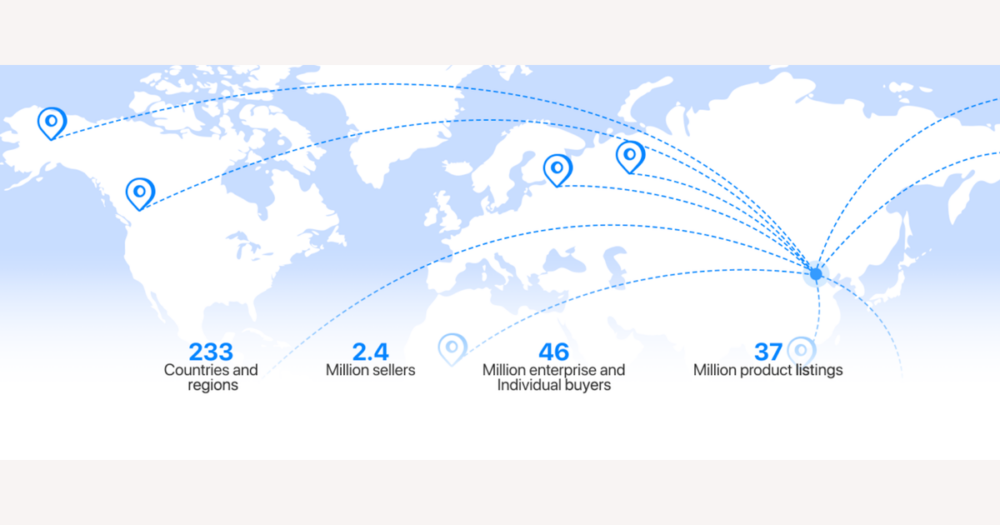
DHgate is a global online marketplace for buying from overseas and other distant suppliers, not a neighborhood directory for nearby small businesses. If you want to explore or support smaller sellers, it can be one option alongside local‑focused platforms and in‑person markets, as long as you understand how its cross‑border process, logistics, and buyer protections work and where they differ from local shopping.
DHgate’s role versus local-market websites
DHgate is a global online marketplace that connects buyers to a wide range of suppliers and small merchants, many of whom are based overseas and sell to international customers, including buyers in the US. It is built for cross‑border sourcing rather than for mapping your neighborhood markets, local farmers’ markets, or nearby brick‑and‑mortar shops.
Where a local marketplace or community platform is usually designed to highlight nearby businesses and in‑person or domestic shopping, DHgate focuses on giving access to distant and niche sellers through an online ordering system. If your main goal is to support local businesses around you, DHgate can still play a complementary role—helping you discover smaller or specialized vendors abroad—while you rely on location‑focused tools or in‑person markets for truly local shopping. If, like me, you care most about clear processes and buyer protection, it’s worth weighing DHgate’s global reach against the extra effort needed to understand cross‑border purchasing rules and logistics.
How a typical DHgate order works from search to delivery
- Search and browse DHgate for products and sellers, using categories, filters, and keywords to narrow what you see to the kinds of items or businesses that interest you.
- Open individual listings and seller profiles to check essential details: product specifications, approximate seller location, ratings, feedback, and any notes about shipping and returns.
- Add chosen items to your cart, confirm quantities, options, and prices, then submit the order through DHgate’s checkout flow rather than arranging the purchase directly with the seller off‑platform.
- Complete payment using DHgate‑supported payment methods, with funds processed through the platform or its partners instead of being sent straight to the seller’s account.
- Wait for the seller to confirm and process the order, paying attention to any estimated handling or processing time shown before the package is marked as shipped.
- Track the shipment once it is dispatched, using the tracking number and updates provided in your DHgate account, keeping in mind that how detailed those updates are depends on the carrier and route.
- If something goes wrong—such as the order never arriving or the item not matching the listing—open a dispute or refund request through DHgate and follow the platform’s instructions, rather than relying on informal arrangements with the seller.
Seeing the full sequence—from search and vetting through payment, shipping, and a possible dispute—clarifies where the key decisions and checks sit in the DHgate process. Seller trust is assessed through listings and profiles, money is committed at checkout, handling and tracking are monitored for delays, and DHgate’s dispute tools become the fallback if the transaction does not go as expected.
Interface labels, payment methods, and specific timelines can change, so confirm the current details in DHgate’s help or policy pages when you place an order. The broader flow—search, vet, pay through DHgate, track the shipment, and escalate issues through the platform—remains a useful planning guide if you value predictable, well‑explained steps over the widest possible range of sellers.
A tutorial video walks through tracking an order on DHgate, illustrating where in the interface you can see shipment status and updates once your package has been dispatched.
Cross-border shipping and customs: how DHgate differs from local shopping
Many DHgate sellers operate from overseas manufacturing or trading hubs, so even if you are ordering from the US, your package is often moving along an international route rather than a short domestic leg. That usually means longer transit times, handoffs between multiple carriers, and tracking that can pause for stretches while a parcel moves between countries or sits in a customs facility.
Because these are cross-border shipments, your order may be inspected by customs and can be subject to import taxes or duties depending on the destination country’s rules, the type of goods, and the order value. Those conditions are set and enforced by government authorities, not by DHgate, and they can change over time. If you want to avoid surprises, it is worth checking official customs information for your country and reviewing DHgate’s help or policy pages for the latest guidance before placing higher-value or sensitive orders.
Anyone approaching DHgate with local-style expectations—fast, predictable delivery and no extra border checks—should plan for extra buffer time and possible added costs when an item ships from abroad. That may be an acceptable tradeoff if you care most about accessing niche or specialized suppliers; if you mainly value convenience, you might prefer listings that ship from your own region or use more locally focused options alongside DHgate.
On DHgate, an order often travels internationally, passes through export and import processing, and may involve customs clearance before it reaches your doorstep. Timelines can vary widely between sellers and routes, tracking updates may be uneven, and total shipping costs can include both the seller’s shipping charge and, in some cases, duties or taxes charged separately by your country’s authorities.
Local or domestic-focused marketplaces, by contrast, usually connect you with nearby businesses, whether they ship from within your country or offer in-person pickup. Delivery windows tend to be shorter and more predictable, tracking is simpler because the parcel stays within one national system, and customs paperwork or import charges are rarely part of the experience.
DHgate’s global reach gives you access to sellers you would never meet at a neighborhood market, but it trades off against the straightforward logistics many people associate with buying locally. If dependable timing and minimal hassle are your top priorities, local or domestic channels will often feel easier; if you are willing to accept more variability in exchange for broader choice, DHgate’s cross-border model can still make sense.
Buyer protections on DHgate versus informal local purchases
When you pay for an order on DHgate, the transaction typically runs through DHgate or its payment partners rather than going straight into the seller’s pocket. In many cases, funds are held or only released once certain conditions are met, such as the seller confirming shipment or the buyer confirming that the order has been received as expected. This platform layer is designed to keep some leverage available if something goes wrong.
If an order never arrives, arrives damaged, or does not match the listing in a significant way, you can usually open a dispute through DHgate’s system instead of negotiating purely by private message. The platform sets out categories of problems it will consider, asks for evidence such as photos or messages, and applies timelines for when you can file and how long a case may stay open before a resolution is reached.
Those protections only work if you stay within DHgate’s framework: pay through the platform, keep key communication and evidence inside your account, and watch the protection windows and deadlines shown for your orders. If you miss a cutoff date or move the transaction off-platform, it becomes much harder to rely on DHgate’s rules to support you.
Buying through DHgate means your protections are defined by platform procedures: written dispute steps, structured evidence requests, and payment-release rules that apply in a consistent way across many sellers. You are relying on DHgate’s policies and systems to enforce those rules, and your main job is to understand and follow them closely enough to benefit from what they offer.
A purchase at a local shop, craft market stall, or community business usually feels more direct: you pay cash or card on the spot, and any refund or exchange depends on that specific business’s policies and whatever consumer-rights laws apply in your area. There may be strong legal protections in the background, but there is rarely a single platform mediating every step or holding funds on your behalf.
Neither setup is automatically safer than the other; what differs is who sets and enforces the rules. On DHgate, you work within a defined platform process that can be clearer if you read it carefully but may feel rigid. In local markets, you negotiate protections seller by seller within your local legal framework, which can feel more flexible but less standardized. Choosing between them comes down to whether you prefer platform-governed procedures or individual relationships with nearby businesses.
Practical checks when using DHgate to find smaller sellers
- Review the seller’s profile for stated location, how long they’ve been on DHgate, and the overall product range so you know whether they look like a stable, focused business or a generic reseller.
- Look at ratings, review counts, and recent feedback trends, giving more weight to comments about product accuracy, shipping reliability, and customer service than to the average score alone.
- Use the product description to verify materials, dimensions, included items, and any limitations or special conditions instead of relying on photos alone.
- Before ordering, verify the shipping options, processing time, estimated delivery window, and total cost—including separate shipping fees—to make sure the timeline fits your plans.
- Compare the return, refund, and warranty terms on the listing with DHgate’s general policies, and favor sellers that spell out clear steps and conditions rather than making vague promises.
- Allow for potential customs or import obligations on cross-border orders, including possible duties, checks, or delays in your budget and schedule.
- Keep order records and use DHgate’s messaging system so agreements, questions, and problems remain documented on the platform if you later need to open a dispute.
- Favor sellers whose listings, policies, and replies are clear and responsive; if their terms or communication feel confusing, skip that seller, especially if you want a dependable, small-business-style relationship.
Common pitfalls when treating DHgate like a local marketplace
- Do not assume a seller is local just because prices appear in your currency or listings are written in your language; always check the stated seller location and shipping origin.
- Avoid planning on local-shop delivery timings for DHgate orders; international processing and transit can add days or weeks compared with nearby purchases.
- Do not ignore the possibility of customs checks or import fees on cross-border shipments, especially for higher-value items, since these can add surprise costs at delivery.
- Recognize that returns and exchanges will follow DHgate’s dispute rules and the seller’s stated policies, not the informal, walk-in norms of a neighborhood store.
- Do not let protection windows expire; if something seems wrong with an order, raise the issue promptly through DHgate so you keep access to the platform’s dispute tools.
- Remember that these frustrations usually come from treating a global marketplace as if it were a local-only platform; watching location, logistics, and policy details reduces most of the risk.
When DHgate makes sense versus local marketplace or community platforms
| Buyer priority or scenario | DHgate as an option | Local/community platforms as an option |
|---|---|---|
| Access to niche or cross-border small merchants | Strong fit if you want unique or specialized items from overseas small sellers and are prepared for longer, more complex cross-border orders. | Usually weaker for international variety; many focus on nearby or domestic businesses with a more limited global range. |
| Prioritizing nearby businesses and in-person shopping | Can occasionally surface sellers closer to you, but the platform is not designed to highlight neighborhood shops or in-person visits. | Strong fit; many tools emphasize local merchants, in-person markets, and events in your area. |
| Needing simple logistics and predictable delivery | Less predictable; international shipping, multiple carriers, and potential customs checks can add time and complexity. | Often simpler; domestic shipping or local pickup usually means shorter, more consistent delivery windows. |
| Valuing clear, platform-defined protections | Provides platform-mediated disputes and defined rules if you follow timelines and raise issues through DHgate’s system. | Protections depend on each business and local consumer law; policies may be clearer for established shops and more informal at small stalls or markets. |
| Wanting to support local economies and community ties | Best seen as a complement: you can buy from smaller overseas merchants but it does not directly target your local community. | Best if your main goal is strengthening nearby businesses, building in-person relationships, and keeping spending close to home. |
| Balancing choice versus simplicity | Suited to readers who are comfortable trading extra effort—learning rules, tracking cross-border parcels—for wider, global choice. | Suited to readers who prefer straightforward logistics and familiar complaint routes, even if that means fewer vendors overall. |
| Overall role in your shopping mix | Works as a global marketplace you add when you specifically want niche or international sellers beyond your local options. | Acts as a primary tool when your focus is local discovery; DHgate complements rather than replaces these platforms. |
FAQ: Using DHgate if you mainly want to support local businesses
Can I realistically use DHgate only to support nearby businesses, or is it mainly for international and specialized sellers?
DHgate is primarily designed as a broad, often cross‑border marketplace, not as a local‑only directory or community hub. Some sellers may be closer to you geographically, but there is no built‑in guarantee that an order will come from a nearby, locally owned business in the way that visiting a neighborhood market or using a location‑based directory can provide.
If your main goal is strict local support—keeping most of your spending with nearby businesses and building community ties—it makes more sense to treat DHgate as a complement rather than your primary tool. You can use it to reach niche or overseas small merchants when you want something specialized, and combine that with location‑focused methods such as in‑person markets, local maps, or platforms that clearly show seller location and ownership.
I would prioritise platforms whose location filters, business descriptions, and policies are easy to understand if supporting local businesses is your top priority. DHgate can still fit into your mix, but it should not be your only channel if you want reliably local purchases.