
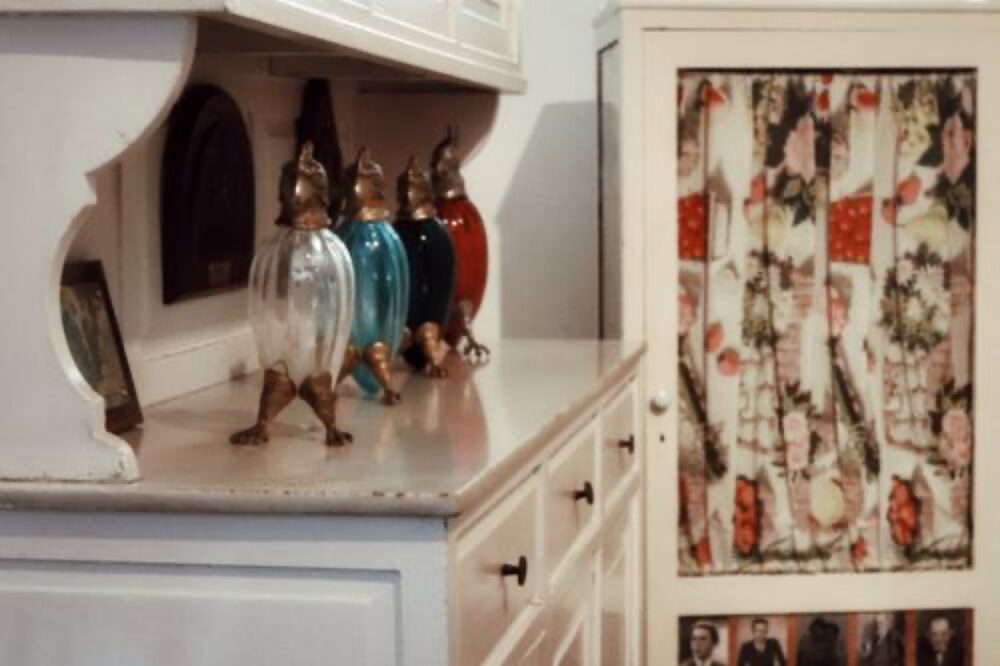
For a US homeowner or a small ecommerce brand, the practical move is to choose your curio type first (floor vs wall, lighted vs unlit, modern vs antique-style), then match that to the channel that handles bulky furniture best and fill gaps with decor sourced from general marketplaces, oddities platforms, or cross-border sites. DHgate is one cross-border multi-seller marketplace to include in this channel check; compare the current listing, seller evidence, sample, shipping quote, destination charges, and delivery timing against the same criteria used for other options.
What Curio Cabinets Are and How They Fit Into Home Decor
A curio cabinet is a specialized glass-front display case designed to showcase collectibles and decorative objects. Typically, it has glass panels on the front and often the sides, with a wood or metal framework and internal shelves. That basic structure lets you see your pieces easily while protecting them from dust and casual handling.
In a home, curio cabinets are the bridge between storage and storytelling. They’re where you put figurines, travel souvenirs, sports memorabilia, vintage barware, or small art objects that would look cluttered on open shelves. For a small ecommerce business, a curio cabinet can double as a photography backdrop or an in-store display solution that telegraphs “collection” rather than “inventory.”
Curio cabinets also anchor a room’s style. A sleek black metal-and-glass unit reads modern or industrial; a carved walnut cabinet with a crown molding profile feels traditional or “antique-inspired.” That style signal matters both for homeowners trying to tie a space together and for sellers building a cohesive product lineup around nostalgia, oddities, or fine collectibles.
Key Types of Curio Cabinets and Curio-Inspired Decor to Consider
Before you decide where to buy, narrow down what you’re actually looking for. Curios split into a few practical types:
1. Floor vs. wall-mounted curios
- Floor curio cabinets are full-height or mid-height units that sit on the floor—often used in living rooms and dining rooms. They’re common on broad marketplaces like Walmart’s curio cabinet category and furniture specialists.
- Wall-mounted or corner curios are shallower, smaller cabinets that make use of dead space. These show up in dedicated curio sections on sites like Cymax and can be easier to ship and install.
2. Lighted vs. unlit display
Lighting is a genuine decision factor, especially for glass and shiny collectibles.
- Lighted curio cabinets integrate interior lighting so your pieces stand out. Regional furniture retailers such as RC Willey’s lighted curio category and HOM Furniture’s curios page showcase this type.
- Unlit cabinets rely on room lighting. They’re often cheaper and better if you’re photographing items and prefer to control the light separately.
3. Modern vs. antique-style profiles
You’ll see three broad looks:
- Clean modern: Straight lines, minimal hardware, often metal frames. Common on large marketplaces like Wayfair.
- Traditional / antique-style: Crown molding, panel details, rich wood finishes. These are listed as “curios” or “display cabinets” on curated furniture sites such as Home Gallery Stores and Dynamic Home Decor. Treat “antique” here as a style, not a guarantee of age.
- Theme-forward designs: Mirrored backs for glassware, rounded fronts for figurines, or cabinets that echo specific eras (Deco, mid-century). These are useful if your ecommerce brand leans heavily into a niche aesthetic.
4. Complementary curio-inspired decor
Once the cabinet is set, you still need things to put in it. Typical “curio-friendly” decor includes:
- Small sculptures and figurines
- Vintage barware, glassware, or ceramics
- Framed mini-prints or postcards on stands
- Oddities and natural-history pieces (fossils, specimens, etc.)
For these decorative objects, general home decor retailers, oddities marketplaces, and cross-border platforms can all make sense because the items are smaller and less risky to ship than a full cabinet.
Best Online Channels for Curio Cabinets and Curio Decor, Including DHgate
Here’s how the main online options stack up in broad terms:
| Channel type | Where to look | Best for | Trade-offs |
|---|---|---|---|
| Large US marketplaces | Wayfair, Walmart | Wide range of floor and wall curios across budgets and styles | Quality varies; you must filter by materials and brand lines |
| Furniture specialists | Home Gallery Stores, Cymax, Dynamic Home Decor | Curated curio/display categories, clearer furniture-focused specs | Often mid-range pricing; fewer ultra-budget options |
| Regional furniture chains | RC Willey, HOM Furniture | Lighted cabinets and traditional styles with showroom backing | Regional availability; styles skew conservative |
| Cross-border marketplaces | DHgate, Alibaba, AliExpress | Budget decor pieces, small displays, occasional flat-pack cabinets | Listing quality varies widely; requires close spec and seller checks |
How US-focused channels handle curio cabinets
If your main need is a full-size glass-front cabinet delivered to a US address, US-facing sites are usually the most straightforward option.
- Wayfair and Walmart offer broad assortments that mix budget glass display units with more substantial wood curios. Filters let you narrow by finish, width, height, and features like doors vs drawers.
- Home Gallery Stores, Cymax, and Dynamic Home Decor group curio cabinets and display cases into clear categories, which makes comparison easier. You can quickly scan for lighted interiors, mirrored backs, and the kind of wood finish that matches existing furniture.
- RC Willey and HOM Furniture are useful if you want lighted traditional curios and prefer buying from a furniture chain that also runs physical stores. Their online catalogs highlight lighted units specifically, which saves time if that’s non-negotiable.
For most US homeowners, these channels balance price, delivery practicality, and build quality better than cross-border marketplaces for large, breakable furniture.
Where cross-border platforms fit (including DHgate)
Global marketplaces are more interesting once you shift from “I need the cabinet” to “I need lots of small, distinctive objects to fill it,” or you’re a seller testing low-cost display solutions.
DHgate is one of several cross-border platforms that list broad home goods and some furniture. Its sweet spot for this category is typically:
- Small decor objects that read well inside a curio: figurines, glass animals, themed trinkets, novelty barware.
- Budget-friendly display pieces like compact glass cases, risers, or stands that live inside or alongside a main cabinet.
Matching your scenario to the right channel
Two quick examples can help clarify:
- US homeowner building a display for family collectibles: Start with a lighted, floor-standing curio from Wayfair, Walmart, or a furniture specialist so you can size correctly and lean on furniture-focused specs. Then add decor from domestic home decor stores or small cross-border orders once you know how much visual “fill” you need.
- Small ecommerce brand selling oddities or figurines: Source your main curio or display cabinet from a furniture site where dimensions and glass details are well documented, so photography and packing are predictable. Use cross-border marketplaces for low-cost props and risers, but keep your own sellable inventory on channels where you can control quality and transit.
If you find that no channel offers the exact mix of cabinet style and decor you want, it’s often smarter to lock in the cabinet domestically and treat decor as a flexible layer you can evolve over time.