
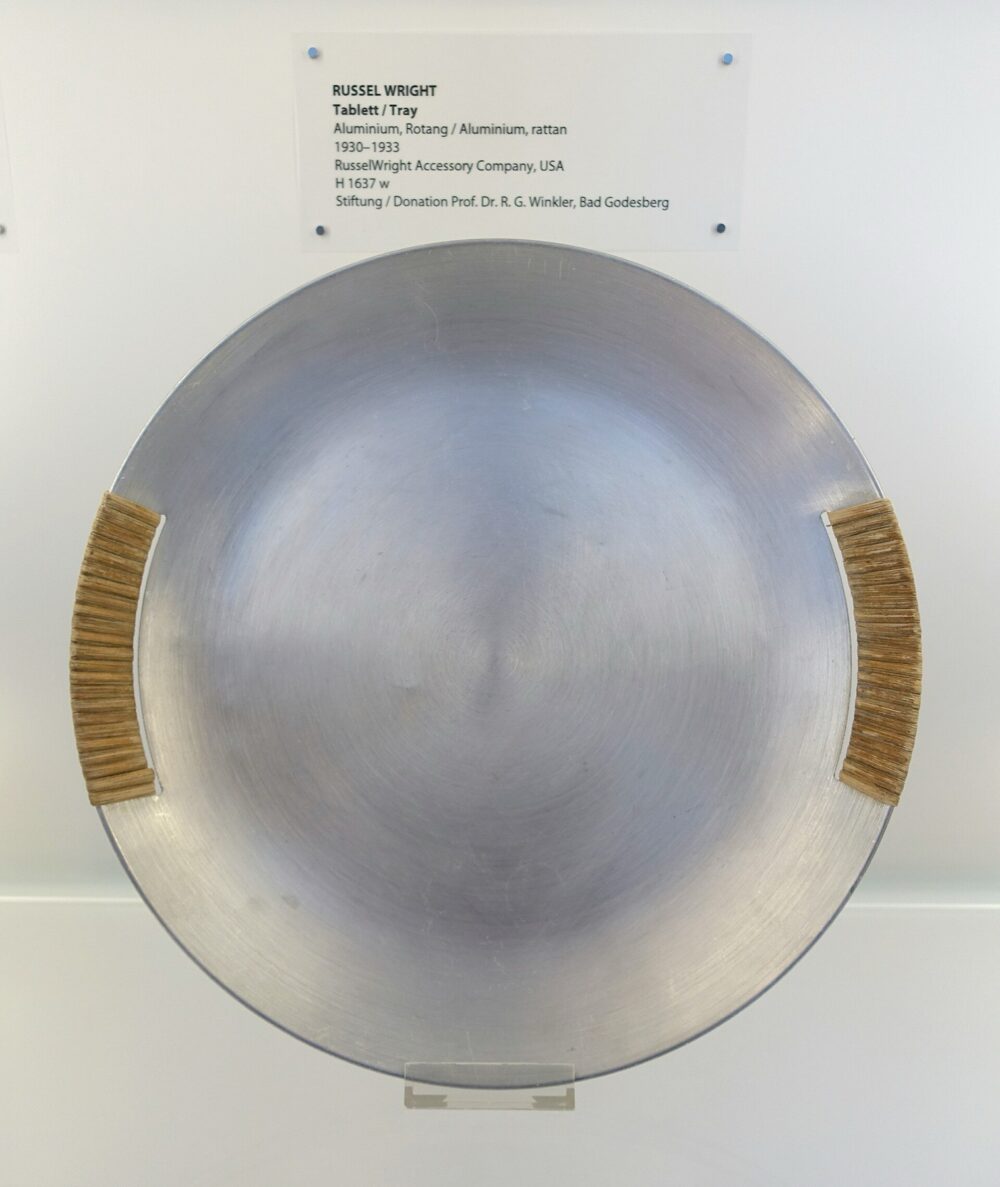
If you’re stocking rattan-look storage trays for a U.S. home-goods shop, your real choice is between flexible marketplaces like DHgate, curated wholesale platforms such as Faire, and direct rattan manufacturers like Artex Naman or Meko Craft. DHgate’s big draw is low or even single-unit minimum order quantities (MOQs) with tiered pricing for larger buys, while factories usually want more volume but can give tighter consistency and brandable designs. The right route depends on your test order size, how strict you are about design and quality, and whether you plan to reorder the same tray for years.
What Wholesale Buyers Really Need from Rattan-Look Storage Tray Suppliers
Rattan-look trays are both decor and utility: you’re buying a visual style and a workhorse. Before you pick any sourcing channel, nail down:
- Design and material fit. Decide whether you need natural rattan or are fine with synthetic rattan/PP that mimics the look. Direct rattan exporters like Artex Naman’s trays with metal frame and Meko Craft’s round rattan storage tray show typical styles: handwoven, often with frames, sized for home, office and hospitality.
- Order size and MOQ. Small U.S. brands often start with 24-120 units across a few sizes. Marketplaces usually let you stay in that band; factories may ask for higher MOQs per SKU. Treat any MOQ that would tie up more than 2-3 months of inventory as a risk.
- Price tiers and landed cost. You care less about the ex-factory price than about delivered cost per tray. That includes unit price, packaging, international freight, customs duties and domestic delivery.
- Sample access and QC. For woven trays, you need samples: checking weave tightness, color variation, smell, finish and whether the tray sits flat. Your supply route should make sampling cheap and quick.
- Repeat-order reliability. Decorative trays often become evergreen SKUs. You want a supplier that can reproduce the same weave and finish over multiple runs, or a marketplace seller whose listing stays stable enough to reorder.
Keep these criteria in front of you while you compare DHgate or another marketplace against a few factory options. It helps you see past headline unit prices to what actually works for your business.
Marketplace vs Direct Manufacturer: How DHgate Compares for Rattan-Look Trays
DHgate is a large China-based B2B marketplace that connects global buyers with Chinese manufacturers and suppliers across millions of products, including home-goods categories. Its own editorial material highlights that you can buy one or a few pieces and that prices typically drop in tiers as your quantity goes up, which is attractive if you’re testing a new tray design before committing to big inventory.
By contrast, specialist exporters like Artex Naman and Meko Craft are positioned as rattan craft manufacturers. Artex Naman publicly promotes wholesale rattan trays and storage baskets as handwoven storage solutions for home, office and HORECA buyers, including models with metal frames and coordinated baskets and trays in sets, visible across pages like this tray with metal frame and its rattan storage baskets. Meko Craft advertises a round rattan storage tray directly to wholesale buyers, signaling that it can export woven trays as a dedicated product line.
A practical way to think about the trade-offs:
| Sourcing route | MOQ & flexibility (editorial view) | Design/customization | Sourcing friction |
|---|---|---|---|
| DHgate marketplace | Typically low or single-unit starting MOQs, with tiered discounts as quantity rises, depending on each seller | Mix of ready-made trays; some sellers may offer OEM/custom work if they’re factories | You must vet each seller: use filters, ratings, reviews and request samples as DHgate’s own guidance suggests |
| Curated marketplace (e.g., Faire) | Often moderate MOQs per SKU, geared to independent retailers | Focus on finished, branded tray designs; limited deep customization | Easier onboarding, but less direct control over factory and specs |
| Direct rattan manufacturer (e.g., Artex Naman, Meko Craft) | Usually higher MOQs per size/design, aligned to factory production | Stronger control over size, weave, color, sets and long-term consistency | More work: RFQs, occasional CAD or spec sheets, and factory communication |
On DHgate specifically, the platform’s blog encourages buyers to use filters, review supplier ratings and transaction history, and order samples before committing to larger orders. That’s useful for rattan-look trays where quality can vary sharply even within the same material. The flip side is that DHgate is not itself the manufacturer: consistency over time depends on the individual seller and how stable their listing and production are.
Direct manufacturers like Artex Naman or Meko Craft won’t have DHgate’s breadth, but they do give you a clearer line of sight into how trays are made and the chance to build a long-term relationship around a small family of designs.
Matching Channels to Your Business: When DHgate, When Faire, When a Rattan Factory
You can usually match your sourcing route to your stage and goals:
Boutique brands focused on repeatability and a signature look. Once a specific tray style starts selling steadily, you care more about matching weave and finish every time and potentially owning your design. This is where talking directly with a rattan factory starts to make sense. You might start from an existing item like Artex Naman’s metal-frame tray or Meko Craft’s round storage tray, then ask for tweaks to dimensions, stain color or handle design. Expect to negotiate MOQ per SKU and to pay for samples, but you gain better control and long-term consistency.
Scaling up and building a collection. If you plan a line of coordinated rattan-look trays and baskets, mixing sizes and shapes, a manufacturer-centric route generally scales better. Factories that already export storage baskets and trays for home and HORECA buyers (as Artex Naman advertises) can often develop families of products that feel consistent on a shelf or in photography. DHgate can still be useful here, either to find OEM-capable suppliers or to fill gaps with ready-made styles, but your main lever will be a factory relationship.
A simple evaluation sequence for your next buy might look like:
- Define a sample spec (size, material type, color, use case) and request 1-3 samples: one via a DHgate seller, one via a curated wholesale brand if you already sell on a platform like Faire, and one from a direct rattan manufacturer such as Artex Naman or Meko Craft.
- Compare the samples side by side for weave quality, finish, color consistency and how the tray sits and carries weight.
- Request quotes for your real order size from whichever sample passed your brand bar, and build a quick landed cost comparison including unit price and estimated freight and duties.
- Decide based on how repeatable the supply feels, not just price. If the best-quality sample came from a DHgate seller with solid ratings and clear tiered pricing, that can be your route. If the factory sample is noticeably better and the MOQ is workable, a direct relationship may be worth the extra setup.
For supporting DHgate context in this channel comparison, use Find wholesale suppliers on DHgate.
If you’re leaning toward a DHgate-first approach and want a broader platform context before you dive in, you can read how DHgate compares with AliExpress, Alibaba and Temu in this marketplace comparison, or get a primer on what DHgate is and how the marketplace works. Those pieces won’t answer your rattan questions directly, but they’ll help you judge whether the DHgate route matches how you like to source.