
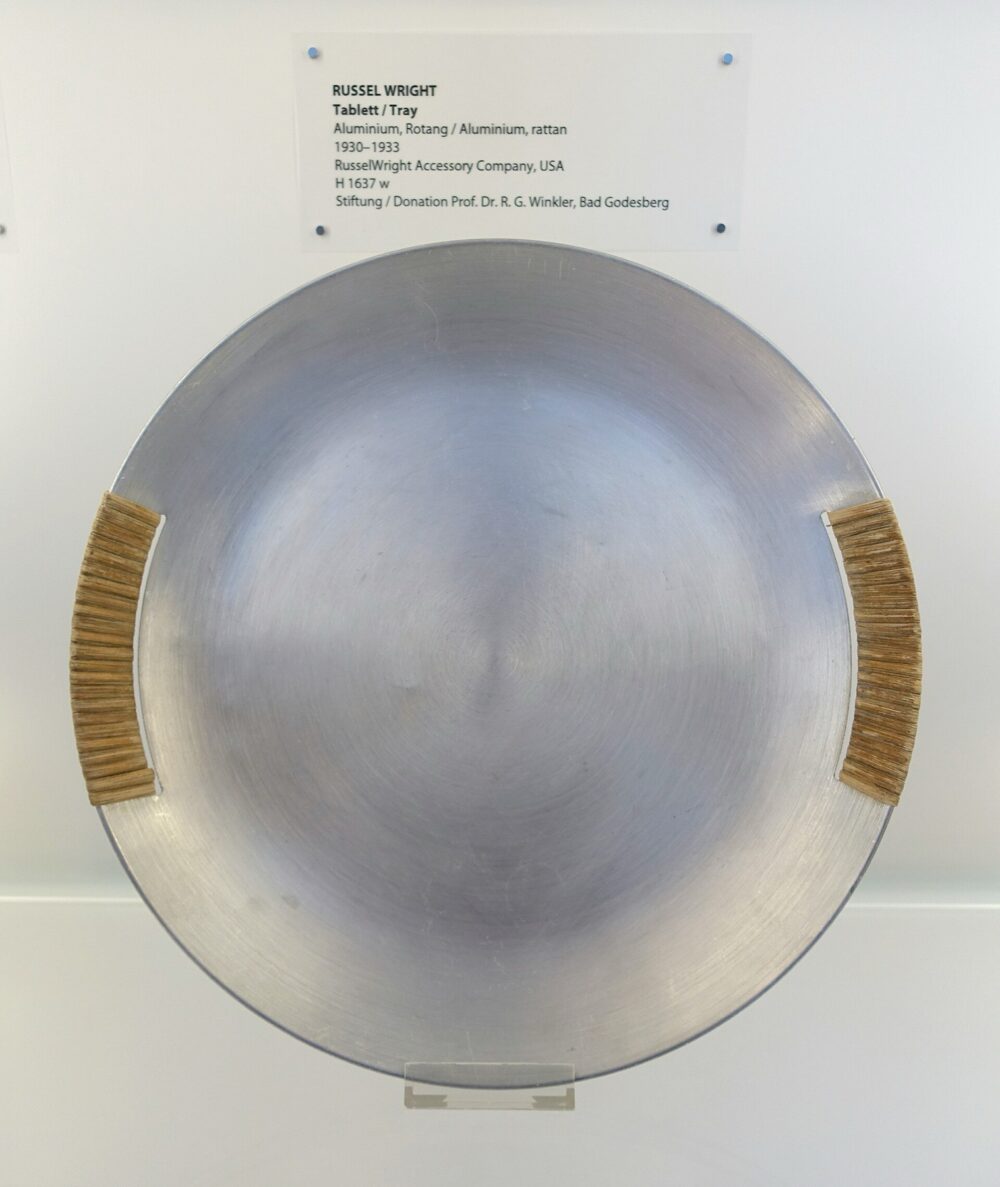
Wholesale buying rattan‑look storage trays means committing to bulk runs of decorative storage pieces that match your brand, at a landed cost you can repeat. For a small U.S. retailer or Etsy/Amazon seller, that usually means testing low-MOQ suppliers on marketplaces like DHgate, then deciding whether to double down there or move to decor-focused wholesalers or direct exporters once you know which trays actually sell.
The key decisions are: which material and weave fit your customers, how to vet sellers you’ll never meet in person, and which channel gives you the best mix of flexible MOQ, design quality, and total cost—including shipping and duties.
How Rattan-Look Storage Trays Are Made and Sold in Wholesale Channels
“Rattan-look” trays cover two broad families:
- Natural rattan trays – handwoven cane or rattan core, often in round or rectangular shapes used for coffee tables, kitchen islands, and hotel/restaurant service. Export-oriented craft manufacturers in Southeast Asia, including Vietnam, sell sets and single trays wholesale to global buyers.
- Synthetic rattan-style trays – plastic or PP fibers woven to mimic rattan, often with wire or metal frames. These suit food service, bathrooms, and outdoor use because they’re easier to clean and more consistent in color.
For example, Vietnam-based exporters like Meko Craft’s round rattan storage tray and Artex Naman’s rattan tray with metal frame show the typical export setup: handwoven trays, sometimes with reinforcement, offered in bulk to overseas buyers for home, office, and HORECA (hotel/restaurant/café) use.
In practice, the supply chain looks like this:
- Craft workshop or factory in China, Vietnam, Indonesia, or another producer country.
- Trader or export company that aggregates products and handles English communication.
- Marketplace (DHgate, other B2B platforms) or decor-focused wholesale site, where you discover the product.
- Your U.S. business as the importer of record.
The weak points for you: inconsistent weaving quality, color variation between batches, and unclear information about coatings/finishes. That’s why sampling and clear specifications matter even more than price in this category.
Evaluating and Communicating With Rattan Tray Suppliers (Including DHgate Sellers)
On DHgate and similar platforms, you’re not buying from “DHgate”; you’re buying from individual suppliers using the marketplace. DHgate’s own editorial guidance emphasizes using filters, checking ratings and reviews, and requesting samples before larger orders, and treating minimum order quantity (MOQ) and certifications as key checks.
Here’s a practical evaluation and communication sequence tailored to rattan-look trays:
- Shortlist with filters and search
On DHgate, you can narrow searches to specific product types and MOQ ranges.Source For trays, combine concrete search terms (“rattan tray”, “synthetic rattan food tray”, “woven storage basket tray”) with filters for order quantity and supplier type (manufacturer vs trader, where available).
- Screen seller evidence, not just price
For each candidate listing:
- Check supplier ratings and transaction history where visible—DHgate’s sourcing guide explicitly calls these out as signals to evaluate reliability.Source
- Read buyer feedback for comments specific to weaving quality, color consistency, smell, and sturdiness—all pain points in woven decor.
- Ask targeted tray questions before you sample
Use the messaging tools to ask:
- Is the material natural rattan, rattan core, or synthetic? Any coating or varnish?
- Are trays stackable and how are they packed (important for storage and freight volume)?
- What’s the internal usable size in inches, not just external diameter/length?
- Can they send close-up photos of weave and edges from current stock, not just catalog images?
- Request samples as DHgate’s own guidance suggests
DHgate’s ecommerce guide specifically recommends ordering samples to test product quality before committing to larger orders.Source For rattan-look trays, make the sample useful:
- Order at least 2-3 pieces in any design you might stock, so you can see variation.
- Inspect for loose ends, uneven color, rough edges, and any odor from finishes.
- Drop-test lightly and load with typical items (mugs, skincare bottles) to judge sturdiness.
DHgate highlights that the platform itself does not enforce a minimum order quantity; individual wholesalers set their own MOQs and tiered pricing.Source For your tray supplier, you want written answers on:
- MOQ for first order vs repeat orders.
- Whether they plan to keep this design in the catalog for at least the next season.
- Check certifications only if they matter to your use
DHgate’s wholesale advice mentions looking for certifications relevant to your buyers (like food-contact standards) where applicable. If you’ll sell trays for food or hospitality, ask specifically what testing or declarations they can offer, and treat vague answers as a red flag.
For more detailed marketplace tactics, you can dig deeper into how to find wholesale suppliers on DHgate and how to choose a DHgate wholesale supplier.
MOQ, Pricing, and Channel Choice: DHgate vs Decor Wholesalers and Exporters
You’ll feel the trade‑offs most around MOQ, per‑unit pricing, and how much work you want to do on sourcing.
DHgate’s own wholesale blog describes the platform as having no platform-wide MOQ requirement, with suppliers free to sell even one or two units, and a tiered pricing system where larger orders usually lower the per-unit price.Source That makes it attractive for testing new SKUs. Decor wholesalers and artisan exporters tend to expect higher MOQs but offer more curated designs.
Here’s a high-level comparison framed for rattan-look trays:
| Channel type | Typical MOQ behavior (editorial judgment) | Pricing structure (supported where noted) | Best fit scenarios |
|---|---|---|---|
| DHgate sellers | Often willing to sell very small test quantities, since the platform doesn’t enforce a minimum order requirement and lets wholesalers set their own MOQs.Source | Tiered pricing: DHgate’s blog describes prices that drop as you buy more, with wholesalers setting their own levels.Source | Great for testing 1-3 tray designs in small volumes, or running low-risk experiments on Amazon/Etsy before scaling. |
| Decor-focused wholesale platforms (e.g., Faire, regional decor wholesalers) | Frequently expect case packs or moderate MOQs per SKU; sometimes restricted to registered retailers. (Based on typical decor wholesale norms and mixed evidence from sites like Faire.) | Often present clear wholesale price lists with fixed case pack costs and margins; may include brand positioning baked into price. | Better when you want branded or artisan trays with story-driven positioning and predictable replenishment, and you’re ready to commit to cases. |
| Direct exporters / craft brands (e.g., Vietnam rattan exporters like Artex Naman, Meko Craft) | Often set higher MOQs per design to keep weaving efficient; may negotiate for new clients. | Pricing usually quoted per design and size, with discounts at larger volumes; you negotiate directly. | Strong fit once you have proven demand and want tighter control over quality, finishes, and long-term collaboration. |
Cost drivers to keep in mind
Rattan-look trays are light but bulky. That means freight costs are driven by volume (carton size) more than weight. When you compare DHgate vs a decor wholesaler vs direct exporter:
- Ask for carton dimensions and units per carton to estimate how many trays fit in a cubic foot of freight.
- Remember that higher MOQ at a lower unit price may still cost more upfront once you add freight and duties.
- Consider whether a mixed design carton (several tray sizes/styles packed together) is possible; DHgate sellers and direct exporters may be more flexible here than branded wholesalers.
Mini scenario: DHgate test order vs decor wholesaler order
- DHgate path: You identify two synthetic rattan food trays from different DHgate suppliers, each willing to sell 5-10 pieces. You sample, pick the better weave, then place a 60-80 piece order leveraging the seller’s tiered pricing. Your cost per tray falls, but you accept that packaging and branding are generic.
- Decor wholesaler path: You sign up with a decor marketplace or U.S. importer carrying a curated line of natural rattan trays. Their MOQ is, say, 2 case packs of 12 trays per design (editorial example), with a higher unit cost but consistent branding and quality. You gain reliable replenishment but commit more cash to inventory.
Neither route is objectively “better”. For a young ecommerce brand, the DHgate-style low MOQ and flexible testing is often the right first step, then you shift toward decor wholesalers or direct exporters once you know your hero SKUs and margins.
Practical Checklist for Samples and Your First Bulk Order
Instead of a generic checklist, here’s a short sequence specifically for rattan-look trays:
- Define 2-3 use cases you want to sell into (coffee table styling, bathroom storage, café serving). Write down required tray sizes and colors.
- Shortlist 3-5 suppliers on DHgate and, if relevant, one or two export-focused brands like Artex Naman’s storage baskets or Meko Craft’s trays that match those use cases.
- Order samples that mirror your real merchandising plan (e.g., one large tray, one medium, one shallow), and inspect them against a simple rubric: weave quality, color consistency, sturdiness, finish odor, and packaging.
- Run numbers on landed cost: unit price at your expected tier, plus estimated freight and import costs per tray. If a route only works at very high MOQ, it may be wrong for early testing.
- Lock in one supply route for your first season: a single DHgate seller with acceptable quality, or a decor wholesaler/exporter with better brand alignment. Keep one backup supplier identified in case quality slips.
If you decide DHgate is your primary test channel, it’s worth investing extra time in supplier discovery and vetting. Our guides on finding DHgate suppliers and choosing a wholesale partner can help structure that search without turning your tray project into a full-time sourcing job.