
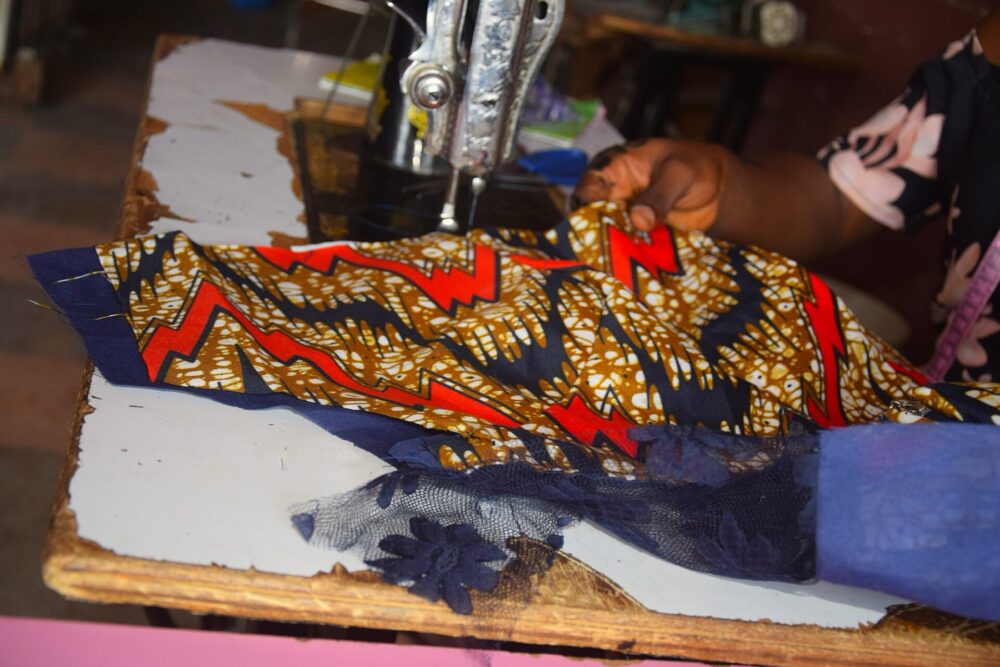
Pongee is easiest to buy online from fabric wholesalers and Chinese mills that specialise in linings, outerwear, and umbrella cloth. You can sometimes find pongee listings on DHgate as well, but they vary widely in quality and detail, so you’ll need to vet each seller carefully and compare against more specialised channels like Alibaba, Made‑in‑China and dedicated textile wholesalers before placing a cross‑border order from Australia.
The rest of this guide walks through what pongee actually is, the specs that matter (like 190T vs 300T), and which channels tend to work best for apparel, umbrella, and lining buyers.
What Pongee Fabric Is and Why Buyers Seek It Out
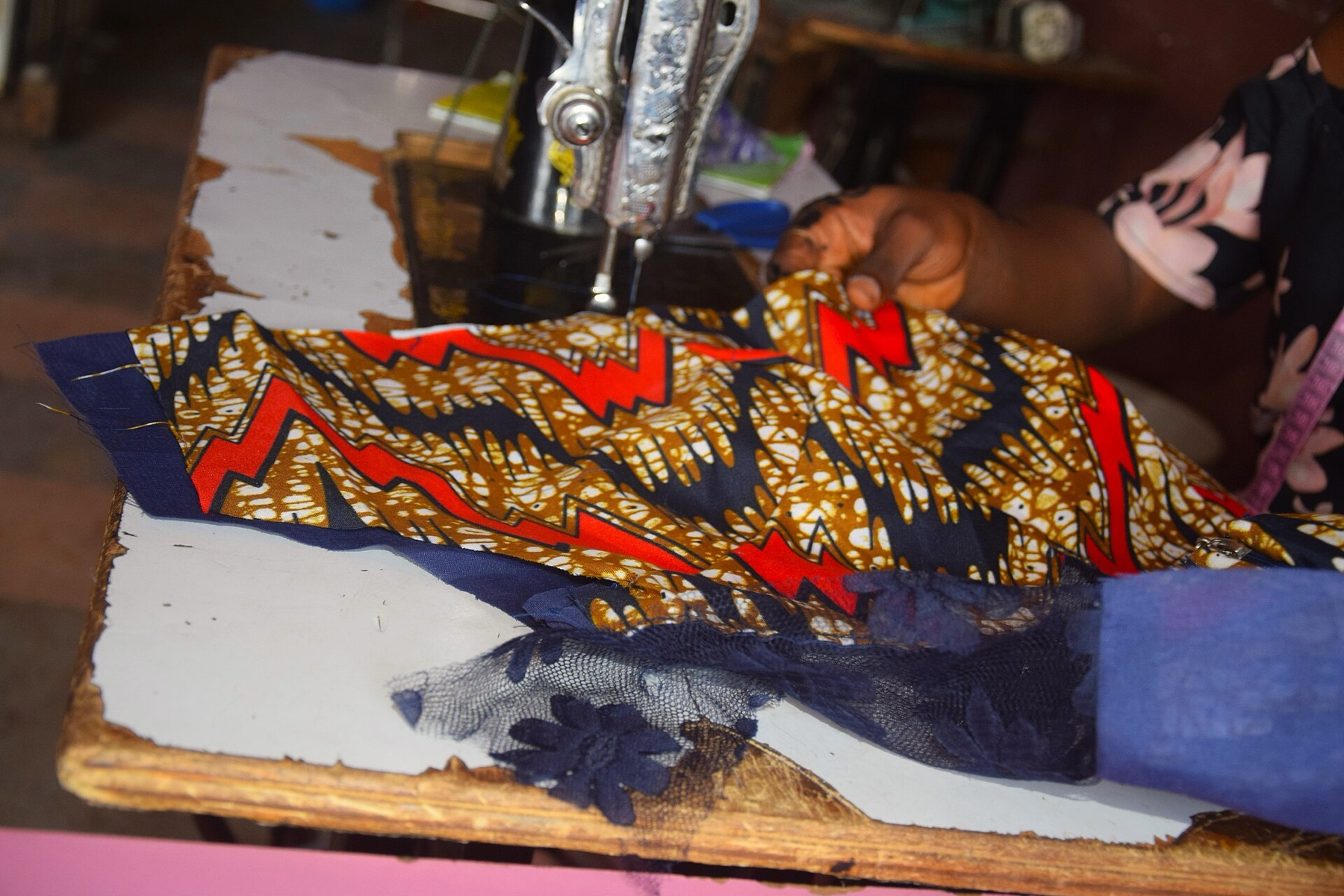
Pongee is a lightweight plain‑weave fabric originally woven from silk. Modern commercial pongee is more often polyester, designed to mimic the soft hand and smooth surface of silk while being more affordable and easier to care for.
Textile references describe pongee as soft, with a subtle sheen and relatively tight weave, making it popular for:
- Jacket shells and windbreakers
- Suit and coat linings
- Umbrella canopies and rainwear
Silk pongee still exists for higher‑end apparel or scarves, but if you’re sourcing umbrella fabric or everyday linings in bulk, you’re almost always looking at polyester pongee.
Types of Pongee and the Specs That Actually Matter
Commercial pongee breaks into two main fibre types and several construction variants. Understanding the codes used in listings lets you avoid guesswork.
Silk vs polyester pongee
Here’s a simple comparison to anchor your choice:
| Type | Typical use | Feel & appearance | Cost & sourcing |
|---|---|---|---|
| Silk pongee | Scarves, luxury linings, dresses | Soft, natural sheen | Higher; niche suppliers |
| Polyester pongee | Umbrellas, jackets, everyday linings | Smooth, slightly crisper | Lower; widely available |
Most cross‑border listings you’ll see from Chinese mills and B2B platforms are polyester pongee.
T ratings (190T, 300T) and density
Polyester pongee is often described by a T rating. A reference on Pongee explained notes that numbers like 190T or 300T indicate thread density.
- 190T pongee: Common for standard umbrellas and linings; reasonably lightweight.
- 300T pongee: Higher thread density; feels tighter and can give better coverage for premium umbrellas or more durable outerwear.
On Made‑in‑China, for example, 190T polyester pongee is offered by the roll (e.g., 100‑metre rolls) aimed at international buyers. That’s the kind of spec you want to see: fibre, T rating, width, and roll length clearly stated.
Stretch, dobby, honeycomb and coatings
Chinese mills and wholesalers expand on basic pongee with constructions and finishes targeted to performance:
- High‑stretch polyester pongee: A listing from MH Wholesale shows a stretch pongee with PU film coating aimed at outerwear and sportswear (MH high stretch pongee). Stretch makes jackets and active pieces more comfortable.
- Dobby or honeycomb pongee: Mills sell dobby/honeycomb pongee where the weave creates subtle geometric texture. These are marketed for jackets or more technical garments.
- PU or other coatings: Umbrella fabrics often add a polyurethane (PU) or similar coating on one side to improve water resistance and colourfastness.
A good pongee spec sheet, whether on a mill’s site like Colorful Fish Textile or a B2B marketplace, will spell out:
- Fibre (100% polyester or silk)
- T rating and/or denier
- Width and roll length
- Any stretch content (e.g., spandex) and coating (PU film, milky, etc.)
Where to Buy Pongee Online and How to Judge Quality and Price
You have four main online routes, each better suited to different buyers and pongee types.
Channel comparison: pongee sourcing options
Use this table to quickly see how each channel tends to handle pongee fabric:
| Channel type | Typical pongee types available | Usual order format | Best suited buyers |
|---|---|---|---|
| Specialist mills & Chinese wholesalers | Broad range of polyester pongee (190T, 300T, stretch, dobby, coated) aimed at umbrellas and outerwear | Full rolls or bulk lots | Brands or makers needing consistent bulk for production |
| B2B marketplaces (e.g., Made‑in‑China, Alibaba) | Standard 190T/300T polyester pongee, umbrella‑grade coated fabrics, some custom colour/print options | Roll‑based wholesale listings | Buyers wanting to compare multiple suppliers side by side |
| Western wholesalers/retail sites | Polyester pongee for linings and dresses, sometimes marketed as “silky” pongee, plus occasional silk pongee | Sold by yard/metre with retail-style checkout | Small sewing businesses needing moderate quantities with simpler logistics |
| Marketplaces connecting to Chinese suppliers | Mixed listings: umbrella or lining pongee alongside finished umbrellas/garments; spec detail varies | Smaller lots or mixed product bundles | Buyers willing to vet individual sellers carefully for lower MOQs |
1. Specialist mills and Chinese wholesalers
Chinese textile mills and export‑focused wholesalers specialise in pongee for umbrellas and outerwear. Sites such as MH Wholesale (high‑stretch pongee example) and Colorful Fish Textile (pongee fabric range) showcase:
- Multiple constructions (standard 190T, 300T, dobby, honeycomb)
- Clear spec grids for textile buyers
- Roll‑based wholesale framing
This channel makes the most sense if you’re an Australian small business ordering full rolls for production (umbrellas, jackets, branded rainwear) and willing to manage cross‑border freight.
Quality and price checks for mills/wholesalers:
- Match the T rating and coating to your use: 190T uncoated pongee is fine for linings; umbrellas usually need coated pongee.
- Request spec PDFs or test data if offered (e.g., hydrostatic head for umbrella fabric), and confirm width and roll length so you can calculate yield.
- Compare per‑metre cost plus freight rather than just roll price; your landed cost into Australia can shift the value equation.
2. B2B marketplaces (Alibaba, Made‑in‑China, others)
Platforms such as Alibaba and Made‑in‑China aggregate many mills and traders. For pongee they tend to offer:
- Standard 190T and 300T polyester pongee by the roll
- Umbrella‑grade, coated pongee
- Options for custom colours and prints at wholesale quantities
This route is good if you want to compare multiple suppliers side by side, still at roll quantities. Expect to see MOQs and pricing framed per roll or per bulk lot.
How to judge listings on B2B marketplaces:
- Filter for “polyester pongee 190T/300T” with your target width.
- Look for listings that show close‑up photos of both face and back (especially for coated fabrics) and list fibre, T rating, and finish in text.
- Shortlist 2-3 suppliers, then ask each for sample swatches and a quote including courier to Australia so you can compare hand feel and true landed cost.
3. Western wholesalers and retail‑friendly sites
If you only need dozens of metres instead of entire rolls, Western wholesalers can be easier. For instance, FabricWholesaleDirect sells “silky polyester pongee” by the yard to retail buyers.
Expect:
- Simpler spec sheets (polyester composition, width, broad use cases like “linings” or “dresses”)
- Smaller cuts (metres/yards) with higher per‑metre pricing than mill‑direct imports
For a small apparel or sewing business, this route reduces complexity: you get manageable quantities, consumer‑style checkout flows, and domestic‑friendly shipping, at the cost of fewer technical variants and less customisation.
4. Marketplaces connecting you to Chinese suppliers (including DHgate)
DHgate is a China‑based wholesale‑oriented marketplace where independent suppliers list products and sell directly to global buyers. Brand editorial context describes it as a platform geared to small and medium businesses, with lower typical minimum order quantities than some B2B rivals and a broad product mix across apparel and textiles.
For pongee, you may see umbrella fabric or lining fabric offered in smaller lots or mixed with finished umbrellas and garments. The opportunity is lower MOQs, but the trade‑off is variable listing quality, so you’ll need to do more homework at seller level.
If you do explore pongee listings on DHgate, make it a second‑tier option after you’re clear on specs. Use concrete checks rather than trusting the marketplace brand alone:
- Start by clarifying your spec (e.g., “polyester 190T pongee, PU coated, 150cm width”), then search and ignore vague listings that don’t confirm these details.
- Focus on listings that show fabric close‑ups, composition, T rating and intended use (umbrella, jacket, lining).
- Before committing, review seller history and communicate directly to confirm exact specs and cut length.
For DHgate‑specific buying steps, DHgateWiki has separate pages on what DHgate is and how the marketplace works, finding trusted sellers on DHgate, and an order‑readiness checklist before checkout.
Scenario mini‑examples: match your project to the right channel
To make this practical for Australian buyers, here are three common scenarios.
Apparel and jackets
You run a small outerwear label and want a smooth, slightly technical shell fabric.
- Target spec: Polyester pongee 300T, possibly stretch, with or without PU coating depending on how waterproof you need it.
- Best channels: specialist mills or B2B marketplaces (Alibaba, Made‑in‑China) where you can find stretch or dobby pongee and order custom colours.
- DHgate use: only if you find a listing that clearly matches your spec and you’re comfortable with smaller, potentially less standardised lots.
Umbrella production or branding
You need fabric for promo umbrellas or a small run of branded umbrellas.
- Target spec: 190T or 300T polyester pongee, PU‑coated, umbrella‑grade.
- Best channels: mills and wholesalers with umbrella‑specific pongee ranges, often listed on sites like MH Wholesale or Made‑in‑China so you can see coating details.
- Western wholesalers: usually carry generic lining pongee rather than umbrella‑specific coated fabric, so they’re a weaker fit.
Linings for suits, blazers or bags
You’re lining tailored garments or bags and care more about drape than waterproofing.
- Target spec: Silk pongee for premium pieces, or uncoated polyester pongee with a silky hand for everyday use.
- Best channels: Western wholesalers like FabricWholesaleDirect for smaller cuts, or niche silk suppliers if you want real silk pongee.
- Cross‑border mills: worthwhile only if you need large volumes and can define your spec precisely.
Quick spec sidebar: decoding listing language
When you browse pongee listings, you’ll see a mix of codes and marketing language. Use this as a shorthand:
- “190T” / “300T” – thread density tiers; higher usually feels denser and more premium.
- “Silky polyester pongee” – polyester made to mimic silk; good for linings and dresses.
- “Stretch pongee” / “spandex pongee” – includes elastane; better for fitted outerwear.
- “Dobby” / “honeycomb” pongee – textured weave; more technical look and feel.
- “PU coated” – water‑resistant finish, typically for umbrellas and rainwear.
If a listing doesn’t state at least fibre plus one of these construction clues, treat it as incomplete and ask the seller for clarification or look elsewhere.
For most Australian buyers, the sweetest spot is: decide your pongee type (fibre, T rating, coating), then compare at least one specialised mill or B2B marketplace listing against a Western wholesaler and, if relevant, a well‑specified DHgate listing. That way you’re choosing on real specs and landed cost, not just a platform logo.