
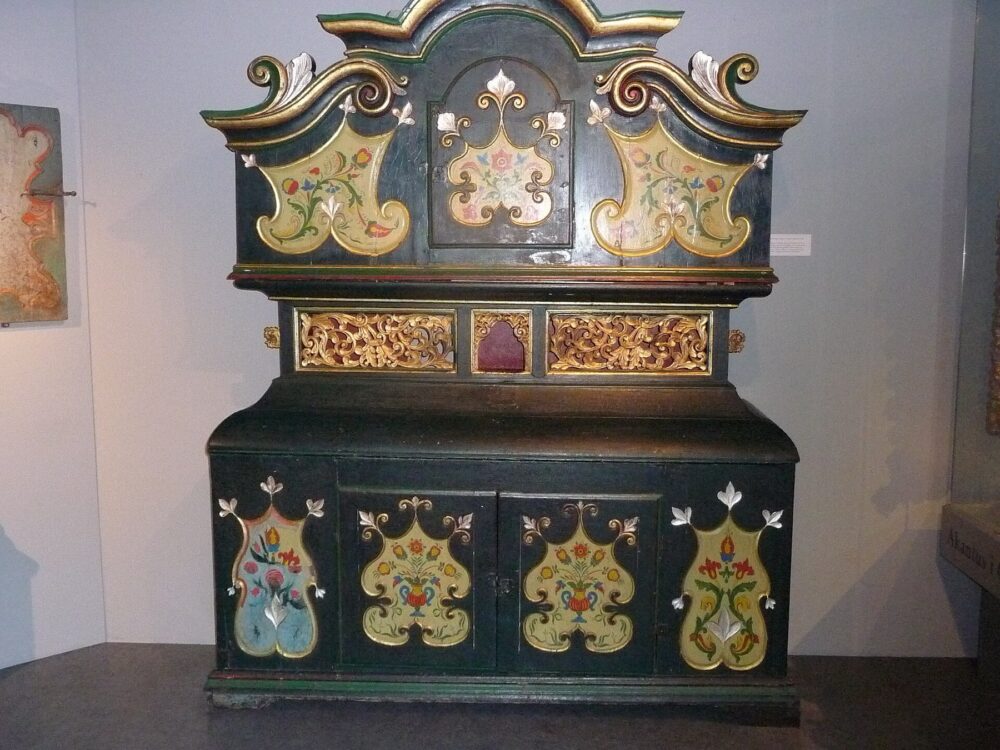
For US home buyers, this is mostly about finding one bench that fits your dining table or entryway. For small ecommerce sellers, it’s about discovering suppliers whose products and sizes are consistent enough to resell. The workflow below serves both. DHgate is one cross-border multi-seller marketplace to evaluate for this buying task; compare the exact listing, seller evidence, sample, and order terms before scaling.
You can look for 70‑inch benches and storage furniture on DHgate, but you need to search by dimensions, filter carefully, and validate each listing before relying on it for a purchase or resale.
What Counts as a 70‑Inch Bench or Storage Piece?
In furniture listings, your “70‑inch” target usually refers to the overall width or length of the piece, measured end‑to‑end. But DHgate vendors won’t always write “70 inch” explicitly in the title. You’ll see sizes expressed as:
- Approximate ranges (“68-72 in” or metric equivalents)
- Centimeters only (e.g., 180 cm ≈ 70.9 in)
- Standard furniture labels (“6 ft bench” or “180 cm TV stand”)
On DHgate, benches and storage pieces that might meet your 70‑inch need can include:
- Dining benches and entry benches
- Storage benches (with a lift‑up seat or drawers)
- Low storage units like TV stands or credenzas around 70 in wide
- Bedroom or hallway cabinets with a similar footprint
DHgate’s own editorial blog describes an extensive range of furniture — sofas, chairs, tables, beds, cupboards, and more — offered by many vendors, so you’re browsing a broad furniture category rather than a tightly curated bench aisle.Leveraging DHgate for budget furniture explains this range and emphasizes using filters to narrow results.
That makes your dimension discipline critical: you can’t assume a “large” or “long” bench fits your table without checking the numbers.
Dimension‑check callout: A 70‑inch bench is about 5 ft 10 in. Common mistakes are:
- Buying a 60‑inch piece because the photos look similar
- Confusing 70 cm with 70 in (70 cm is only ~27.5 in)
- Ignoring depth and height, which matter for legroom and clearance
Always convert metric dimensions to inches before you decide if a listing truly matches your space.
Search and Filter Workflow on DHgate for 70‑Inch Furniture
Here’s a practical way to use DHgate’s search tools to surface plausible 70‑inch candidates without wasting hours.
1. Start broad, then narrow by type
On the DHgate homepage, type a functional phrase rather than just the number:
- “dining bench”
- “storage bench”
- “entryway bench”
- “TV stand” or “storage cabinet” if you’re open to non‑seating pieces
Avoid starting with “70‑inch bench” alone; many vendors never put the size in the title, so you’ll miss options.
2. Use category and basic filters to get into the right aisle
After your initial search, use the navigation and filter options to move into furniture sub‑categories, such as benches, living room furniture, or cabinets. DHgate’s blog encourages using filters for price, furniture style, used/new status, and other features of interest.Tips for furniture shopping on a budget highlights these tools.
Practical steps:
- Set a price range that matches your budget (personal use) or margin targets (resale).
- Pick furniture style (modern, rustic, industrial) so you’re only evaluating items that could plausibly sit next to your existing table or catalog.
- Select new vs. used if that’s a hard requirement.
These filters don’t get you to 70 inches by themselves, but they keep you from vetting dozens of irrelevant pieces.
3. Read listing dimensions — don’t rely on thumbnails
DHgate’s editorial content on outdoor furniture notes that product pages typically include detailed dimensions to help buyers match furniture to their available space.Pre-Black Friday outdoor furniture guide describes these dimensions as an aid for planning.
On your short‑listed items, open the full product page and look for:
- Width/length (in cm and/or inches)
- Depth (front to back) — critical for narrow dining areas
- Height from floor to seat, and overall height if it has a back or tall storage section
If only metric is given, convert:
- 170 cm ≈ 66.9 in
- 180 cm ≈ 70.9 in
- 190 cm ≈ 74.8 in
Treat anything between ~68 and ~72 inches as “close enough” if you have a little flexibility in how the bench aligns with your table.
4. Use dimension keywords inside the search results page
Once you’re in a relevant furniture category, refine your query in the search bar with combos like:
- “180cm dining bench” (common for 6‑seat tables)
- “long storage bench” or “long entry bench”
- “180cm TV cabinet” for low storage options around 70 in
Be prepared to scroll past items that mention “180” in model names but not dimensions; always click through to confirm the numbers.
5. Short‑list only listings with clear measurements and photos
Build a small list (3-7 items) that meet these basics:
- Full measurements listed
- Multiple clear photos from different angles
- A description that explains materials (wood, metal, upholstery) and basic construction
Skip listings with no dimensions or a single blurry photo. On DHgate, where vendors vary widely, incomplete listings are your biggest risk for a space‑critical piece like a 70‑inch bench.
Micro‑checklist table: DHgate listing validation
Use this quick table while you browse:
| Checkpoint | What to look for on DHgate | Why it matters for ~70 in benches/storage |
|---|---|---|
| Dimensions listed | Width/length, depth, height in cm/inches | Confirms the piece actually fits your space |
| Clear product photos | Multiple angles, scale against a room or props | Helps spot misleading photography or fake sense of size |
| Material description | Wood type, frame material, upholstery or finish details | Impacts durability, weight, and resale value |
| Style/finish match | Color, leg style, overall design, hardware style | Determines if it visually matches your table or catalog |
| Seller ratings/reviews | Star rating, number of orders, detailed furniture‑specific notes | Signals whether past buyers received accurate products |
If any row is blank or vague on a listing, treat that item as higher‑risk and move on.
Validating Sellers, Samples, and When to Use Another Channel
Once you have a handful of potential 70‑inch pieces, deciding whether DHgate is actually the right channel is about the seller behind each listing.
Seller checks that matter for furniture
DHgate’s guidance for solid wood beds encourages buyers to read product descriptions and explore customer reviews and ratings as part of choosing higher‑quality furniture.Sleep in style: solid wood beds frames this as a best practice.
For benches and storage furniture, adapt that advice:
- Research seller history. Favor sellers with higher ratings and a visible track record of furniture sales, not just small accessories.
- Read reviews carefully. Look for comments about actual dimensions matching the description, sturdiness, and assembly difficulty. Reviews on other large furniture (like beds) can still tell you how the seller handles big items.
- Ask direct questions. Use DHgate’s messaging to confirm:
- Exact width in cm
- Load capacity (especially for benches)
- Whether color/finish in photos matches current stock
If a seller won’t answer basic dimension questions, that’s a clear signal to walk away.
For more detailed tactics on vetting vendors across the marketplace, you can also read Find trusted sellers on DHgate.
Using sample orders like a small wholesaler
DHgate’s blog for wholesale buyers recommends navigating the platform by researching sellers, using filters, and placing sample orders first.Wholesale confidence tips describes ordering smaller quantities initially to assess quality.
You can adapt that even if you’re only buying one or two pieces:
- Home buyer scenario. If you’re nervous about quality, start with one bench or storage piece rather than a full matching set. If it arrives at the right size and feels sturdy, you can go back for a second for the other side of the table.
- Small ecommerce seller scenario. Order 1-2 units as a quality and dimension test. Measure the actual width, check finish consistency, photograph it in natural light, and decide whether it’s safe to list in your own store. Only then consider a larger restock.
Pair this with a structured pre‑checkout review of the listing and seller; the DHgate order‑readiness checklist before checkout gives a general marketplace checklist you can apply to high‑stakes furniture orders.
When to pivot away from DHgate
DHgate’s editorial positioning for furniture like corner sofas emphasizes that the platform is a practical online market where buyers can browse and compare different models, styles, and prices from multiple suppliers.Corner sofa bed guide highlights this comparison advantage.
That’s ideal for browsing ideas and discovering vendors, but not every buyer should finalize a 70‑inch bench there. Switch to a different channel — such as local furniture stores, US‑based marketplaces, or direct‑from‑brand retailers — if:
- You must match an existing table length exactly (e.g., a custom 70‑inch top) and can’t find listings with precise, confirmed measurements.
- You’re building a brand around a specific quality level and find DHgate furniture listings too inconsistent to standardize.
You can still use DHgate as a scouting tool to see what designs and storage configurations exist, then hunt for similar pieces from sources that provide more detailed specs or in‑store measurement.
If you’re new to the marketplace overall, you may want to read What DHgate is and how the marketplace works before committing a high‑stakes furniture order.