
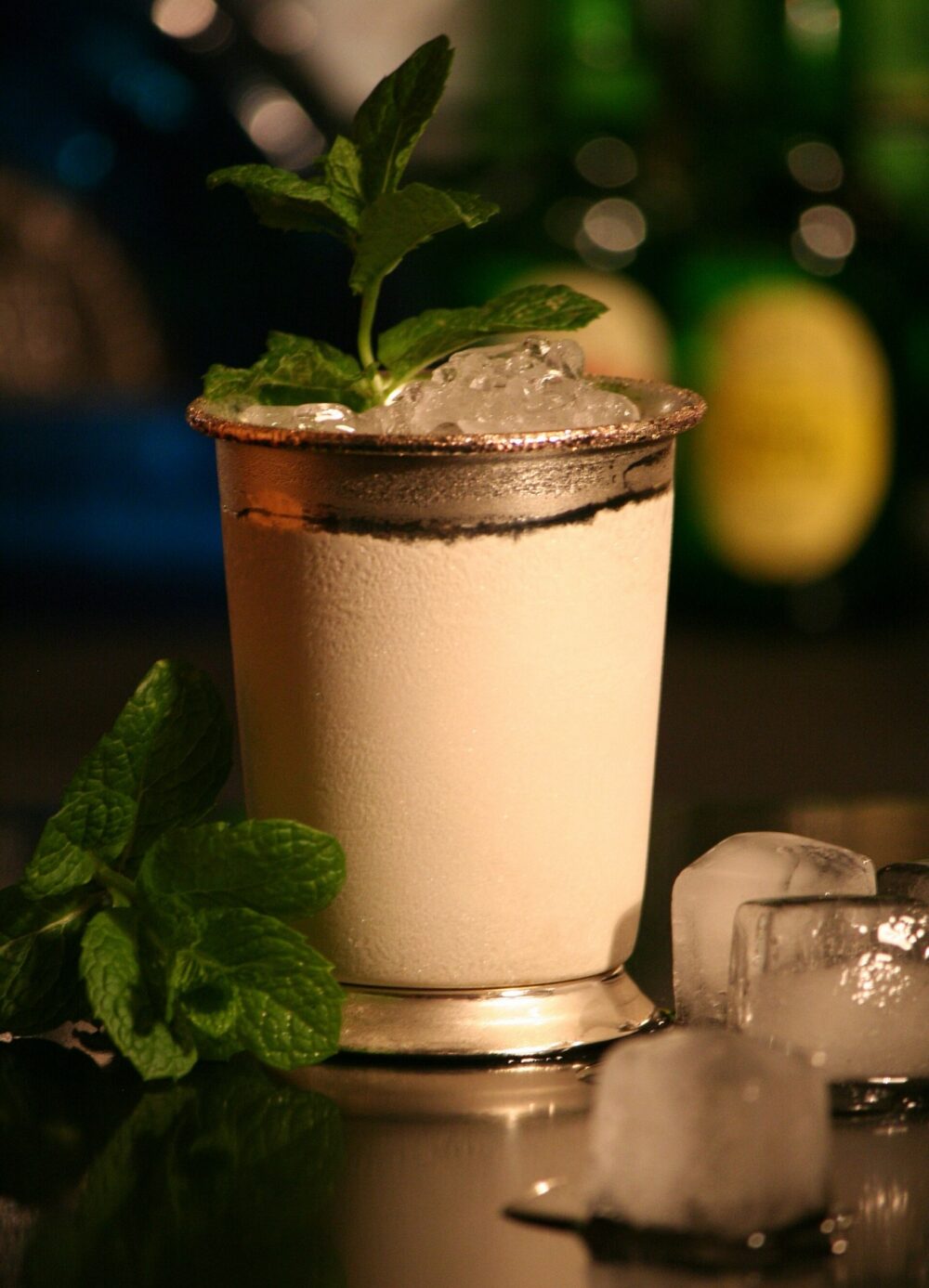
If you want durable, party‑ready mint julep cups, start by locking in the material based on how hard you’ll use them. For most Canadian hosts and small barware sellers, stainless steel julep cups hit the sweet spot: they chill the drink well, survive drops better than glass, and are often marketed as practical for frequent entertaining. Traditional silver‑plated or pewter cups look luxurious but usually need gentler care, while glass julep cups behave more like rocks glasses and don’t frost over in the same way. Once you know your spec, you can buy locally, from hospitality suppliers, or through marketplaces like DHgate if cross‑border sourcing fits your budget and timelines.
What Counts as Mint Julep Glassware Today?
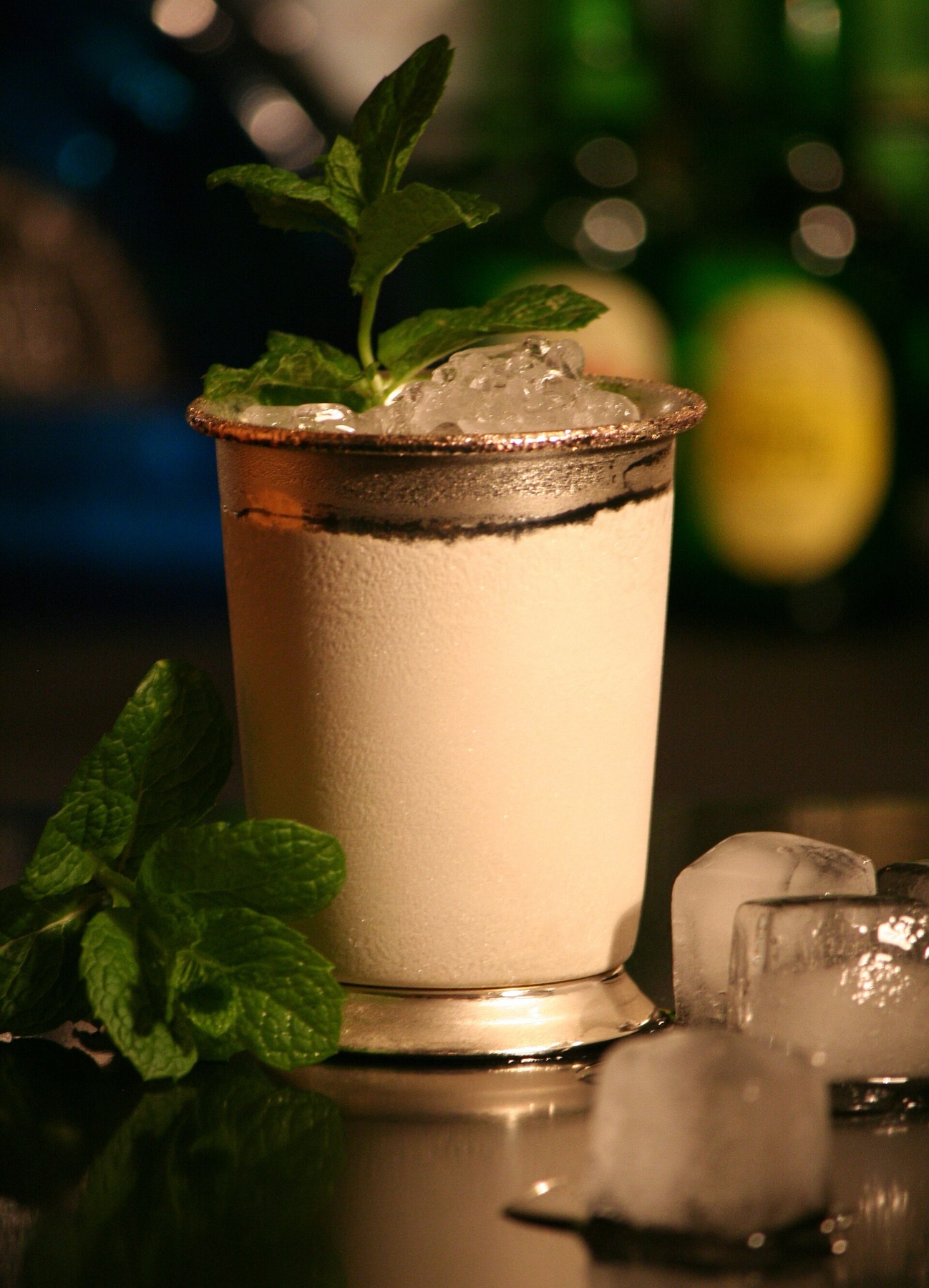
A mint julep was historically served in a small metal cup, usually silver or pewter, because metal’s thermal conductivity quickly chills the drink and creates that classic frosty exterior on Derby Day. Cocktail and barware references such as Jigger & Joy’s julep cup overview emphasize that the vessel is part of the experience, not just a pretty prop.
Today, “mint julep glassware” covers more than just heirloom silver:
- Stainless steel julep cups – typically in the traditional flared shape with a beaded base. These borrow the classic look but use cheaper, tougher metal.
- Silver‑plated cups – often targeted at weddings or upscale home bars where the visual impact matters as much as practicality.
- Pewter cups – a nod to old Southern tradition, usually heavier and more rustic in appearance.
- Glass julep cups – essentially rocks or double‑old‑fashioned style glasses sold or styled for juleps.
For parties or resale, the question isn’t “Is this authentic?” but “Will it survive a busy evening and cleaning cycle?” Stainless and glass usually answer that better than softer or plated metals.
Comparing Julep Cup Materials, Sizes, and Finishes
The most practical decision you’ll make is material. Here’s how the main options stack up for chilling, durability, and cleaning.
Material trade‑offs
| Material | Chilling & Frost Effect | Durability in Party Use | Dishwasher & Cleaning Notes* | Typical Use Case |
|---|---|---|---|---|
| Stainless steel | Conducts cold well; can frost on exterior | Typically very durable; resists dents | Often marketed as easier‑care; check label | Frequent entertaining, light commercial |
| Silver‑plated | Similar chill; strong aesthetic impact | Surface can scratch or wear with heavy use | Commonly hand‑wash recommended | Weddings, special events, gifts |
| Pewter | Good chill; heavier, traditional feel | Softer metal; can show nicks over time | Often hand‑wash; avoid harsh detergents | Heritage‑style home bars |
| Glass | Less dramatic frost; more like rocks glass | Breakable if dropped; chip risk | Many are dishwasher safe; check maker | Casual home use, easy cleaning |
\*Always follow the manufacturer’s care instructions; many metal cups, especially plated ones, are not promoted as fully dishwasher‑safe.
Modern mint julep cup roundups such as Feast + West’s guide to julep cups often describe stainless steel as a cost‑effective and durable alternative to silver, which is why it turns up in recommendations for frequent home entertaining and even bar service. By contrast, silver‑plated and pewter cups skew toward display and ceremony. They will absolutely work at a party, but you’ll usually treat them more like nice stemware than rugged bar tools.
Glass julep cups change the experience. You lose the frosty exterior and some rapid chilling, but gain the ability to visually show off crushed ice and mint, and they tend to slot into a normal dishwasher routine more easily if the maker allows it.
Size and capacity for real service
Most julep cups sit around the 12-16 oz range, which is practical for crushed‑ice cocktails. Hospitality‑oriented suppliers such as WebstaurantStore and KaTom list stainless steel julep cups in roughly this capacity aimed at bar and restaurant use.
For Canadian home hosts, anything in the 12-14 oz range works well with standard cocktail recipes and leaves room for ice. If you’re a small reseller or bar operator, leaning toward the larger end (13-16 oz) helps with consistency behind the bar and gives bartenders space to pack ice and garnish.
Finishes: shiny, brushed, and matte
Finish affects both look and care.
- High‑polish metal shows fingerprints and water spots but delivers the classic Derby shine.
- Brushed or satin stainless hides wear better and can read more modern.
- Matte coated cups (such as matte black stainless options found at hospitality suppliers) trade the reflective look for color and scratch‑hiding; treat coatings carefully to avoid chipping.
For rental, resale, or busy parties, a brushed or matte stainless finish is often more forgiving than mirror‑polished silver‑plate.
Quick priorities: party host vs reseller
- Party host in Canada: durability and easy cleaning matter more than tradition. Stainless or robust glass cups in the 12-14 oz range are practical. Look for products explicitly described as dishwasher‑safe if that’s non‑negotiable.
- Small ecommerce/barware seller: the story and look are part of your product. A stainless base range for everyday buyers, plus limited silver‑plated or pewter options for gifting, gives you tiers without drowning your customers in fragile SKUs.
Choosing a Buying Channel: Local Retail, Hospitality Suppliers, Marketplaces (Including DHgate)
Once you know the material and size you want, the next step is deciding where to actually buy.
Local and mainstream retail in Canada
For stainless julep cups and glass options, general retailers and marketplaces are an easy first stop. Canadian buyers can find stainless steel mint julep cups through retailers like Walmart Canada, and specialty or vintage‑leaning versions from sellers on Etsy.
This route suits:
- Hosts needing 4-12 cups for one big party.
You can see photos, capacity, and care instructions before you commit, which helps if dishwasher‑friendliness is a priority.
Hospitality‑focused suppliers
If you’re outfitting a bar or planning to move serious volume, hospitality suppliers like WebstaurantStore or KaTom are worth a look. Their stainless julep cups tend to:
- Sit comfortably in the 13-16 oz range.
- Be described specifically for bar and restaurant service.
- Emphasize durability and consistent sizing.
For Canadian businesses, you’ll want to factor in cross‑border ordering realities such as duties and timelines, but as product types, these cups are often built for the kind of abuse a busy cocktail program delivers.
Marketplaces, including DHgate
Global marketplaces give you reach into manufacturers and wholesalers abroad. DHgate, for example, is described in its own editorial blog as a marketplace where buyers can compare a wide range of products, including drinkware, across different sellers. That model can be attractive if:
- You’re a small ecommerce brand looking to source cups closer to factory level.
- You have flexibility on timelines and are comfortable managing international orders and seller vetting.
For most Canadian party hosts, DHgate is probably overkill for a dozen julep cups. For small barware brands considering private‑label or bulk imports, it can belong on the shortlist—but only after you’ve nailed your material, size, and finish specs and decided that cross‑border sourcing aligns with your risk tolerance.
If you decide to explore DHgate further, it’s helpful to first understand the platform via what DHgate is and how the marketplace works and then use buyer‑safety resources like finding trusted sellers on DHgate and the DHgate order‑readiness checklist.