
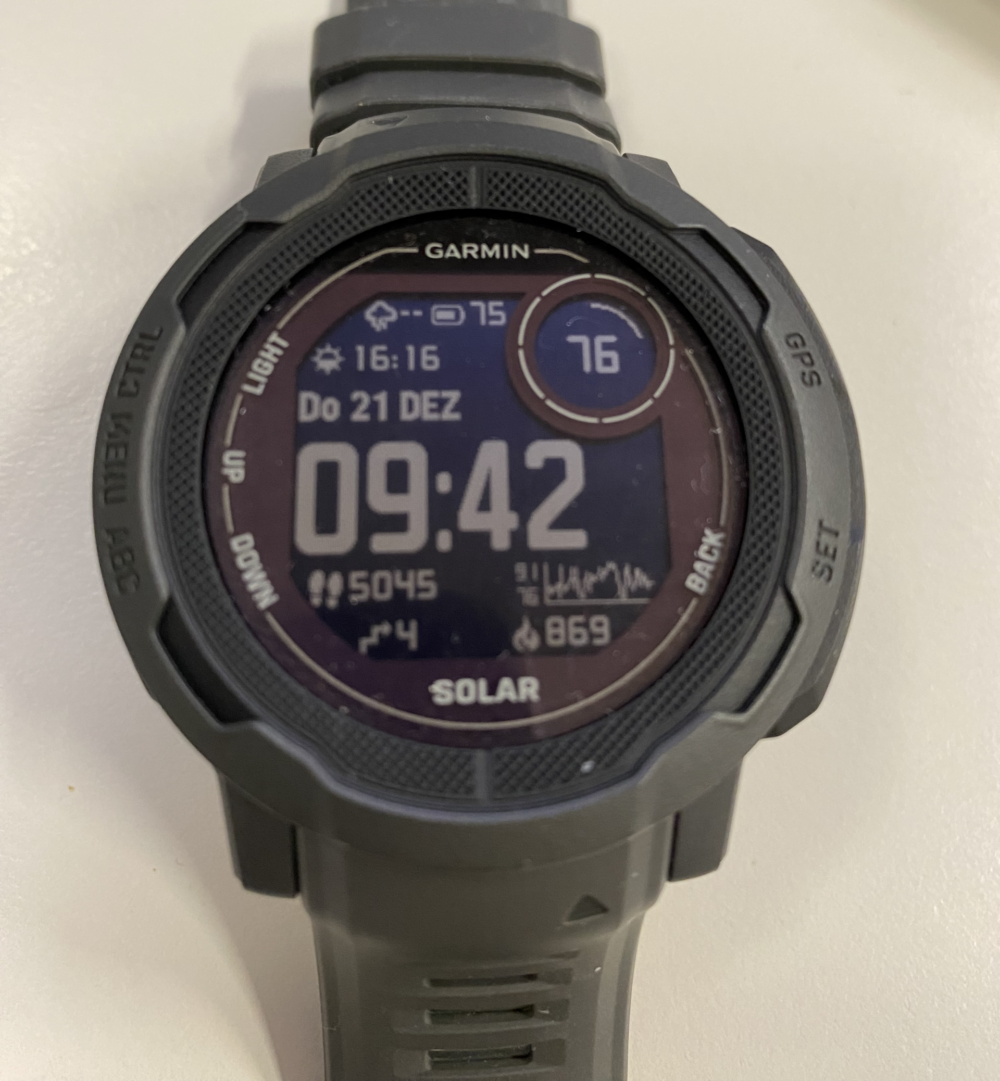
A waterproof fitness tracker is worth buying only if its features match how you actually move: swimming, sweaty workouts, and all‑day wear. The most useful models combine real water and sweat resistance, continuous heart rate monitoring, sleep and distance tracking, basic exercise recognition, helpful notifications, and battery life long enough that you don’t have to baby the device. On DHgate and other marketplaces, many trackers list similar specs, so the real test is how those characteristics line up with your routine.
This checklist turns a generic feature list into a simple decision tool you can apply anywhere you shop.
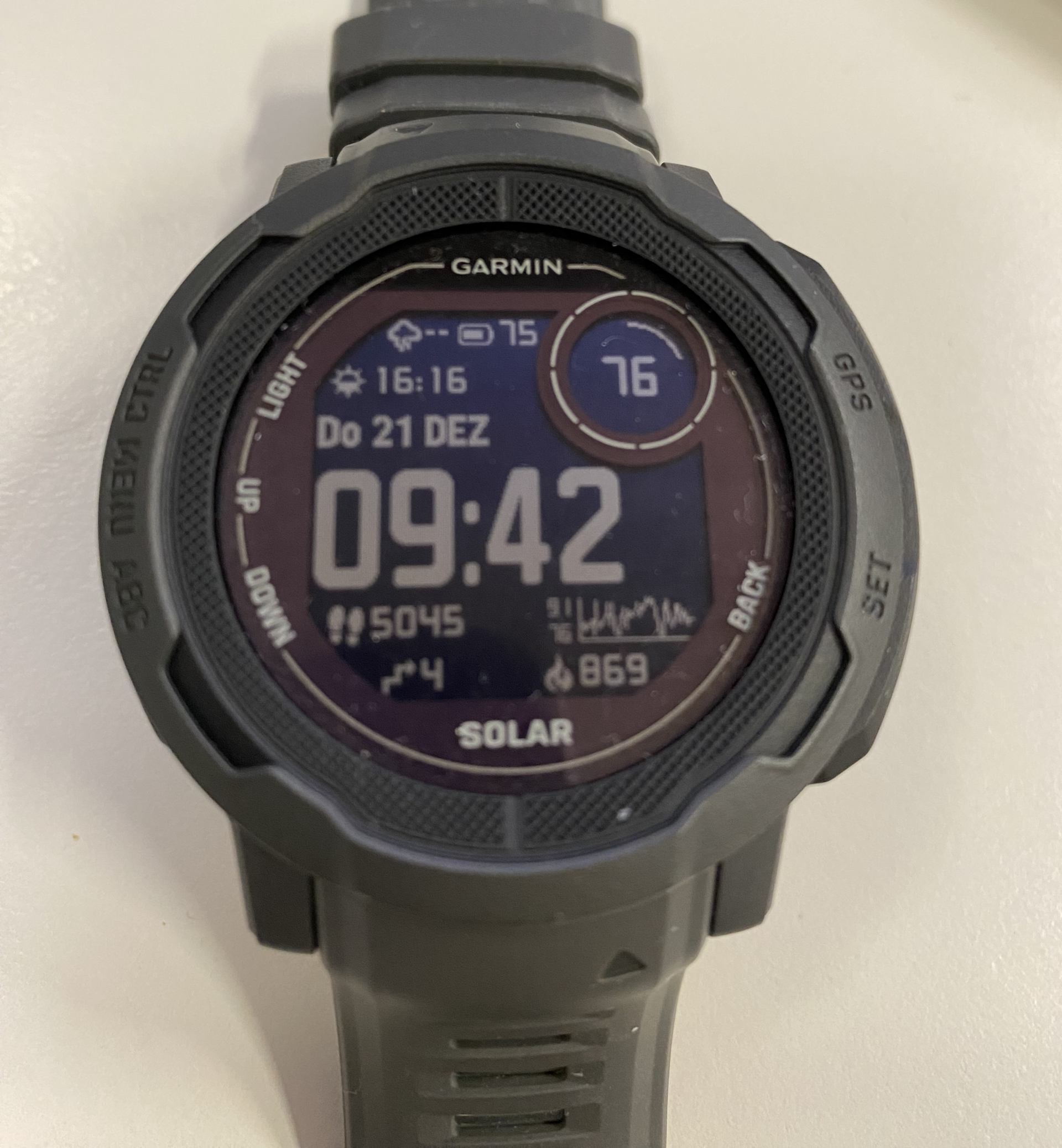
What Makes a Waterproof Fitness Tracker Worth Buying?
Before you get lost in spec sheets, focus on whether a tracker can survive your workouts and provide data you’ll actually use.
Water & sweat resistance. Not all fitness trackers are waterproof. If you plan to swim, shower, or do hot yoga with the device on, water and sweat resistance are essential. This is what lets you keep the tracker on in the pool or under heavy sweat without worrying about quick damage.
The original DHgate editorial on waterproof trackers walks through these core characteristics and why they matter for modern wearers, from basic step counting to more advanced distance and sleep tracking. You can see that broader context in its discussion of features like water and sweat resistance, heart rate monitoring, sleep tracking, distance logging and exercise recognition in this overview of waterproof fitness tracker characteristics.
Heart rate monitoring. A good waterproof tracker can monitor your heart rate continuously or at least during workouts. That helps you understand how hard you’re training and gives you a rough sense of calories burned or how intense your laps or HIIT circuits are. It’s fitness insight, not medical data, but it’s useful for seeing whether you’re hitting targets during vigorous exercise.
Sleep tracking. Many people now buy trackers just as much for sleep as for steps. Sleep tracking can show how long you sleep and give a basic picture of sleep quality over time. If your routine includes late‑night screen time or irregular bedtimes, seeing patterns may help you adjust habits for better overall health, even if the tracker isn’t diagnosing anything.
Distance tracking beyond steps. Simple step counts are fine for casual walking, but if you care about progression, look for distance tracking. That lets you log how far you travel over a workout or through the day. Devices that store longer histories make it easier to see improvements over weeks instead of just getting a daily number.
Exercise recognition and activity sensors. Some waterproof trackers detect common workouts like walking, running, cycling or aerobic exercise automatically. That means they can start logging a session without you having to dig through menus first. If you frequently forget to start tracking before you jump in the pool or onto the bike, this kind of automatic recognition can save a lot of lost data.
Reminders and push notifications. If your schedule is packed, a tracker that nudges you can be more useful than one that just records data. Many waterproof fitness trackers send reminders or push notifications so you don’t forget workouts, and they can also surface other basic alerts from your phone. Gym‑focused buyers often prioritize the reminder system.
Battery life. Because most people wear a tracker all day, battery life matters more than they expect. Some devices last much longer between charges than others. A waterproof tracker with decent battery life is easier to keep on 24/7, including overnight for sleep tracking, instead of constantly juggling charging times.
Taken together, these core characteristics decide whether the tracker feels like a genuine training and lifestyle tool, or just another gadget you stop wearing after a month.
Key Types and Feature Trade‑offs in Waterproof Trackers
Most waterproof fitness trackers fall into a few broad profiles. Thinking in profiles makes it easier to match your activities.
| User profile | Tracker strengths | Common trade‑offs |
|---|---|---|
| Pool or open‑water swimmer | Strong water/sweat resistance; distance logging in workouts | May have simpler notifications or shorter battery under heavy tracking |
| Gym & class regular | Heart rate focus; exercise recognition; workout reminders | Swim metrics may be basic; distance history may be shorter |
| All‑day health wearer | Sleep tracking; balanced HR + distance; everyday notifications | Might not excel in any single sport‑specific metric |
Swimmer‑focused waterproof trackers
If your main goal is tracking laps and time in the water, prioritize:
- Water and sweat resistance that’s clearly described in the listing.
- Distance tracking during workouts, not just daily steps.
- Activity sensors or exercise recognition that can detect swimming or at least sustained cardio.
You may accept simpler notification features or slightly more frequent charging if swim logging is strong. This profile fits people who spend long sessions in the pool or do regular water‑based workouts.
Gym and high‑intensity workout users
For heavy exercisers who rarely swim:
- Make continuous heart rate monitoring central. You want to see training intensity and rough calorie burn during circuits, classes or runs.
- Look for exercise recognition for walking, running, cycling and similar workouts so sessions are captured even if you forget to start tracking.
- Reminders or push notifications should be easy to configure, so the tracker can nudge you about upcoming workouts.
Waterproofing still matters because sweat, showers and occasional pool use can damage non‑resistant devices over time. But you can favor HR and workout logging over advanced swim metrics.
All‑day health wearers
If you mainly want a wearable health companion:
- Sleep tracking becomes a primary feature, since you’ll wear the device overnight.
- Balanced heart rate and distance tracking help you monitor daily activity and gentle workouts.
- Notifications should feel helpful rather than overwhelming, because you’ll see them all day.
- Battery life matters a lot; frequent charging makes it harder to keep the device on 24/7.
For this group, waterproofing is more about peace of mind — you don’t have to take the tracker off for a sweaty commute, washing dishes, or an impromptu swim.
Turning Features into a Buying Checklist (Including DHgate)
Once you know your profile, you can turn it into a quick checklist that works on DHgate or any marketplace.
1. Pick your primary use case
Decide whether you’re mainly a swimmer, a gym/class regular, or an all‑day health wearer. That choice drives every other decision.
2. List must‑have characteristics
On a notepad or phone, write 3-5 non‑negotiables using the traits above: for example, “water & sweat resistant,” “continuous heart rate,” “sleep tracking,” “distance logging” and “exercise recognition.” This is the filter you’ll apply to product pages.
3. Scan spec sheets, not just photos
On DHgate, search terms like “waterproof fitness tracker” or “swimming fitness band” will surface a wide range of devices. For each listing, check the description for explicit mentions of water/sweat resistance, heart rate monitoring, sleep tracking, distance tracking and any exercise recognition or reminder system. Ignore products that only mention one or two of these if they’re on your must‑have list.
Apply the same habit if you’re browsing other marketplaces or brand stores: photos tell you about style, but the spec sheet is where you confirm whether the tracker can actually handle your workouts and sleep.
4. Shortlist 2-3 trackers per marketplace
Aim to end up with a couple of viable options on DHgate and potentially a couple on other marketplaces. Compare how they handle your must‑have features instead of getting distracted by minor extras.
5. Check real‑world signals
Because many waterproof trackers claim similar features, look for buyer photos, comments about comfort and battery life duration, and any mentions of whether water exposure caused issues. Apply the same scrutiny on DHgate and elsewhere — you’re evaluating specific sellers and devices, not assuming every listing performs identically.
6. Match price to feature depth
If two trackers seem similar but one clearly logs distance over longer periods, has richer exercise recognition or better‑described sleep tracking, it’s often worth paying a bit more. If your needs are basic (for example, you just want waterproofing plus simple heart rate and steps), a lower‑priced model from a marketplace like DHgate can be fine as long as it meets your core checklist.
Used this way, DHgate becomes one of several places you can apply a consistent feature filter, rather than a separate decision with different rules. Your goal is to finish with one waterproof fitness tracker that aligns with how you swim, train and sleep — even if that means deciding DHgate isn’t the best fit for the specific model you settle on.