
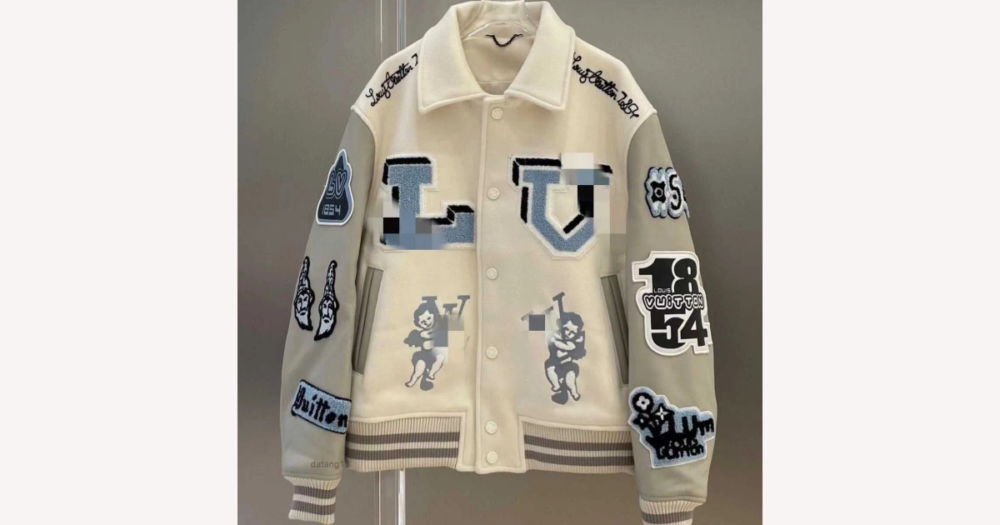
If you came here hoping for a short list of “the best” online vintage stores for men’s retro jackets, this DHgateWiki page will take a different but more practical route. DHgate is a multi-seller marketplace where independent merchants offer mostly new, vintage-inspired jackets rather than rare archival originals. To get something that actually fits, feels, and wears the way you expect, you need to focus less on the word “vintage” in a title and more on who’s selling the jacket, how clearly they describe it, and what protections DHgate’s platform gives you when you order.
How DHgate fits into your search for men’s vintage retro jackets
This DHgateWiki guide won’t list specific vintage shops or recommend individual DHgate sellers. Instead, it explains how DHgate works as a marketplace for men’s vintage-style retro jackets and the concrete checks to make before deciding whether to buy a jacket there at all.
When people say “vintage jacket,” they often mean an older, previously-owned piece with history—sometimes with provenance or documentation about the era and original brand. On DHgate, most listings using words like “vintage,” “retro,” or “old school” are new jackets designed to look vintage: bombers, truckers, biker and flight jackets, and other silhouettes that copy older cuts, washes, and hardware. Unless a listing clearly proves age, condition, and previous ownership, it’s safest to treat “vintage” or “retro” in the title as a style description, not a guarantee that the jacket is a rare archival original.
DHgate itself is a multi-seller marketplace: independent merchants run their own storefronts, set up their own jacket catalogs, and operate under their own policies, while DHgate provides the platform, payment processing, and overall framework. That means you’re choosing a seller as much as you’re choosing a specific jacket listing; quality, communication, shipping, and after-sales support can vary widely from one seller to another.
Personally, I would rather buy from a DHgate seller who shows clear, detailed listing photos, honest material and sizing specs, and responsive communication than chase the rarest-looking “vintage” design at the lowest possible price. If what you really want is museum-level, authenticated archival menswear—pieces with documented history and expert grading—then specialized vintage dealers or local shops that curate and authenticate stock are likely a better fit than DHgate. This guide is for readers who are comfortable with new, vintage-inspired jackets and want to use DHgate carefully, with seller transparency and clear specs as the main priorities.
Checking seller reliability before you trust a jacket listing
- Start by checking the seller’s overall rating score, the number of completed orders, and the percentage of positive feedback. For a men’s vintage-style jacket, it’s safer to buy from a seller with substantial history and consistently high ratings than from one with only a few orders or a mix of positive and negative reviews.
- Read recent buyer comments, paying particular attention to feedback that mentions jackets or similar apparel. You’re looking for patterns—buyers repeatedly saying the quality, sizing, and shipping matched expectations—rather than a handful of generic “good seller” notes or very old reviews that may not reflect current performance.
- Look at store age and activity level. A seller that has been active on DHgate for a longer period, with steady transactions over time, is generally a safer bet than a brand-new store with only a small cluster of recent orders and no track record in clothing.
- Test responsiveness before you commit by sending a short, specific question about the jacket—ask about exact materials, lining, measurements, or request an extra photo of seams or hardware. How quickly the seller replies, and how clearly they answer, is a strong signal of how they’ll handle any issues after you buy.
- If a seller ignores your message, replies with vague or copy-pasted answers, or refuses to provide basic detail, I would skip that listing altogether, even if the design looks perfect or the price is much lower than alternatives. On DHgate, you’re better off narrowing your options to a smaller set of transparent, communicative sellers than gambling on dozens of opaque listings that won’t answer simple questions.
Reading jacket listing details so you know what you’re actually buying
- Confirm that outer materials are clearly stated—denim, leather, faux leather, canvas, or blends—and that the listing mentions fabric thickness or weight so you can judge warmth and durability for the style (for example, a heavier leather flight jacket versus a lighter denim trucker).
- Check whether the jacket is lined and how: unlined, lightly lined, quilted, or shearling. For parkas, bombers, and flight jackets, look for a description of insulation and overall heaviness so you know if it suits your climate and layering habits.
- Require full measurements rather than just a size label. At minimum, look for shoulder width, chest, sleeve length, and overall length; retro cuts can vary a lot, so measurements matter more than a generic “M” or “L.”
- Look for notes on fit—whether the jacket runs small, true to size, or oversized—and compare the listed measurements to a jacket you already own that fits well. This is especially important for cropped truckers, boxy bombers, or slim leather styles that may sit differently on your frame.
- Review the descriptions of hardware and closures: zipper type, snaps, buttons, and how many pockets there are, including any interior pockets. Make sure the layout (for example, hand-warmer pockets on a bomber or flap pockets on a canvas parka) matches how you actually use a jacket day to day.
- Verify care instructions, paying special attention to leather, suede, shearling, or other delicate materials. If you usually rely on machine washing, be honest about whether you’re willing to follow dry-clean-only or specialty leather-care guidance for this jacket.
- Treat listings with vague or missing specs as a prompt to message the seller for exact materials, measurements, and care details. If, after you ask, the information still stays unclear or incomplete, it’s safer to skip that stylish jacket than gamble on unknown fabric quality or sizing.
Using photos and descriptions to avoid unpleasant surprises
Making sense of DHgate pricing for vintage-style jackets
On DHgate, jacket prices usually track basic quality factors: real leather or thick denim generally costs more than thin synthetics, heavier and better-insulated pieces cost more than lightweight costume-style versions, and careful construction (neat seams, solid hardware, smooth zippers) adds to the price. You don’t need exact numbers to see the pattern—if a jacket looks substantial and well made in the photos and is described with specific materials and construction details, it’s unlikely to be priced at the very bottom of the range.
Instead of locking onto one “cheap” listing, compare prices across several men’s vintage-style or retro-looking jackets that appear similar in cut and materials. If one option is dramatically cheaper than the rest but uses vague language like “high-quality fabric” without clear specs or close-up photos, treat that gap as a warning rather than a lucky find. Often, the difference comes from thinner fabric, rougher stitching, or hardware that won’t hold up to regular wear.
Think about how you’ll use the jacket when judging price. A very low-priced piece might be fine for occasional cosplay, themed parties, or short-term trend wear where comfort and longevity matter less. For daily outerwear, though—especially in colder weather—I’d rather pay a bit more for transparent material descriptions, visible stitching details, and trustworthy shipping information than gamble on the absolute lowest price with unclear specs. Align the price you’re willing to pay with how long you expect the jacket to last and how comfortable you want it to feel in real life.
Staying safe when you place and pay for your order
Once you’ve settled on a jacket and a price that make sense, the safest move is to complete the order through DHgate’s own checkout using its supported payment methods. Paying on-platform ties your money to a formal order record and the marketplace’s buyer-protection processes, so there’s a clear trail of what you bought, what you paid, and when the seller is supposed to ship.
Keep all communication with the seller inside DHgate’s messaging system, especially when you ask about materials, sizing, or shipping details. When messages, payment, and order information are all in one place, it’s much easier to show what was promised if you ever need to raise an issue about the jacket not matching its description.
Be very cautious with any seller who suggests direct bank transfers, external app payments, or moving the conversation to private messaging outside DHgate. Those requests usually weaken or bypass platform protections and make disputes harder to resolve. Personally, I would walk away from any jacket listing where the seller pushes for off-platform payment or communication, no matter how good the design or price looks. Before your first purchase, take a few minutes to read DHgate’s official help or buyer-protection information so you understand how coverage works and what conditions apply when something goes wrong.
Understanding shipping, delivery times, and extra costs
- Check the estimated delivery window on each jacket listing and decide whether that timeframe fits when you actually want to wear the jacket; bulky outerwear often takes longer to arrive than small items.
- Confirm whether the seller names a shipping carrier and clearly states that tracking is included, and prefer listings with specific tracking details over those that offer no tracking information at all.
- Compare the shipping cost to the jacket price, remembering that heavier, bulkier jackets can raise shipping fees and that some very low product prices are offset by unusually high shipping charges.
- Look for any mention of cross-border shipping, customs duties, or taxes that might be due on arrival, and, if you’re unsure, review DHgate’s help documentation on import charges before you order.
- From my perspective, it’s worth choosing a slightly more expensive jacket from a seller with clear, reasonable shipping terms and tracking rather than gambling on a cheaper option with vague, multi-month delivery estimates and little detail.
- Treat long, imprecise timelines or unclear cost breakdowns as risk signals, and compare shipping terms across several sellers offering similar jackets before committing to an order.
Planning for disputes, returns, and refunds if the jacket isn’t right
Turning this checklist into your next move on DHgate
- Search on DHgate for terms like “men’s vintage jacket,” “retro bomber,” or similar phrases that match the style you have in mind, then open a few promising listings rather than stopping at the first result.
- For each potential jacket, run through your seller reliability checklist before you get attached to the design: look at rating scores, volume and tone of buyer feedback, store age, and how clearly and promptly the seller answers questions.
- Scrutinize the listing details for any jacket that passes the seller test—check materials and lining, measurements and fit notes, photos (including close-ups), price level compared with similar styles, shipping cost and delivery window, and the stated return and refund terms.
- Keep DHgate’s official help or buyer‑protection pages open in another tab while you review listings so you can confirm how orders, payments, shipping, and disputes are supposed to work if anything seems unclear in a seller’s description.
- If, after applying this checklist, the jackets you find on DHgate don’t meet your expectations for authenticated archival vintage pieces or straightforward domestic returns, treat that as useful information and continue your search on specialized vintage platforms or in local shops instead.
- Finish by choosing the path that feels safest and most transparent for you: place an order on DHgate only when the seller, listing details, logistics, and policies are all clear enough that you’re comfortable with the risks, and skip any jacket that still feels poorly documented or too good to be true.