
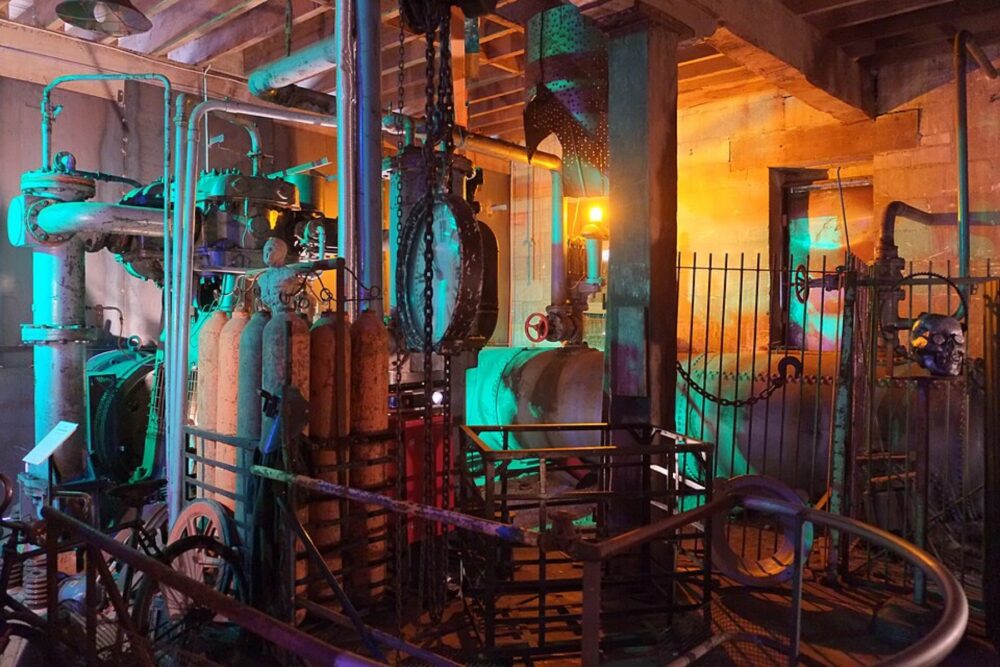
Steampunk machines are usually real or pretend contraptions that look like Victorian industrial tech: lots of gears, pipes, gauges, and brass, sometimes with simple motion or lights. Before you buy parts or commission anything, decide what you actually need: a one-off art piece, a durable cosplay prop, event decor, or a repeatable product line for your shop. Handmade marketplaces like Etsy make sense for unique, highly detailed work and small runs. Local thrift and hardware sources work for budget builds and one-of-a-kind pieces. Cross-border platforms are useful when you want consistent, repeatable components at lower unit cost and you’re willing to put time into vetting suppliers.
What buyers actually mean by “steampunk machines”
In practice, people use “steampunk machines” to describe three overlapping things:
- Full showpiece machines – large, often static “engines,” consoles, or weird science devices made from pipes, gauges, lights, and moving gears. These might sit in a bar, café, escape room, or convention booth.
- Prop-scale devices – handheld or wearable pieces like ray guns, mechanical gauntlets, time machines, or modified laptops that look like they came from an alternate 19th century.
- Parts and mechanical textures – gears, clock guts, valves, chains, and other hardware that give a normal object a steampunk feel.
Steampunk as a style pulls from 19th‑century industrial design and science fiction: exposed machinery, riveted metal, analog dials, and often a mix of wood and metal finishes.Source A “machine” in this world doesn’t have to work; it just has to look like it could run on steam or clockwork.
For Canadian buyers and small ecommerce sellers, that matters because it changes what you should source. A café owner outfitting a full wall might care more about big, lightweight fake machinery than about real functioning engines. A jewelry seller just needs repeatable gear charms and key movements. A cosplayer might be happy with one carefully crafted prop that will never be reproduced.
From clocks to cogs: types of steampunk machine props and components
You can group most steampunk machine-related purchases into a few useful categories.
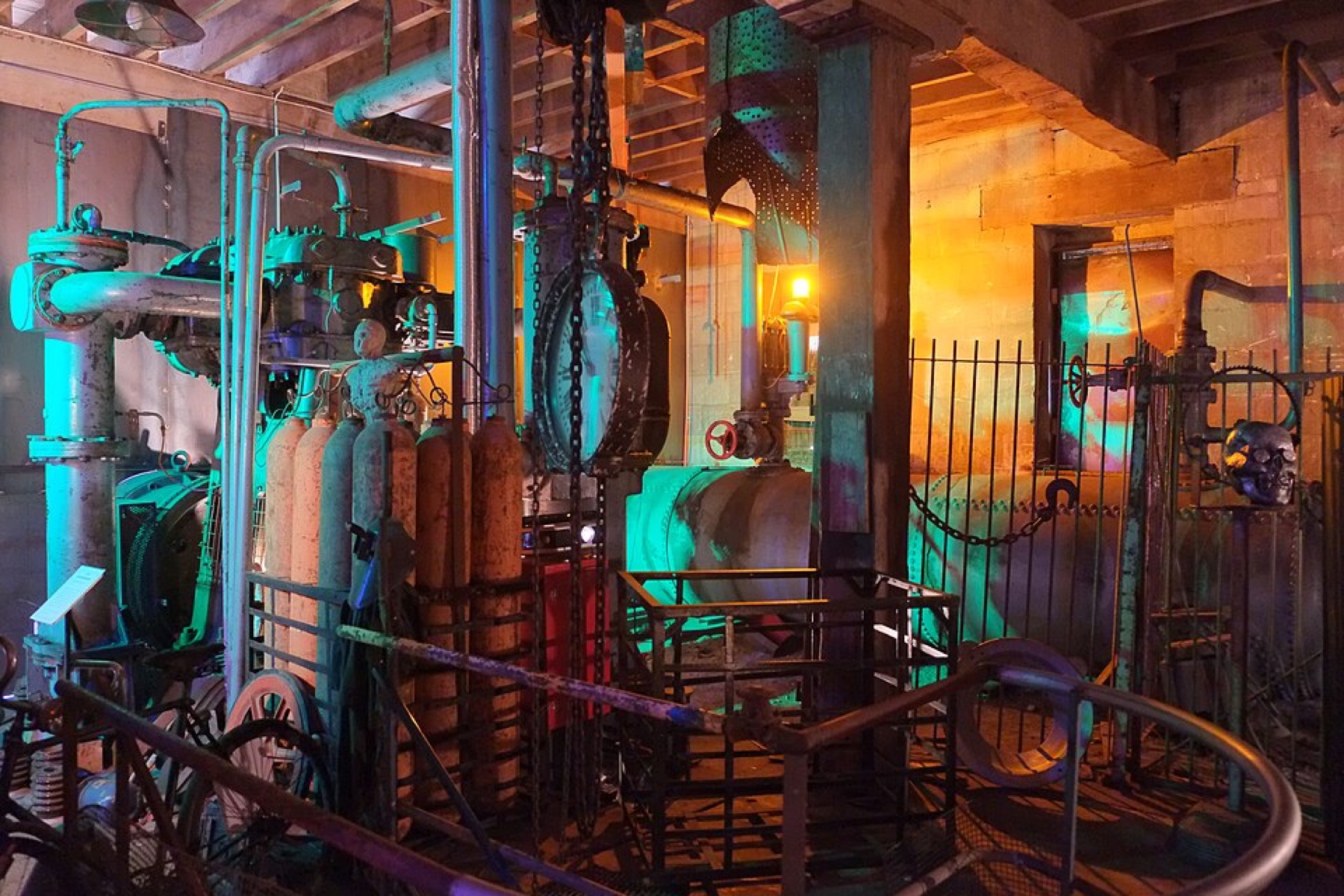
1. Large decorative machines and consoles
Think of the big installations you see in museums or themed bars: welded pipes, pressure gauges, maybe a fake boiler or engine. These are usually custom-built by metalworkers or prop designers, often using salvaged industrial hardware plus added lights.
These are best sourced by local commission (fabricators, set builders, or experienced makers), because shipping huge metal constructs to Canada is expensive and risky. Many makers start with materials from hardware and plumbing stores, scrap yards, or auto mechanics – things like copper pipe, valves, mesh, and heavy brackets are common building blocks for these pieces.
2. Tabletop machines, gadgets, and decor
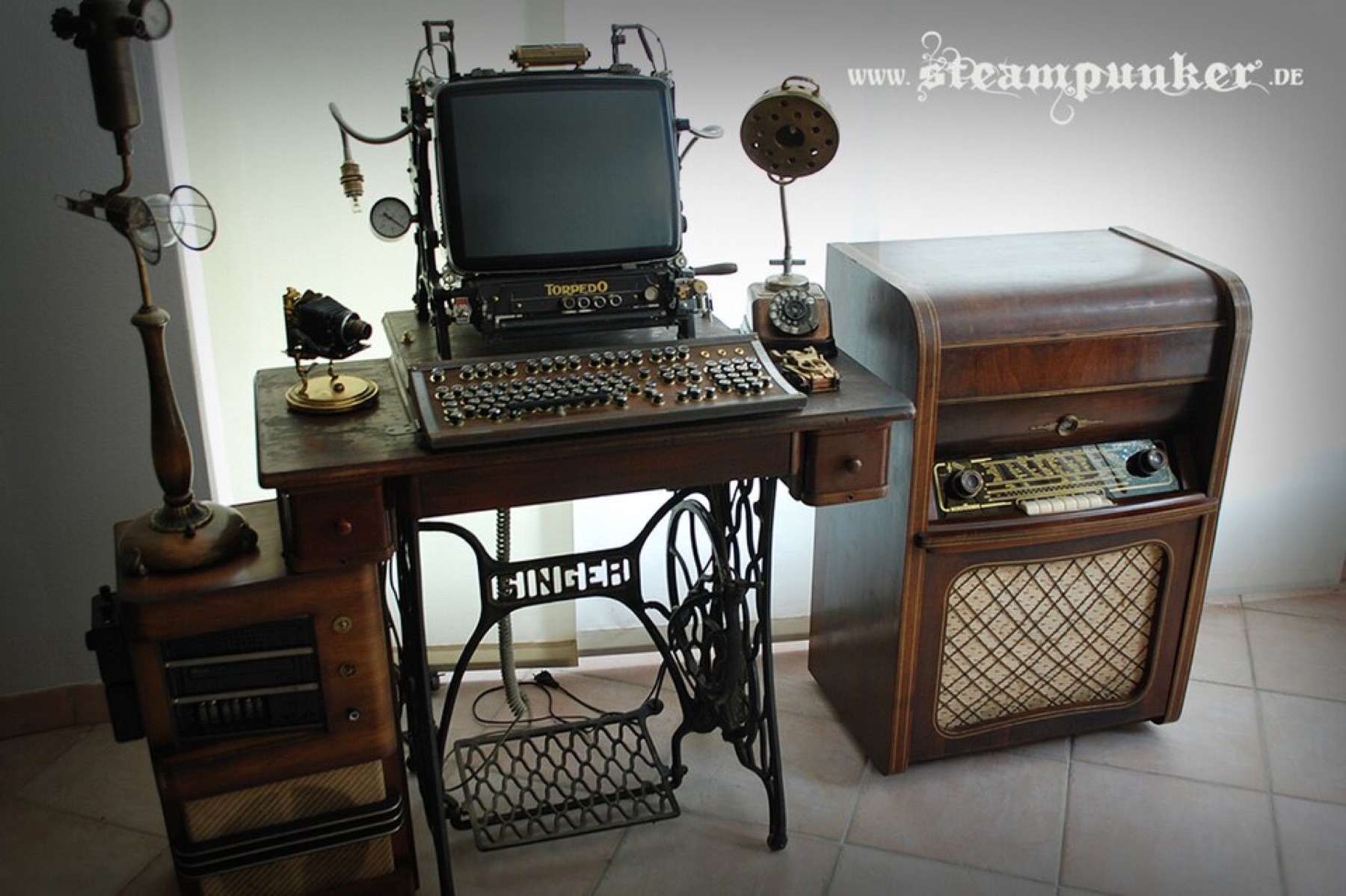
This is the middle ground: desk-sized contraptions such as steampunk computers, lamps, clocks, or mechanical animal sculptures. On cross-border platforms you can even find resin sculptures styled as mechanical creatures, marketed as steampunk-style industrial decor.
These pieces are ideal as event decor, high-impact props for small venues, or resale items if the design is consistent. For example, a small ecommerce shop might build a “steampunk desk” collection around a themed lamp, clock, and figurine sourced from different suppliers.
3. Wearable and handheld steampunk machines
These are props that look like machinery but are built to be worn or carried:
- Goggles with side gears and faux optics
- Mechanical masks or half-masks with tubes and fake filters
- Wrist-mounted “devices,” ray guns, or communicators
Specialty steampunk retailers and costume shops often carry these, and handmade marketplaces host many independent creators focusing on masks, goggles, and small contraptions. You can see this variety by browsing Etsy’s steampunk accessories and decorative categories, such as steampunk parts and pieces or decorative steampunk accessories.
These are usually lightweight and designed to survive a convention day, but they may not tolerate daily wear without reinforcement.
4. Loose components and “machine texture” supplies
There is a whole market of loose steampunk components sold as craft supplies: gears, cogs, clock hands, filigree, and stamped metal shapes. Many sellers on Etsy list kits or mixed packs of these pieces specifically for steampunk projects.
Makers also reach for real-world equivalents:
- Plumbing pipe and fittings
- Washers and nuts that read as gear-like
- Flexible metal tubing and mesh
- Old clockworks or watch movements
Community discussions often highlight hardware stores, auto mechanics, industrial areas, and even personal toolboxes as go-to sources for these materials. For one-off builds, this kind of sourcing is cost-effective and gives you unique texture.
5. Repurposed real machinery and instruments
Some of the most convincing steampunk machines start with real:
- Gauges, meters, and valves
- Typewriters and sewing machines
- Scientific instruments
These show up at thrift stores, antique shops, estate sales, flea markets, and online vintage marketplaces. You can also sometimes find broken tools or meters cheaply online, where the mechanical look matters more than function.
For props and decor, many buyers intentionally disable or de-power real equipment instead of running it live, to avoid safety issues. If you want actual powered motion, you should involve someone comfortable with mechanical and electrical safety, especially in public spaces.
Where to source steampunk machines and parts: handmade, DIY, local, and cross-border
Once you know whether you need a showpiece, prop, or components, you can pick the sourcing path that matches your budget and volume. For Canadians, each channel has its own sweet spot.
Handmade marketplaces (Etsy and similar)
Best for: Custom one-offs, cosplay props, small decor runs
On marketplaces like Etsy, independent creators sell:
- Finished steampunk props and costumes
- Decorative machines (lamps, clocks, desk gadgets)
- Component packs (gears, cogs, watch parts, charms)
Pros:
- High level of artistry and originality
- Easy to commission a custom twist on an existing listing
- Many sellers already ship to Canada
Trade-offs:
- Prices reflect handmade labor; margins for resale can be thin unless you position the item as premium
- Stock can be limited or one-of-a-kind, which is tough if you need 50 identical pieces for an event or product line
If you’re a small ecommerce brand, handmade marketplaces work well for limited capsule collections or as a way to test which aesthetics your audience responds to before you invest in bulk components.
DIY builds using hardware, thrift, and scrap
Best for: Unique installations, budget builds, and creative control
Steampunk makers often swear by their local hardware and plumbing stores for pipes, valves, mesh, and other raw materials, plus auto shops, industrial areas, and even their mechanic’s scrap pile for more unusual parts. Combine that with:
- Thrift-store electronics and furniture to “steampunkify”
- Old clocks, sewing machines, or typewriters from local classifieds
Pros:
- Lowest per-part cost, especially for large decorative machines
- Unique look that competitors can’t easily copy
- No cross-border shipping delays or duties for heavy parts
Trade-offs:
- Time-intensive, and you need tools and basic fabrication skills
- Hard to reproduce exactly for resale at scale
- Need to be cautious about sharp edges, weight, and, if powered, basic safety
DIY is excellent if you’re an event designer, bar owner, or escape-room operator who wants site-specific machines rather than a product you’ll sell online.
Conventions, fairs, and costume shops
Best for: Finished wearable machines and impulse-buy decor
Steampunk-themed conventions, Renaissance fairs, and genre festivals are natural places to buy:
- Wearable machine-like accessories (goggles, mechanical hats, masks)
- Small props built by artists in your region
Costume chains and specialty shops may stock steampunk outfits and accessories, especially around Halloween. The big advantage is trying things on in person and checking comfort and weight before you buy.
For a Canadian reseller, these channels are usually more about discovering artists to collaborate with than about ongoing wholesale supply.
Cross-border platforms and bulk sourcing
Best for: Repeatable components and decor for resale or large events
Cross-border marketplaces list a wide mix of steampunk-style items and generic mechanical parts that can be repurposed for builds. For example, around 2026-09-22, a snapshot of DHgate listings showed:
| Example listing (DHgate) | Category (seller-specified) | How it could be used in a steampunk project |
|---|---|---|
| Mechanical steampunk half-face cosplay mask | Party masks | Wearable “machine” element for costumes or photo booths |
| Steampunk-style mechanical animal sculpture decor | Decorative objects & figurines | Tabletop “machine creature” for cafés, bars, or product photos |
| Steampunk mechanical pocket watches and pendants | Pocket watches / keychains | Functional-looking machine cores for jewelry or props |
| Steampunk jewelry brooch with gears | Brooches | Ready-made focal piece for jackets, hats, or gift sets |
| Stainless mechanical motor parts | Fasteners/connectors | Raw mechanical texture for DIY builds and upcycled machines |
(Listings and prices change; these examples are based on product snapshots retrieved on 2026-09-22.)
A platform like DHgate can make sense if you:
- Need dozens or hundreds of similar components (gear brooches, watch pendants, mechanical figurines)
- Are building a steampunk-themed product line and need consistent decor items
- Can wait for international shipping and handle customs on import to Canada
However, quality and style vary widely between sellers. Before placing a larger order, it’s wise to:
- Compare listing photos closely and read full descriptions for materials and sizing
- Order a small test batch to check weight, finish, and how “steampunk” the item actually looks in person
- Review seller history and buyer feedback, focusing on photo reviews when available
If you want a deeper, platform-specific view first, you can also read neutral explainers like What DHgate is and how the marketplace works and a checklist for vetting any seller, such as Find trusted sellers on DHgate.
How to match your use case to a sourcing mix
For most Canadian buyers, the best results come from mixing channels:
- One-off cosplay or personal decor – Start on Etsy or similar for a signature wearable machine, then embellish with DIY parts from hardware and thrift stores.
- Branding a venue or event – Commission large showpieces locally (fabricators or makerspaces), then fill in with cross-border or Etsy-sourced tabletop pieces and lighting.
- Launching a small steampunk decor line – Prototype your aesthetic with handmade components and DIY builds. Once you know what sells, move repeatable elements (gear charms, mechanical figurines, watch pendants) to cross-border suppliers and keep final assembly and branding in Canada.
Steampunk machines are less about buying one perfect product and more about curating a believable mechanical world. Decide first what story you need your space or product line to tell, then pick the channels that give you the right balance of uniqueness, consistency, and margin.