
For DIY projects and small ecommerce shops on a budget, inflatable paint booths are usually the cheapest turnkey way to get an enclosed spray space. But they’re only a good deal if you add in the real costs—ventilation, filters, blowers, cross-border shipping to Canada—and compare them honestly with simpler options like open-face booths, plastic-sheathed frames, or just renting a professional booth when you need it.
This guide walks through what you’re really paying for, why some booths stay cheap while others don’t, and how to choose a sourcing channel (local, marketplace, DIY, rental) that fits both your wallet and your risk tolerance.
What You’re Really Paying For in a Budget Paint Booth
A paint booth is an enclosed or semi-enclosed workspace that gives you a controlled environment for spraying paint and managing overspray and air quality.What Is a Paint Booth? Even at the budget end, you’re not just buying fabric or sheet metal—you’re buying a small system.
Key cost components to budget for:
1. The booth structure itself For inflatable booths, that’s the PVC or Oxford cloth shell, internal partitions, zippers, windows, and floor. For metal or wood booths, it’s panels, doors, and basic framing. Larger footprints that fit a pickup or delivery van will cost notably more than car-sized or motorcycle-sized setups.
2. Blowers and fans Inflatable booths need one or more continuous-duty blowers to stay inflated plus additional fans to move air through the spray area. DHgate’s own editorial coverage of inflatable tents and party structures highlights durable, weather-resistant fabrics and powered blowers as standard components.Inflatable party tents guide That same logic applies here: blowers are a separate piece of equipment with their own price, power draw, and noise.
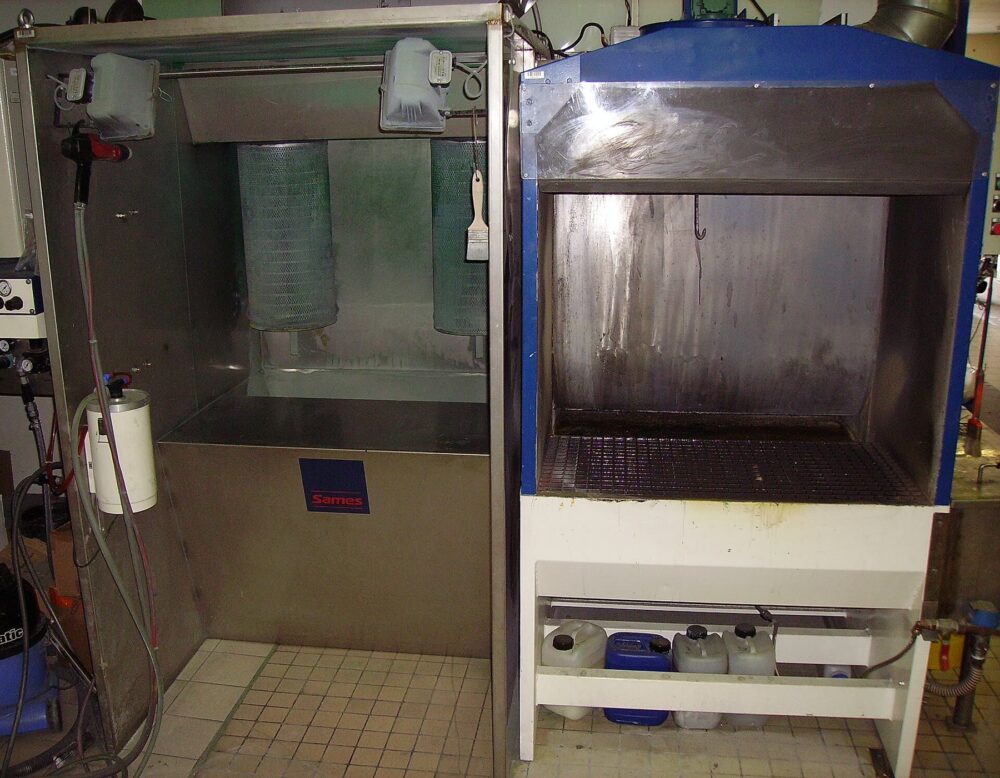
3. Exhaust and filtration Even open-faced booths rely on exhaust and filtration at the booth face to control overspray and improve air quality.Open-faced booth overview Budget kits often include a basic filter bank but leave out the ducting and fan power you’d actually need to exhaust overspray outside. That means you may need to pay for:
- Exhaust fans or inline blowers.
- Duct runs and fittings to reach a window or wall penetration.
- Replacement filters (which quickly become a recurring consumable).
4. Lighting Good lighting is a hidden cost. Many inflatable booths advertise clear side panels to let daylight in, but Canadian winters and evening work sessions still need dedicated lighting. That could mean portable LED work lights or hardwired fixtures in a more permanent booth.
5. Shipping and freight-like charges A budget inflatable booth is still a large, heavy package. Cross-border shipments from the U.S. or Asia to Canada often move as oversized parcels or freight, which raises shipping cost and sometimes lengthens transit time.
6. Taxes, customs and import fees If you buy outside Canada, you’ll usually face sales tax plus duties or import fees. Rates depend on the product classification and carrier, so you should treat them as a non-trivial part of the landed cost and expect them to scale with the booth’s price.
7. Ongoing consumables and incidentals Filters, plastic sheeting for masking, tape, and basic maintenance (patches or seam repairs on an inflatable; touch-up paint or sealant on a rigid booth) all add up over a year or two.
For a realistic budget, start with the booth price, then add a rough second line item for “air movement and filtration” plus a third for “shipping + duties” if you’re importing. This is often what turns a seeming bargain into an average-value purchase.
Why Some Paint Booths Stay Cheap—and Others Don’t
Industrial and automotive paint booths come in a wide range of types—open-face, enclosed, bench booths and more—and the simpler, smaller designs sit in the budget tier.PaintBooth.com overview That same pattern holds in DIY-friendly options.
Here are the main price drivers and tradeoffs.
Size and layout
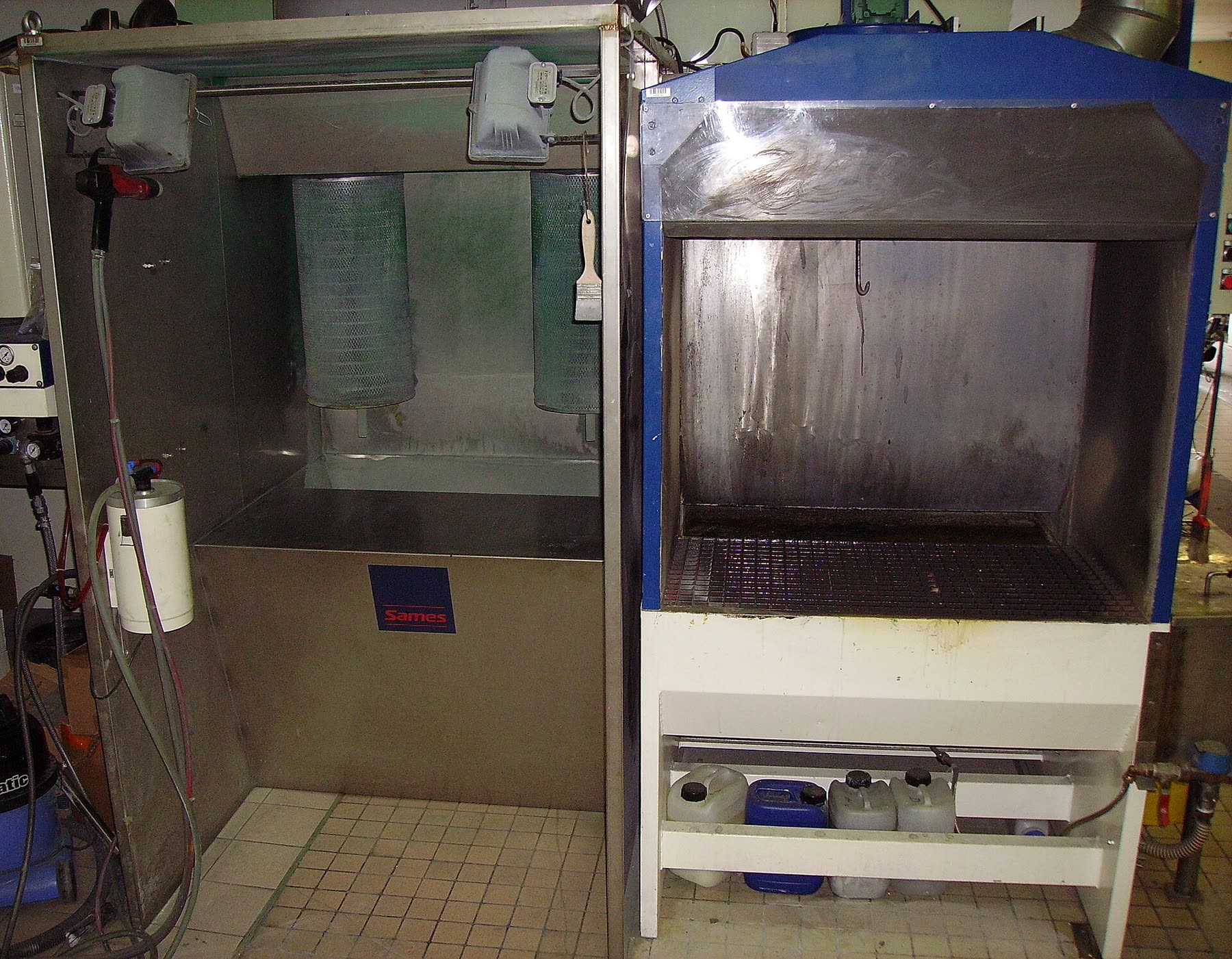
Bigger booths cost more, but it’s not just square footage. Once you go from a simple open-front to a fully enclosed, drive-in layout, you’re paying for more structure, more airflow, and more filtration area. Budget open-face booths keep one side open and rely on exhaust at the face to manage overspray, which saves materials but offers less containment.Open-faced booth overview
Inflatable booths often mimic a full enclosure at lower material cost, but they still need enough internal volume and blower capacity to stay rigid. As size goes up, blower sizing, fabric stress, and shipping weight go up too.
Materials and durability
Professional booths use steel panels and high-durability finishes designed for years of daily use. In the budget space you’ll see:
- Inflatable shells using PVC or Oxford cloth. These are more portable and cheaper than steel, but they can puncture and may not tolerate heavy solvent exposure forever.
- DIY frames with plastic sheeting, built from lumber or metal studs and hardware-store poly. These are the lowest-cost option but very much temporary.
- Light-gauge metal open-face booths, where cost is saved by keeping one side open and minimizing panel count.
The cheaper the material, the more you trade away longevity and, often, safety margins for serious solvent-based paints.
Airflow and filtration design
Professional booths in automotive, aerospace and manufacturing use engineered airflow to improve finish quality and worker safety.Spray Systems overview Budget booths simplify this:
- Inflatable booths often run air in from one end and out through filter banks at the other, but the pattern can be uneven and sensitive to fan placement.
- Open-face booths rely on exhaust pulling air through the opening and across the workpiece.
- DIY plastic tents may have nothing more than box fans pushing air through furnace filters.
Cheaper systems generally mean more compromise in overspray capture and more risk that fumes aren’t being managed as well as they could be. For hobby work and light ecommerce finishing (small batches of parts or décor), that may be acceptable with careful PPE and local regulations in mind; for higher volumes or flammable products, it’s a real constraint.
Customization vs standard packages
Vendors serving pro markets offer both standard, pre-engineered booths and custom-engineered sizes and configurations.RTT Solutions product category Custom work adds design time and cost but lets a shop tune airflow, doors and dimensions to its process.
Budget buyers usually stick to standard packages (especially inflatables) because they’re cheaper. The tradeoff is fit: you may end up working around awkward door placements or poor lighting rather than having a booth designed for your workflow.
Inflatable vs open-face vs DIY plastic: budget tradeoffs
For Canadian DIYers and small ecommerce operations, the practical comparison looks like this:
- Inflatable booth: Lowest turnkey cost for full enclosure and portability. Good for occasional vehicle resprays or batch spraying in a driveway/yard. Tradeoffs: noisy blowers, questionable long-term durability, bulky storage, and limited airflow engineering.
- Open-face budget booth: More permanent, better-integrated exhaust at the face, easier to upgrade with better fans/filters. Tradeoffs: less containment, may need building adjustments and more serious installation work.
- DIY plastic tent: Cheapest—often built from lumber, conduit, or a metal rack with plastic sheeting. Tradeoffs: weakest overspray control, poor durability, very dependent on your improvised ventilation and your tolerance for mess.
If you only spray a few times a year, a DIY plastic enclosure with careful fan/filter setup may beat an inflatable booth on value. If you’re painting vehicles monthly and lack indoor space, the inflatable starts to make more sense.
Choosing a Sourcing Channel and Keeping Costs Down
You can buy or access paint booths through very different channels, each with its own cost and risk profile. For Canadian buyers, cross-border shipping and duties are big swing factors.
Channel comparison: buy, build, or rent?
Here’s a compact view of common options:
| Option | Upfront cost level* | Typical use case | Main financial risks |
|---|---|---|---|
| Local distributor/retailer | Medium–high | Permanent open-face or enclosed booth | Installation extras, local code demands |
| Big marketplaces (incl. Cross-border multi-seller) | Low–medium | Inflatable or portable budget booths | Cross-border shipping, duties, weak returns |
| DIY frame + plastic | Very low | Occasional DIY and small-part spraying | Poor durability, imperfect ventilation |
| Renting a pro booth | Per-use fee | Infrequent high-quality resprays or batches | Scheduling limits, travel time |
*Qualitative; actual prices vary widely by size and configuration.
Local distributors and retailers Canadian or U.S.-based paint-booth suppliers selling into Canada focus on industrial and automotive booths, including open-front and enclosed designs.RTT Solutions product category You’ll pay more upfront than for an inflatable, but you get equipment designed around professional expectations for airflow and finish quality. Hidden costs include installation, potential electrical work, and meeting local fire or building requirements.
Big marketplaces (including DHgate) Marketplaces that host many different sellers often carry inflatable structures, temporary enclosures, and portable booths. DHgate is one example in that mix for cross-border inflatable and tent-style products.Inflatable party tents guide If you go this route:
- Treat the total landed cost—item price, shipping, import fees—as the number you compare, not just the listing price.
- Read dimensions carefully and compare blower specs to your available power and noise tolerance.
- Look for clear material descriptions (PVC, Oxford cloth) and photos of seams, zippers, and filter areas.
For marketplaces generally, returns on bulky inflatables can be expensive and complicated, and you’re dependent on individual seller quality. If you’re ordering from outside Canada, keep that risk in mind.
For broader marketplace comparisons (AliExpress, Alibaba, Temu vs DHgate), including fee structures and sourcing styles, you can dig deeper at Compare DHgate with AliExpress, Alibaba and Temu.
DIY or rental alternatives Building a frame and draping plastic sheeting around a work area is still the absolute budget choice. Box fans and furnace filters can offer basic overspray capture, but this setup won’t match a real booth for containment or airflow. For small ecommerce operations finishing décor, small hardware, or low-solvent products, it might be enough; for automotive work, it’s a compromise.
Renting time in a professional booth (through a local body shop or community workshop) converts capital expense into per-use fees. If you’re repainting one car every year or doing a rare large project, those fees may beat owning any booth once you factor in storage, maintenance, and safety gear.
Scenario-based budgeting for Canadian buyers
Think in terms of your actual workload:
- Occasional DIY projects (a few items or one car every year or two)
DIY plastic enclosure or rental time in a pro booth is usually cheaper than buying an inflatable, especially with cross-border shipping to Canada.
- Side-hustle resprays (several vehicles or large pieces per season)
An inflatable booth can be cost-effective if you have outdoor space and accept its limitations. Budget for blowers, filters, and a realistic landed cost from your chosen marketplace or supplier.
- Light ecommerce finishing (small items, regular batches)
A compact open-face booth or well-thought-out DIY spray station with good exhaust may deliver better repeatable quality than an inflatable, and it can often be set up in a small warehouse bay.
Quick cost-optimization checklist
If you’re trying to keep costs down without ignoring safety:
- Right-size the booth: Don’t buy a truck-sized enclosure if you only paint furniture or small parts.
- Account for air movement and filtration: Price fans, ducting, and filters alongside the booth—never as an afterthought.
- Plan for storage and setup: Inflatable booths need space to dry and store; rigid booths need permanent floor area.
- Use rental or DIY solutions for truly infrequent projects: Owning a booth you use twice a year is often false economy.
None of the budget options are perfect. Inflatable booths offer the fastest path to a mostly enclosed spray space, but for many Canadian DIYers and small ecommerce operations, a simpler open-face or DIY setup—or paying for professional booth time when a big project comes up—will deliver better value once you factor in the full cost and your actual workload.