
Fair Market Inc is not an Amazon‑style marketplace and it is not a valuation concept like “fair market value.” It’s a wholesale frozen‑food distributor that sells opportunity products and consistent first‑run items to institutions and food programs. If you’re running a K‑12 cafeteria, a college dining hall, or a community food program, Fair Market Inc may be a specialized supplier. If you’re looking for a broad online marketplace to source consumer goods or a wide mix of resale inventory, you’ll need different channels.
This article unpacks that distinction so you can match your situation to the right kind of marketplace.
What “Fair Markets and Marketplaces” Means Here
Search the phrase “Fair Markets and Marketplaces” and you’ll mostly see accounting and legal discussions of fair market value vs fair value—useful for business valuation, but not for choosing where to buy goods online.
Hidden among those results is Fair Market Inc, a specific U.S. company. It describes itself as a wholesale frozen food distributor providing both “opportunity products” and consistent first‑run products to its customers. That’s very different from a general ecommerce marketplace:
- It focuses on frozen and prepared foods rather than every product category under the sun.
- It operates as a distributor with a defined customer base, not a public website where any consumer can open an account and buy one pizza at a time.
On its Markets We Serve page, a holding entity, Synergy Food Sales, is described as specializing in K‑12 food service and institutional programs. They note ongoing participation in USDA and state‑level K‑12 food conventions to stay current with meal‑pattern guidelines. That context reinforces the point: this business is built around institutional food programs, not direct‑to‑consumer ecommerce.
So when you see “Fair Markets and Marketplaces” tied to Fair Market Inc, you’re really talking about one niche wholesale food distributor in a broader landscape of:
- Retail marketplaces (e.g., Amazon, eBay)
- Global B2B/B2C marketplaces (e.g., AliExpress, DHgate)
- Local wholesalers and food distributors
- Policy and regulatory efforts to keep agricultural markets fair and competitive
Each serves very different needs.
How Fair Market Inc Compares to Other Marketplace Models
To make a clean comparison, it helps to think in four dimensions:
- Buyer type: Who is allowed and expected to buy?
- Product scope: Narrow food focus vs nearly everything.
- Geography & reach: Local/regional vs global.
- How the market stays “fair”: Private contracts vs public rules.
Here’s a high‑level view:
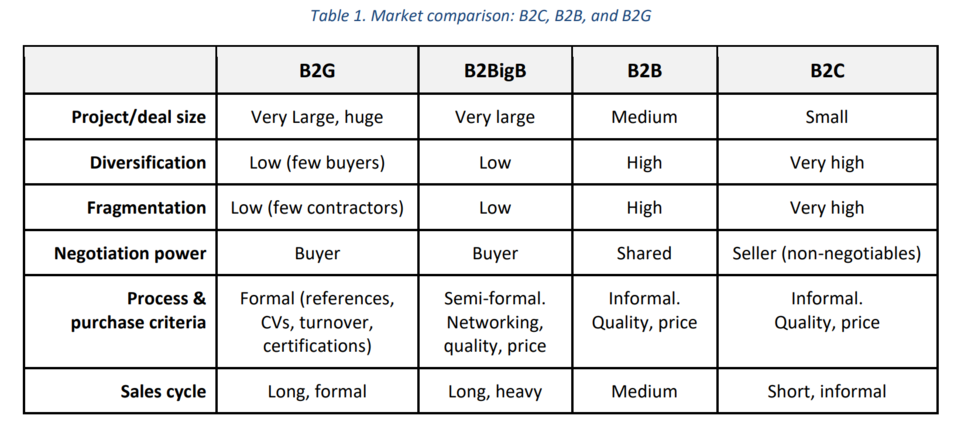
| Channel type | Example including Fair Market Inc | Typical buyers | Product scope | How access works |
|---|---|---|---|---|
| Specialized wholesale distributor | Fair Market Inc (frozen food) | K‑12 districts, colleges, institutional food programs | Narrow: frozen and prepared foods, opportunity and first‑run products | Relationship- or account-based; not a public consumer marketplace |
| Large retail / B2C marketplace | Amazon, eBay, AliExpress | General consumers, some small businesses | Very broad: electronics, fashion, home, etc. | Open website or app; buy 1 unit at a time |
| Global B2B/B2C marketplace | DHgate, Alibaba-style platforms | Small businesses, resellers, some consumers | Broad catalog; often geared toward resale | Online marketplace with many independent sellers, often cross‑border |
| Local foodservice wholesaler | Regional broadliners, produce distributors | Restaurants, schools, institutions | Food and foodservice supplies | Local sales reps, contracts, and deliveries |
Where Fair Market Inc is unique
Based on its own descriptions, Fair Market Inc focuses on wholesale frozen food and related items, offering both opportunistic buys (for cost savings) and consistent first‑run products for menu stability. Through Synergy Food Sales, it leans heavily into K‑12 and other institutional food programs.
By contrast, large retail and global online marketplaces are built around a very wide assortment and self‑serve online ordering. They are great if you need a mix of categories (phone accessories, home decor, clothing) and want to buy small quantities from many sellers.
For food, especially in the United States, “fair markets” also has a regulatory angle. USDA describes efforts to support fair, competitive markets for farmers, ranchers, and others in the food system, aiming for more transparent and competitive opportunities rather than any one private company’s marketplace. You can see that framing in USDA’s own overview on ensuring fair markets.
Fair Market Inc operates within that broader food‑system context, but it’s not itself a regulator or policy tool. It’s one distributor participating in a highly regulated, often publicly funded ecosystem.
Match Your Scenario to the Right Marketplace Type
Instead of asking “Is Fair Market Inc better than Amazon or eBay?”, it’s more useful to ask: What am I actually trying to buy, and under what constraints? Then pick the marketplace type that is built for that situation.
1. You manage a K‑12 or institutional food program
If you’re responsible for a U.S. K‑12 cafeteria, summer program, or similar institutional food service, you’re operating under strict USDA and state rules. You need:
- Products that meet current meal pattern guidelines
- Predictable supply for menus
- Pricing and packaging suitable for large groups
Here, working with institutional‑focused distributors—such as Fair Market Inc and its Synergy Food Sales entity—can make sense. Their materials emphasize K‑12 specialization and participation in USDA and state conventions, suggesting they tune their offerings to those rules and budgets.
Retail marketplaces or general cross‑border platforms rarely align well with these requirements. They may be useful for peripheral items (decor, serving tools), but not the core reimbursable meals.
2. You run a local restaurant, food truck, or catering business
If you’re a chef‑owner or small operator, you need consistent ingredients, safe handling, and local delivery windows. You’ll typically compare:
- Regional foodservice broadliners and specialty distributors
- Cash‑and‑carry restaurant stores
Fair Market Inc may or may not serve your segment, depending on geography and volume. Their public messaging leans more toward institutional and programmatic clients than single independent restaurants, so you’d likely start with local wholesalers first, then ask Fair Market Inc directly whether you fit their customer profile.
Global online marketplaces are poor fits for perishable food sourcing because of transit times, storage requirements, and regulatory complexity.
3. You run a U.S. ecommerce shop or resell goods online
If your challenge is filling an online storefront with non‑food products—phone cases, small electronics, apparel—Fair Market Inc is simply not the right channel. It doesn’t present itself as a general wholesale marketplace and focuses on frozen food.
Your more realistic options:
- Large retail marketplaces (Amazon, eBay, AliExpress) for test buying, arbitrage, or dropship‑style models
- Global B2B/B2C marketplaces such as DHgate if you want to source certain categories cross‑border directly from manufacturers or traders
On these platforms, you can:
- Search by product keyword and category
- Order small test quantities before committing to larger buys
- Mix many product types in a single sourcing strategy
If you take this route, focus on product‑ and seller‑level checks: item descriptions, photos, buyer reviews, and sample orders. For a deeper look at how one cross‑border marketplace operates in this space, you can read What DHgate is and how the marketplace works.
4. You coordinate food boxes or community relief programs
Some food programs work with non‑profits to assemble boxes of food for distribution. Fair Market Inc’s site suggests work with non‑profit organizations to create custom boxes featuring quality and variety at lower cost.
If you’re building such a program, your priorities are:
- Nutrition and variety
- Shelf life and handling
- Unit cost at scale
Specialized food distributors (including Fair Market Inc when geography and program scope align), local food banks, and regional wholesalers tend to be better partners than general marketplaces. Global consumer marketplaces don’t easily support pallet‑scale food sourcing, especially within U.S. regulatory frameworks.
Quick cross‑border risk reminder
Any time you step outside your local wholesale network—whether for foodservice equipment, packaging, or resale inventory—you’re combining:
- Different legal systems
- Longer logistics chains
- Less direct recourse if an individual seller underperforms
USDA’s work on fair, competitive markets is largely domestic and focused on producers and intermediaries, not global ecommerce disputes. For purchases on large platforms, fairness depends heavily on your specific seller relationships, contracts, and your own due diligence.
For institutional food sourcing tied to public programs, staying within established, vetted distributor channels (and any approved vendor lists) is usually safer than trying to import product through broad marketplaces.
The key takeaway: Fair Market Inc fills a specific niche as a wholesale frozen‑food distributor for institutions and programs. For most non‑food or cross‑border sourcing, you’ll be better served by general online marketplaces and local wholesalers, choosing each channel based on what you’re actually buying and the rules you have to follow.