
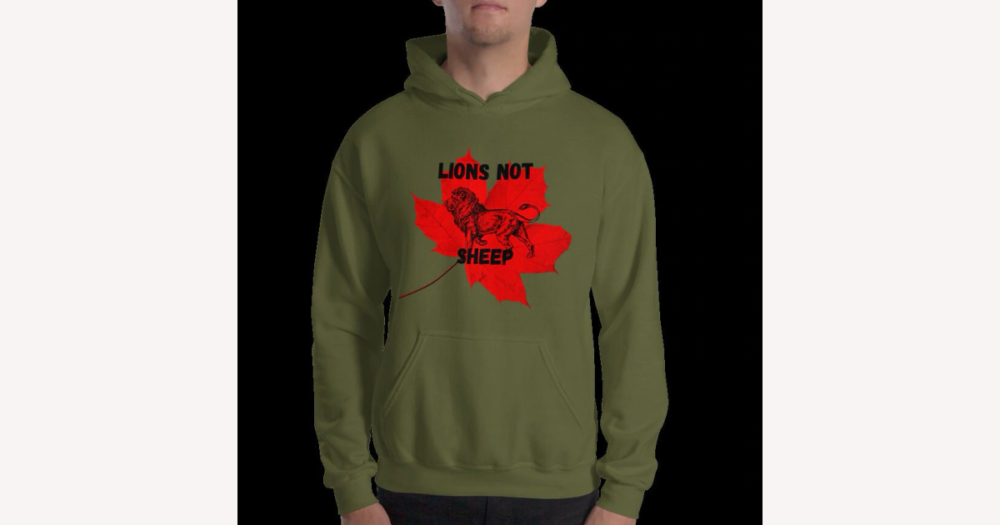
If you’re browsing DHgate for Lions Not Sheep–style clothing, treat the phrase as a bold motivational theme rather than a promise of official brand merchandise. DHgate is a marketplace where independent sellers list lion-and-sheep graphics, leadership slogans and similar designs, so the safest approach is to focus on clear photos, honest descriptions and solid seller records instead of assuming any listing is licensed by the Lions Not Sheep brand.
Treat “Lions Not Sheep” as a style theme, not a guaranteed brand
On DHgate you’re browsing a marketplace of independent sellers, not an official Lions Not Sheep store, and there’s no public indication that DHgate is an authorized channel for that brand. Listings that reference lions, sheep, leadership or individuality are usually theme-based motivational designs rather than guaranteed brand-direct merchandise, so it’s safer to judge each item on its photos, description and seller track record instead of assuming any slogan is officially licensed.
I would rather choose a plainly described lion-themed or motivational T-shirt from a smaller seller—with clear material details, sizing information and straightforward shipping terms—than chase a vague promise that something is “Lions Not Sheep” without proof of origin or licensing. The rest of this guide focuses on helping you recognize the look of this style and evaluate DHgate listings on their own merits, even when they avoid brand names.
Recognize the look and messaging of Lions Not Sheep–style designs
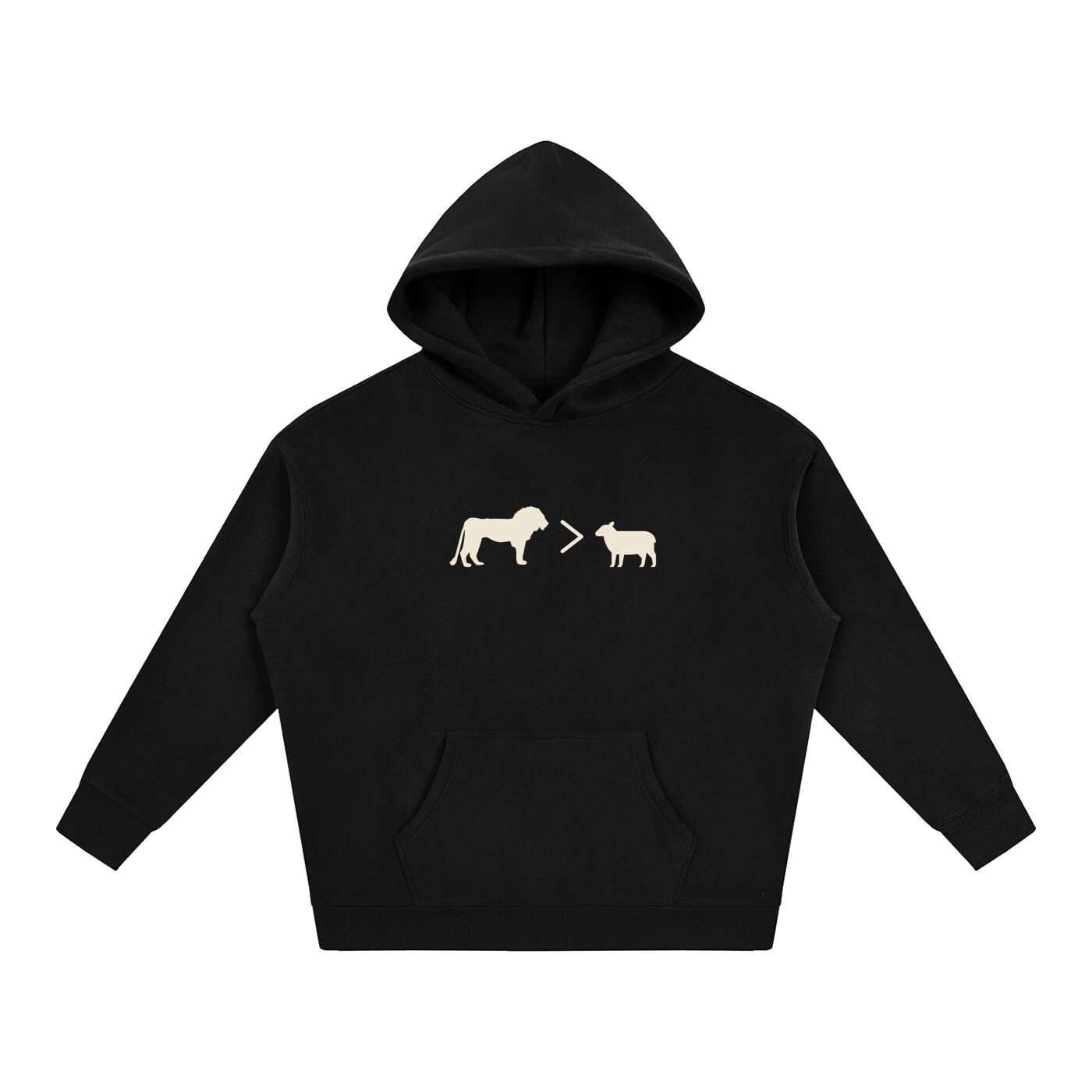
This example hoodie shows the kind of bold, slogan-led look many Lions Not Sheep–style designs use: large text across the front, strong contrast and a simple layout that puts the message first. Treat it as a visual reference for the style rather than a signal that any specific marketplace listing is official merchandise.
Lions Not Sheep–style apparel usually leans on loud, straightforward messaging: block-letter slogans about being a lion instead of a sheep, leading rather than following, or refusing to go with the herd. Designs often pair this text with lion heads, sheep silhouettes or other predator-versus-flock imagery, and may mix in wider themes like strength, independence or patriotism.
Visually, you’ll see high-contrast color palettes such as black fabric with white lettering, distressed or stencil-style fonts, and accents in red, white and blue on some pieces. The theme shows up on common garment types including T-shirts, hoodies, caps, patches and decals, so it’s worth scanning across categories if you like the look.
On DHgate, titles might be generic—“lion graphic tee,” “motivational slogan hoodie,” or similar—rather than using the exact phrase “lions not sheep.” Instead of relying on those words in the title, read the slogans in the photos and look for the overall lion-versus-sheep or anti-conformity message in the artwork and typography. Because this bold, sometimes patriotic presentation can make origin or authenticity claims feel more convincing than they are, the next section focuses on why you should treat strong marketing statements with care.
Use the Lions Not Sheep FTC case as a warning about bold claims
Run a focused buyer checklist for Lions Not Sheep–style listings
- Review seller reputation: check overall ratings, how many orders the seller has completed, and how recent the reviews are so you’re not relying on stale feedback.
- Read the full product description for substance: look for fabric type (for example, 100% cotton vs blends), fit notes, and a size chart with measurements. Pay extra attention to international sizing and compare the numbers to a shirt or hoodie you already own.
- Inspect all listing photos closely: confirm the exact slogan and artwork, placement on the garment, and details like edges, spacing and alignment. Make sure the design you see matches what you want printed on your clothing or accessory.
- Scan buyer reviews for practical details: comments about print quality, cracking or peeling after washing, shrinkage, and whether colors and graphics match the listing photos are more useful than generic praise.
- Confirm logistics before adding to cart: check estimated shipping times, shipping costs, and any mention of returns or refunds so you understand how long the item might take to arrive and what happens if there’s a problem.
- Treat bold origin or quality claims as prompts, not guarantees: if a listing says “premium,” “Made in USA,” or uses patriotic imagery, look for evidence such as label photos, clear material details and specific manufacturing information before trusting the claim.
- If the slogan or artwork isn’t clearly visible in the photos, or the description is vague about materials, sizing or origin, I’d skip that listing even if the concept of the design appeals to me. Clear text and honest details matter more than a perfect mock-up.
- While reviewing the checklist, ask whether the listing presents itself as official Lions Not Sheep merchandise or simply as a similar lion-and-sheep-inspired design. That distinction helps you judge whether its branding matches your expectations.
Tell brand authenticity apart from look-alike designs
On DHgate, most motivational apparel is designed to capture a popular look or message rather than to act as official Lions Not Sheep merchandise. If you like the lions-versus-sheep idea, it’s safer to start from the assumption that a listing is style-inspired, not brand-authentic, unless the seller provides strong, consistent evidence to the contrary.
Positive signals of authenticity include a clear mention of the official brand name in a way that reads naturally in the title and description, not as a long string of keywords. Close-up photos of neck tags, inside labels or packaging that show the same branding, and descriptions that reference specific logos or trademarks in a consistent way across text and images all make it more plausible that the item is presented as branded merchandise.
By contrast, many listings only use generic language like “lion print shirt,” “motivational slogan hoodie” or “patriotic graphic tee” and show no tags, inside labels or branded packaging at all. Those are best treated as look-alike designs. Very low prices, missing or blurry logos, and a lack of any tag or packaging photos are additional reasons to doubt that a piece is official, even if the wording on the graphic resembles known Lions Not Sheep phrases.
This guide can’t certify any specific listing as genuine or not, so I would rather be honest with myself about what’s likely: unless a DHgate seller offers strong, consistent branding evidence, I’d assume the item is simply a themed lion-and-sheep design and set my expectations for tags, packaging and overall finish accordingly. Whether a piece is official or inspired, the next question is whether the fabric and print will actually feel good and hold up in wear and washing, which comes down to materials and construction details.
Read fabric and print details for comfort and durability
For Lions Not Sheep–style T-shirts and hoodies on DHgate, fabric composition is one of the biggest comfort factors. 100% cotton is usually soft and breathable but can shrink more and wrinkle more easily if it’s not pre-shrunk. Cotton–poly blends tend to feel a bit smoother and lighter, resist wrinkles better and shrink less, but may be slightly less breathable than pure cotton, which some people notice in warmer weather.
Fabric weight also changes how a piece wears. Heavier-weight jerseys and fleece feel thicker, warmer and more structured, which many people prefer for hoodies or colder climates. Lighter fabrics feel cooler, drapier and easier to layer under jackets, but can show outlines or feel flimsy if they’re very thin. Use any listed GSM (grams per square meter) or descriptive terms like “lightweight,” “medium weight” or “heavyweight” to match the garment to how and when you plan to wear it.
Print method affects both appearance and longevity of bold slogans. Screen printing typically produces strong color and a slightly raised feel; when done well it can stay vibrant for many washes, though very thick ink can eventually crack. Heat-transfer prints often look like a smooth decal on the surface and can peel or lift if washed or dried too hot. Sublimation printing infuses dye into the fabric itself, usually on light-colored polyester, so the graphic feels soft and doesn’t sit on top of the cloth, but color can fade differently over time.
For hats with lion-and-sheep motifs, details like a structured versus unstructured crown change the silhouette: structured caps hold a firm shape, while unstructured ones relax to your head. Mesh backs give more ventilation and a trucker-style look, and adjustable closures—such as snapback, buckle or hook-and-loop—let you fine-tune fit and affect how casual or polished the hat appears.
When I’m browsing DHgate, I look for listings that spell out fabric composition, at least a general fabric weight, the print method, and basic construction details like whether a hoodie is double-stitched or a hat has a structured crown. If a design gives no meaningful information about materials or construction at all, I’d be cautious and would rather choose a more transparent option. Once you’ve picked a style and build that suit you, it’s still important to prepare for checkout and possible issues on DHgate so you’re protected if the item doesn’t arrive or the quality doesn’t match the description.
Prepare for checkout and potential issues on DHgate
- Review the full order summary so you know exactly what you’ll pay, including item price, shipping, taxes or fees, and any discounts.
- Check the estimated delivery window and factor in that international shipments can vary; only proceed if the timeframe fits your plans.
- Use secure payment methods available through DHgate and avoid off-platform options, so your transaction remains covered by DHgate’s protections.
- Reconfirm the seller’s stated return, refund, or exchange terms for the specific item before you click to pay.
- Save order confirmations and take screenshots of the listing details and key messages with the seller so you have clear records if you need to raise a dispute or refund request.
- Know where to look for DHgate help, dispute, and refund information on the site or in the app, even if you don’t need to use it right now.
- Remember that a Lions Not Sheep–style slogan doesn’t change how DHgate handles transactions—your protection comes from platform policies and how well your order is documented, not from the words printed on the shirt.
- If you still feel unsure about licensing, tags, or packaging after these checks, keep those questions in mind for the final FAQ, where expectations for style-themed purchases are spelled out more directly.
Common questions about Lions Not Sheep–style buys on DHgate
Does DHgate guarantee that any “lions not sheep” wording or logo is officially licensed by the Lions Not Sheep brand?
No. DHgate is a marketplace for independent sellers, not an official Lions Not Sheep storefront, and it generally does not guarantee that items using similar wording or imagery are officially licensed. Authenticity depends on the specific seller and listing details, so you should assume a design is theme-based unless the seller provides strong, consistent evidence of brand authorization.
How should I treat listings that use lions-versus-sheep messaging but don’t clearly show brand tags or official logos?
Treat most of these as styled or inspired designs rather than brand-direct merchandise. Unless you see clear brand mentions in the title and description, matching logos in the photos, and close-ups of tags or packaging that align with that branding, it’s safer to view the item as a generic motivational piece. I’d rather go in with realistic expectations than assume official status based on a slogan alone.
What logos, internal tags, and packaging should I realistically expect if I order Lions Not Sheep–style apparel from DHgate?
Many theme-based items will arrive with generic or unfamiliar branding on the neck labels, simple care tags, and basic packaging such as plain polybags or standard mailers. Mixed or non-matching tags, or packaging that doesn’t reference the slogan at all, are common. If you buy style-themed apparel instead of brand-direct products, expect the look of the printed design to matter more than the sophistication of tags or packaging.
Can I ask DHgate sellers for extra photos or information about branding and packaging before I order?
Yes. You can message sellers to request close-up photos of logos, neck tags, care labels, and packaging, or to ask how the item will be labeled when it arrives. If the seller’s answers are vague or contradictory, or the seller refuses to provide clearer images, I’d take that as a signal to walk away and look for a more transparent listing.
Can this guide or DHgate itself confirm whether a specific Lions Not Sheep–style listing is genuine branded merchandise?
No. This guide can’t certify any particular listing, and DHgate’s protections focus on transactions and disputes, not on guaranteeing brand authenticity for every item. The safest approach is to rely on how clearly a seller presents branding, tags, and product details, and to default to treating designs as themed or inspired unless there is strong, consistent evidence that they are officially licensed.