
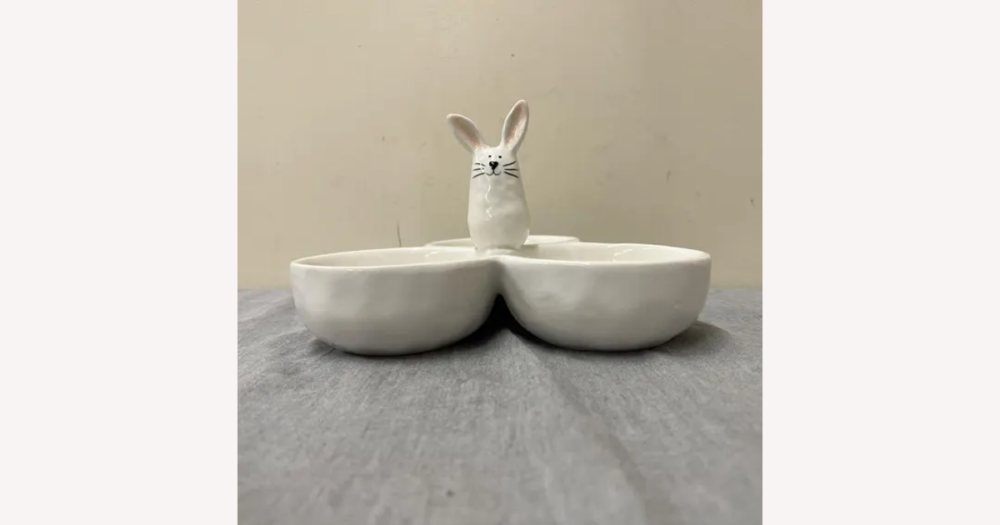
Reliable bunny bowls on DHgate and other online pet stores aren’t found through secret links; they’re the listings that clearly show what the bowl is made of, how big and stable it is, and how transparent the seller’s policies are on shipping, payment, disputes, and refunds. This guide explains how to read those details so you can judge bunny bowls and sellers for yourself before you start searching or buying.
Understand DHgate and similar marketplaces before you start searching
When you search for bunny bowls on DHgate, you’re not browsing a single curated pet store; you’re looking at offers from many independent sellers sharing one marketplace. That’s different from well-known Australian pet or home retailers, where the store itself controls the range and usually stands behind the products. On DHgate and similar platforms, each bunny bowl listing and its seller must earn your trust on their own.
Because DHgateWiki is an editorial guide rather than a shopping list, the focus here is on criteria you can apply anywhere instead of naming specific products or stores. Reliable bunny bowls start with clear, verifiable information: you should be able to see what the bowl is made from, how big it is, how it’s meant to sit in a cage or on the floor, and what the seller’s ordering, shipping, and refund rules look like. I would personally trade a lower price or a trendier design for that kind of transparency, because it makes it much easier to judge whether a bowl and seller are genuinely suitable for everyday use with a rabbit.
If you already trust a particular store or brand from past experience, you might be comfortable accepting simpler listings because you rely on that relationship. On DHgate-style marketplaces, though, seller quality can vary widely, so stricter scrutiny usually makes sense: treat every bunny bowl listing as a small research task, and use the information on the page to decide whether it belongs in your shortlist at all.
Know the key materials and specifications for bunny bowls
A useful bunny bowl listing should make the basic physical details easy to understand. Most bowls you’ll see online are made from stainless steel, plastic, ceramic, or natural fiber materials such as palm-leaf styles. Stainless steel tends to feel tough and straightforward to clean, plastic bowls are lightweight and can be shaped or coloured in many ways, ceramic often feels heavier and more solid, and natural fiber designs usually look more rustic and may feel lighter or less rigid. None of these types is automatically “better”; what matters is that the listing tells you clearly which material you’re getting so you can picture how the bowl will handle everyday knocks and cleaning in your home.
Size and capacity should be expressed in numbers, not just rough labels. Look for measurements like diameter and height (for example in centimetres) and sometimes volume (in millilitres or ounces). These figures help you judge how much space the bowl will take up in your rabbit’s enclosure and how much food or water it can comfortably hold. Design details such as a weighted base, non-slip bottom, or cage-attachment hardware can make a big difference to how stable the bowl feels in daily use; I would generally favour bowls where these stability or mounting features are clearly described, even if that means paying a little more than a vague alternative.
Treat unclear or inconsistent information as a caution flag. Listings that only describe a bunny bowl as “small”, “medium”, or “large” without measurements, or that use photos that don’t obviously match the written dimensions or materials, leave important questions unanswered. When you can’t tell from the specs and pictures how big the bowl really is or how it is meant to sit or attach, it’s harder to trust that the item will arrive as expected, and it may be safer to keep looking for a listing with more precise, consistent detail.
Match bowl design to your rabbit’s size and habits
- Check the measurements against your rabbit’s body. For smaller rabbits, favour bowls with a smaller diameter and lower sides so they can reach food or water without stretching; for larger rabbits, look for wider or deeper bowls that won’t overflow or scatter pellets when they eat enthusiastically.
- Read the design details to see how the bowl stays put. If your rabbit tends to push, tug, or chew at bowls, prioritise listings that show tip-resistant features such as a weighted base, non-slip bottom, or clear cage-attachment hardware (clips, brackets, screw-on holders). I would rather pay a little more for a bowl whose photos and description clearly show how it is secured than choose a cheaper option that looks easy to knock over.
- Picture the bowl in your actual enclosure layout. Compare the stated height and footprint with the space under hutches, inside cages, or along pen walls to make sure the bowl won’t block doors, be kicked into litter areas, or sit where bedding will constantly fall into it.
- Use multi-bowl sets or feeder kits only when each bowl’s dimensions make sense. Sets can be handy for separating water, pellets, and treats, but check the listed diameter and height for every included bowl, not just the headline size. Avoid sets where some bowls look too shallow, too tall, or too large for your rabbit’s usual feeding area, as they may end up unused or awkwardly placed.
Read seller and listing signals to judge quality and reliability
On DHgate and other marketplaces, each bunny bowl listing and seller has its own track record. Start by glancing at the seller’s overall rating, the number of completed transactions, and any indication of how long they have been active. A seller with steady, mid-to-high ratings over many orders generally feels more credible than a new account with little feedback, even if that new listing looks slightly cheaper.
I would usually choose a bunny bowl from a seller whose prices are moderate but whose evidence is strong: clear rating scores, a solid order count, and a profile that looks established. Combine that with a listing that uses well-lit photos from several angles, close-ups of any mounting hardware, and specific written dimensions. That level of detail suggests more care in both product selection and quality control than a bare-bones listing with one generic image and vague text.
Reviews are most useful when you focus on patterns relevant to small-pet accessories. Multiple comments that mention sturdiness, accurate sizing, and secure attachments provide better evidence than short, generic praise. By contrast, repeated mentions of bowls arriving chipped, bent, smaller than described, or hard to attach—especially when there is no visible seller response—are warning signs that reliability is uncertain. Ratings and reviews can show how often obvious problems occur, but they still can’t fully prove long-term durability or rule out rare defects, so treat them as one part of your overall judgment rather than a guarantee.
Use a simple research checklist when browsing bunny bowls on DHgate
- Enter a broad search term related to bunny bowls or rabbit feeders on the marketplace, such as “rabbit bowl” or “bunny feeding bowl,” without worrying about the exact label used in the site’s interface.
- Use any available filters for material, size, or category to narrow the results, then open several promising listings in new tabs instead of assuming the first result is the best option.
- On each listing, confirm what the bowl is made of, check specific measurements and capacity, and look for stability or mounting details; make sure the photos clearly show the bowl’s size and hardware and genuinely match the written description.
- Read the seller’s profile for overall rating, transaction history, and feedback patterns, giving more weight to consistent, specific comments about product quality than to very short or conflicting reviews.
- Before you treat a listing as a serious candidate, check the total cost including shipping, the estimated delivery timeframe, and clearly stated return or refund conditions; I would not shortlist a bunny bowl that lacks these basics, has unclear photos, or omits dimensions, even if the price looks tempting.
Check payment, shipping, and dispute protections on marketplaces
Recognise higher-risk patterns and unresolved questions
Quick shortlist checklist for bunny bowls on DHgate and similar sites
- Product attributes: shortlist only bowls with a clearly stated material (for example, stainless steel, ceramic, or a named plastic type), specific measurements for diameter and height, and a description of how the bowl stays stable or attaches to a cage or enclosure.
- Seller signals: confirm that the seller has reasonable ratings, a visible history of completed orders, and review patterns that sound specific and balanced rather than generic or suspiciously repetitive.
- Transaction details: check the total cost including shipping, the estimated delivery timeframe, and a stated return or refund policy that explains what happens if the bowl arrives damaged or not as described.
- Decision rule: if any basics are missing—especially material clarity, measurements, or usable seller rating information—treat that listing as too uncertain to shortlist, even if the design looks appealing or the price is very low.
FAQ: Handling similar listings, damaged bowls, and price–quality tradeoffs
Do platform filters like “4 stars and up” guarantee a reliable bunny bowl on DHgate or other marketplaces?
No. Rating filters help you avoid clearly weak listings and shorten the list you have to review, but they don’t guarantee reliability. Use them as a first pass, then manually check each shortlisted listing for clear materials and dimensions, accurate photos, a seller history that looks genuine, and visible shipping and refund information before treating it as a serious option.
What should I do if a bunny bowl arrives damaged or doesn’t match its description on DHgate?
Start by documenting the issue with clear photos and keeping any packaging or labels. Contact the seller through DHgate’s messaging or order centre to explain the problem and ask for a solution, then follow the dispute or refund process described in current DHgate help and on your order page. Outcomes depend on the platform’s rules at the time and the specifics of your case, so avoid assuming that a refund or replacement is automatic.
How can I choose between similar-looking bunny bowl listings when prices and designs are close?
When several listings look alike, give more weight to clearer specifications, better-quality photos, and stronger seller histories than to small price differences. A bowl from a seller with consistent ratings, detailed product information, and transparent shipping and refund terms usually carries less risk than a slightly cheaper but vague listing. If you already trust a particular store or brand from past experience, it can be reasonable to accept leaner descriptions from them, but you’re still relying on that relationship rather than the listing alone.