
Below, I’ll walk through what swede seeds actually are, the criteria to apply before you trust any online listing, and a practical workflow for finding and vetting DHgate options so you know when to stop and look elsewhere.
What Swede Seeds Are and Why Online Sourcing Is Tricky
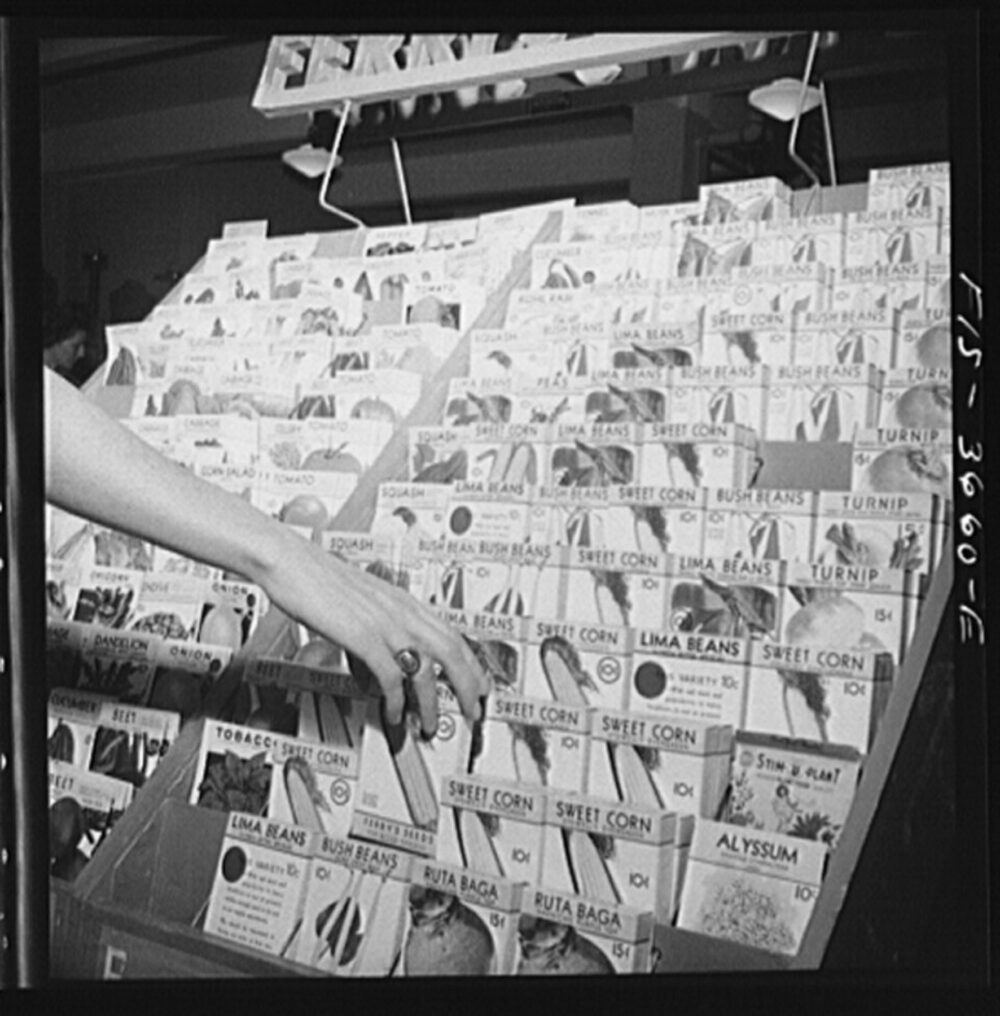
Swede (often called rutabaga in the US) is a cool‑season root vegetable, usually grown for human food, livestock feed, or farm‑shop resale. Seed packets from traditional suppliers normally tell you exactly which cultivar you’re buying (for example, a named globe type), how many days to maturity, and which climate zone they suit.
On large marketplaces like DHgate, seed listings are broader and less standardized. DHgate’s own editorial material describes a wide range of vegetable seeds—carrots, lettuce, cucumbers, kale, radishes, Swiss chard—plus flowers and peppers, often with various packet sizes and descriptive text about plant size or taste.Sourcing Seeds That diversity is useful, but it also highlights a challenge: swede may simply be bundled under “mixed vegetable seeds” or misnamed, and variety naming can be inconsistent.
For buyers in the US, that creates three practical issues:
- Ambiguous naming. A listing might say “turnip/swede seeds” or “root vegetable mix” with no clear cultivar.
- Unknown viability. Storage conditions and age are rarely documented in a marketplace listing.
- Limited visibility of certification. Prior DHgateWiki work on seed listings found that sellers often do not show lab germination results or clear organic/GM status, and swede seeds are unlikely to be better documented than other niche crops.Seed sourcing issues
That’s why the starting point is not “where’s the cheapest swede seed,” but “what minimum evidence do I need before I use DHgate for this crop?”
Buying Criteria for Swede Seeds: Variety, Viability, and Seller Signals
Before you shortlist any listing—on DHgate or elsewhere—make sure you can answer a few concrete questions.
1. Variety and label clarity
For swede, you want at least:
- A clear crop name: swede, rutabaga, or a well‑known named variety.
- Distinction from turnips: many mixed root packs blur these, but they behave differently in the field.
- Basic traits: bulb shape, color, days to maturity, and season (usually cool‑season, often spring or late summer sowing).
On DHgate, descriptions can be verbose but generic. Their seed editorial emphasizes detailed descriptions for some crops (like tomatoes: plant size, flavor, cultivation notes).Seed descriptions When you’re looking at swede, treat that as a benchmark: if the listing doesn’t reach that level of specificity for your root crop, assume the seller isn’t focused on serious growers.
2. Climate fit and use case
Your checks will differ slightly depending on who you are:
- Home gardener (US). Look for a sowing window compatible with your USDA zone and a description that mentions cold tolerance and root storage.
- Small farm/micro‑CSA. You need predictable maturity and uniform bulbs. Any listing that doesn’t mention days to maturity or expected size is a poor candidate.
- Reseller/ecommerce. If you plan to split and resell packets, you need consistent labeling and at least a quasi‑professional description to avoid customer complaints.
If a DHgate listing is vague on these points, put it in the “experiment only” bucket or skip it.
3. Viability and storage hints
Most DHgate seed listings will not show lab germination rates. You can still look for indirect viability clues:
- Harvest year or packing date on the packet image (if any).
- Storage notes in the description (cool, dry, shelf life).
- Buyer photos in reviews that show actual packets or plants.
If none of that exists, that’s a strong case for ordering small test quantities first—exactly what DHgate’s wholesale guidance recommends for bulk buyers: request samples, assess quality, then scale only if results are acceptable.Wholesale tips
4. Seller behavior and feedback
DHgate’s own advice for agricultural products stresses:
- Reading the product description fully for origin, characteristics, and intended use.
- Checking seller ratings and reviews for reliability and product quality.
- Prefer seasoned vendors with a record of satisfied customers.Agricultural tips
For swede seeds, translate that into a quick shortlist checklist:
| Checkpoint | What “good enough” looks like for swede seeds | When to walk away |
|---|---|---|
| Product title & description | Mentions swede/rutabaga clearly; basic traits and season stated | Only says “mixed vegetable seeds” |
| Photos | Clear seed packet or plant photos, not just generic clip‑art | No real photos, only stock graphics |
| Seller rating & review volume | Solid rating plus several seed‑related reviews, ideally with photos | Few reviews or many complaints about germination |
| Packaging/quantity info | States approximate seed count or weight per packet | “Random quantity” or no packet detail |
| Communication | Responsive to pre‑purchase questions about variety and season | Ignores or gives evasive answers |
Independent guides on DHgate generally agree: the marketplace can be used, but only if you actively vet listings and accept that you’re carrying most of the risk yourself.DHgate risk overview
Step-by-Step: Finding and Vetting Swede Seed Listings on DHgate
Because DHgate’s product data for swede is thin and inconsistent, you won’t see a neat “Swede seed” category. You’ll need to drive the search yourself and be ready to stop if you can’t find evidence that a listing is suitable.
Step 1: Start with targeted search terms
On DHgate’s homepage:
- Type specific queries such as “swede seeds”, “rutabaga vegetable seeds”, or “root vegetable swede” in the search bar.
- Expect a mix of direct hits and broader vegetable seed bundles.
DHgate encourages buyers to use the search bar plus filters to narrow a broad catalog down to relevant items.Finding products For swede, assume you’ll need to refine manually.
Step 2: Use categories and filters to trim noise
Once you have results:
- Switch into the Seeds / Seedlings / Garden supplies category if available.
- Filter by “Vegetable seeds” rather than flowers or herbs.
- Sort by orders or ratings first, then scan titles for “swede” or “rutabaga.”
If you’re sourcing for a US micro‑farm or small ecommerce brand, consider narrowing to listings that ship from warehouses closer to your region to reduce transit time, but don’t treat that as a quality signal by itself.
Step 3: Read listing details like a seed catalog, not a gadget page
DHgateWiki has shown that you often need to dig into item details to separate serious agricultural listings from novelty seeds.Item details
On each candidate swede listing:
- Open the full description and look for crop name, variety, days to maturity, and sowing instructions.
- Inspect all photos—are they showing real packets and plants, or just generic marketing art?
- Check quantity and packet information; for trial plots, you’ll want enough seed to run a meaningful test.
If the page reads like a generic “magic vegetable mix,” move on.
Step 4: Evaluate the seller, not just the product page
Click through to the seller’s profile:
- Compare their overall rating, number of transactions, and how long they’ve been active.
- Read reviews that mention seeds specifically (not just unrelated products).
- Look for consistent feedback on germination and packet accuracy.
For deeper trust checks, you can supplement this with more general DHgate seller guidance, like the strategies in Find trusted sellers on DHgate, which focuses on pattern recognition in ratings and behavior rather than one-off comments.
Step 5: Message the seller with precise questions
Before you commit, send a short, specific message:
- Ask which exact swede variety is being sold.
- Confirm the packing or harvest year of the seed stock.
- Ask for the recommended sowing season in temperate climates.
Treat their response as evidence. Clear, specific answers suggest at least some product knowledge. Vague or copy‑pasted replies are a warning sign.
Step 6: Order test quantities first
For home gardeners and small farms, DHgate’s wholesale guidance applies directly: start with sample‑level orders, evaluate, then scale.Wholesale tips
A sensible approach:
- Buy small packets from one or two sellers rather than a large bulk order from a single untested source.
- Sow a dedicated test block and record germination, uniformity, and taste/storage performance.
- Only consider repeat or larger orders if your trial meets your standards.
If you’re an ecommerce reseller, don’t list or market the seed until you’ve run that test; your own customers will expect more certainty than DHgate listings usually provide.
Step 7: Know when DHgate is the wrong tool
There are clear situations where you should switch channels:
- You need documented germination rates and official certification (organic, non‑GM, disease‑tested).
- You’re planting large acreage where crop failure would be costly.
- You’re supplying retail customers who expect standard, branded varieties.
In those cases, a traditional seed house, regional co‑op, or agricultural distributor with transparent labelling and certification is a better fit. Use DHgate for low‑stakes experimentation or side projects, not for foundational swede seed stock.
For any DHgate purchase—swede seeds or otherwise—it’s also worth running through an order sanity check like the DHgate order-readiness checklist, which forces you to re‑confirm details before you click “pay.”
For additional DHgate platform context, use What DHgate is and how the marketplace works.
Used thoughtfully, DHgate can help you explore swede seeds and root-crop options you might not see in a US catalog—but only if you treat every listing as unverified until the variety, viability, and seller behaviour convince you otherwise.