
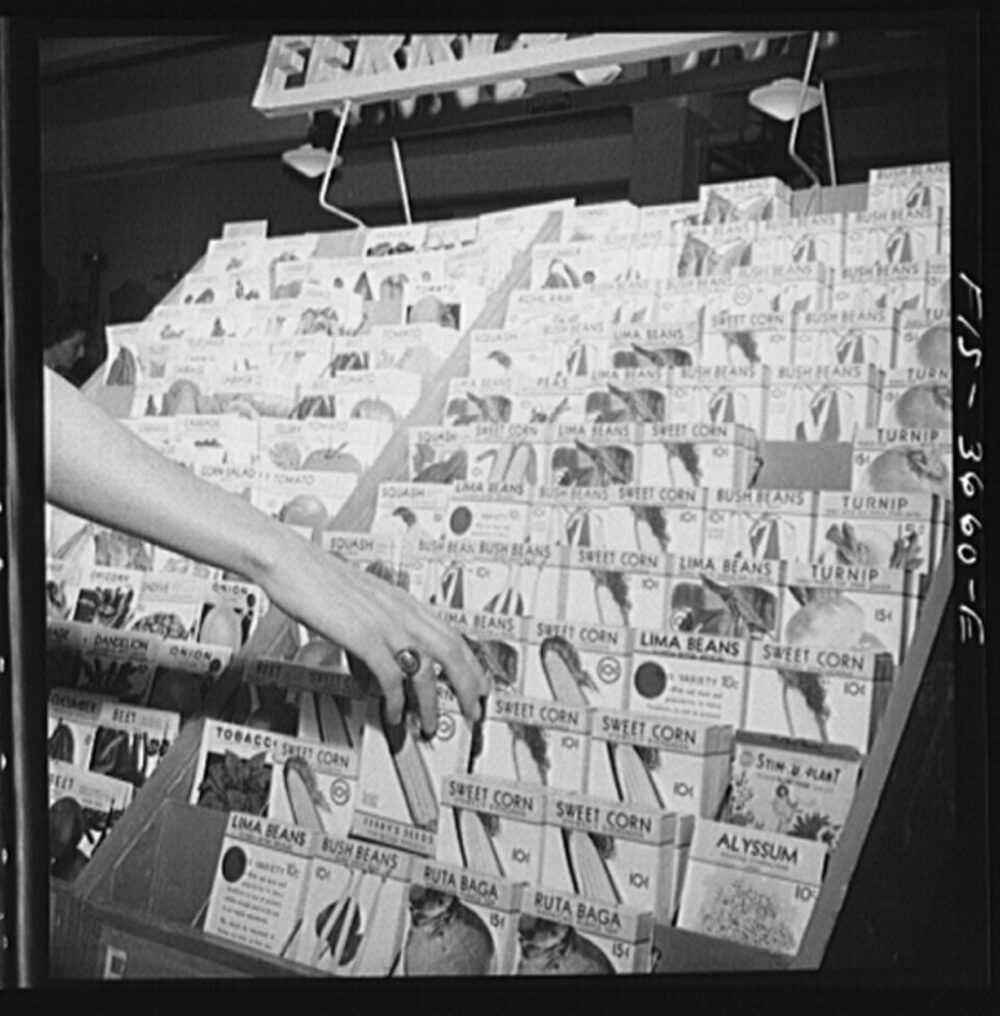
Swede (rutabaga) seeds are best chosen by matching variety and sowing season to your climate, then checking listing details like bolt resistance, root size, and intended use (table vs stock feed). For most US gardeners and small resellers, specialist seed houses give clearer variety information, while general marketplaces such as DHgate mainly offer broad, low-cost plant seed categories rather than detailed, swede-specific guidance.
What Swede Seeds Are and Who They’re For
Swede, also called rutabaga or Swedish turnip, is a hardy root vegetable grown for its sweet, slightly nutty flesh and its ability to store through winter in cool conditions. It’s a cool-season crop that actually develops better flavor when it matures in cold weather, which makes it attractive for fall and winter cooking in many temperate regions. Guides like the Royal Horticultural Society’s swede overview describe it as a reliable, long-keeping root for stews, mashes, and roasts.
Typical buyers for swede seeds fall into three groups:
- Home gardeners who want a few rows for winter kitchen use.
- Small market gardeners/micro-resellers supplying CSA boxes or farmers markets.
- Livestock and forage growers using larger-root or dual-purpose varieties as animal feed.
If your goal is mainly culinary and you’re in the US, you’re essentially shopping for rutabaga. For a small ecommerce business reselling seed packets, you need varieties that are recognizable to cooks, clearly labeled, and reliable across a range of home gardens.
Key Swede Seed Types and Specs That Actually Matter
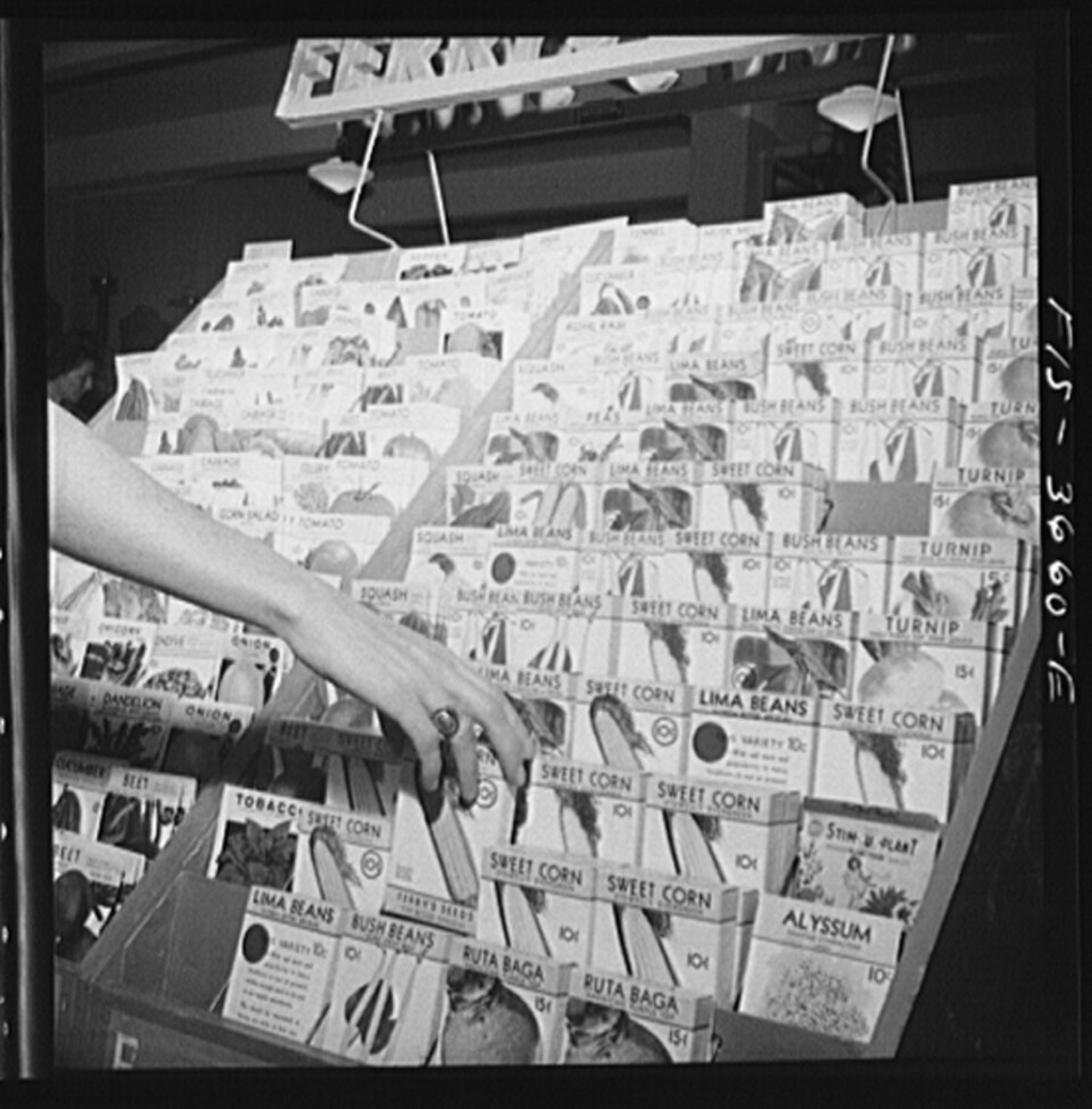
Specialist seed guides for swede don’t just list a name and a photo. They break varieties down by traits that directly affect how well they perform in your garden and kitchen, including sowing window, frost tolerance, tendency to bolt (flower early), and expected root shape and size. A swede grow guide from The Seed Collection, for example, highlights sowing times against seasonal temperatures and flags varieties with better bolt resistance.
Here are the main specs to line up before you buy.
1. Variety type and end use
Seed retailers often distinguish between:
- Table swedes – bred for flavor, texture, and uniform globes for cooking.
- Stock-feed or forage types – bred for bulk and suitability as animal feed.
On a specialist site, you’ll see notes like “good for table use” or “suited to stock feed” so you’re not guessing. An Australian seed retailer’s swede category, for instance, includes several varieties with short descriptions pointing out culinary vs stock-feed suitability.
If you’re a home gardener or reselling to home cooks, stick to table varieties. For small-scale livestock forage, look for descriptions that mention yield and feed use.
2. Sowing season and climate fit
Swede is a cool-season crop. It likes to grow through mild weather and finish in cold conditions for best flavor.Plantvale’s swede guide describes sowing in cooler parts of the year so roots mature into winter, emphasizing that cold improves sweetness.
Listings should tell you:
- Recommended sowing months (often spring for fall harvest, or late summer for winter harvest, depending on region).
- Whether the variety is suited to cooler climates or can cope with some warmth.
For a US buyer, translate sowing windows into your local frost dates. In a northern state, you might sow late spring; in a milder climate you can often sow late summer for a winter crop.
3. Bolt resistance and frost hardiness
Bolting (sending up a flower stem early) ruins root quality. Good swede listings specify whether a variety is slow to bolt and tolerant of frost.
Specialist guides often group swede varieties by:
- Bolt resistance – useful if your springs warm quickly.
- Frost hardiness – essential if you want to hold roots in the ground into winter.
If you’re planting for winter harvest, pick varieties explicitly described as hardy in cold or “good winter keeper” types.
4. Root shape, size, and keeping quality
Root form affects both yield and market appeal. Variety descriptions may mention:
- Globe vs elongated roots
- Uniformity – important if you’re packing boxes or selling at market.
- Storage or keeping quality – how well the roots hold in cool storage.
Heirloom varieties like ‘Aspen’ are often described as having uniform globe roots and good winter keeping qualities, making them attractive for traditional cooking and longer storage.A listing for an heirloom swede called Aspen highlights globes of even size and strong winter keeping.
For home use, uniform globes make peeling and cooking easier. For resale, they look better in photos and in CSA boxes.
5. Labelling: heirloom, F1, organic
Most swede seed listings carry some combination of these labels:
- Heirloom/Open-pollinated – traditional lines you can save seed from if you manage isolation.
- F1 hybrid – bred for uniformity and vigor; not suitable for true-to-type seed saving.
- Organic – grown under organic standards (certification depends on region and seller).
If you’re reselling seeds to a niche audience (organic gardeners, heirloom enthusiasts), these labels become part of your product positioning. If you’re just growing for yourself, pick based on trait descriptions first, labels second.
Where to Buy: Seed Specialists vs Marketplaces Like DHgate
Once you know which traits you need, the next decision is where to buy. In practice, swede seeds show up in three broad channel types: specialist seed houses, general ecommerce sites, and large cross-border marketplaces.
Platform differences that matter for swede
Here’s a compact way to think about the trade-offs:
| Channel type | Typical listing detail for swede | Variety breadth & focus | Best fit scenarios |
|---|---|---|---|
| Specialist seed houses | Very specific: sowing window, bolt resistance, root size, table vs stock feed, keeping traits | Focused vegetable range, often multiple swede varieties | Home gardeners, market gardeners, micro-resellers needing clear traits |
| General ecommerce (e.g., big US sites) | Mixed: some branded seed packets with good detail, some generic | Wide range of garden products; swede present but not a spotlight | Casual gardeners adding swede to a larger cart of garden items |
| Cross-border marketplaces (incl. DHgate) | Often detailed for popular seeds (tomato, pepper, flowers); swede coverage is patchy and less standardized | Very broad seed categories by multiple sellers | Experimenting with low-cost seeds or buying related garden supplies; not a primary source for variety-specific swede |
Specialist seed retailers supporting swede usually provide trait-rich listings and growing notes, so you can confidently match a named variety to your climate and purpose.
For example, Southern Harvest’s swede category includes several varieties with short notes on recommended planting times and culinary focus.
General ecommerce sites in the US often carry rutabaga seed packets from known brands. The detail level varies: some packets and product pages give you days to maturity and rough sowing guidance, but they may not spell out bolt resistance or storage traits.
How DHgate fits into a swede seed buying plan
DHgate’s own editorial content positions the marketplace as a broad source of plant seeds, pointing to categories like vegetable, tomato, pepper, and garden seeds with multiple sellers, packet sizes, and buyer reviews.A DHgate Blog guide to starting plant seeds indoors describes a diverse selection of vegetable and flower seeds and mentions options for organic and heirloom types.
That’s useful context if you’re building a cart of garden items, but for swede specifically there are a few practical limitations:
- Swede/rutabaga is a niche crop, so listings are less common and less standardized than tomatoes or peppers.
- Variety descriptions on generic marketplaces may not cover the full trait set you need (bolt resistance, forage vs table, keeping quality).
In practice, DHgate makes more sense if you:
- Are primarily shopping for other seeds or garden supplies (tools, grow bags, general vegetable mixes) and swede is a minor add-on.
- Want to experiment with low-cost seed lots knowing you may have to do extra homework to interpret vague descriptions.
If your decision hinges on precise traits — for example, “table swede, uniform globes, good winter keeper for CSA boxes” — specialist seed vendors and well-documented mainstream packets are a safer first stop. You can still use DHgate and similar marketplaces for complementary products, and if you explore swede listings there, treat clear trait descriptions and buyer reviews as minimum requirements before you commit.
For additional DHgate platform context, use Find trusted sellers on DHgate, and Review the DHgate order-readiness checklist.
For a deeper look at how DHgate as a marketplace works in general, including how to interpret item details and seller history, you can read What DHgate is and how the marketplace works.