
You can buy upholstered wall panels and wall upholstery from decor specialists, big U.S. retailers, maker marketplaces, and cross‑border sites like DHgate; the right channel depends on whether you want quick DIY tiles for one wall, custom fabric‑wrapped panels, or repeatable inventory for resale. DHgate can be one option for fabric‑covered acoustic and foam wall panels, but listings vary widely in materials and finish, so it’s better suited to buyers who are comfortable vetting overseas suppliers in detail than to someone doing a single bedroom accent wall.
Before you pick a site, you need to know whether you’re shopping for modular upholstered panels, acoustic-style panels, or true fabric wall upholstery.
What Counts as Upholstered Wall Panels and Wall Upholstery?
Most online “upholstered wall” products fall into two buckets:
1. Prefabricated upholstered wall panels. These are individual padded units you mount like tiles. A common construction is a rigid backing (often MDF or plywood), a foam layer, and a fabric or leather face that adds texture and can soften sound, as described by Goodrich Global. You’ll see them listed as headboard panels, wall cushions, or soft wall panels.
Sellers such as Strama Panels show that these panels come in multiple shapes—rectangles, squares, and more sculptural forms—and a wide color range so you can build a custom feature wall by mixing modules in different orientations and tones. That modularity is what makes them attractive to DIYers and small decor brands: you can cover part of a wall, frame a bed, or create a geometric pattern without hiring an upholsterer.
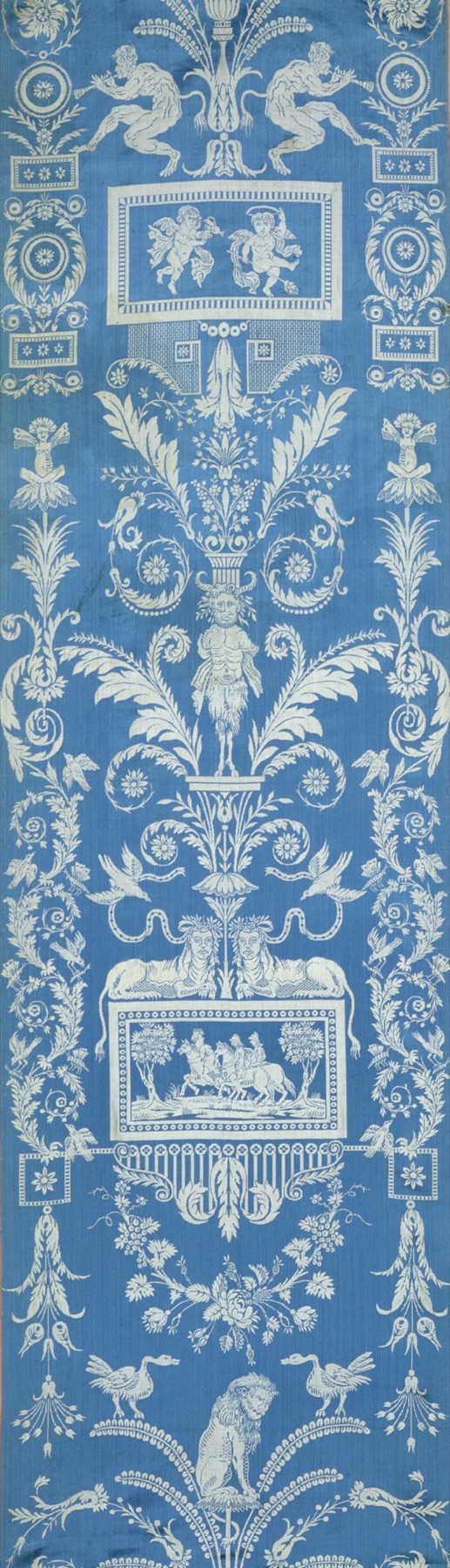
2. Full wall upholstery. This is closer to traditional upholstery work: a fabric applied continuously across the wall, usually with padding beneath and sometimes with trims or seams. It’s used for high‑end residential, hotel, and theater spaces, and is more often sold as a service or system than as a shippable product. Online, you’ll mostly find guides and professional installers rather than click‑to‑buy kits.
For U.S. buyers, that means: if you want a DIY, shippable solution you can order online, you’re almost certainly in the prefabricated panel camp.
Key Product Types and Specs Buyers Should Compare Online
Once you know you’re shopping panels rather than full upholstery, the useful comparisons are about shape, backing, fabric, and acoustic intent.
Panel shapes and layouts On marketplaces like Etsy, many makers offer custom upholstered wall panels in rectangles, long strips, or hexagons, often made to order in your dimensions and fabric. For example, you’ll find listings for bouclé headboard panels and hexagon wall cushions in multiple colors on Etsy’s upholstered wall panel categories such as this rectangular set or custom fabric or leather panels. These geometric options matter if you’re building a pattern or need to work around outlets and windows.
Backing and installation style Some panels use a rigid board and are designed to hang on screws or French cleats. Others are peel‑and‑stick tiles with a foam core. Large U.S. retailers like Home Depot sell DIY peel‑and‑stick upholstered wall tiles and headboard panels—essentially soft, fabric‑faced rectangles with adhesive backing aimed at renters and quick bedroom makeovers, as seen in their upholstered peel‑and‑stick wall paneling category pages such as this fabric wall panel selection. Adhesive tiles are easier to install and remove but less forgiving on slightly uneven surfaces than screw‑mounted boards.
Fabric and finish Listings vary from smooth velvets to textured bouclé and faux leather. Maker marketplaces like Etsy skew toward trend fabrics (bouclé, linen blends) with the option to match your existing upholstery. Decor‑oriented brands such as Articture’s wall panel collection showcase panels as part of a broader style story, where fabric choice tightly aligns with the brand’s aesthetic. As a small ecommerce buyer, think about whether you need a broad fabric palette for custom orders or just one or two reliable SKUs.
Acoustic vs purely decorative panels Some suppliers target home theaters and studios. Specialist sites such as Home Theater Wall Panels sell fabric‑wrapped wall panels explicitly positioned as both decorative and acoustically absorptive. They are often sized and constructed to reduce reflections more than generic padded decor tiles. If your priority is sound control—home theater, podcast room—you may get better results searching for “fabric‑wrapped acoustic panels” rather than “upholstered wall decor,” then shortlisting vendors who publish clear acoustic performance data.
Here’s how those specs typically vary by product type:
| Product type | Typical backing | Common use case | Acoustic focus |
|---|---|---|---|
| Peel‑and‑stick fabric tiles | Foam + adhesive | Rental bedrooms, quick headboards | Light dampening only |
| Rigid upholstered wall panels | MDF/plywood + foam | Feature walls, hotels, home theaters | Moderate, varies by build |
| Fabric‑wrapped acoustic panels | Engineered acoustic core | Home theaters, studios | Primary design goal |
Best Online Channels to Source Wall Upholstery, Including DHgate
Different channels shine for different projects—one accent wall for your own home is not the same buying task as stocking inventory for an online store.
Decor specialists and acoustic panel brands If you care most about performance and a polished look, consider specialist panel companies. Sites like Home Theater Wall Panels or other fabric‑wrapped acoustic suppliers focus on wall panels as their main product. Pros: clearer specs, curated designs, and panels engineered for both acoustics and aesthetics. Cons: higher per‑panel cost and less freedom to define your own fabric.
Large U.S. retailers (Home Depot, Wayfair, etc.)
Maker marketplaces (Etsy and similar) If you want custom sizing, specific fabrics, or are building a small resale line with a boutique look, marketplaces like Etsy are strong contenders. Many sellers there offer made‑to‑order sets—bouclé headboard systems, hexagon wall cushions, or rectangular panel arrays—including listings such as premium custom wall panels and bouclé panel headboards. Pros: very flexible designs, direct communication with makers, and the ability to test small runs. Cons: quality, lead times, and consistency vary by seller, so sampling before a big order is smart.
Cross‑border marketplaces (including DHgate) If you’re sourcing larger volumes or exploring lower‑cost manufacturing, cross‑border platforms widen your options. DHgate’s own editorial blog describes a variety of acoustic wall panels and foam panels in its soundproofing and acoustical collections, including fabric‑wrapped styles. That signals you can find soft wall panel listings there, typically from factories and wholesalers.
However, cross‑border sourcing raises extra questions: you’ll need to check each listing’s materials, thickness, mounting method, and any acoustic claims; confirm sample availability; and assess communication and packaging standards with individual sellers rather than assuming platform‑wide norms. For readers new to DHgate, pages like What DHgate is and how the marketplace works and Find trusted sellers on DHgate can help you understand how to evaluate vendors before committing to bulk panel imports.
Matching channels to your project
- One DIY bedroom or office wall: start with big‑box peel‑and‑stick panels or a ready‑made headboard set from a decor brand.
- Design‑driven, small‑batch ecommerce: short‑list Etsy or other maker marketplaces where you can co‑develop shapes and fabrics, and treat panels as part of your brand story.
- Home theater or studio build: search specialist acoustic panel suppliers and look for clear performance information alongside fabric choices.
- Larger‑scale, price‑sensitive sourcing: explore cross‑border marketplaces for acoustic and soft wall panels, but plan time and budget for sampling, seller vetting, and potential iterations.
Choosing the channel first—based on how much control you need over fabric, shape, and performance—will make your panel search much more efficient than simply typing “upholstered wall panels” into every site you know.