
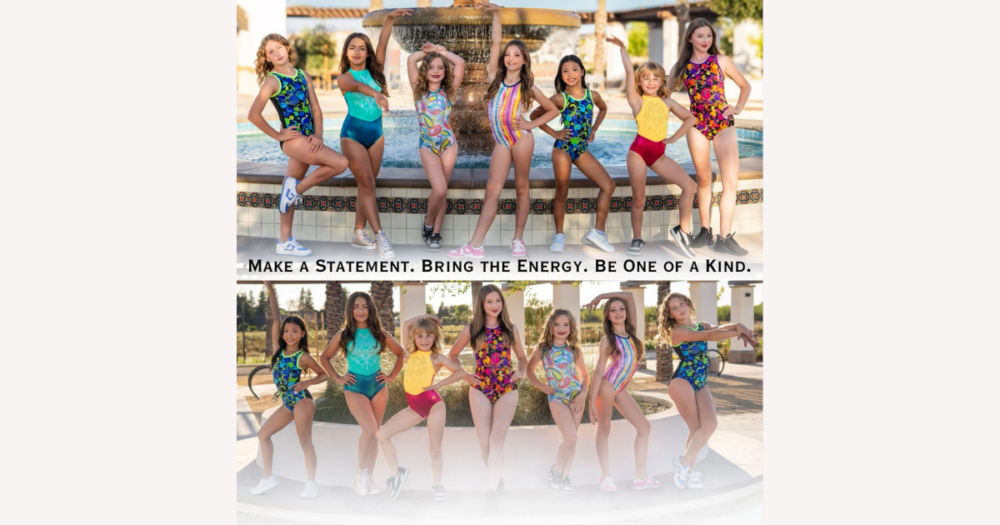
DHgate brings together many independent sellers offering gymnastics and cheer-style clothing, so your best chance of getting a stylish outfit that still moves comfortably is to read listings closely and use the platform’s buyer tools to compare materials, fit details and seller history before you buy.
Understand DHgate as a marketplace for gymnastics and cheer clothing
DHgate is a marketplace, not a single store, which means dozens of independent sellers may list gymnastics leotards, cheer uniforms, unitards, shorts, skirts and warm-up pieces at any given time. There isn’t one “official” gymnastics or cheer shop on DHgate; instead, you’re choosing between many different vendors and designs.
Because each seller controls their own designs, fabrics and sizing, availability and quality can vary widely from listing to listing. One shop might focus on basic practice leotards with simple prints, while another leans into rhinestoned competition-style outfits; some will show detailed specs and clear photos, others may be more minimal.
Use DHgate’s tools—search keywords, category filters, photo galleries, size charts, and especially reviews and ratings—to narrow the options. Reading the title, description and photos carefully helps you decide whether a piece looks stylish enough for your team or event while still likely to move comfortably during jumps, tumbling and stunts.
This guide stays focused on how to evaluate those listings and sellers on DHgate rather than recommending specific products or other stores, so you can reuse the same decision process whenever designs and inventory change.
Know the main garment types and style–comfort tradeoffs
Once you start browsing DHgate for gymnastics or cheer clothing, you’ll see two broad paths: practice wear and performance wear. Practice pieces are usually simpler, made for frequent use and easy movement, while performance outfits tend to be brighter, more decorated and tailored to a specific routine or competition, sometimes at the expense of all-day comfort.
Within those paths, the core garment types repeat across many listings. Leotards and biketards are close-fitting one-piece styles for training and performance; biketards add short legs for a bit more coverage. Unitards extend further down the leg for full-body coverage, which some dancers and cheer teams prefer. Separate shorts or briefs often pair with crop tops or shells, while skirts add a traditional cheer look over briefs. Warm-up jackets and pants layer over these base pieces to keep muscles warm between routines without being worn for high-intensity tumbling.
Style choices inside each type change how secure and comfortable a piece feels. Long sleeves can create a sleek line and extra coverage but feel warmer than a tank or short-sleeve design; high necks look polished but may feel snug, while scoop or V-necks give more breathing room. Open-back or strappy backs can look dramatic and help with ventilation, but they rely on a precise fit so straps don’t shift during skills. Higher-cut leg openings lengthen the leg visually but reduce coverage, whereas lower cuts feel more secure for flips and stunts.
Decorative elements push the look further but come with tradeoffs. Sequins, rhinestones and metallic foils catch the light on stage yet can add weight, stiffness and potential rubbing at seams, especially around shoulders, armholes and waistbands. Mesh panels, cut-outs and sheer sleeves add style and breathability, but they also reduce coverage and may be more delicate. When you weigh these options on DHgate, prioritize secure, easy movement and coverage that matches your team or gym’s expectations, then layer bolder style details only where you’re comfortable accepting a bit more warmth, fragility or possible irritation.
Check fabric and construction details for comfort and performance
On DHgate, the most comfortable gymnastics and cheer outfits are usually made from high-stretch blends, often combining nylon or polyester with spandex. Look for phrases like “spandex,” “elastane,” or “four-way stretch” in the fabric composition; these indicate the material can move with you through jumps, flips and stunts without feeling tight or baggy.
Lining plays a big role in how an outfit feels, especially in the front panel, chest and any areas with mesh or decorative overlays. Listings that mention a “lined front,” “double-layer bodice” or “soft inner lining” are more likely to feel smooth against the skin and less see-through than single-layer designs, which can matter under bright lights or in close-fitting cuts.
Construction details matter as much as fabric. Flat or well-placed seams help reduce rubbing when you’re tumbling or lifting your arms overhead. Wording like “flatlock seams,” “soft bindings” or “elastic leg openings” suggests the edges are designed to sit comfortably and stretch with the body, rather than digging in at shoulders, necklines, armholes or leg openings.
Embellishments—foil prints, glitter, sequins and rhinestones—change both the look and the feel of an outfit. Heavy decoration can add stiffness and weight and may feel scratchy where pieces are sewn on or backed with adhesive, especially along seams and straps. If comfort and flexibility are priorities, favor designs where the most decorated areas are away from places that bend or press against the floor or mats.
Before deciding on a listing, scan the description for a clear fabric composition line, any mention of lining or double layers, and notes about stretch or elasticity. Then study the photos for close-ups of seams, leg openings, necklines and embellishments, so you can judge how smooth or bulky they appear. If a listing is vague about materials, shows only distant photos or gives no details about lining or stretch, it’s safer to message the seller with specific questions or choose a different listing with more complete specs and close-up images—even if that means passing on the flashiest design.
Get the fit right: sizing, stretch and coverage
Gymnastics and cheer outfits are designed to fit close to the body so they stay put through routines, but they shouldn’t dig in, restrict breathing or ride up every time you land a skill. You’re aiming for a snug, secure fit that still lets you take deep breaths, lift your arms fully and move through jumps and tumbling without constant adjusting.
Pay attention to key fit areas when you read a DHgate listing: torso length so the piece doesn’t pull at the shoulders or cause wedgies; leg openings that feel secure without cutting into the thighs; sleeve length that allows easy arm movement; and a neckline that provides the coverage you need without feeling tight around the throat. Stretchy fabrics give you a bit of leeway, but the basic proportions still need to match the body that will wear the outfit.
To reduce guesswork, take simple measurements—bust, waist and hip at their fullest points, plus torso length (often measured from shoulder, down through the crotch and back to the starting point). Compare these numbers to the seller’s size chart rather than assuming a familiar letter or number size will fit. Charts on DHgate can differ between sellers and may not line up neatly with standard US or EU sizing, so treating them as guidance for measurements rather than fixed labels is safer.
Because size standards vary, expect some differences between listings. Note any seller advice about sizing up or down and look closely at buyer reviews and real-life photos for comments like “runs small,” “true to size” or “looser than expected.” When two listings look similar, the one with detailed charts, measurements in centimeters or inches, and plenty of fit feedback is usually the lower-risk choice. Even with careful checking, some fit uncertainty remains with online orders, so using measurements and reviews together is your best way to narrow that risk before you commit.
Use a DHgate listing checklist before you buy
- Confirm fabric details and stretch. Read the DHgate description for material names like nylon, polyester and spandex, check the listed fabric blend, and zoom in on photos to see whether the fabric looks smooth, thick enough and lined where needed (such as the front of leotards).
- Match the size chart to real measurements. Take bust, waist, hip and torso measurements, compare them to the seller’s size chart instead of relying on your usual size, and scan reviews for notes like “runs small,” “true to size” or “looser than expected.”
- Study product and buyer photos for coverage and design. Look at front, back and side views to judge leg openings, necklines, sleeve length and how high the outfit sits during movement; if buyer photos are available, use them to see how the cut and embellishments look on real bodies.
- Evaluate the seller’s track record. Check their overall rating, how many orders they’ve completed, and feedback that mentions fabric quality, stitching, rhinestones or sequins, and shipping reliability, giving more weight to sellers with a history of apparel sales.
- Confirm shipping options and timing. Review available shipping methods, costs and estimated delivery dates, and make sure the timeline comfortably covers any practices, showcases or competitions where you plan to wear the outfit.
- Read return and refund terms carefully. Note whether the seller accepts returns on this item, how disputes are handled, and any special rules for custom or personalized pieces, which may be harder or impossible to return if something isn’t right.
- Use the checklist to slow down impulse buys. If a listing’s main image or price looks tempting but the materials, sizing details, photos, seller history, shipping or return terms feel vague, treat that as a warning sign rather than skipping these checks.
Be aware of common online-buying risks and how to reduce them
Understand DHgate’s buyer protections and seller signals
On DHgate, you usually pay through the platform rather than sending money directly to a seller, which means the order goes through DHgate’s system and payment is only released according to its process. This adds a layer of structure if something goes wrong with a gymnastics or cheer outfit, especially when the item arrives significantly different from the listing or doesn’t arrive at all.
Orders can typically be tracked from your DHgate account, so you can see when a seller marks an outfit as processed, shipped and delivered. For time-sensitive events, watching this tracking and comparing it with any estimated delivery window helps you decide when to follow up or look for a backup option.
When you compare listings, pay attention to seller indicators such as overall rating, number of completed orders and the volume of feedback specific to clothing. Higher ratings, more detailed buyer comments and any platform badges for long-term activity suggest a more established seller, which I would generally prefer over a brand-new account for performance outfits or larger team orders.
If a leotard, uniform or warm-up arrives very different from its photos or description—or doesn’t arrive—DHgate provides dispute and refund processes that you can access through your order record. The details of these processes and the outcomes can vary by region and over time, so treat them as tools you may be able to use rather than guarantees that every situation will resolve in a particular way.
Those protections work best when you keep clear records: save order details, communicate through DHgate’s messaging, take photos or short videos that show any problems and pay attention to any stated time limits for raising concerns. Combined with earlier steps—picking well-rated sellers, reading reviews thoroughly and checking listing details—these platform tools form a second safety net if an outfit still doesn’t arrive as expected.
Message sellers to clarify specs and fit
- Give the seller clear context in your first message. Mention that you’re interested in a specific gymnastics or cheer outfit, include the listing title or a brief description, and say whether it’s for practice or a particular event so they understand how you plan to use it.
- Ask focused questions about fabric and lining. For example, ask how soft the inside feels against the skin, how stretchy the main fabric is, and whether there is lining in key areas such as the front of the leotard or the chest panel of a cheer top.
- Check on embellishment comfort and durability. You might ask how rhinestones, sequins or appliqués are attached, whether they tend to shed, and if other buyers have mentioned scratching, snagging or heavy decorations that affect movement.
- Share your key measurements and ask for size guidance. Provide height, chest, waist and hip measurements (and torso length for leotards) and ask which size they recommend, or whether most customers your size choose to go up or down for a snug but comfortable fit.
- Keep messages polite, concise and combined where possible so the seller can answer everything in one reply. If the response is vague, inconsistent with the listing or never arrives, I would treat that as a signal to choose a different listing—especially when the outfit is for a competition, showcase or any event where you can’t easily replace it at the last minute.
Stock-style vs custom-like outfits: choosing your path
| Option | When it works best | Pros | Tradeoffs |
|---|---|---|---|
| Stock-style (ready-made) outfits | When you need an outfit soon, have a tighter budget, or can be flexible about exact colors and embellishment layouts. | Usually cheaper, produced in standard sizes, often have more buyer reviews and real photos, and tend to ship faster with simpler return or dispute conversations on DHgate. | Less control over exact design and fit, popular styles may look similar to other teams, and you still have to work within the seller’s size chart rather than your exact measurements. |
| Custom-like (personalized) outfits | When you have specific team colors or logos, need all outfits to match closely, or have body proportions that don’t suit standard sizes and you have plenty of lead time before the event. | More control over color schemes, names or numbers, and sometimes measurements, which can give a more coordinated, tailored look for teams or showcases. | Usually higher prices, made-to-order production and longer timelines, more back-and-forth with the DHgate seller, and return or refund options can be narrower; quality and customization options vary by seller, so delays or mismatches are harder to fix last minute. |
FAQs: rules, care and handling problems
How can competition or team rules affect what gymnastics or cheer outfits I buy on DHgate?
Many gyms, schools and leagues set their own rules for coverage, colors, logos and embellishments. For example, they might require certain lengths for skirts or shorts, limit how open a back can be, or restrict glitter, reflective elements or brand names. Before you order performance outfits on DHgate, check with your coach or organization about any dress code or uniform guidelines, then use those details to filter listings so you don’t end up with a design that looks great but isn’t allowed on the floor.
How should I care for embellished leotards and cheer outfits from DHgate?
Treat embellished activewear gently so sequins, rhinestones and metallic prints last longer. In general, cooler water, mild detergent and short, gentle washes are kinder to stretchy fabrics than hot cycles or harsh products. Avoid high heat in dryers, which can damage elastane and adhesives; instead, lay garments flat or hang them to air-dry away from direct sun. Always follow any care instructions from the seller first, and test new outfits with a careful wash before throwing them in with a full load.
What should I do if my DHgate order arrives different from the listing?
If an outfit doesn’t match the description or photos, start by documenting the problem clearly: take photos or a short video showing the differences in color, design, size or defects. Then contact the seller through DHgate messaging with a concise explanation and those images so they have a chance to respond or offer a solution. If you can’t resolve it directly, use the dispute or refund options in your DHgate order page within any stated time limits, keeping all communication and evidence inside the platform to support your case.