
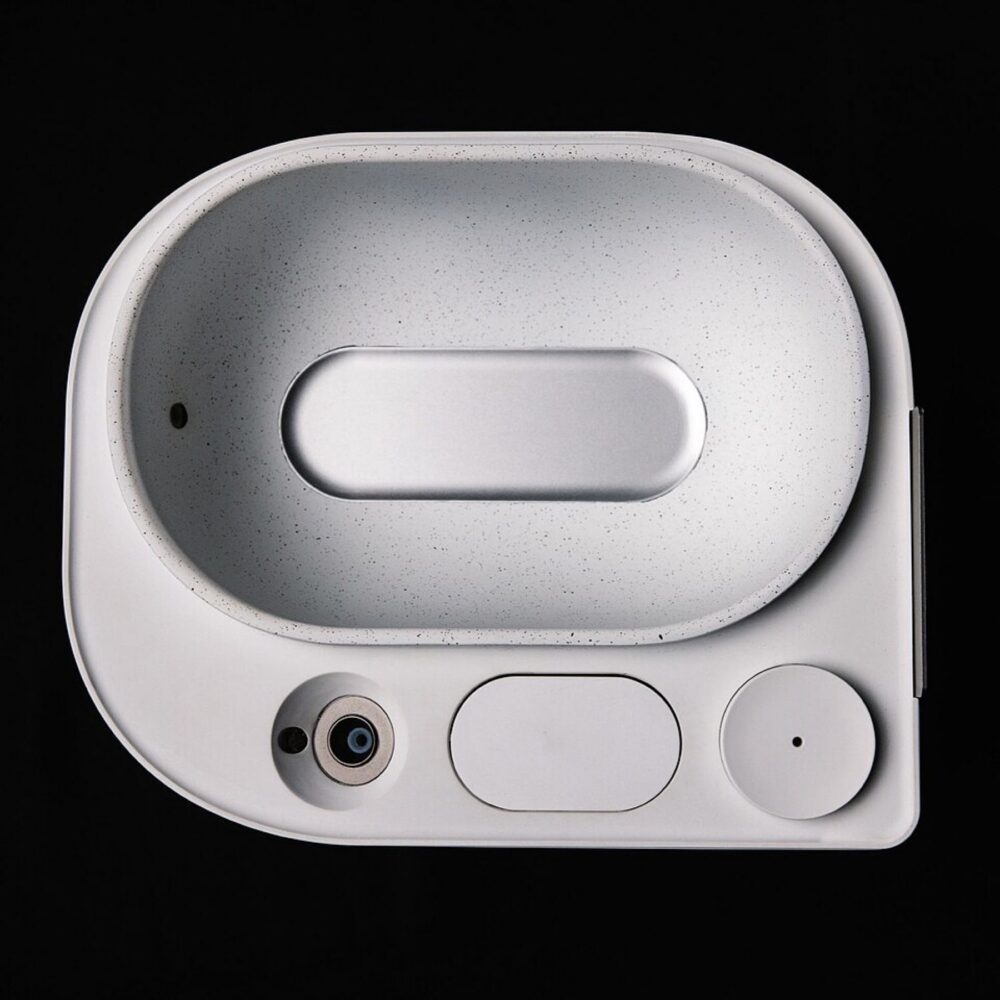
You can find plenty of white diffusers for essential oils on DHgate, but the platform won’t do the vetting for you. To get a quiet, good‑looking unit that actually works with oils, you’ll need to search with specific diffuser terms, read each listing’s specs carefully, check seller ratings and reviews, and usually place at least one sample or small test order before you commit to stocking it in a shop.
DHgate is strongest for variety and direct‑from‑supplier pricing on aromatherapy gear; it’s weaker if you want plug‑and‑play reassurance or don’t have the patience to sort through uneven listings.
What Counts as a Good White Essential Oil Diffuser for DHgate Buyers
Before you type anything into DHgate’s search bar, get clear on what you actually want.
Aromatherapy diffusers on DHgate are commonly described in three technical types:
- Ultrasonic diffusers create a fine mist from water plus essential oil. DHgate’s own aromatherapy guide notes these are quiet‑running and energy‑efficient, which is why they’re usually the safest bet if “quiet” is non‑negotiable.
- Nebulizing diffusers push undiluted oil through an air compressor for a strong scent. Great for intensity, but often louder and not what most home buyers expect when they think “gentle white diffuser on a nightstand.”
- Evaporative diffusers use a fan to move air over an oil‑soaked pad or cartridge. They’re simple and effective, but fan noise and uneven scent strength can be a downside.
For a quiet white diffuser that pairs well with essential oils, most DHgate shoppers should start by targeting ultrasonic models with:
- Color and finish: listings will use phrases like “white,” “ivory,” “matte white,” “ceramic,” or “ABS plastic.” Decide if you’re OK with plastic or want a more premium ceramic look.
- Tank size: this often appears as 100 ml, 300 ml, 500 ml, etc. Smaller tanks suit a bedside table; larger sizes work better for open‑plan rooms but may be physically bigger and heavier.
- Oil compatibility: the description should explicitly mention “essential oil diffuser” or “aromatherapy diffuser.” Avoid generic humidifiers with no oil mention; they may not be designed for oils at all.
If you’re sourcing for a small ecommerce brand, also think about visual identity: simple white cylinders appeal to minimalist home decor, while sculpted white designs fit a spa or gift‑shop vibe.
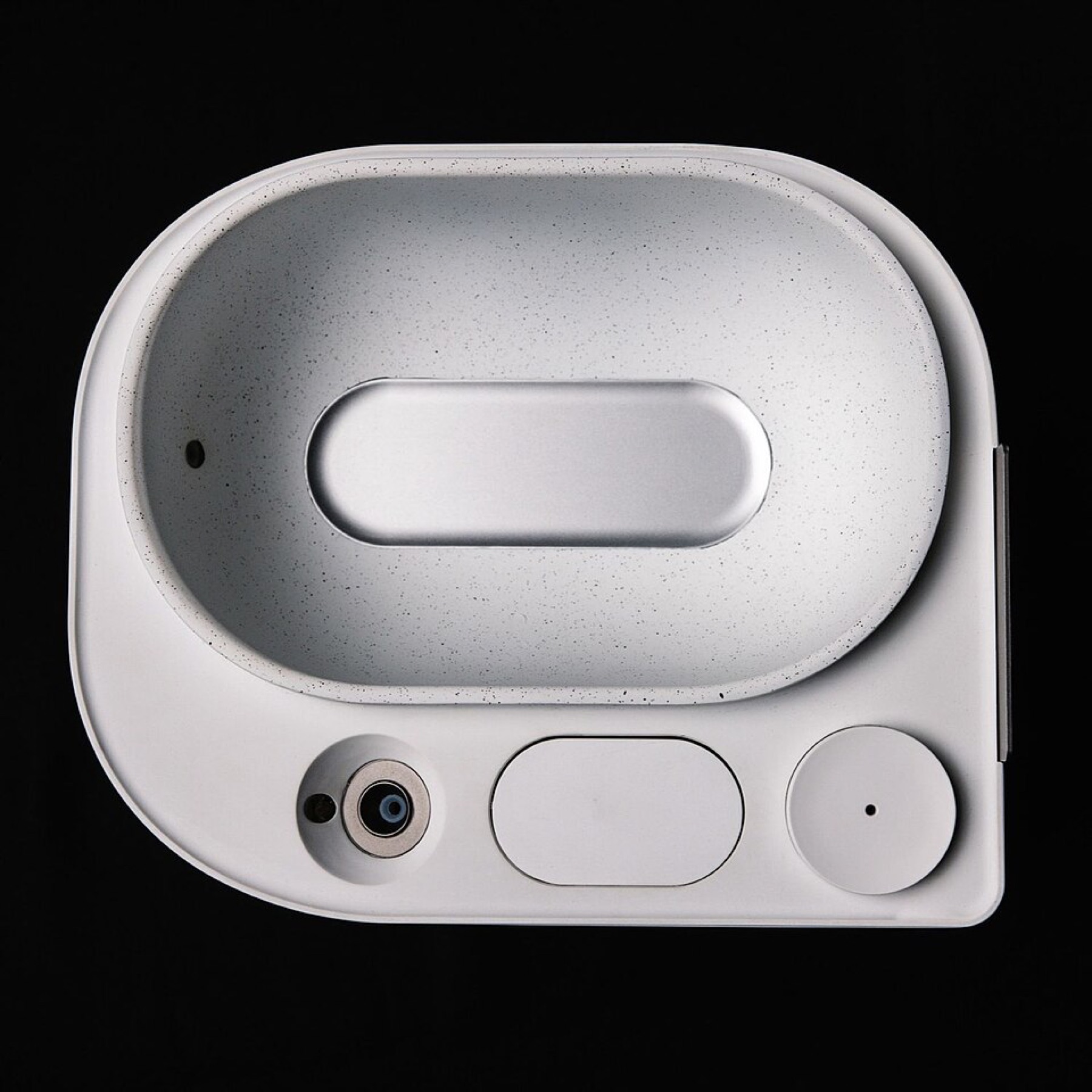
Translating Diffuser Requirements into DHgate Search and Filters
Once you know your target specs, you can turn them into actions on DHgate.
- Start with a focused search query
On DHgate’s homepage enter a phrase that matches both type and color, for example:
- `ultrasonic diffuser white`
- `white essential oil diffuser`
- `aromatherapy diffuser white quiet`
- Click into the relevant category
From your search results, move into categories like Home & Garden or Health & Beauty where diffusers and aromatherapy gear usually sit. DHgate’s own aromatherapy content describes a wide selection of ambient air fresheners, essential oil diffusers, and accessories, so don’t be surprised if you see several sub‑categories.
- Use filters to cut noise
DHgate’s sourcing guidance explicitly recommends filters and search tools to narrow products. For white diffusers, filters are useful in three ways:
- Color or style filters: when available, select white or neutral tones to avoid mixed‑color bulk lots.
- Material or type: pick ultrasonic/nebulizing/evaporative where those options exist; this aligns directly with the diffuser types above.
- Seller metrics: sort or filter by higher ratings and more transactions to avoid brand‑new or unproven listings.
- Shortlist with photos and specs
Open 5-10 promising listings in new tabs. For each, scan:
- Product title for `ultrasonic` vs `nebulizing` vs generic “humidifier.”
- Photos to confirm the diffuser is actually white and not just shown in white as one of several colors.
- Specification table: capacity (ml), power type, materials, recommended room size.
- Mention of “essential oils” or “aromatherapy.” If the listing only says “air humidifier,” treat oil use as unproven.
- Trim the list using a simple scoring pass
Give each candidate a quick score (high/medium/low) on:
- Quiet claims (explicit decibel numbers or strong “ultra‑quiet” language).
- Aesthetic fit (true-white photos, consistent design across images).
- Clarity of oil compatibility.
Keep only the high and medium options for deeper seller checks.
Evaluating DHgate Sellers, Samples, and When to Choose Another Route
Once you have a handful of white diffusers that look right, your main risk moves from product concept to seller quality and batch consistency.
DHgate’s shopping and wholesale articles repeatedly point to three practical tools:
Read ratings and reviews like a product‑tester
Platform guides describe each listing as having specs, prices, and seller ratings, and encourage buyers to use reviews to avoid pitfalls. Make that concrete:
- Prioritize sellers with high star ratings and a meaningful number of completed orders.
- Read the written reviews specifically for noise, build quality, and oil performance. For diffusers, comments like “started buzzing after a week” or “works well with lavender oil” are far more useful than generic “good product.”
- Compare reviews across at least two similar listings to see whether problems (like leaks or pump noise) repeat.
If you’re building a shop, this is where you separate “looks great in photos” from “survives real‑world use.”
Use samples and small orders to manage risk
DHgate’s ecommerce and wholesale sourcing guides recommend ordering samples or smaller quantities before committing to bulk. For white diffusers, that can look like:
- Personal buyer scenario (Australia): order one unit from your top candidate seller. Use it for a week in the room size you care about. If it’s noisier than you like or struggles with thicker oils, you’ve lost a single diffuser, not a whole order.
- Small ecommerce scenario: negotiate a small test lot (for example a carton of mixed units in the same design) and treat it as a trial sale. Track customer feedback on noise and reliability before deciding to reorder.
DHgate’s wholesale confidence content suggests using filters to find verified or better‑reviewed suppliers and treating sample orders as part of the sourcing process, not an optional extra. That mindset is especially useful for electrically powered aromatherapy devices.
Decide if DHgate is still the right route
There are situations where DHgate makes strong sense for white diffusers:
- You want variety in shapes and finishes and are willing to test a few designs before locking in a hero product.
- You care about direct‑from‑supplier pricing and can absorb the time spent vetting listings and managing samples.
- You’re assembling a broader aromatherapy range (oils, accessories, diffusers) and want them from one cross‑border marketplace.
And there are times when another route may be simpler:
- Your brand promise hinges on well‑known certifications or local plugs/adaptors that are easier to verify with a domestic supplier.
If you decide DHgate is a fit, take a final pass through your chosen listing with a checklist: confirm diffuser type, color (white), noise claims, essential‑oil compatibility, and seller ratings. Then review your general DHgate basics at What DHgate is and how the marketplace works and seller‑specific checks at Find trusted sellers on DHgate before you hit the checkout button. For a last safeguard, the DHgate order‑readiness checklist is a useful pre‑purchase sanity check.
Quick diffuser type vs DHgate search mapping
To keep your search focused, treat diffuser type and query as a pair:
| Your priority | Diffuser type to favor | DHgate search phrase idea |
|---|---|---|
| Quiet operation in bedroom | Ultrasonic | `ultrasonic white essential oil diffuser` |
| Strong, pure scent in large room | Nebulizing | `white nebulizing aromatherapy diffuser` |
| Simple pad‑based scent | Evaporative | `white fan aromatherapy diffuser` |
Use this table as a starting point, then refine with filters, ratings, and samples until one or two listings feel confidently test‑worthy for your home or store.