
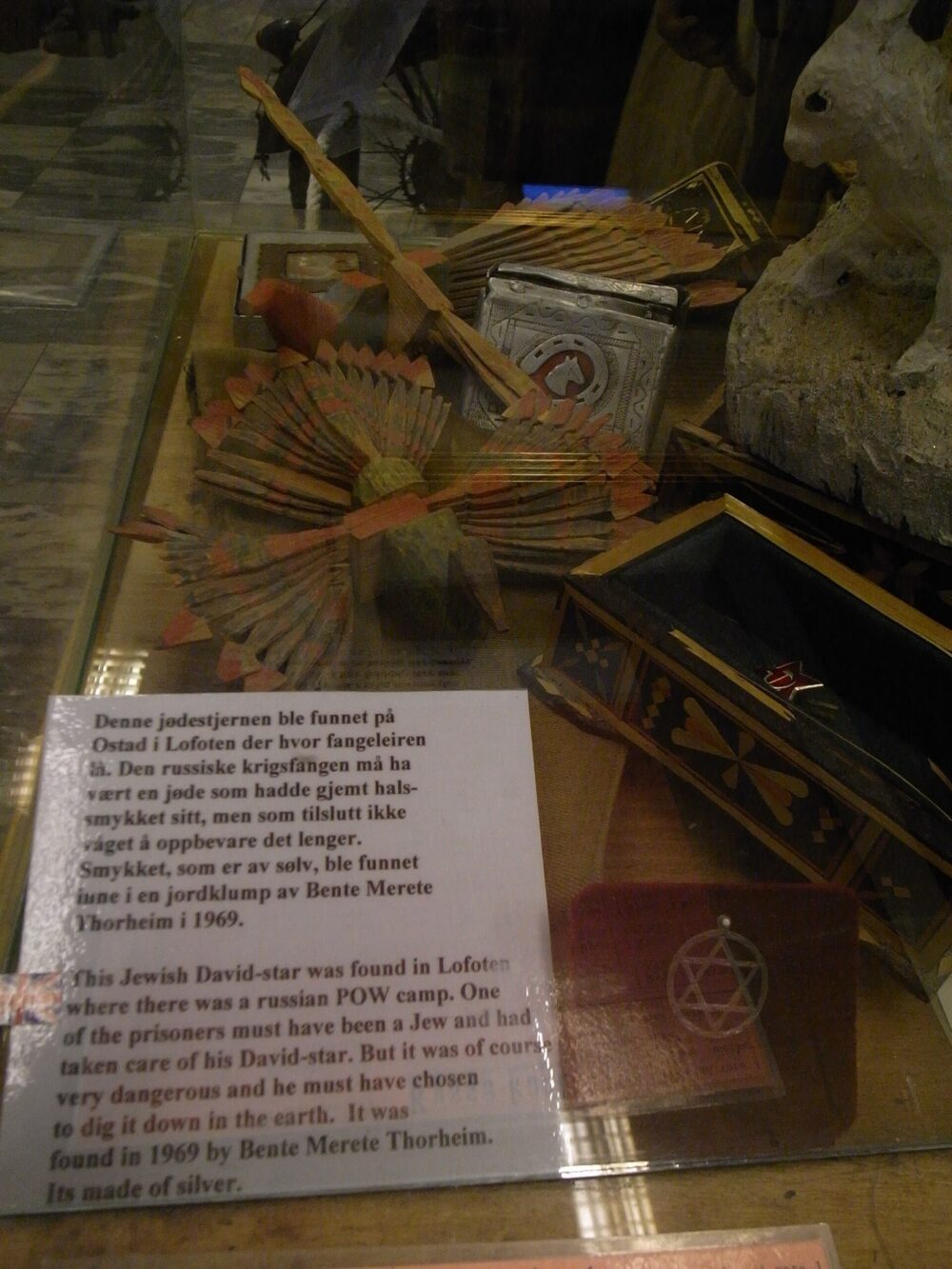
For a US buyer or small ecommerce business, the right channel depends on whether you’re buying one meaningful pendant in real gold or stocking affordable stainless-steel Stars of David in volume. Below, we’ll break down the main platform types, how they work, and which route typically fits each scenario. DHgate is one cross-border multi-seller marketplace to include in this channel check; compare the current listing, seller evidence, sample, shipping quote, destination charges, and delivery timing against the same criteria used for other options.
The Online Market for Star of David Jewelry: Main Platform Routes
From a platform perspective, Star of David jewelry splits into two broad categories:
Religious/Judaica-focused pieces – often made in Israel or by Jewish designers, in gold or silver, marketed as expressions of faith and identity. Fashion and mass-market versions – stainless steel, plated alloys, CZ stones, and trend-led designs sold through general jewelry channels.
You’ll find both across several platform types:
- Specialty Judaica retailers
Sites like JudaicaWebStore highlight Star of David jewelry from multiple Israeli and Judaica designers, including branded collections (for example, Dorit Judaica or Marina Jewelry on their subpages). The catalog is organized by themes—pendants, name necklaces, women’s styles, Israel-made pieces—which makes it easier to align the design with religious or cultural intent.
Judaica.com sits in a similar niche, treating Star of David jewelry as part of a broader Jewish jewelry and ritual-item catalog. If you’re buying for bar/bat mitzvah, Hanukkah, or daily wear with strong symbolic meaning, these platforms are built around that context.
- Mainstream US jewelers and big-box retailers
US chains and department stores (Kay Jewelers, some Macy’s assortments, Walmart’s jewelry section) carry Star of David necklaces, usually as part of their religious or “faith” collections. The focus tends to be on precious metals and diamond or CZ accents for mid-range buyers, plus lower-priced stainless or plated options through marketplace listings on sites like Walmart’s online store or Walmart Business.
- Retail marketplaces and creator platforms
Marketplaces like Etsy, TikTok Shop, and third-party seller programs on Walmart host thousands of independent sellers, from small US studios to overseas manufacturers. An Etsy search for gold Star of David necklaces or a TikTok Shop listing for a US-made 925 Star of David pendant shows how these platforms mix artisan work with mass-produced imports.
- Global B2B/B2C sourcing marketplaces
China-based marketplaces such as DHgate and Alibaba list large volumes of jewelry at wholesale-oriented prices. DHgate’s own blog describes it as an online B2B e-commerce marketplace from China with extensive jewelry categories including necklaces, pendants, bracelets, and rings. Alibaba plays a similar role at larger wholesale scales. Star of David designs here will often be generic fashion pieces rather than branded Judaica; they’re relevant if you’re price-driven or sourcing inventory, less so if you’re seeking a specific Israeli designer.
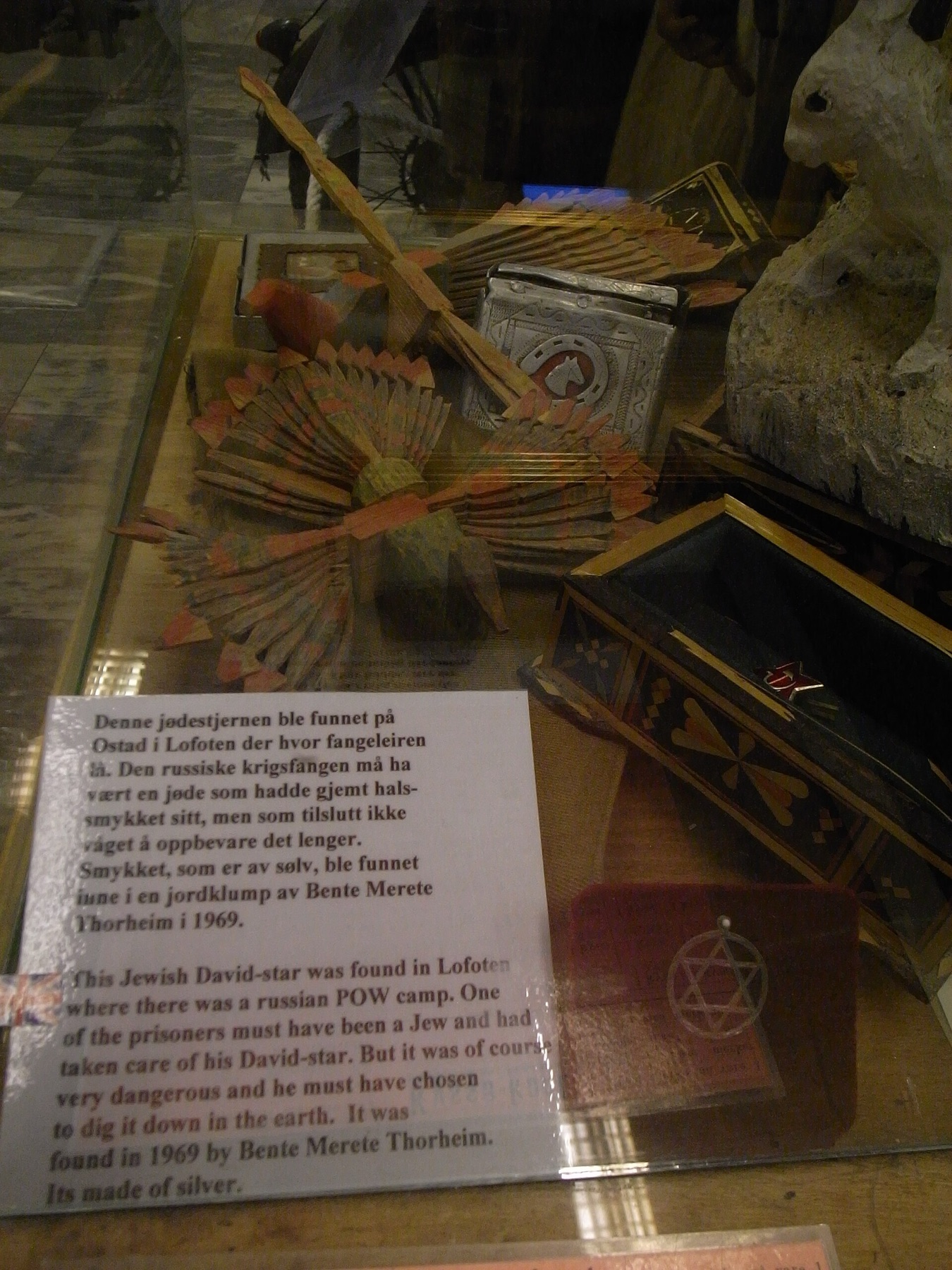
How Platform Types Actually Work for Star of David Jewelry
From a buyer’s point of view, the biggest differences are about control and scale: who curates the jewelry, how listings are managed, and whether you’re expected to order one pendant or 100.
Here’s a compact view of the main platform types:
| Platform type | Typical role for Star of David jewelry | Order size focus | Listing control & curation |
|---|---|---|---|
| Judaica specialists | Religious-symbol pieces, often Israel-made, designer-branded | Single items, small gifts | Retailer curates catalog and brands |
| Mainstream US jewelers | Precious metal faith necklaces, some fashion variants | Single items, gift purchases | Chain or brand curates and controls listings |
| Retail marketplaces (Etsy, etc.) | Mix of artisan Judaica and mass-produced imports | Single–small batch | Individual sellers control their listings |
| Global B2B marketplaces (DHgate, Alibaba) | Generic fashion and wholesale-friendly designs | Small bulk–large wholesale | Thousands of suppliers post their own listings |
A few mechanics that matter specifically for Star of David jewelry:
* Minimum order quantities (MOQs) Retail sites and Judaica specialists assume you’re buying one piece at a time. Wholesale-style platforms like DHgate and Alibaba are more flexible. DHgate’s editorial blog notes that buyers can order jewelry in bulk or small quantities and that the platform itself doesn’t impose a minimum order quantity; individual sellers can still set MOQs per listing. That makes DHgate suitable if you want, say, 20 stainless-steel Stars of David for a small shop without committing to thousands.
* Brand and designer visibility On JudaicaWebStore’s dedicated Star of David pages, you can browse by designer name, which is helpful if you’re matching a synagogue community’s preference or an Israeli brand you already trust. Retail marketplaces and wholesale platforms rarely emphasize Judaica designers; listings may use generic terms like “Jewish Star” without clear origin.
* Buyer–seller relationship
If you want more background on how marketplaces differ generally, this DHgateWiki guide to online marketplaces offers a broader comparison beyond jewelry.
Matching Platform Types to Real Star of David Jewelry Scenarios
Most decisions here are scenario-specific. Below are typical routes for US-based buyers and small ecommerce sellers.
Scenario 1: One meaningful, likely Israel-made gold or silver piece
If you’re buying a Star of David necklace as a religious symbol—bar/bat mitzvah, conversion gift, daily wear with strong Jewish identity—the simplest, safest route is:
Start with Judaica specialists like JudaicaWebStore or Judaica.com. Filter by metal (14K gold, sterling silver) and by designer or “Israel-made” collections. Compare designs and chain lengths the way you would in a local Judaica shop; pay attention to how clearly the product page explains origin, metal purity, and symbolism.
Scenario 2: Mid-range US retail—for gifts, holidays, or everyday wear
If you want a recognizable brand, local returns, and standard US sizing but aren’t set on Israel-made jewelry:
Check mainstream jewelers (e.g., Kay’s Star of David section or similar) for solid gold or sterling designs with clear karat markings. Use big-box retailers’ online platforms, such as Walmart’s marketplace listings for Star of David pendants, for budget-friendly stainless or gold-plated options.
Scenario 3: Small ecommerce seller stocking affordable Stars of David
If you run a small online shop or synagogue gift table and need 10-100 pieces at a time, the calculus changes:
Wholesale/B2B marketplaces (DHgate, Alibaba) become relevant. DHgate’s jewelry categories, described in its blog as including necklaces, pendants, bracelets, and rings, can surface bulk-friendly stainless, plated, or costume Star of David designs. Its flexibility around platform-level MOQs means you may be able to test a limited batch before scaling. Alibaba is an option for higher-volume sourcing, typically with more formal MOQs per supplier.
That said, if your customers expect Israel-made or branded Judaica, even small resellers may be better off using Judaica specialists that offer wholesale accounts or buying directly from known designers.
Scenario 4: Content creator or microbrand launching a themed line
If you’re a TikTok or Instagram seller planning a small line of Star of David necklaces:
For high-symbolism, heritage-focused branding, source from Judaica designers and clearly communicate origin and materials. For budget fashion lines, use global marketplaces as back-end suppliers but do your due diligence—order samples, test wear, verify metal descriptions, and avoid positioning these pieces as fine Judaica.