
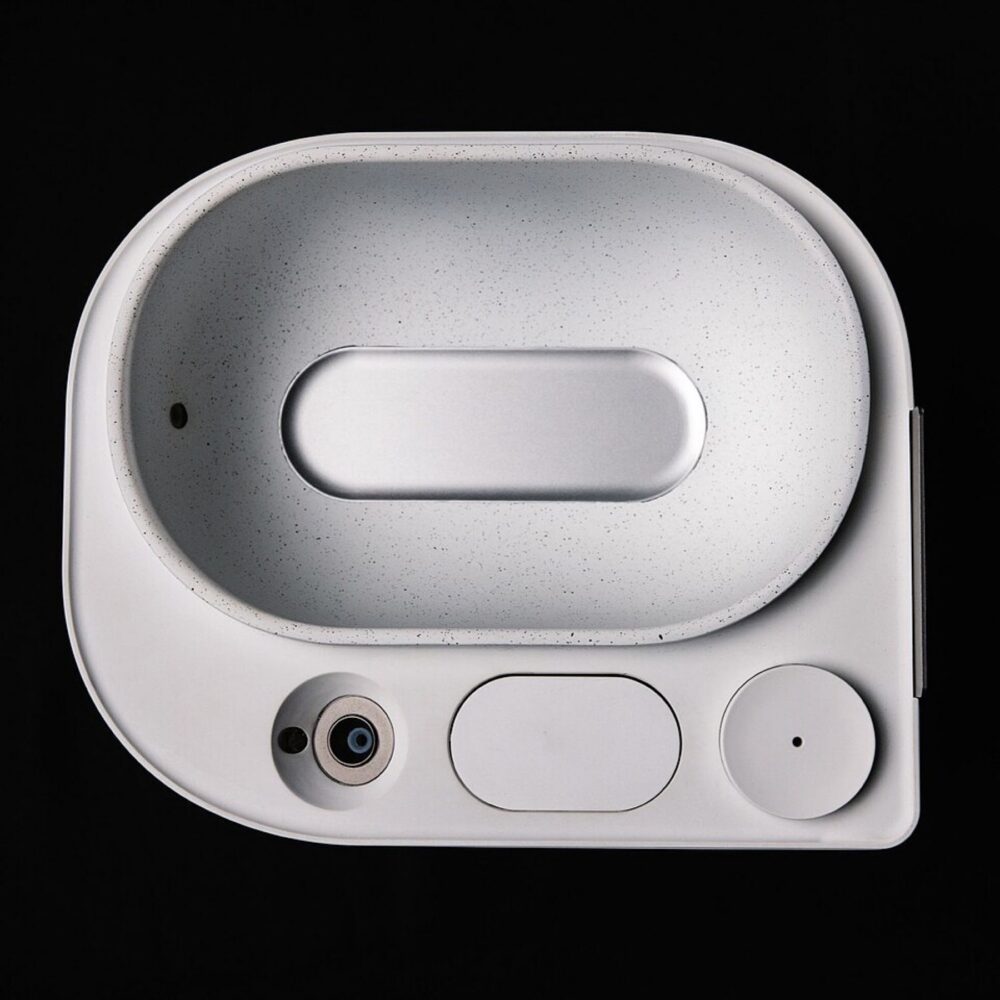
If you want a quiet white diffuser for essential oils, start by matching diffuser type to your space and noise tolerance, then narrow down capacity, materials, and controls. Ultrasonic models are usually the best balance of quiet operation and visible mist for bedrooms and desks; nebulizing units are louder and more intense, better for large areas or short bursts; evaporative and reed diffusers are virtually silent but more subtle. Once you know the type, treat marketplaces (local retail, Australian online shops, and cross-border platforms like DHgate) as a second step: compare design, build quality, and total landed cost instead of assuming any single site is best.
What White Aromatherapy Diffusers Are and Who They Actually Suit
A white aromatherapy diffuser is simply a device that disperses essential oils into the air and has a predominantly white body or shell. Most electric versions use water and a small pump or ultrasonic plate; non-electric versions rely on passive evaporation. White units are popular in Australia because they blend into minimalist bedrooms, clinics, and retail shelves without clashing with other decor.
You benefit from a dedicated diffuser if you’re using pure essential oils for mood support, relaxation or sleep rather than heavy perfumed sprays. Guides from Australian brands highlight diffusers paired with lavender, citrus or wood oils for potential calming and focus benefits, as long as you use them sensibly and don’t treat them as medical devices. For example, Lively Living’s Australian aromatherapy diffuser guide talks about using ultrasonic units with sleep and relaxation blends, but frames the effects as general wellness rather than treatment.
You probably don’t need a specialised diffuser if:
- You only want a strong, one-off scent (a candle or room spray may be simpler).
- You dislike any audible hum or fan noise and don’t care about visible mist (reed sticks or a ceramic passive diffuser will be quieter).
- You’re fitting out a bathroom or tiny WC for guests; a small white reed diffuser often looks cleaner and needs no power.
For small ecommerce brands, a white diffuser also functions as a visual prop. A neutral white body works across many photoshoots and display setups, which matters if you rotate different essential-oil lines through the same stand.
Diffuser Types and Specs That Matter for Quiet Essential-Oil Use
Different diffuser mechanisms change how much noise you hear, how strong the scent feels, and how well the unit plays with essential oils. Independent guides such as Medpak’s diffuser type overview consistently distinguish ultrasonic, nebulizing, heat and evaporative diffusers and link them to different use cases. Here’s a compact comparison focused on white units:
| Diffuser type | Typical noise level | Scent strength & style | Essential-oil use |
|---|---|---|---|
| Ultrasonic (electric) | Low hum, quiet fan | Moderate; visible cool mist | Oils diluted in water; very common |
| Nebulizing (electric) | Noticeable compressor/fan | Strong, concentrated aroma | Undiluted oils; uses more per hour |
| Evaporative (fan pads) | Low to moderate fan | Gentle, can fluctuate over time | Oils on pads or cartridges |
| Reed / passive | Silent | Subtle, constant within small area | Oils or perfumed liquid in glass base |
Ultrasonic diffusers: the quiet default
Ultrasonic diffusers use a vibrating plate to create a fine mist from water mixed with essential oils. DHgate’s aromatherapy blog and independent guides both describe them as quiet-running and energy-efficient, which matches what you’ll see in most white tabletop units sold in pharmacies and homeware stores.
For quiet use:
- Look for run times of 4-8 hours on a medium setting; this usually corresponds to a 200-400 ml tank.
- Noise should be a soft hum rather than a whine — listing descriptions and reviews often label genuinely quiet units explicitly.
- Many white ultrasonic models add soft LED lighting; decide if that’s a bonus (for ambiance) or a distraction in a bedroom.
These are the safest bet for a small Australian bedroom, therapy room, or open-plan office desk where you want low noise and steady scent.
Nebulizing diffusers: powerful but often overkill
Nebulizing diffusers push air through undiluted essential oils to create a strong, concentrated aroma. They’re great for:
- Short, intense sessions in larger open-plan living spaces.
- Retail corners where you want customers to notice the scent quickly.
But they’re rarely truly quiet. The compressor or stronger fan can be audible, and they consume more oil per hour. Many independent guides flag nebulizers as best for users who prioritise maximum aroma intensity over silence; in a bedroom, they’re usually unnecessary compared with a mid-sized ultrasonic diffuser.
Evaporative and reed options: silence first
Evaporative diffusers use a fan to blow air across an oil-soaked pad or cartridge. Noise depends on the fan; small white units made for desks are fairly quiet, though you may still hear airflow.
Reed diffusers and ceramic passive diffusers are silent. They don’t give you mist or adjustable output, but for:
- Bathrooms and entrance areas,
- Workplaces where any motor noise is unwelcome,
- Hotel-style or Airbnb setups,
they’re almost maintenance-free. For ecommerce sellers, a white ceramic passive diffuser set can be easier to ship and less prone to customer complaints about noise.
Why white colour changes your spec decisions
Choosing only white units tightens your options in a few ways:
- Material: many white diffusers are ABS plastic; higher-end ones use ceramic or glass. Ceramic looks more premium in photos but is heavier and easier to chip.
- Staining: dark or resinous oils can discolor cheap white plastics over time. If you use a lot of orange, patchouli or blends with colour, prioritize smooth, high-quality plastic or glazed ceramic and clear cleaning instructions.
- Perceived quality: in a clinic or boutique, a matte white ceramic or frosted-glass body usually feels more in line with your brand than shiny plastic, even if internal electronics are similar.
Buying Decisions: Matching Features, Aesthetic, and Marketplaces (Including DHgate)
Once you’ve picked a type, you’re really choosing between specific feature sets and channels. For quiet white electric diffusers (mostly ultrasonic), focus on:
1. Capacity and room size
For a small bedroom or single office in Australia, a 200-300 ml white ultrasonic unit on intermittent mode usually covers the space without constant refilling. Large living rooms or yoga studios often need 400 ml+ or multiple smaller units. Quality guidance such as Enviroliteracy’s diffuser selection article emphasises matching diffuser output and tank size to room coverage instead of just chasing the largest tank.
2. Run time, noise, and controls
Research-backed advice highlights run time, noise level and price as key factors for electric diffusers. Look for:
- Timers (1/3/6-hour) and continuous vs intermittent modes.
- Auto shut-off when water runs low so the unit doesn’t buzz dry.
- Clear noise descriptions in reviews; if buyers mention “barely hear it,” that’s promising for bedrooms.
For small ecommerce brands, remote controls or app integration can add merchandising appeal but also complexity and support overhead. A simple single-button white ceramic unit is often easier for customers to understand and for you to describe on product pages.
3. Build quality, materials, and cleaning
Independent diffuser guidance stresses materials and ease of cleaning as key quality indicators. For white aromatherapy units:
- Internal water reservoirs should be smooth and accessible; avoid designs where you can’t reach corners to wipe out oil residue.
- Removable lids and straightforward instructions reduce customer misuse.
- If you photograph the diffuser with different coloured oils, ensure the plastic or ceramic doesn’t visibly stain between shoots.
4. Balancing marketplaces, including DHgate
DHgate’s aromatherapy editorial describes many ambient air fresheners, essential oil diffusers and related equipment, including decorative, nebulizing and ultrasonic varieties, with competitive pricing driven by direct access to suppliers and manufacturers. That positions it as one of several cross-border marketplaces worth checking if:
- You’re price-sensitive and willing to trade longer transit and more manual vetting for lower unit costs.
- You want to test unconventional designs or unbranded white diffusers for private-label use.
For additional DHgate platform context, use What DHgate is and how the marketplace works, Find trusted sellers on DHgate, and Review the DHgate order-readiness checklist.
For most readers, the practical path is:
- Pick ultrasonic for quiet, flexible use; nebulizing only if you truly need high intensity.
- Choose white units with ceramic or better plastics if appearance and resistance to staining matter.
- Match tank size and run-time features to room size and how long you want scent without refilling.
- Treat DHgate and other cross-border marketplaces as optional routes for variety and price — not default choices — and lean on listing-level checks and broader marketplace knowledge before you commit.