
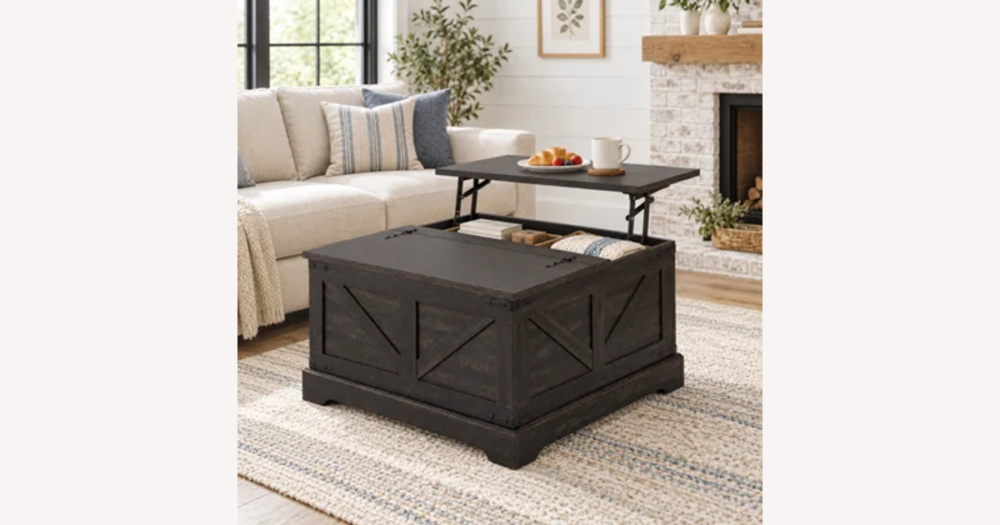
DHgate can be a practical place for a US buyer to find an affordable hideaway coffee table, but it only works in your favor if you read each listing closely—mechanism, dimensions, materials, seller history, shipping, and buyer protections—rather than chasing the lowest price on a vague product page. The focus here is DHgate: what hideaway mechanisms actually do, which specs matter for everyday use, and which DHgate‑specific checks to complete so you can pick a table that fits both your space and your budget without relying on specific product recommendations.
Use DHgate specifically for affordable hideaway coffee tables
Yes, you can use DHgate to look for affordable hideaway coffee tables as a US buyer, as long as you treat it like a big marketplace that requires careful vetting rather than a single curated store. Similar lift-top and hidden‑storage coffee tables show up across major shopping sites in roughly budget‑friendly ranges, which tells us these designs are widely available online—but this guide will stay focused on how to read and compare DHgate listings instead of pointing you to specific products or other retailers.
The practical balance on DHgate is price, functionality, and basic quality signals: understand the mechanism described in the title, check dimensions and materials in the specs, and review seller feedback and DHgate’s buyer protections before committing. Use DHgate as your main search base, then compare the different hideaway mechanisms so terms in its titles—like lift‑top or sliding panel—translate into how the table will actually work in your living room.
Know the main hideaway coffee table mechanisms before you shop
Most hideaway coffee tables fall into a few mechanism families. Lift‑top designs raise the main surface to a higher working or dining height, usually on hinges or gas struts; they’re great if you plan to use your laptop or eat at the sofa, but the lift range and weight capacity are limited, and smoother, more stable hardware tends to cost more. Simpler lift systems can feel a bit stiff or wobbly but are common on cheaper models, while upgraded hardware often appears on mid‑priced tables.
Sliding or flip‑top panels move aside or pivot to reveal storage. They keep the top relatively low—better if you rarely need a raised work surface—but they change how you reach into the compartment and how much clearance you need around the table. Panels that slide out to the side, for example, can demand extra floor space, and more moving joints usually mean more parts to assemble.
Some tables center their design on hidden drawers or enclosed compartments instead of moving the main top. These give you organized storage for remotes, blankets, or cables and keep the surface stable, but they add rails, handles, and panels that you’ll likely need to assemble and can make the table bulkier or heavier to move. Mixed‑layout tables combine a lift‑top with drawers or sliding sections, which can be very versatile but also the most complex to build and, typically, to pay for.
When you read DHgate titles and descriptions, treat the mechanism as a clue to both everyday feel and likely price direction: basic lift‑tops or single hidden compartments often sit at the lower end of the budget range, while tables with smoother hardware, multiple compartments, or more elaborate motion usually justify a modest price jump. With these mechanism families in mind, you can connect DHgate’s terms to how a table will behave at home before checking its detailed specs and materials.
This video shows a typical lift‑top coffee table being assembled, raised, lowered, and opened, so you can watch how the hinges move, how stable the top looks when lifted, and how much clearance the mechanism needs around the sofa—details to remember when you compare similar lift‑top descriptions and photos on DHgate.
Check essential specs and materials on DHgate listings
- Check overall dimensions—length, width, and height—and compare them to your room layout, sofa height, and walking paths so the table doesn’t block doors or feel too low or high to use comfortably.
- Confirm the lift-top or main surface range: how high it can rise, whether the listing says it stays level, and any stated weight capacity for laptops, dishes, or decor you plan to place on it.
- Review the storage layout by counting compartments, drawers, or shelves and noting how you access them when the top is raised or panels slide open, especially if multiple people will be reaching in.
- Verify materials for the top, frame, and legs—for example, MDF with veneer, solid wood, metal supports, or tempered glass—and note any reinforcement or crossbars that help keep the table stable.
- Note finish and color options, including whether the description distinguishes between a thin decorative veneer and a thicker, more protective coating that may better resist scratches and spills.
- Look for assembly information, such as whether tools and hardware are included, an estimated assembly time, and any mention of extra brackets or supports for the lift or sliding mechanisms.
- Treat listings with missing or very vague measurements, weight limits, or material details as higher-risk, especially for moving tops, and consider skipping them in favor of clearer alternatives.
On DHgate, many affordable hideaway coffee tables use MDF with a veneer finish because it keeps costs low and allows more styles, but these thinner panels and decorative surfaces may show wear sooner than solid wood or thicker boards. Tables that specify solid wood, denser engineered panels, or metal frames usually cost more but often feel sturdier, resist wobble better, and handle everyday bumps and lifts with less flex.
Tempered glass tops can look sleek and open up a small room, yet they depend heavily on clear weight-limit information and careful handling, so any listing with glass should state how much weight the top can safely hold and how the glass is supported. If you expect to lift the top frequently, rest heavier items on it, or keep the table for several years, it’s worth prioritizing clearer specs and more robust materials—even if that means paying more—over the absolute cheapest option with vague construction details. Apply this checklist directly to DHgate search results and listing pages.
Use a simple DHgate search-and-check sequence
- Start with targeted searches using phrases such as “lift top coffee table,” “hidden storage coffee table,” or “sliding door coffee table,” and add descriptors like “wood” or “small space” if you need a specific look or size.
- Apply DHgate filters and sorting—like setting a realistic price range, filtering by ratings, or sorting by number of orders—to narrow results to affordable options without relying on the very lowest price alone.
- Open promising listings and read the description closely, matching the mechanism type, dimensions, weight limits, storage layout, materials, and assembly notes against the spec checklist you’ve just built.
- Review seller information, including overall ratings, transaction counts, and how long they have been active on DHgate, to gauge whether they have a track record of delivering furniture as described.
- Check shipping options and estimated delivery times to the US, watching for any extra fees or surcharges so you understand the true total cost and how long you might wait for the table to arrive.
- Confirm available payment methods and DHgate buyer protections, noting how disputes, refunds, or returns are supposed to work if the table arrives damaged, incomplete, or significantly different from the listing.
- Favor listings that combine clear specs, a mechanism that fits how you’ll use the table, solid seller history, and transparent shipping and refund terms, rather than chasing the absolute lowest price with sparse or vague information.
- Once this sequence feels familiar, use it to shortlist a few candidates and then decide how far down the price range you’re comfortable going, since ultra-budget and mid-range tables on DHgate usually involve different tradeoffs in hardware, materials, and long-term reliability.
Balance ultra-budget vs mid-range options on DHgate
- Ultra-budget hideaway tables on DHgate typically use basic hinges instead of gas struts, thinner MDF panels, simpler boxy storage layouts, and plain finishes. That keeps the price down but can mean more flex in the top, more noise when lifting, and a less polished look.
- Mid-range tables more often add smoother lift mechanisms (sometimes assisted by gas struts), thicker or reinforced frames, better-aligned drawers or compartments, and finishes that look closer to living-room furniture than flat-pack shelving. You usually pay more, but everyday use tends to feel easier and more stable.
- These are tendencies, not promises. DHgate listings at the same price can still vary a lot in materials, mechanisms, and build quality, so you need to read specs, check photos, and review seller feedback for each individual table instead of assuming price alone tells the whole story.
- As a rule of thumb, choose the lowest-priced, simpler design only if you’re comfortable with a basic mechanism, plainer finish, and possibly rougher fit-and-finish. If you care more about smooth lifting, sturdier panels, and clearer specifications, it’s usually worth paying a bit more for a mid-range listing with detailed descriptions and stronger buyer feedback, even if the design looks less flashy.
Watch for common risks in affordable hideaway tables
Use DHgate seller ratings and reviews as partial quality signals
DHgate’s seller ratings, transaction history, and reviews are useful signals, but they can’t guarantee how any one hideaway coffee table will turn out. Treat the numbers as a snapshot of past buyer experience rather than a promise that your order will be identical.
Higher average ratings paired with a solid volume of completed transactions and detailed written reviews generally inspire more confidence than a handful of short, generic 5‑star comments. It’s worth prioritizing listings where buyers describe what they received in concrete terms instead of just saying “good product” or “fast shipping.”
When you read reviews, look for specific mentions of build quality (for example, whether the frame feels sturdy), how smooth and stable the lift or sliding mechanism feels, how difficult assembly was, and whether the table’s size, color, and storage layout matched the listing photos and measurements. Consistent praise on these points is a stronger sign than a few isolated compliments.
Mixed or polarized reviews—where some buyers report wobbly hardware, damaged parts, or smaller‑than‑expected dimensions while others are happy—should prompt extra caution, especially for complex lift‑top designs or tables you expect to hold heavier loads. A recent drop in ratings or a wave of negative comments about the same issue is another reason to slow down or choose a different seller.
Use these signals alongside the earlier spec checklist and risk guidance, not instead of them: a high rating doesn’t erase vague measurements, missing weight limits, or unclear photos. The checklist below distills these review clues, spec checks, and seller considerations into a quick pre‑screen you can run through before spending time on any DHgate listing.
Quick DHgate checklist for hideaway coffee tables
- Check dimensions against your room layout, sofa height, and walking paths so the table won’t crowd the space, sit awkwardly low or high, or block doors and drawers.
- Confirm the mechanism type—lift‑top, sliding panels, hidden drawers, or a mix—matches how you actually plan to use the table, such as working on a laptop, eating at the sofa, or just storing remotes and blankets.
- Make sure the storage layout suits your clutter and habits: drawers or bins large enough for what you plan to hide, openings you can reach easily, and compartments that remain usable when the top is raised or moved.
- Review materials and finishes to see if they fit your durability and style expectations at the price: for example, whether you’re comfortable with lighter engineered wood, prefer thicker panels, or want a finish that matches existing furniture.
- Scan seller ratings, transaction counts, and review content for consistent, specific positive feedback on furniture or similar items, rather than a sparse rating history or only vague one‑line praise.
- Look at shipping time, total landed cost to the US (including any listed fees), and how the seller and DHgate handle delays or damage claims for that type of order.
- Confirm you understand DHgate’s payment protections and the dispute or refund process for this listing, which matters even more if you’re considering a larger or more complex hideaway table.
- Use this checklist as a quick triage: if a listing fails on fit, unclear mechanisms, weak seller feedback, or incomplete protections, I would rather move on than chase the very lowest price at the cost of basic clarity and reliability.
FAQ: What if I want a larger or heavier hideaway coffee table?
Is DHgate a good place to buy a larger or heavier hideaway coffee table, and how should I treat size and weight claims?
DHgate can be a place to find larger or heavier hideaway coffee tables, but there’s no standard size or weight capacity for these pieces, so you have to evaluate each listing on its own. Treat the dimensions, lift range, and stated weight limits as specific to that exact table, and compare them carefully to your room layout and how you plan to use it—for example, whether you’ll eat at the lift‑top often, rest a heavy centerpiece on it, or fit it between particular sofa arms.
For bigger or heavier designs, be extra cautious. Prioritize listings that clearly state length, width, height (both closed and lifted), and maximum load for the top and any shelves, and that show photos where you can judge scale next to other furniture. Reviews that mention sturdy construction, smooth mechanisms, and real‑world use (like working on a laptop or dining) are more meaningful than generic praise. If a complex or heavy table lacks detailed specs, clear photos, or grounded feedback, it’s safer to move on than to assume it will perform like another design, because DHgate doesn’t guarantee that all hideaway tables share the same strength or size.