
If you search for Vaseline glass beads on DHgate, you’ll see plenty of yellow‑green, glowing glass described as “vintage” or “uranium,” but those words alone don’t prove age or value. This guide explains what Vaseline‑style beads actually are, how to read DHgate listings and photos for authenticity and material clues, and how to weigh seller history, shipping, and refund terms so you can decide whether a particular offer is worth the risk.
What are Vaseline glass beads and why do people seek vintage ones?
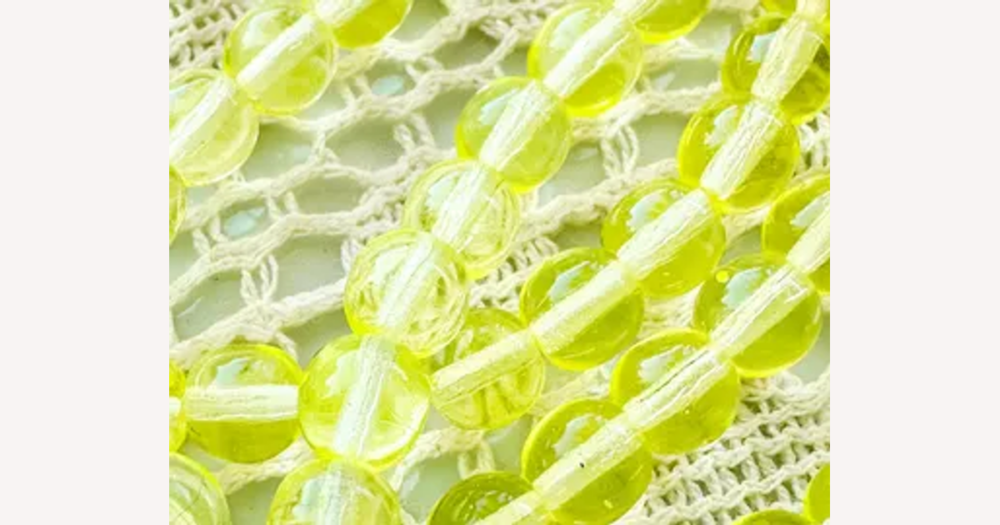
On DHgate and elsewhere, “Vaseline glass beads” usually refers to translucent glass beads in a pale yellow to yellow‑green tone, often with a soft, almost oily look and, in many cases, a bright green fluorescence under UV or black light. That glow often comes from small amounts of uranium in the glass formula in older examples, but some modern glassmakers also reproduce the same effect, so appearance alone does not tell you how old a bead is or how valuable it might be.
Historically, uranium‑bearing glass was produced in regions such as Bohemia and used for trade beads that travelled through Africa and other markets. Beads from those early production runs can show irregular shapes, wear from use, and period‑specific styles, which is why some collectors treat them as vintage or antique pieces rather than just decorative glass. When a DHgate listing mentions Bohemian origins, “African trade beads,” or a particular decade, it is pointing to that history, but you cannot assume those claims are fully documented unless the seller provides clear provenance or expert appraisal.
In practice, many beads labeled “Vaseline,” “uranium glass,” or “UV reactive” on DHgate are modern glass made in a vintage style. Phrases like “antique,” “old,” or “rare,” and references to glow or uranium content are often marketing language about the bead’s look and feel, not proof of age or high value on their own. This guide treats those terms as starting points for questions, not guarantees, and focuses on helping you avoid misrepresented “vintage” listings while still finding beads that match the Vaseline‑glass aesthetic you like.
How to search DHgate for Vaseline-style glass beads worth a closer look
- Use DHgate as a place to find Vaseline‑style or uranium glass bead listings, not as a guaranteed source of verified vintage pieces. This guide doesn’t recommend specific products; your job is to use DHgate’s search bar and filters to find candidate listings, then apply the authenticity, material, and seller checks described in the rest of the article before you consider buying.
- In the search bar, try focused keywords such as “Vaseline glass beads,” “uranium glass beads,” or “UV reactive glass beads,” and add shape or style terms like “round,” “rondelle,” “oval,” or “trade beads” if you have a particular look in mind. Because some sellers don’t use the word “Vaseline,” you can also experiment with phrases like “neon green glass beads,” “glow in UV beads,” or “fluorescent glass beads” to broaden the results while keeping the same aesthetic.
- As results load, quickly scan the category, title, and thumbnail before opening anything. Favor listings placed in relevant sections such as jewelry‑making or craft supplies, where the photos clearly show beads—small, drilled pieces of glass—rather than finished jewelry or unrelated items. Thumbnails that show translucent yellow‑green beads and mention glass, UV‑reactive material, or uranium are more likely to match the Vaseline‑style look you want and are worth a closer look; others you can skip and keep refining your search terms.
Vintage trade beads vs. modern Vaseline-style glass: what to look for
When you open a DHgate listing that mentions Vaseline or uranium glass beads, pay attention first to the beads’ physical character. Vintage trade beads from the late 19th and early 20th century are often slightly irregular: round or rondelle shapes that aren’t perfectly identical, holes that are a bit off‑center, and strands where beads vary subtly in thickness or diameter. Many show small chips, edge wear, or a gently rubbed surface from being handled, restrung, or traded over time. You may also notice tiny bubbles inside the glass or slight differences in color intensity from bead to bead, which are typical of older, more manual production.
Modern Vaseline‑style or uranium glass beads, including many Czech and other contemporary glass beads, usually look much more uniform. Beads are the same size across the strand, the drilling is clean and consistent, and the surfaces appear smooth and factory‑fresh. Listings often show large matching batches, sometimes in multiple color options, and may use language like “new,” “Czech glass beads,” “UV reactive glass beads,” or “neon glass beads,” which points toward modern manufacture even if the color and glow resemble older Vaseline glass.
Listing language about age and origin provides context, but it is never proof on its own. Phrases such as “antique Bohemian trade beads,” “African trade beads,” or “vintage uranium glass” suggest the seller is aiming for a historical feel. Without close‑up photos showing wear, variation, and the actual strand you will receive, however, treat these claims as marketing. Even genuinely older beads can be restrung, cleaned, or mixed with newer pieces, so a pristine‑looking strand labeled “antique” deserves extra scrutiny. As a cautious buyer, it’s reasonable to pass on listings that rely heavily on romantic descriptions or specific decades and locations but offer few detailed photos, inconsistent origin stories, or very generic specifications—especially if authenticity matters more to you than price or novelty.
A bead-specific checklist for reviewing DHgate listings
- Confirm that the material is clearly described as glass. Prefer listings that explicitly mention glass and, when relevant, specify uranium, UV‑reactive properties, or fluorescence, rather than vague wording that could cover plastic or unknown materials.
- Check that age and origin language is consistent. If the title says “antique” or “African trade beads,” the description and any additional text should align with that story rather than calling the beads “brand new” or giving conflicting dates or locations.
- Inspect all available photos, especially close‑ups. Look for signs of wear (small chips, rubbed surfaces), minor irregularities, and realistic variation in color and shape. Be wary of overly polished images or photos that look like generic stock shots reused across multiple listings.
- Verify bead size, hole size, quantity per lot, and shape against your planned project. Measurements should be specific and believable; make sure the beads will work for your intended use, whether that’s stringing on a particular wire, making earrings, or using them as decor.
- Note whether the photos appear to show the actual beads you’ll receive. Listings that show clearly photographed strands or piles of beads are usually more informative than those that only display stylized product images or mock‑ups.
- Watch for missing or contradictory details. If key information such as size, material, quantity, or origin is absent, vague, or inconsistent across the title, description, and photos, treat that as a red flag. A cautious buyer can simply skip appealing listings that fail multiple checklist items rather than trying to gamble on unclear information.
Recognizing authenticity red flags and misrepresentation risks
- Treat very vague dating as a warning sign. Phrases like “old,” “antique style,” or “vintage” without any approximate decade, origin, or context suggest the seller may be leaning on marketing language rather than describing documented age.
- Be cautious when beads advertised as “antique” or “African trade beads” look perfectly uniform and brand‑new in the photos. Genuine trade strands typically show small variations in shape, size, and surface wear; perfectly identical, pristine beads are more likely modern production.
- Watch for reused or stock‑like photos. If the same image appears across multiple listings or sellers, or looks more like a catalog picture than a real photo of the actual beads, assume the beads you receive may not match the implied vintage story.
- Check for contradictions between title, description, and attributes. If one part calls the beads antique and another says they are newly made, or if material, size, or origin details conflict, treat that inconsistency as a serious authenticity red flag.
- Avoid listings that rely on generic, copy‑pasted descriptions that could fit many different products. A vintage claim without bead‑specific details on size, shape, quantity, and origin leaves you with little basis to judge what you are actually buying.
- If historical authenticity matters to you, treat multiple red flags as a reason to walk away and focus on clearer, well‑documented listings, even if they cost more. If you mainly want the glowing Vaseline‑style look, you may choose to proceed despite these signs, but do so knowing you are likely buying modern beads and accepting extra uncertainty about age and provenance.
Checking seller reliability for niche glass beads on DHgate
Read DHgate‑style seller metrics as a quick risk snapshot. A higher overall rating, a meaningful number of completed orders, and recent positive feedback usually indicate a seller who has successfully fulfilled many transactions. For Vaseline glass beads, comments that mention beads, jewelry supplies, or other fragile items are more relevant than generic praise for unrelated products.
Prefer established stores over bare‑bones or newly created ones. Sellers with a visible history of craft, bead, or jewelry‑making items and a clear store description are generally better bets for niche glass beads than anonymous shops with little context.
Check the seller’s stated policies on returns, replacements, and communication. Clear terms about what happens if items arrive damaged or not as described, plus evidence that the seller responds to messages, reduce the chance of being stuck if something goes wrong.
Consider sending a short pre‑purchase question about material, glow, or bead origin. A seller who answers promptly and specifically is usually more reliable than one who ignores detailed questions. From a cautious standpoint, I would rather pay a bit more to buy from a well‑rated, responsive seller with relevant history and clear policies than risk a cheaper listing where both the beads and the seller information feel thin.
Order, shipping, and refund details to confirm before buying
- Check the order terms before you get attached to a listing. Look at the estimated shipping time for international parcels and decide whether it fits your project timeline; long, flexible windows can be fine for casual collecting but risky for deadlines. Confirm that the seller offers tracking, and ideally insurance, so you can follow the parcel and have some protection if it goes missing. Read the description for any mention of protective packaging—such as padding, boxes, or separate wrapping—that makes sense for small glass beads rather than loose items in a thin envelope. Finally, add the bead price, shipping fees, and any minimum order quantity together and make sure the total cost still fits your budget.
- Before you place an order, review how payments, returns, and disputes work on DHgate and in that specific listing. Make sure you understand when your payment is released to the seller, what counts as “not as described,” and how to open a dispute if beads arrive broken, significantly different from the photos, or misrepresented in material or age. Favor listings where refund or return terms, response times, and dispute steps are stated clearly enough that you could follow them without guessing. From a cautious standpoint, if shipping is very long, packaging is barely described, and dispute or refund information is vague, it can be safer to skip the purchase even if the beads themselves look appealing.
Choosing between modern Vaseline-style beads and claimed vintage trade beads
- Modern Vaseline-style or uranium glass beads usually come with more straightforward expectations: descriptions tend to focus on color, glow, size, and shape, and you can assume they were made recently. That often means better consistency from bead to bead, easier matching across multiple strands, and, in many cases, lower prices than pieces marketed as vintage. The trade-off is that you are choosing a look rather than documented history; if firm provenance or age matters to you, modern beads will rarely provide it.
- Beads advertised as vintage or trade beads can be appealing because of their irregular wear, color variation, and the sense of historical character they may carry. However, they also bring higher risks: dating and origin claims may be vague or hard to verify, photos and documentation can be incomplete, and size, shape, or condition may vary more than modern buyers expect. In my own judgment, I generally lean toward modern, clearly described beads unless a vintage listing offers unusually strong evidence—detailed, close-up photos, a consistent story about origin and age, and a responsive seller willing to answer specific questions—and I’m prepared to accept some remaining uncertainty. If your priority is the glow and aesthetic, focusing on modern options first usually keeps misrepresentation risk lower; if provenance is more important to you, be ready to spend extra time questioning sellers and to walk away from any vintage-claimed listing that doesn’t provide enough clarity.
Common questions about glow, uranium, and what to do if things go wrong
If my beads glow under UV or black light, does that prove they’re vintage Vaseline glass?
No. UV fluorescence can indicate certain glass formulas, including some uranium glass, but glow alone does not prove age or provenance. Both older uranium glass beads and modern Vaseline‑style or UV‑reactive beads can glow bright green. On DHgate, treat glow as one material cue among many: combine it with close‑up photos, signs of wear, consistency of the age and origin story, and overall listing and seller quality before deciding how likely a bead is to be genuinely vintage.
Do all Vaseline glass beads contain uranium, or can modern glass just imitate the color and glow?
Not all beads sold as Vaseline glass necessarily contain uranium, and some modern glass is made to mimic the same yellow‑green color and even UV glow using different formulations. Listings may use terms like “Vaseline,” “uranium,” or “UV reactive” loosely, so you should read the material description carefully and assume that color and glow describe the look rather than guaranteed composition or age. If exact uranium content or historical status matters to you, you’ll need stronger documentation than a marketplace listing can usually provide, such as expert testing or provenance from outside DHgate.
What should I do if the beads I receive are very different from the DHgate listing or don’t match the vintage claims?
Start by comparing the beads you received with the original listing: check photos, size and quantity specs, material wording, and any age or origin claims. Take clear, dated photos showing the differences—such as obvious size mismatches, different color or shape, lack of glow when it was heavily advertised, or beads that look clearly modern despite strong vintage wording. Then review DHgate’s order and dispute policies and open a dispute or refund request within the platform’s stated timeframe, attaching your photos and pointing to the specific parts of the listing that were not met. If a seller is responsive, you can also message them directly, but rely on DHgate’s dispute process as your safety net when beads are damaged, misdescribed, or significantly different from what was advertised.