
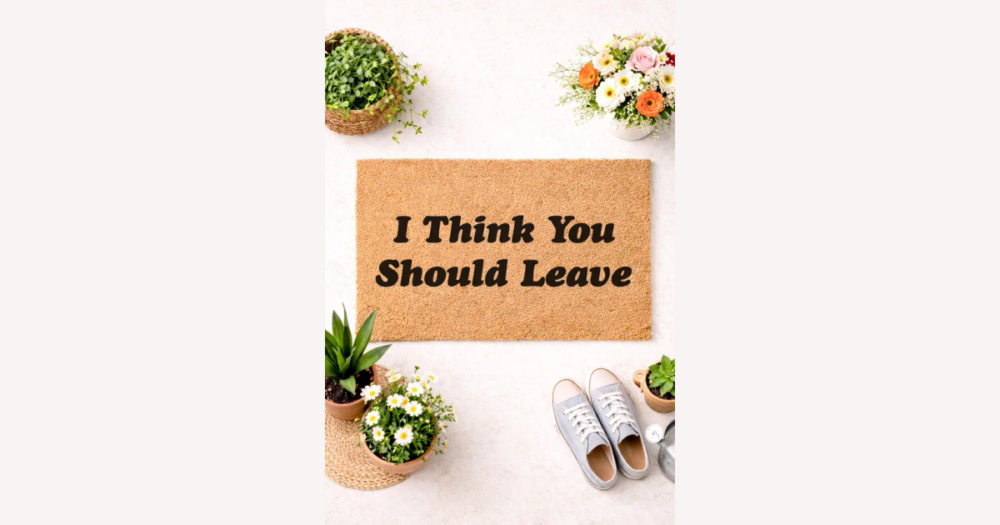
If you’re in Australia and browsing DHgate for a funny doormat or novelty rug, the safest approach is to treat DHgate as a research hub, not a shortcut to one “best” mat. By reading each listing’s materials, backing, size, photos, shipping terms, and seller reputation carefully, you can narrow the options to designs that actually fit your doorway and decor and carry acceptable risk.
Use DHgate as your research hub, not a shortcut to a single “best” funny doormat
On DHgate, funny doormats and novelty rugs come from many independent sellers rather than one official “best” option. This guide focuses on how to use DHgate as a research hub: reading listing details like materials, backing type, size, thickness, photos, shipping terms to Australia, and seller reputation so you can decide which mats are worth shortlisting yourself.
Treat broad claims such as “high quality,” “eco‑friendly,” or “non‑fading” as marketing unless they’re backed by clear specifications or consistent buyer feedback. If a listing doesn’t spell out basics like the face material, backing type, print method, and how and when it ships to your Australian address, the safest move is to skip it and keep looking for a better‑documented option.
Understand common materials and backing so you can judge real‑world durability
Most funny doormats and novelty rugs you’ll see on DHgate use a few common face materials. Coir (coconut fibre) is typical for outdoor scraping mats: it feels rough underfoot, is good at knocking dirt and mud off shoes, and suits exposed thresholds. Synthetic fibres like polyester or nylon are more common for printed novelty rugs and joke designs; they tend to feel smoother, can be made in low or medium piles, and are usually better for indoor or sheltered entries. Lightweight felt‑like fabrics often show up in cheaper indoor humour mats, which feel soft but are less robust for heavy traffic or wet conditions.
Backing matters just as much as the surface. Vinyl or rubberised non‑slip backings are designed to grip hard floors and help the mat stay in place, which is important near a busy doorway. Thinner fabric backings are lighter and more flexible but can slide more easily and may wear out sooner, especially on smooth tiles or polished timber. On DHgate, you’ll often see phrases like “non‑slip backing”; look for photos or descriptions that specify whether that’s a full rubber layer, dotted grip, or just a textured fabric, and consider how it will behave on your actual floor.
Surface finish and pile height affect both appearance and print clarity. A smoother, tighter surface—whether synthetic or felt—usually shows small text, detailed graphics, and crisp edges more clearly, which suits intricate jokes or cartoon motifs. Rougher textures like coir give a more rustic look and handle dirt well, but they can soften or slightly blur fine lettering and thin lines. Match material and backing to where you’ll put the mat: sturdier coir or other rough fibres with solid backing for exposed outdoor thresholds, and tighter synthetic piles or felt surfaces for indoor or covered entries where you care more about print sharpness than mud scraping.
When you evaluate DHgate listings, put more weight on concrete material and backing descriptions than on lifestyle claims. Words like “eco‑friendly,” “premium,” or “non‑fading” are seller language unless they’re supported by specific fibre types, backing details, print methods, or long‑term buyer reviews that describe actual use. If you can’t tell from the listing what the mat is made of, how it’s backed, or how the design is applied, it’s reasonable to pass on that listing and keep searching for one with clearer construction details.
Check size, thickness, and edges so the mat actually fits your doorway
- Measure your doorway first: note the clear width of the door and the depth of the landing or entry area, then compare those numbers with the listing’s stated length and width. Aim for a mat that leaves a small border around it rather than reaching right to every edge.
- Check the listed thickness and think about door clearance. If your door already brushes the floor, a thick mat can catch or drag; in that case, look for a thinner option or expect some rubbing when the door opens.
- Read how the edges are finished. Bound or stitched edges and beveled edges usually look neater and resist fraying better than a raw cut fabric edge, which can curl or look worn more quickly in a busy entryway.
- Use listing photos to judge scale. Look for images that show the mat next to a door, frame, or furniture so you can sense its proportions, and treat heavily staged photos or ones that don’t seem consistent with the stated dimensions as a reason to slow down and question the listing.
- If dimensions are missing or obviously rounded, or if thickness and edge details aren’t described at all, don’t guess. Message the seller for precise measurements and construction details, or choose a listing that already provides clear size and edging information.
Use photos and style cues to judge decor compatibility from your screen
Use DHgate photos as decor clues rather than just a preview of the joke. Focus on the main colour blocks and background, then imagine that mat against your actual flooring, door colour, and nearby walls, aiming either for a deliberate contrast (for example, a dark mat on pale tiles) or a coordinated palette that picks up an accent colour you already have.
Pay attention to how the surface texture looks. Rough, bristly coir gives a more rustic, casual feel and stands out strongly on smooth tiles or polished timber, while smoother printed fabric or felt reads more like a graphic panel and can blend more easily with carpeted or softer-looking entries. Think about whether that texture suits the atmosphere you want at the doorway.
Match the humour tone to the people who will see it. Lighthearted or cute jokes usually work better for shared apartment hallways or family entrances, whereas more edgy or explicit slogans may be better kept to private or strictly adult areas where you’re confident visitors will appreciate them.
Remember that colours and print sharpness on screen are only approximations. Lighting, editing, and your device settings can all make shades look brighter or more saturated than they are in person, and fine lines or tiny lettering can appear crisper in promotional images than on the actual mat. Avoid designs where perfect shade matching or very small details are critical unless you’re comfortable with some variation, and give extra weight to listings that include close-up shots and honest buyer photos in the reviews.
Follow a step‑by‑step DHgate checklist to narrow down promising listings
- Search on DHgate for terms like “funny doormat” or “novelty rug”, then, where filters exist, narrow by rough size range, price band, or category so you’re only looking at broadly suitable options.
- Open promising listings and confirm that the face material and backing type are clearly named (for example, coir with rubber backing for outdoor use, or polyester with non‑slip backing for indoor use) and that they match how and where you plan to use the mat.
- Check the stated length, width, and any thickness information against your doorway measurements and door clearance, making sure the mat will leave a small border around it and won’t jam under the door when it opens.
- Study the listing photos to see how the design, main colours, and surface texture might sit against your actual flooring and door colour, remembering that screen brightness and editing can make shades look slightly different in person.
- Review the shipping information specifically for Australia, confirming that your country or region is listed, checking estimated delivery times, and noting the total shipping cost and any exclusions or remote‑area surcharges that could affect you.
- Evaluate seller reputation by looking at overall ratings, the number of completed orders, and buyer reviews that mention concrete points such as material feel, print quality, size accuracy, and whether shipping arrived roughly as promised.
- Before you place any order, skim DHgate’s current refund and dispute information so you understand basic timeframes, what counts as a misdescribed or non‑delivered item, and what evidence (messages, screenshots, photos) you would need if the mat arrives late, damaged, or noticeably different from its listing.
Spot common risks and red flags in novelty mat listings
- Treat vague specifications like “material: fabric” or “high quality mat” without a named fibre or backing type as a warning sign, because they make it hard to predict how well the mat will grip the floor, resist wear, or feel underfoot.
- Be cautious when no print method is mentioned, since you’re left guessing whether the design is likely to stay sharp and readable after repeated foot traffic and cleaning rather than fading or peeling quickly.
- Watch for unclear or generic shipping notes that don’t explicitly mention Australia or give realistic delivery estimates, as these increase the likelihood of long delays, routing problems, or parcels that never arrive.
- Question very low prices compared with similar‑looking mats, which can reflect thinner, more flexible materials, weak or non‑slip backing that slides around, or low‑effort printing that doesn’t hold up well in everyday use.
- Treat listings with no reviews, only a few very short generic comments, or highly polarized feedback (all five‑star and one‑star) as higher‑risk, because outcomes are harder to predict and you may have less detailed buyer evidence to rely on if you need to argue that the mat was misdescribed.
Prefer listings with clear specs and policies over pure punchlines
On DHgate, an information‑rich listing might name a specific face material (for example, coir or polyester), describe the backing as rubber or vinyl with non‑slip properties, give exact dimensions and approximate thickness, and state how the design is applied (printed, woven, or flocked). It will usually include clear shipping options and costs to Australia, estimated delivery time, and at least a basic outline of return or refund terms.
By contrast, a joke‑first listing may show a bold punchline image and call itself a “premium quality funny mat” while only saying “material: fabric” or offering no backing, thickness, print method, or shipping detail to Australia. Those vague claims are hard to compare with other mats and leave you with little to point to if the item arrives thin, slippery, or badly printed.
Concrete specifications and policies give you measurable points to compare across listings and something DHgate’s dispute process can refer to if the delivered mat doesn’t match what was described. I would rather pick a slightly less outrageous design from a seller who is transparent about materials, backing, size, print technique, and shipping and refund terms than gamble on the wildest joke from a mystery listing with almost no usable information.
Read seller ratings and reviews as a quality and reliability proxy
After you’ve judged the quality of a listing’s specs, scan the seller information as another reliability signal. Check overall rating scores, how many orders the seller has completed, and how long the store has been active; a track record of ongoing sales with steady ratings usually suggests more experience than a brand‑new shop with only a handful of transactions.
Read several reviews rather than just the first one or two. Look for specific comments about how the mat feels underfoot, whether the print looks sharp, whether the size matches the description, and how shipping to Australia went when buyers mention it. These details are more informative than generic “good seller” notes or star ratings on their own.
It also helps to glance across the seller’s other mat listings to see whether their descriptions are consistent and believable—similar materials, realistic dimensions, and matching claims about backing and print method—rather than copy‑pasted or contradictory text that changes from product to product.
Ratings and reviews are still only proxies. Feedback can be fake, outdated, or unrepresentative, so treat a single glowing or terrible review cautiously and focus on patterns over time. Use seller reputation alongside what you’ve already checked in the listing itself—materials, specs, and shipping terms—rather than as your only deciding factor.
Know DHgate’s buyer protection role and how to prepare for disputes
On DHgate, buyer protection generally works by routing payments through the platform and giving you a defined window to confirm receipt or raise issues. Instead of promising specific rules, treat it as an intermediary: it can provide a dispute channel between you and the seller and may help arrange refunds or returns when an order never arrives or is clearly not as described.
Before you buy, read DHgate’s current help pages for the exact terms—eligible situations, deadlines, and what evidence you need—because those details can change. In practice, protect yourself by saving screenshots of the listing (especially claims about materials, backing, size, thickness, and “outdoor” or “non‑slip” wording), keeping order confirmations and any seller messages, and photographing the mat as soon as it arrives. If the print looks different, the size is off, or the mat is damaged, those records become your proof if you need to open a dispute or request a refund through DHgate’s system.
Use a minimum‑info checklist before you commit to any funny mat
- Confirm that the listing names the face material and backing type, such as coir with rubber backing or polyester with a non‑slip base.
- Check that exact length and width are stated, along with at least an approximate thickness, so you can compare them to your doorway measurements.
- Look for a simple description of how the design is applied—printed, flocked, woven, or similar—rather than leaving the method entirely unclear.
- Verify that shipping to your part of Australia is explicitly available, with clear cost and a realistic estimated delivery timeframe instead of vague “international shipping” only.
- Ensure there is some indication of what happens if something goes wrong, whether through a seller‑stated return or refund policy or reliance on DHgate’s general buyer protection scheme.
- Prefer listings with at least a few substantive buyer reviews that mention quality and sizing, and treat offers that fail one or more of these checks as high‑risk choices you’d only accept for low‑stakes indoor novelty at a price you’re comfortable writing off.
Quick answers to edge questions about novelty mats on DHgate
Are outdoor novelty mats on DHgate usually weather‑resistant?
Some DHgate novelty mats are suitable for outdoor use, but you can’t assume all of them are truly weather‑resistant. Treat “outdoor” labels and durability claims as tentative unless the listing clearly specifies robust materials like coir or dense synthetic fibres, a solid rubber or vinyl backing, and explicitly mentions outdoor or all‑weather use. Give extra weight to buyer reviews that describe how the mat handled rain, sun, and mud over time, and assume harsher conditions will shorten the life of any printed design.
How should I choose between “funny” and more “rude” doorway jokes in shared spaces?
Think about who will regularly see the mat: children in the household, neighbours in a shared corridor, and professional visitors like delivery drivers or clients. Lighthearted or cheeky humour is usually safer for family entrances and apartment hallways, while more explicit or confrontational jokes are better kept to private, adults‑only areas. If you’d feel uncomfortable explaining the mat’s text to a child or a neighbour, it’s probably too strong for a shared doorway.
What should I do if shipping to my specific Australian region or postcode is unclear?
If the listing only mentions generic “international shipping” or vague Australia coverage, message the seller directly with your suburb and postcode and ask them to confirm whether they ship to your address, on what terms, and with what estimated delivery time and cost. Keep their reply in your DHgate messages as a record. If you don’t receive a clear answer, or other reviews suggest mixed experiences for Australian buyers, treat that listing as high‑risk and choose a seller whose shipping section explicitly covers Australia and is backed by consistent buyer feedback on delivery.