
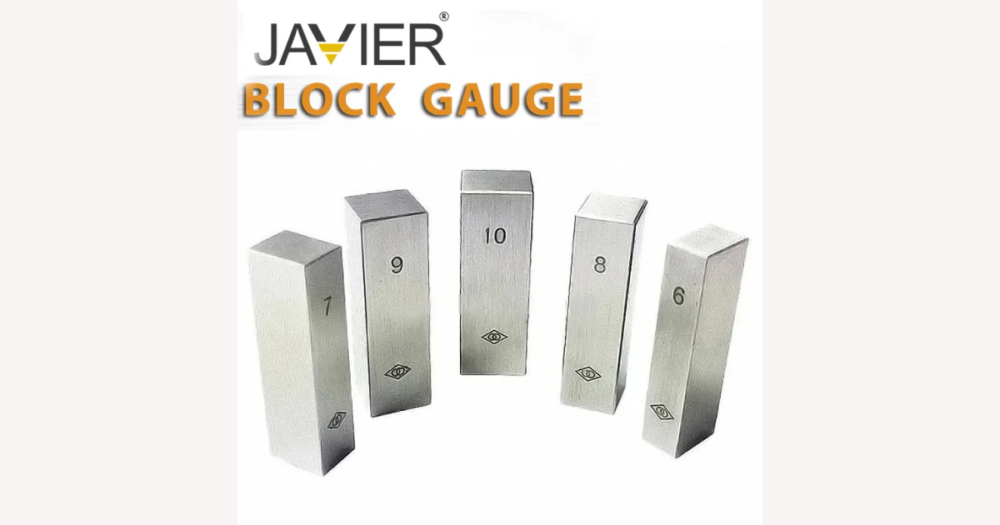
If you’re in Canada and thinking about ordering metal or steel blocks on DHgate, the safest approach is to treat “reliable sources” as well-documented listings from proven sellers, not as a single recommended shop. When a DHgate metal block listing shows precise specs, comes from a seller with steady positive feedback, and sits clearly within DHgate’s buyer protection and return framework, you can weigh price against risk and skip vague, under-documented offers that could leave you stuck with the wrong heavy block and a difficult return.
What counts as a “reliable source” for metal blocks on DHgate?
On DHgate, a “reliable source” for metal or steel blocks means a specific seller and listing that let you verify what you’re buying before you pay. For a heavy, technical item like a bench block or machinist block, the listing should clearly state dimensions in mm or inches, material grade (for example, hardened steel vs mild steel), hardness or heat treatment, surface finish, weight, and intended use, so you can see if it truly fits your task and tooling.
Reliability also depends on the seller’s track record and DHgate’s protections. I would rather choose a slightly higher priced listing from a seller with consistent positive feedback, completed orders, and clear return and refund terms within DHgate’s buyer protection framework than chase the lowest price from a vague listing with little history. This guide doesn’t endorse particular shops or brands; instead, it shows you how to judge DHgate listings and sellers for metal blocks using specs, reviews, and platform protections so you can decide which offers feel trustworthy enough for you.
Key types of metal blocks and the specs that really matter
Marketplaces like DHgate carry several broad types of metal blocks. Jewelry bench blocks are compact, flat steel blocks used for hammering, stamping, and forming; precision or machinist blocks (including gage blocks and parallel blocks) are hardened, highly accurate reference pieces used with machine tools and measuring equipment; general-purpose steel blocks are more basic chunks or blanks used for fabrication, DIY fixtures, or practice work where extreme precision isn’t essential.
Across these types, trustworthy listings share a few core specifications. Dimensions should be stated clearly (length, width, thickness, and sometimes hole size) with units, and precision blocks often add flatness or parallelism tolerances. Material grade or type matters: listings that name a specific steel grade or at least distinguish hardened tool steel from softer mild steel are easier to trust than vague “metal” descriptions. Hardness or treatment (such as hardened vs unhardened, or a hardness rating) tells you how well the block will resist denting and wear; surface finish notes whether faces are mirror-polished, ground flat, or left as-cut. Weight hints at density and shipping cost, while features like chamfered edges, grooves, or hole patterns affect how the block works with your tools. Heavier, larger, or more precisely ground blocks reasonably cost more, and clear, detailed specs help you see why a price is higher and whether it’s justified for your intended use.
Step-by-step: how to review a DHgate listing for a metal block
- Confirm the block type matches your intended use. Check whether the listing clearly identifies it as a jewelry bench block, a precision or machinist block, or a general-purpose steel block, and whether the stated specs (size, hardness, finish) make sense for how you plan to use it.
- Read the full specification details, not just the title. Check dimensions and units (mm and/or inches), material grade, hardness or heat treatment, weight, surface finish, and any hole patterns or special features. Treat missing, vague, or inconsistent specs as a warning sign, especially for precision work.
- Inspect all photos and any drawings. Look for clear views from multiple angles and diagrams that match the written dimensions and features. Remember that a glossy or polished-looking photo does not by itself prove a precision-ground surface or tight tolerances.
- Compare the price to similar blocks in size and stated quality, using your knowledge of basic bench blocks versus precision blocks to judge whether the price sits in a plausible range. Don’t assume you know exact DHgate prices; you’re checking that the offer isn’t unrealistically cheap or expensive for what it claims to be.
- Review shipping options, estimated delivery time, and the total landed cost, including shipping, import charges, and any fees. Because metal blocks are dense, a low unit price can quickly turn into an expensive overall purchase once heavy shipping is added.
- Only after the product and cost checks look reasonable, review seller ratings and buyer comments. If the listing fails early checks on specs, photos, or total cost, be willing to skip it even when the seller’s score appears high.
Reading DHgate seller ratings and reviews for metal parts
DHgate typically shows several reputation indicators for each seller, such as an overall score or positive-percentage rating, the number of completed orders, and how long the account has been active. For heavy, technical items like metal blocks, it’s safer to focus on sellers with a meaningful transaction history and not just an impressive percentage based on a handful of deals. A long-active account with steady activity and many completed orders suggests the seller has more experience handling shipments and addressing problems.
When you read reviews, prioritize recent, detailed comments that actually mention metal tools, blocks, or similar hardware. Look for patterns around correct sizing, finish quality, packaging, and shipping reliability: repeated complaints about wrong dimensions, rough or damaged surfaces, or poor packing are red flags for a dense item that can be easily dented in transit. In contrast, a mid-range price from a seller whose feedback consistently mentions accurate specs and good packaging is often a safer bet than a rock-bottom price backed by vague, unrelated reviews. Treat these signals as judgment guidelines rather than guarantees, and weigh them together with the listing checks you’ve already done.
Strong vs risky DHgate listings for steel blocks
A strong DHgate listing for a steel block reads like a technical spec sheet, not a vague advertisement. The title clearly names the block type and key size (for example, “hardened steel bench block 100 × 100 × 25 mm”), and the description repeats those dimensions in consistent units, including thickness. It states the material grade or type of steel, any hardness or heat treatment, the surface finish (polished, ground, brushed) with claims that are backed up by close-up photos or drawings, and the approximate weight so you can judge shipping. Good listings also mention intended uses, and their photos match the text: the block in the picture has the same hole pattern, chamfers, and proportions described. Price and shipping look plausible for the claimed precision and material—precision-ground, hardened blocks cost more than basic bench blocks—and shipping and return terms are clearly spelled out.
Risky listings follow the opposite pattern. The title may say only “high quality metal block” or “steel tool block” without stating the size or use, and the description might give just one dimension, omit thickness, or mix inches and millimetres without clarity. There is no material grade, hardness rating, or explanation of heat treatment, and finish claims like “mirror surface” appear without any close-up image or stated flatness tolerance. Often there’s a single generic photo that could belong to any block, and the price is suspiciously low compared with typical ranges for blocks of similar size or precision level. Shipping and return information may be thin or buried, which makes it harder to judge total cost and risk.
Use these patterns as a quick mental checklist: if title, specs, photos, price, and shipping all line up, the listing is more likely to be trustworthy; if they’re vague, incomplete, or inconsistent, treat that as a warning. When I see mismatched titles and descriptions or very cheap blocks claiming high precision without hard data, I skip them and look for a simpler, clearly described option instead—even if it costs a bit more—because clear specifications are worth more than guessing on a heavy item that’s awkward to return.
Common pitfalls when buying metal blocks online
- Misunderstanding dimensions: Buyers sometimes confuse inches and millimetres or mentally inflate thickness, then discover that a 40 mm block is much smaller than they imagined. On DHgate, always check every dimension in the spec table, confirm which unit is used, and compare the measurements to a ruler or existing tool so you can picture the true size.
- Ignoring weight when estimating shipping: Dense steel blocks can be surprisingly heavy, and shipping or import charges may scale with weight. Before you commit, look for the listed weight, check how shipping is calculated, and compare total landed cost (item + shipping + any fees) against similar blocks so a low item price doesn’t hide high delivery cost.
- Assuming shiny photos mean precision-ground quality: A polished image doesn’t prove the surface is flat enough for machinist or measurement work. For DHgate listings, look for explicit claims about flatness tolerance or accuracy and hardness ratings, not just the word “mirror” or “smooth.” If those numbers aren’t stated, treat the block as suitable for general bench use, not precision reference work.
- Trusting generic hardness or material claims without detail: Phrases like “hardened steel” or “high-hardness block” are weak on their own. Prefer listings that give a hardness value (such as HRC), mention the treatment process, or have reviews that specifically confirm durability under hammering or clamping. If hardness is vague and no buyer mentions real-world performance, assume the block is basic mild steel and price it accordingly.
- Expecting perfect surfaces at bargain prices: Non-branded blocks at low prices may have small scratches, tool marks, or colour variation that don’t matter for general support or stamping work but do matter for high-precision tasks. Match your expectations to the stated spec level and price: if you need very clean, flat surfaces, choose listings that emphasise precision and finish, and accept that you’ll pay more.
- Because steel blocks are heavy and awkward to return, it’s worth spending an extra minute on these checks. Confirm size and units, weigh shipping against item price, look for real tolerances and hardness data, and decide whether the block’s stated quality matches your intended use before you confirm an order on DHgate.
How DHgate’s payment and buyer protections affect your risk
On DHgate you pay through the platform’s own payment system rather than sending money directly to a seller. In a typical marketplace model, DHgate processes your card or other payment, then holds the funds while the seller prepares and ships the order. The money is usually released only after certain milestones, such as shipment tracking updates or you confirming that the parcel has arrived, and there is a buyer protection or dispute window during which you can report non-delivery or a metal block that clearly does not match the listing.
This platform mediation reduces some payment risk compared with wiring money to an unknown seller, because you have a structured way to complain and a third party that can step in. It does not guarantee product quality: if specs are vague, photos are misleading, or the seller has little history, DHgate’s system can help you challenge a bad outcome, but it cannot turn an under-described block into a precision tool. For heavy, technical items like steel blocks, I would still insist on clear dimensions, material and hardness data, realistic shipping terms, and a seller record that looks stable before spending much.
Where DHgate’s protections help is when you want to test a new seller with a basic, low-stakes block for general bench use: knowing there is a dispute process makes that experiment more comfortable, as long as you keep your expectations modest and document what was promised. Before any large or high-precision purchase, take a moment to skim DHgate’s current buyer protection and refund help pages yourself so you understand the latest timeframes and conditions, then decide whether the listing and seller look strong enough to justify the risk.
Pre-payment checklist for DHgate metal block orders
- Confirm that the block type, exact dimensions, quantity, and any features such as hole patterns match your intended use, including how many blocks you need in a set and what thickness will actually work.
- Verify the total landed cost: add item price, shipping charges, and any likely import fees, and ask whether a slightly higher item price from a closer or more reputable seller might still be cheaper overall once shipping and duties are included.
- Re-check the shipping method and estimated delivery window to be sure they fit your project timeline and that the carrier and service level look reasonable for a dense metal item.
- Review the stated return and refund terms, paying close attention to who pays return shipping on heavy parcels, what condition the block must be in, and any deadlines or restocking fees that apply.
- Save screenshots or copies of key listing specs, photos, and seller information so you have clear evidence if the block arrives damaged or different from the description; for more expensive or precision-grade blocks, I would be extra strict on these checks and delay purchase if anything important is unclear.
Shipping, delivery, and packaging expectations for dense metal blocks
Metal blocks are compact but very dense, so shipping and packaging matter almost as much as the listing specs. On DHgate, check which carriers and service levels the seller offers—economy post, standard courier, or expedited options—and decide whether the estimated delivery time fits your project and how comfortable you are with a slower, less trackable service on a heavy item.
Read the shipping details carefully to see whether tracking numbers or insurance are mentioned, and whether the method seems appropriate for a weighty metal block rather than a fragile parcel. Then scan seller notes and buyer reviews for specific comments about packaging: mentions of thick padding, sturdy boxes, bubble wrap, or foam around the block are reassuring, while complaints about loose items in thin envelopes are a red flag.
For higher-priced or precision-ground blocks where flatness and clean edges really matter, I would deliberately favour sellers whose reviews praise careful packaging and who offer traceable shipping, even if the freight costs a bit more. Poor packaging on a heavy block can dent corners, mark the surface, or chip edges, which can ruin both precision and appearance, so factor packaging quality and shipping method into your overall risk assessment alongside price and specs.
Using DHgate disputes and refunds for metal block problems
If a DHgate metal block arrives damaged, the wrong size, or clearly different in material or finish from what the listing described, treat that as a significant issue and act within the platform’s protection window. The usual flow is to contact the seller through DHgate’s messaging, explain the problem, and, if needed, open a dispute case so the platform can review the situation rather than leaving it to private negotiation.
Your dispute is stronger when you provide concrete, block-specific evidence. Take clear photos of dents, scratches, chips, or bent corners, and add images that show the actual dimensions against a ruler or calipers if the size is wrong. Include screenshots of the original listing’s specs, photos, and any promised features—such as hardness, finish, or hole patterns—so it’s easy to see how the received block differs from what was advertised. Saving those details before purchase makes this much simpler.
Because metal blocks are heavy, there may be discussion over whether you must return the item or whether a partial or full refund is possible without shipping it back, especially when return postage would be disproportionately expensive. Be prompt, factual, and specific in your messages, keep all communication inside DHgate’s system, and don’t wait until the protection period is nearly over to raise a problem. For higher-risk precision purchases, I would only buy when I’m prepared to document issues thoroughly and pursue a dispute if the block doesn’t match its description.
FAQ: Starting safely and setting realistic expectations
Is it safer to start with a basic bench block before ordering high-precision blocks on DHgate?
For cautious buyers, starting with a modestly priced, clearly specified bench or general-purpose block from a reputable DHgate seller is a sensible way to test their reliability, shipping, and packaging. Pick a listing with full dimensions, material and hardness details, and solid recent feedback, then see how closely the delivered block matches the description. I prefer this incremental approach when I’m trying a new seller: I only move on to higher-priced, precision-grade blocks once I’ve seen that their specs, communication, and packaging are consistently trustworthy.
How much variation in dimensions or surface condition is reasonable for non-branded metal blocks?
For low-cost, non-branded general-purpose blocks, small cosmetic marks, tool lines, or slight colour variation are usually acceptable as long as the block is structurally sound and dimensions are close to what was described. Precision or machinist blocks are different: their value depends on tight tolerances and clean, flat faces, so any meaningful deviation from the stated size, flatness, or finish is a problem. On DHgate, match your expectations to the price and listed precision claims—treat vague specs and rock-bottom prices as suitable for rough bench work only, and reserve higher expectations for listings that clearly state tolerances, hardness, and finish quality.
When should I choose a local or branded supplier instead of buying metal blocks on DHgate?
If the block is mission-critical—such as a tightly toleranced industrial part, a reference block for calibrated measurement, or a component where failure would be costly or unsafe—it can be wiser to buy from established local or branded industrial suppliers with clear certifications, technical documentation, and support. The same is true when return shipping from an online marketplace would be prohibitively expensive or complicated. In those situations, your risk tolerance and need for guaranteed precision may outweigh the potential savings on DHgate, making a locally supported, clearly certified option a better fit even at a higher upfront price.