
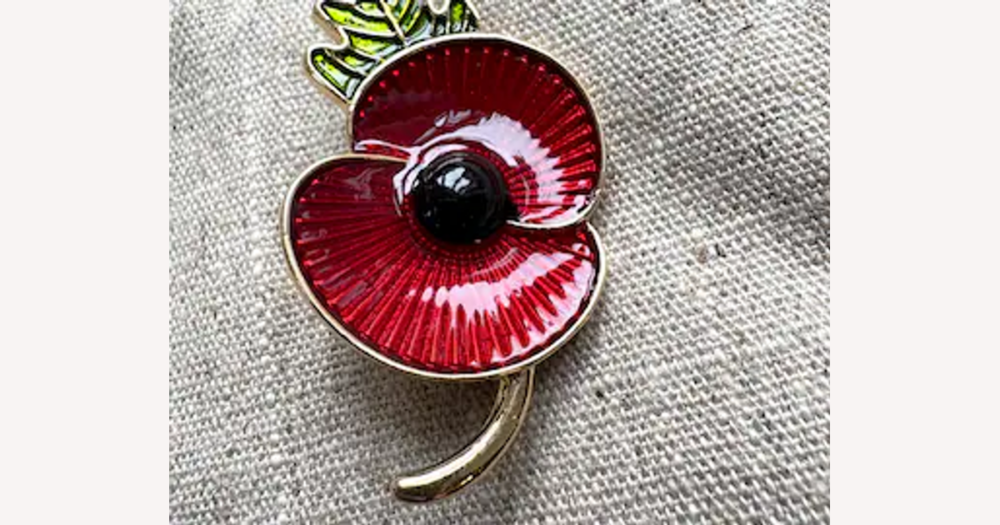
If you want a commemorative poppy pin or keepsake that feels respectful and doesn’t turn into a headache, focus less on chasing the cheapest listing and more on how clearly the retailer explains the product, who they are, and how they handle your order, payment and refund rights—then apply those same checks on DHgate and any other marketplace you use.
What does “reputable” mean for commemorative poppy pins and keepsakes?
For commemorative poppy pins and keepsakes, a reputable retailer is one that treats remembrance seriously rather than as a gimmick. You should see designs that feel respectful and aligned with common remembrance norms, not novelty or joke versions, and each item should have clear information about what it is made from, how big it is, and how it fastens.
A retailer’s reputation also depends on how the business behaves. A trustworthy retailer makes its identity easy to verify: a proper business name, ABN or equivalent, physical or mailing address, and real contact channels rather than only a username. It publishes straightforward policies for payment, delivery, returns and refunds that you can find and understand before you order, and it follows them in practice. Some form of social proof helps too—buyer reviews, long-standing community presence, or visible partnerships with recognised remembrance or veteran organisations—while still remembering that no single signal is perfect or guarantees quality.
On this page, names like AirForceShop, Military Shop, Amazon Australia or Facebook groups appear only as examples of different retail models: specialist remembrance shops, big marketplaces and informal peer-to-peer sales. They are here to show what stronger or weaker practices can look like in each model, not to rank them or tell you exactly where to buy. The same principles apply when you look at DHgate or any other marketplace.
For symbolic items I would personally rather pay a bit more at a retailer that explains its designs and materials, shows where the products come from, and backs this with clear transaction protections than take a chance on a vague listing at the lowest price. The rest of the guide turns that preference into practical checks you can use anywhere—including DHgate—so you can balance respectfulness, budget and risk in a way that feels right to you rather than being told a single “correct” shop.
What should you look for in the design, materials and finish of a poppy pin or keepsake?
- Size and overall design: A lapel-style poppy pin usually sits somewhere around 2–3 cm across—large enough to read as a poppy at a glance, but not so big that it overwhelms a jacket or dress. Keepsakes like keyrings or brooches may be larger, but should still feel understated rather than flashy, with colours and shapes that clearly reference remembrance rather than generic floral or fashion motifs.
- Base metal and construction: Common base metals for enamel-style pins include brass, zinc alloy and stainless steel. For most buyers, the key is that the metal feels solid rather than flimsy: it shouldn’t bend easily in your fingers, and the stem or backing should feel firmly attached. Better-made pins typically use a single, die-struck or cast piece rather than thin stamped metal that can warp over time.
- Plating and colour infill: Many commemorative pins use plated finishes such as gold tone, nickel or coloured metal around red enamel or paint. Consistent, even plating that doesn’t look patchy or scratched is a good sign, as is smooth, well-filled enamel without obvious bubbles or bare spots. These details matter because they affect how dignified the pin looks up close, especially during formal services or ceremonies.
- Protective coatings and surface finish: Some pins add a clear epoxy or varnish layer over the enamel to protect the colours from chipping and dulling. Others rely on the hardness of the enamel itself. A clean, glossy or gently satin finish, with no rough edges or sharp burrs, usually indicates better finishing and helps the piece stay presentable across multiple years of use.
- Fastening mechanism: Typical fasteners include butterfly clutches, brooch-style safety pins and, on some modern designs, magnetic backs. A reputable listing will usually show the back as well as the front and name the type of clasp. A secure fastener reduces the risk of the pin spinning, drooping or falling off during a ceremony, which is particularly important for items worn on outer layers in windy or crowded settings.
- Packaging and presentation: Simple but thoughtful packaging—a small box, card, or sleeve that keeps the pin from scratching in transit—can be another sign that the seller expects the item to be given or worn for remembrance rather than as a throwaway novelty. It also helps the pin arrive in good condition if you are posting it as a gift.
- Material disclosure and sensitivities: If you have skin sensitivities, look for listings that honestly name their materials (for example, “stainless steel backing” or “zinc alloy with nickel-free plating”) rather than vague phrases like “metal” or “hypoallergenic” without detail. When you are unsure, consider wearing the pin on outer layers—lapels, scarves, hats—rather than directly against skin, and be cautious about very cheap, unspecified alloys.
- Specification clarity as a quality signal: Clear, specific descriptions and close-up photos—including back and clasp views—are strong early indicators that the seller expects buyers to examine quality. By contrast, very sparse listings with only a single front-on image, no stated size, no materials and no view of the back give you almost nothing to judge. For commemorative purchases, treat that lack of detail as a reason to slow down, ask questions or look elsewhere rather than guessing and hoping the item will feel appropriate when it arrives.
How do specialist remembrance retailers differ from marketplaces and informal sellers?
Specialist remembrance retailers such as AirForceShop and Military Shop treat commemorative poppy items as a core focus rather than a side category. Their sites usually have clearly labelled poppy and remembrance ranges, explain the purpose of different designs, and show that they work with defence or veteran organisations or other formal partners. You can normally find a physical address, ABN or company details, phone or email contacts, and structured categories that make it easy to see related items and understand what you’re buying.
That focus often goes hand in hand with clearer provenance and more consistent product quality. Listings for pins and keepsakes tend to include specific materials, sizes, finishes and fastening details, along with close-up photos and realistic lifestyle images. Many have substantial customer feedback that refers to durability and appearance in ceremonies rather than just shipping speed, which can help you judge whether the items will feel respectful and hold up over time.
Large marketplaces such as Amazon Australia work differently. Instead of one specialist retailer, you get many independent sellers using the same platform. Listings are usually structured, with standard fields for materials, dimensions and reviews, and the marketplace itself provides payment handling, order tracking and dispute processes. However, the depth of information and transparency about who is actually selling the item can vary a lot: some listings look as detailed and careful as a specialist shop, while others are sparse, generic or rely heavily on marketing phrases without much substance. You need to evaluate each listing and seller on its own merits rather than trusting the marketplace label by itself.
Informal or peer-to-peer channels, such as Facebook buy/sell groups or local community posts asking where to find poppy pins, sit at the most ad‑hoc end of the spectrum. They can be convenient and feel personal, but you may only see a couple of photos, a brief description and a price, with little or no information about materials, origin, returns or delivery guarantees. Trust here depends heavily on your relationship with the seller or group norms rather than formal consumer protections.
For commemorative items I would usually start with specialist remembrance retailers because their focused ranges, partnerships and clearer information make it easier to feel confident about provenance and suitability. I’d only shift toward generic marketplaces or informal sales when local stock is limited or my budget is tight, and even then I’d apply more careful checks to the seller, listing detail and refund options before committing. For a symbolic purchase, that extra caution is worth the time, even if it means passing on some cheaper or more convenient options.
A practical buyer checklist you can use on DHgate and other marketplaces
- Start with a focused search. Use reasonably specific terms such as “enamel poppy lapel pin” or “poppy remembrance brooch” and skim the results to rule out obviously low-effort or irrelevant listings before investing time in any one option.
- Check the seller’s profile. Open the seller page and look for account age, overall rating, the number of completed orders and how recent the feedback is. Prefer sellers with a solid history and many recent, detailed positive comments over those with only a handful of vague reviews or long gaps in activity.
- Scrutinise photos and specifications. Compare listing images and written details with the design and material expectations you already have: look for clear front and back views, a close-up of the clasp, stated materials, size and finish. Treat single, low‑resolution images, stock-catalogue pictures, no view of the back or no material description as warning signs—especially if the poppy design looks distorted or the colours feel more novelty than remembrance‑appropriate.
- Weigh price against claimed quality. Compare the listing price with similar-looking items and the materials and finish being claimed. If one listing is dramatically cheaper than others that appear comparable, treat that as a cue to slow down and question whether the metal, plating or enamel quality will really match what’s pictured.
- Confirm secure payment. Make sure payment is processed through the marketplace’s official checkout system rather than via direct bank transfer, off‑platform messaging or shared account details. For symbolic purchases, avoiding off‑platform payment reduces the risk if something goes wrong.
- Review shipping to Australia. Check the stated shipping method, estimated delivery window, and whether tracking is included. Be realistic about remembrance dates: if the item is unlikely to arrive before a specific ceremony or day of observance, consider whether a later use still makes sense or whether you should look for a nearer source.
- Read return, refund and dispute policies. Look at both the platform’s protections and any seller‑specific rules. Note who pays for return shipping, what counts as “significantly not as described”, and how long you have to open a dispute if the item doesn’t arrive or arrives damaged. For a commemorative purchase, choose listings where you feel you can get help or a refund without excessive difficulty.
- Make your decision with these checks in mind. I would skip even a very cheap listing if several of these checks feel uncertain—sparse specs, unclear photos, minimal seller history or weak refund options. For commemorative poppy pins and keepsakes, I prefer to pay a little more to buy from a clearer listing and seller, rather than risk receiving something that feels disrespectful or being stuck if the order goes wrong.
How can you cross-check quality and authenticity signals online?
No single online signal can guarantee that a commemorative poppy pin or keepsake is high‑quality or authentic, but several consistent signs together can make your decision more comfortable. Start with the listing itself: look for multiple clear photos that show the front, back, clasp and any packaging, not just one heavily edited or generic stock image. The colours, metal tone and enamel details in the photos should match the written description of materials, size and finish; if the text feels vague or doesn’t match what you see, treat that as a warning, especially for a symbolic item.
Then check whether similar designs and descriptions appear in a consistent way across platforms or retailers. A design that shows up on a specialist remembrance shop and also on a large marketplace with matching specifications and comparable pricing is more likely to reflect a real, repeatable product than a listing that looks copied, uses mismatched photos, or changes the story about materials from place to place.
Structured review sections on specialist shops or big marketplaces can be useful, but only if you read the comments rather than relying on star ratings alone. Pay attention to repeated themes about how the pin feels in person—weight, finish, how securely the clasp holds, whether the enamel looks crisp or cloudy, and whether colours rub off or chip quickly. A pattern of similar remarks (for example, many buyers mentioning flimsy fasteners or colour fading) is more informative than a single glowing review or one very angry outlier.
Affiliations and licensing statements can add context, especially when a retailer explains links to recognised remembrance organisations or veteran charities, but logos and badges are not absolute proof. It helps if the site clearly describes the partnership and you can see that the designs align with common remembrance styles rather than novelty or joke motifs.
Even with good photos, consistent descriptions, reviews and apparent affiliations, some uncertainties remain when you buy online: you may not know the exact factory, how the item will age over many years, or whether every batch matches the one shown. Factor that uncertainty into what you spend and how you plan to use the item. I would reserve my highest‑stakes ceremonial use for pieces from more transparent sources, and treat cheaper marketplace finds as acceptable only when the combined signals feel strong enough for the context in which I plan to wear them.
Risks to watch for in low-detail or informal poppy listings
Choosing between specialist retailers, marketplaces and local group sales
| Channel type | Typical range of designs | Price pattern | Specification and photo detail | Consumer protections and recourse |
|---|---|---|---|---|
| Specialist remembrance retailers | Focused commemorative ranges; multiple poppy pins, brooches and keepsakes designed specifically for remembrance | Generally mid-range to higher but fairly predictable; prices often linked to design complexity or fundraising role rather than deep discounting | Usually detailed specs on materials, size, finish and fastenings, plus clear front/back photos and packaging shots | Formal policies, clear company identity and contact details; structured returns and refunds, and sometimes links to veteran or charitable organisations that strengthen provenance |
| Large online marketplaces | Very broad mix, from simple generic poppies to branded or artisan designs; easiest place to see many styles quickly | Wide spread from very cheap to premium; pricing and quality can vary sharply between sellers, so outliers need extra scrutiny | Information depth depends on each seller: some provide full measurements, materials and multiple images, others are brief or generic | Platform-level buyer protections and dispute systems exist, but you need to read them closely and check each seller’s history, ratings and stated return terms before relying on them |
| Informal or local group sales | Often small, sporadic selections: a few pins, handmade items or leftover stock around remembrance dates | Can be low-cost, donation-based or simply whatever the organiser sets; prices may be negotiable but not standardised | Specs and photos are usually minimal; you may rely on a short description or seeing the item in person to judge quality and comfort | Recourse is mostly personal: trust in the organiser or seller and your community relationship, with limited formal refund options if the item disappoints or never appears |
Common questions about using and finding commemorative poppy pins
Is it acceptable to keep reusing the same enamel or metal poppy pin at different remembrance events?
In many settings a well‑made enamel or metal poppy pin that looks simple, dignified and clearly recognisable as a remembrance poppy is fine to reuse across years and events. Reuse can be seen as a sign that the item means something to you rather than a one‑off fashion accessory.
Norms do vary, though. Some RSL branches, veterans’ organisations or specific ceremonies may have their own preferences—for example, encouraging a particular style of poppy sold for fundraising that year. If you are unsure, the safest approach is to notice what others wear at local services or quietly ask organisers or your local RSL ahead of time. I would treat online opinions as background only, not as rigid rules, and prioritise wearing a respectful pin you’re comfortable with rather than chasing a “perfect” new item every year.
What can I do if I can’t find poppy pins locally in time for a remembrance event?
It is increasingly common to see social posts from people who struggle to find poppy pins in shopping centres or local stores close to remembrance dates. If that happens to you, there are a few practical options:
• Plan ahead next time by looking earlier in the year and, if you’re buying online, allowing enough time for shipping.
• Reuse an existing respectful pin or keepsake if you have one, even if it is not brand‑new.
• If nothing suitable is available, consider a simple alternative symbol that still feels appropriate in your context—such as wearing service‑related colours, a plain badge tied to remembrance, or keeping your outfit understated and your behaviour at the event especially thoughtful.
For me, the intention behind attending and the respect you show during the ceremony matter at least as much as the specific item you wear. I’d rather choose a simple symbol I can stand behind than rush into a last‑minute, low‑quality purchase that doesn’t feel right, even if that means going without a pin when options are genuinely limited.