
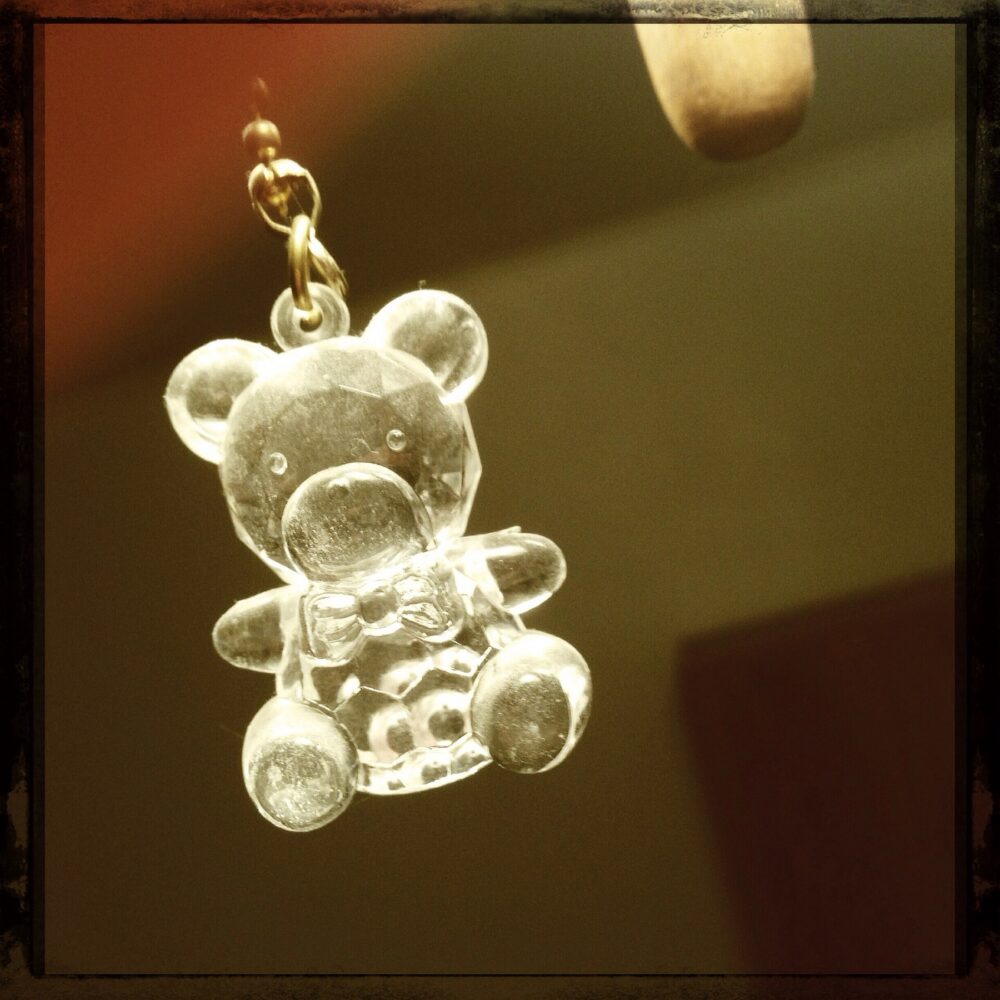
If you’re choosing plastic charms for jewelry or small craft lines, start with what you’re making, then narrow by charm format, plastic type, size/weight, and safety. Soft PVC shoe charms or pendants behave differently than rigid acrylic or shrink-plastic pieces, and the best option depends on where the charm sits on the body, how often it’s worn, and who’s wearing it. Once you’ve defined a clear spec (material, finish, thickness, target audience), bulk marketplaces like DHgate become one of several viable routes to discover matching components, alongside local craft suppliers and other global platforms.
What Counts as Plastic Charms and Accessories for Jewelry Making?
“Plastic charms and accessories” is a loose category, but several formats adapt well to jewelry:
- Pendants and flat charms – simple shapes or novelty pieces with a hole or loop, often sold as “plastic pendants” or linking elements for necklaces, bracelets, or earrings. You’ll see these on sites like emart.eu’s plastic pendants section.
- Phone, bag, and zipper charms – small decorative dangles meant for straps or zippers. Many can be removed from their original hardware and attached to chains or ear wires.
- Shoe charms (soft PVC) – the Crocs-style push-in pieces. These are popular for kids’ shoes, but some brands repurpose them as playful bracelet or necklace focal points.
- Nail charms and tiny embellishments – mini plastics originally designed for nail art can be embedded in resin or framed for micro-pendant designs.
For a US hobbyist or small ecommerce brand, the realistic jewelry uses are:
- Building theme collections (e.g., food, animals, gaming icons) using plastic pendants and PVC pieces.
- Adding lightweight statement accents to earrings and chunky charm bracelets without the weight of metal.
- Creating kid-safe, play-focused accessories where you want smooth edges and bold color more than fine metalwork.
The key is to think of these as components, not finished products: you’re evaluating how well each charm can be attached, how it feels against skin, and whether the material suits the way your customer will wear it.
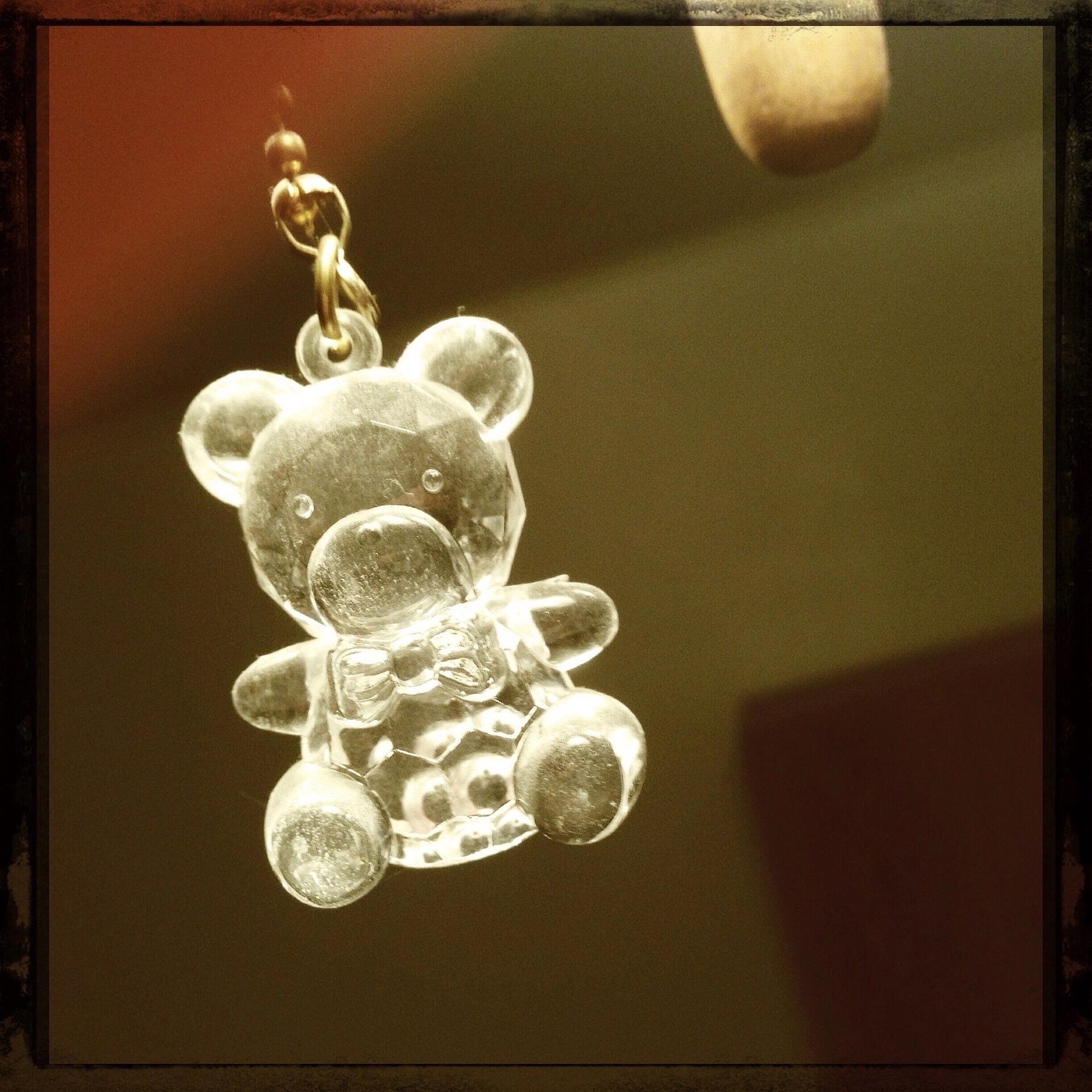
Types of Plastic Charms, Materials, and Specs That Actually Matter
You don’t need to memorize every polymer, but a handful of plastics show up repeatedly in charm listings and make a real difference.
Common plastics and what they’re good for
Here’s a practical comparison you can use when reading material descriptions on any marketplace:
| Plastic type | Typical feel & look | Better for | Watch out for |
|---|---|---|---|
| ABS | Hard, tough, often glossy; holds shape well | Everyday pendants, beads in bracelets and necklaces | Sharp edges if poorly finished; can feel rigid against skin |
| PVC (soft) | Flexible, rubbery, matte or semi-matte; often 2D or 3D cartoons | Shoe charms, playful keychains, kid-themed jewelry | Color fading, hardware failure if back posts or loops are weak |
| Acrylic | Rigid, lightweight, glassy or laser-cut look; takes bright color well | Statement earrings, bold flat pendants, geometric shapes | Can crack if too thin or stressed; heavier in large sizes |
| Shrink plastic | Starts as thin sheets; bakes into hard, smaller pieces with printed or hand-drawn art | Custom one-off charms, small branded runs, art-forward lines | Final size and rigidity depend on starting thickness and baking behavior |
Higher-quality charm listings often call out ABS, PVC, or acrylic specifically because these plastics usually offer good color retention and shape stability for small accessories. Alibaba’s product insights on bulk plastic charms highlight these three as common choices for durable, visually appealing charms used in fashion accessories and crafts (Alibaba product-insights).
Sizing, weight, and comfort for jewelry use
Most phone or bag charms are sized to be seen at arm’s length. On jewelry:
- Necklaces and bag chains can handle larger pieces (30-40 mm across), especially in hollow or lightweight ABS or soft PVC.
- Earrings usually need lighter materials and smaller footprints. Flat acrylic or shrink-plastic charms around 15-25 mm often feel comfortable, while thick ABS cubes or oversized PVC pieces can pull uncomfortably on lobes.
- Bracelets sit close to skin and move a lot. Small ABS or acrylic pendants on smooth jump rings generally work; heavy or spiky shapes quickly become annoying.
Quick sizing tip: If a charm was originally designed for a shoe or bag, assume it will be visually big on an ear and physically noticeable on a wrist. Either scale down or keep those pieces for necklaces and keychains.
Finish details: edges, print, and hardware
For jewelry, finish matters as much as the base plastic:
- Edges: Laser-cut acrylic and properly molded ABS should have smooth edges. Any burrs or rough seams will catch on clothing or irritate skin.
- Color and print: Soft PVC shoe charms often use layered color. Guides to custom shoe charms recommend checking colorfastness and surface quality because cheap pieces may fade or scuff quickly (soft PVC shoe charms overview).
- Attachment hardware: Look closely at loops, eyelets, or back posts. Shoe charms re-used for jewelry rely on those small components not breaking; weak backs are a common failure point.
Special case: shrink plastic charms
Shrink plastic starts as a sheet you decorate, cut, and bake. Crafters note that thickness and baking behavior directly affect the finished charm’s rigidity and suitability for jewelry. Thicker grades generally shrink into stiffer, more durable pieces that hold up better on keychains or bracelets, while very thin sheets can feel more brittle once shrunk (shrink plastic thickness guide).
If you design your own charms or commission shrink-plastic art:
- Decide whether the final piece will be a stiff focal charm (go thicker) or a light, delicate accent (thinner can work).
- Test one batch for final size and feel before committing to a larger run or cross-border order.
Buying Decisions: Quality Signals, Safety, and When DHgate-Sourced Charms Make Sense
Once you know the charm type and plastic you’re targeting, the next step is deciding where to buy and how to judge quality.
Quality and safety signals that matter for jewelry
For US buyers and small brands, pay close attention to:
- Surface and color: Look for photos that show the charm up close from multiple angles. Scuffed PVC or uneven acrylic coloring usually means weaker production quality.
- Hardware strength: For shoe charms, bag charms, and zipper pulls, inspect how the charm attaches. If you plan to re-use them in jewelry, those posts or loops become load-bearing points.
- Audience and regulations: If you’re making jewelry for children, you may need to consider small-part choking risks and any relevant safety rules. Listings rarely spell this out clearly, so treat ambiguous claims cautiously and favor reputable suppliers or domestic channels when in doubt.
Soft PVC shoe charm guides recommend testing pieces for long-term wear by watching how colors hold up and whether attachment components deform under regular use (soft PVC shoe charms overview). That same mindset applies to bag and phone charms adapted into jewelry.
Local craft channels vs cross-border platforms
For early-stage projects or hobby use:
- Buying from US craft chains, Etsy makers, or specialty bead shops gives you quick feedback on look and feel.
- You can mix materials (plastic charms plus metal findings) and learn what your customers actually prefer before locking in a spec.
For small ecommerce brands with a defined concept:
- Once you’ve dialed in a material (e.g., soft PVC character charms on bracelets) and a target size range, you may start comparing unit costs and design variety across bulk sources.
- Global B2B marketplaces, including Alibaba and similar platforms, tend to show deep catalogs of ABS, PVC, and acrylic charms with customization options (Alibaba product-insights).
Where DHgate fits once your spec is clear
DHgate’s own editorial blog describes the marketplace as offering a wide variety of fashion accessories and custom jewelry components, with options for bulk purchasing and competitive pricing via direct manufacturers (DHgate sourcing blog). From DHgateWiki’s cross-platform research, bulk plastic charm sourcing on DHgate tends to make the most sense when:
- You already validated a charm design and material through samples or smaller local runs.
- You’re aiming to reduce per-unit cost on repeatable designs rather than experiment with unknown plastics or formats.
- You’re comfortable evaluating individual sellers and listings instead of relying on a single branded supplier.
In practice, that means:
- Use local and small-batch sources to decide, for example, “I need soft PVC charms roughly 25 mm wide, with strong back posts and bright, non-fading colors.”
- Only then consider DHgate as one of several routes to find manufacturers or wholesalers offering that exact format, and compare them with other bulk platforms and domestic wholesalers.
If you do head toward DHgate, it helps to understand the marketplace itself before diving into charm listings. You can read an overview in What DHgate is and how the marketplace works and, if you move into bulk buying, use editorial tools like Sourcing Plastic Charms in Bulk: DHgate vs Other Routes to position DHgate against alternatives.
For additional DHgate platform context, use Find trusted sellers on DHgate, and Review the DHgate order-readiness checklist.
The practical takeaway: spec your charm first — type, plastic, size, finish, and audience — then choose a sourcing route that matches your risk tolerance. DHgate can be useful for scaling a proven plastic charm line, but it’s rarely the best place to figure out what you want to make.