
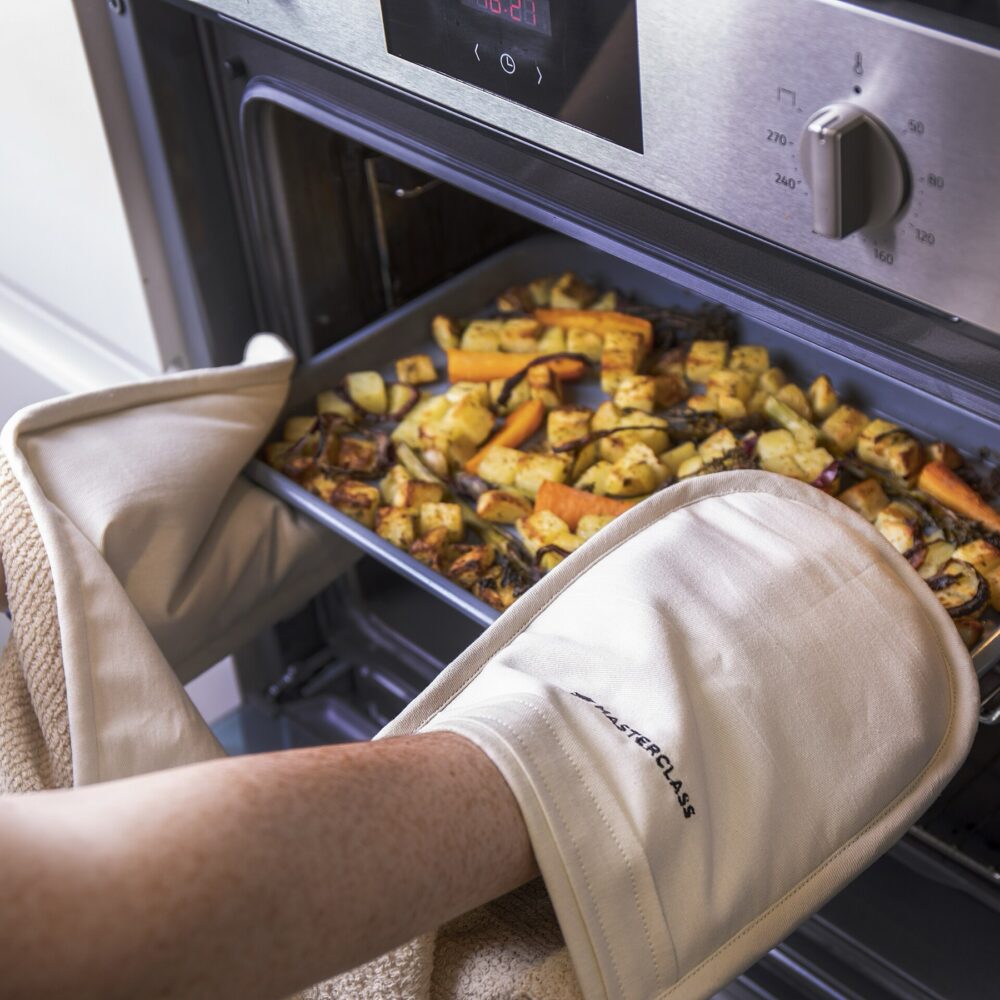
For Christmas baking, the safest choice is an oven glove that’s properly insulated, long enough to protect your wrists, and grippy enough that trays won’t slip — then you can worry about festive Santa prints or bold orange colour. Start by deciding whether you prefer textile or silicone, single or double gloves, and how often you’ll be pulling heavy roasting tins in and out of the oven. Once you know the spec you need, you can compare UK retailers and global marketplaces like DHgate on design variety, colour runs and batch pricing.
What Counts as a Good Christmas or Orange Oven Glove?
“Christmas” or orange oven gloves are just standard oven gloves with seasonal prints (trees, Santa, snowflakes) or bright orange colourways. The users are the same as any oven glove: home bakers doing mince pies and gingerbread, families tackling the Christmas roast, and small ecommerce brands bundling themed gloves with baking sets.
Independent UK guides stress that a glove that actually works has to balance four things: heat protection, coverage, grip and flexibility, rather than just thick fabric.Edge of the Meadow guide points out that too-stiff padding can make you fumble trays, while too-thin fabric leaves you feeling the heat quickly.
For festive baking, that balance matters more because you’re:
- Moving heavier dishes (turkey, large lasagne, multiple cookie sheets).
- Spending longer near the oven, so repeated heat exposure builds up.
- Often sharing gloves with guests who may not be as careful.
So before you look at patterns, decide:
- How hot and how heavy? Regular tray bakes vs big roasts.
- How many hours on Christmas Eve/Day you’ll realistically be baking.
- Who will use them: just you, or kids and guests too.
That gives you a performance baseline for the glove spec you need.
Types of Festive and Orange Oven Gloves: Materials, Shapes and Design Choices
Editorial buyers’ guides lay out a few standard oven glove formats: single gauntlets, double gloves, pot holders and silicone mitts, each with different trade-offs.Joybuy’s overview is a useful shorthand. For Christmas and orange themes, you’ll see all of these.
Here’s how they differ for typical Christmas scenarios:
| Format & material | Protection & dexterity (editorial view) | Good for Christmas use cases | Design notes: festive & orange options |
|---|---|---|---|
| Cotton single gauntlet | Decent insulation; one hand covered, more finger movement than bulky mitts. | Moving lighter trays, everyday baking. | Common base for prints; easy to find Christmas motifs and solid orange. |
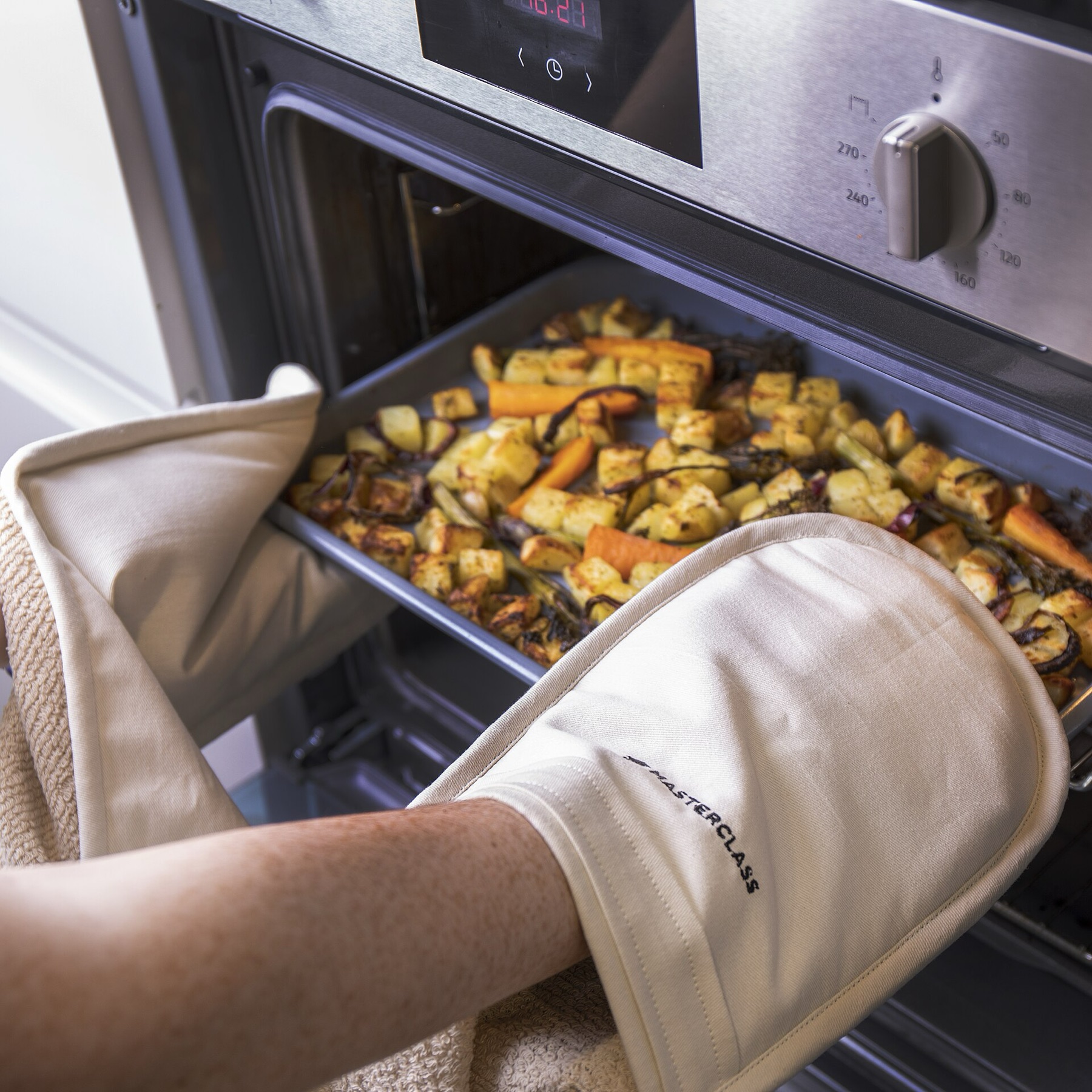
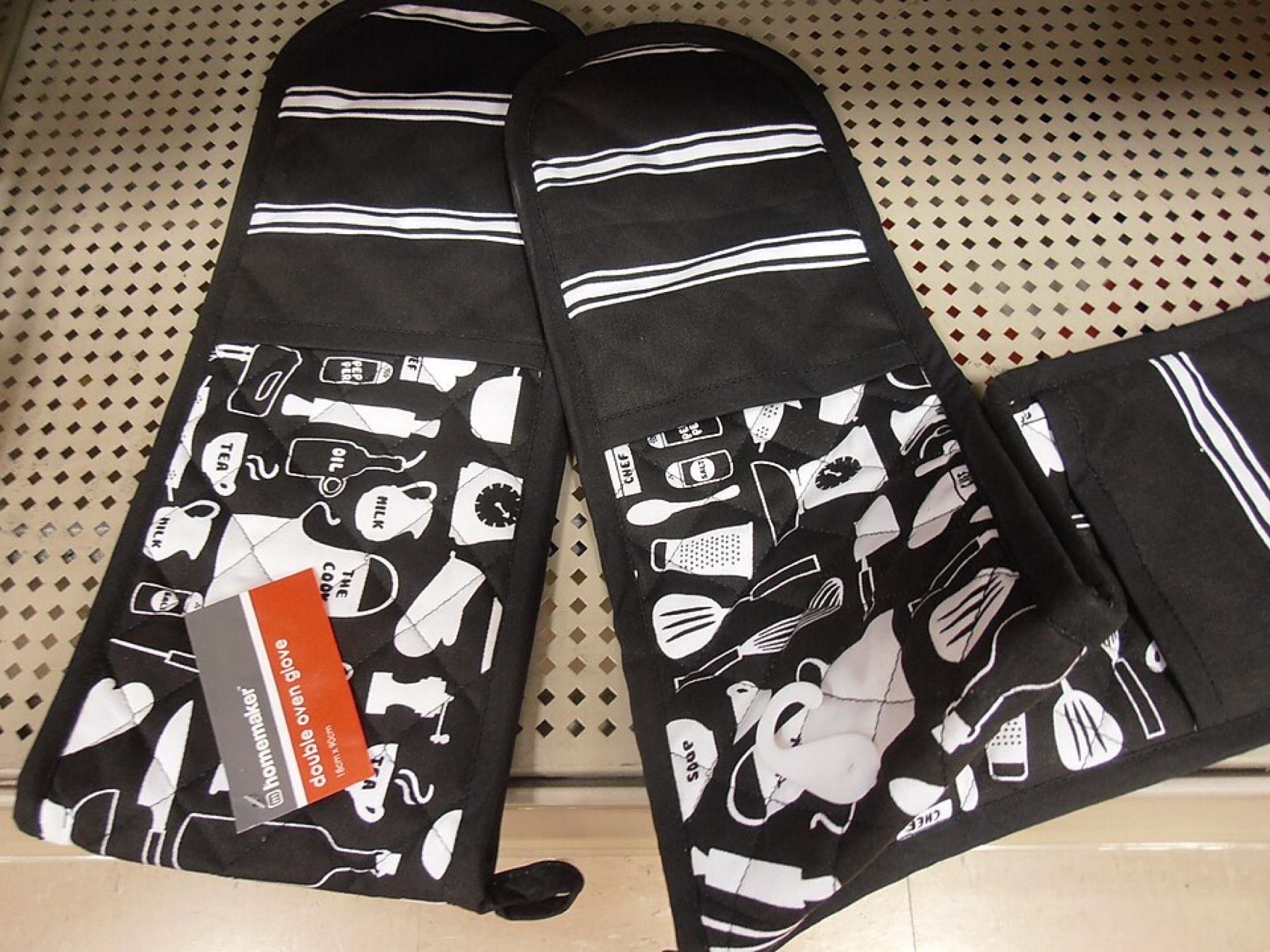
| Cotton double oven glove | Both hands connected; good coverage across hands and forearms. | Lifting heavy roasting tins, large casseroles. | Very popular for Christmas ranges; bright orange stars/leaves also exist in UK retail. |
| Quilted pot holders | Small square pads; flexible but limited coverage. | Quick pan-to-worktop moves, serving dishes. | Often sold as part of festive kitchen sets; less common as standalone orange gloves. |
| Silicone mitts (full hand) | High heat resistance and non-slip grip; stiffer feel.Walmart listing shows typical features. | Handling very hot trays and pans, especially greasy or heavy ones. | Solid colours dominate; bright orange silicone mitt sets are widely available. |
Comparison pages for orange oven gloves show that you can buy bright orange in both cotton and silicone variants — it’s a colour choice, not a material limit.WhichOne’s orange glove roundup is a good example: there are simple quilted cotton gauntlets and chunky silicone mitt sets in the same colour family.
For home bakers, the trade-offs look like this:
- Want maximum Christmas vibe? A cotton double glove with a Santa or tree print looks the part and works well for big roasts.
- Care more about safety and grip than patterns? Orange silicone mitts give secure hold on heavy trays, especially if your oven racks are crowded.
- Space-limited kitchen or small gift sets? Pot holders or a single gauntlet with subtle snowflake or star motifs pack smaller and match aprons/tea towels.
For small ecommerce brands, the format is part of your proposition. Selling bundled baking kits? A double glove feels more “giftable” and premium than a single mitt. Launching a modern, minimalist line? Solid orange silicone mitts can read more contemporary than traditional Christmas prints.
Buying Criteria and Where DHgate Fits Among UK and Global Options
Once you’ve picked a format, use performance criteria to narrow down your Christmas or orange glove options.
1. Stated heat limit or test standard Independent advice stresses checking the claimed maximum temperature or heat test when you’re buying gloves for heavy holiday cooking.Edge of the Meadow’s guide suggests not relying on thickness alone. In practice, that means reading product descriptions rather than assuming any pretty Christmas glove will cope with a 3-hour roast.
2. Insulation thickness and feel You’re looking for padding that blocks heat but still lets you curl your fingers confidently around tray edges. Bulky quilting is fine on a double glove if you mostly lift from below; if you do a lot of intricate cupcake or cookie work, a slightly slimmer gauntlet or flexible silicone mitt might feel more secure.
3. Grip surface Textile gloves rely on texture from quilting or printed patterns. Silicone mitts often have molded ridges or dots for non-slip grip, which is useful for oily roasting tins or slick ceramic dishes, as shown in typical silicone listings.Example mitts highlight this kind of textured palm.
4. Length and coverage For Christmas, where big roasting tins can brush your forearms, double gloves and long gauntlets are safer than short mitts. Check photos: does the glove reach past the wrist? Does the double glove drape well over both hands without pulling tight?
5. Design and colour strategy For personal use, you can be literal (Santa prints from supermarkets, candy-cane stripes from department stores) or subtle (orange stars or leaf motifs that work past December). Comparison sites like WhichOne show how an orange glove can feel autumnal or modern rather than strictly Christmassy.
For small ecommerce businesses, decide if you want:
- Single-season novelty (obvious Christmas motifs that peak in November–December).
- Extended-season colourways (orange or red patterns that still sell as general kitchen decor from January onwards).
Global marketplaces broaden the picture. DHgate’s Christmas editorial positions it as a low-price, high-variety option for seasonal themed products, from decor to gifts.DHgate’s blog suggests it’s particularly useful if you want to buy customized or bulk festive items. For oven gloves, that makes DHgate more relevant when:
- You need multiple colour-coordinated batches (e.g., orange or Christmas-print gloves to match aprons in a small brand line).
- You’re price-testing different patterns or formats before committing to a hero product.
For additional DHgate platform context, use Review the DHgate order-readiness checklist.
Because cross-border sourcing adds complexity, small businesses shortlisting DHgate should first understand how the marketplace works and how to vet individual sellers:What DHgate is and how the marketplace works and how to find trusted sellers on DHgate give that platform-level context. For a single pair of Christmas oven gloves needed by next weekend, a local UK retailer or comparison site will usually be the simpler, safer route; for themed runs or orange/snowflake colour stories at scale, DHgate can belong on your shortlist alongside other global marketplaces.