
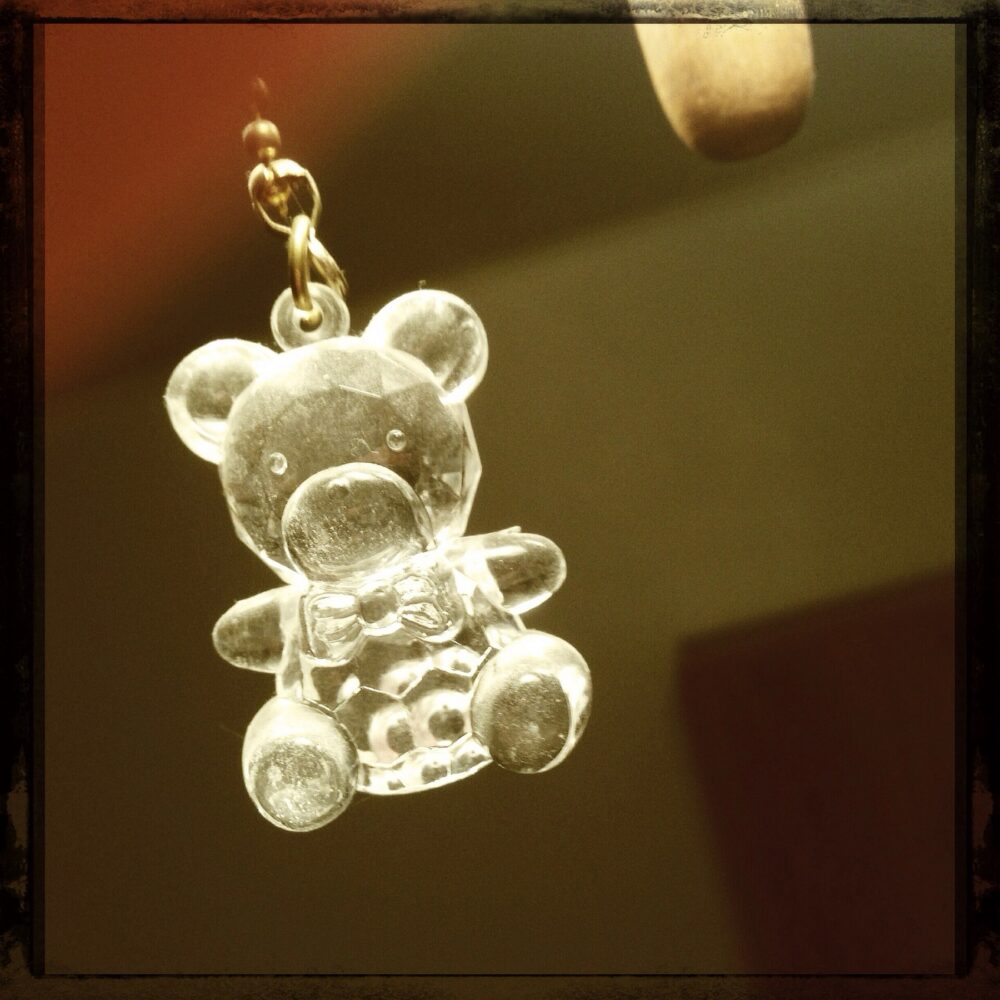
You find plastic charms and accessories on DHgate by treating it like a parts catalog: decide your charm specs first, then use targeted keywords, category filters, and seller vetting to narrow thousands of generic listings down to a small sample set you can test. DHgate is a global marketplace with many charm-like items (including zipper charms) spread across jewelry, fashion accessories, and DIY categories, so the work is in how you search and which sellers you trust before you place a real order.
Understanding Plastic Charms and Accessories for Jewelry Making
For DHgate searching to work, you need a tight definition of what you’re buying. “Plastic charms” on the site can mean flat cabochons for resin, dangling pendants for bracelets, snap-on shoe charms, zipper pulls, keychain ornaments, slime charms, or bag dangles. Each uses slightly different hardware and sizing.
Start by writing down:
- Use case: bracelet charms, phone straps, zipper pulls, slime mix-ins, kids’ party favors, etc.
- Attachment style: hole-only beads, loop/eyelet charms, lobster-clasp charms, snap-in (shoe) charms, screw-in studs, or backed cabochons for gluing.
- Material preferences: ABS, acrylic, PVC, silicone-like soft plastic. If you sell to kids or use charms in slime, you may want to ask sellers about safety standards even though DHgate doesn’t centrally verify them.
- Size range: e.g., 10-15 mm for delicate bracelets vs. 25-35 mm for bold keychains.
- Color and theme: pastels vs. neon, specific motifs (animals, letters, seasonal icons), solid vs. glitter vs. translucent.
- Order style: mixed sets for variety, or uniform batches for branded lines.
Having this list makes your DHgate searches far less random and gives you concrete questions for suppliers.
Search and Filter Workflow to Discover Plastic Charms on DHgate
DHgate’s own sourcing guides recommend defining your needs, using the search bar, and then narrowing with filters before you evaluate suppliers.https://www.dhgate.com/blog/how-to-start-an-ecommerce-business-on-dhgate-a-comprehensive-guide/ Here’s how that looks for charms.
1. Start with targeted keywords, not just “plastic charms”
In the DHgate search bar, combine charm type + use case + material when possible. Examples:
- “acrylic bag charms” or “acrylic keychain charms”
- “PVC shoe charms” or “shoe decoration charms”
- “silicone slime charms” or “plastic slime accessories”
- “plastic zipper pull charms” or “zipper charms” (DHgate’s blog highlights zipper charms as an example of the type of charms listed on the site).https://www.dhgate.com/blog/?p=23810
Mix and match keywords until the product photos match what you actually want to attach to your jewelry or crafts.
2. Use category navigation to avoid off-topic results
After a search, click into the category tree in the left sidebar or near the top. For plastic charms you’ll usually end up in:
- Jewelry & Watches → Pendants & Charms
- Fashion Accessories → Keychains & Charms
- Toys & Hobbies or DIY craft subcategories for slime-style charms
This trims away unrelated items (like full bracelets) and keeps you in listings meant to be components.
Here’s a simple way to think about keyword → category mapping:
| What you’re looking for | Example search phrase | Likely DHgate category |
|---|---|---|
| Bracelet/necklace components | “acrylic pendants charms” | Jewelry & Watches → Pendants & Charms |
| Bag/keychain dangles | “plastic bag charms” | Fashion Accessories → Keychains & Charms |
| Zipper pulls | “zipper charms” | Fashion Accessories or Sewing notions |
| Shoe charms (Crocs-style) | “PVC shoe charms” | Shoes accessories / DIY accessories |
| Slime/kids craft charms | “slime charms” | Toys & Hobbies / DIY craft accessories |
The exact category names can vary slightly, but the idea is the same: use categories to push your search toward components rather than finished goods.
3. Apply filters before you deep-dive any listing
DHgate’s ecommerce guides consistently encourage buyers to use filters as part of responsible sourcing.https://www.dhgate.com/blog/sourcing-components-and-raw-materials-via-dhgate-a-comprehensive-guide/ For charms, pay particular attention to:
- Material filters (where available): pick plastic, acrylic, PVC, etc., instead of mixed materials.
- Minimum order: if you’re just sampling, favor listings that clearly sell small packs rather than large wholesale lots.
- Seller rating: set a minimum star rating to hide newer or poorly reviewed sellers if you don’t want to experiment.
- Sort order: test both “Best Match” and “Orders”—high-order listings often have more buyer photos and reviews to inspect.
4. Read charm listings like a spec sheet, not a product ad
DHgate’s shopping guide stresses that listings carry key specs, photos, prices, and seller ratings that you should study closely.https://www.dhgate.com/blog/?p=204064 For charms, open a promising listing and check:
- Size details: exact mm measurements, thickness, and any scale photos next to a ruler or hand.
- Material description: look for clear language (e.g., “acrylic”, “PVC”, “silicone”), not just “plastic”.
- Attachment hardware: loops, clasps, backs, or holes visible in close-up shots.
- Pack composition: how many pieces per lot, whether you get mixed designs or a single style.
- Color and finish: glossy vs. matte, opaque vs. translucent, glitter or printed patterns.
- Customization notes: some suppliers mention OEM or custom design options; DHgate’s blog notes that many factories will do custom runs if you message them and discuss terms.https://www.dhgate.com/blog/how-to-start-an-ecommerce-business-on-dhgate-a-comprehensive-guide/
If any of these points are missing, treat the listing as higher risk and plan to ask the seller directly before ordering.
Evaluating Charm Sellers, Testing Quality, and Knowing When to Use Alternatives
Finding a cute charm listing is the easy part; deciding whether that supplier should handle your jewelry components or shop inventory is harder. DHgate’s own boutique-sourcing content pushes three ideas: studying ratings, reading customer reviews, and requesting samples before bulk orders.https://www.dhgate.com/blog/sourcing-for-your-boutique-finding-unique-authentic-pieces-on-dhgate/ You can adapt that logic directly to plastic charms.
Use reviews and photos as charm-specific quality signals
Across DHgate’s shopping guides, buyer reviews and photos are positioned as a way to judge product quality and seller reliability.https://www.dhgate.com/blog/?p=204064 For charm sourcing, focus on:
- Comments on color accuracy: do buyers say the colors match the listing photos or look dull/washed out?
- Notes on brittleness or odor: brittle plastic or strong chemical smells can be a red flag for certain use cases.
- Hardware performance: any reports of loops breaking, clasps failing, or shoe charms popping out easily.
- Packaging feedback: crushed or scratched charms suggest poor packing for long transit.
Treat these as signals, not guarantees. Even a highly rated charm listing can have variation between batches, so you still want a sample step for anything you’ll resell.
Order samples before committing to larger charm runs
Multiple DHgate blog articles on sourcing components recommend ordering samples first and only then placing bulk orders once you’re satisfied.https://www.dhgate.com/blog/sourcing-components-and-raw-materials-via-dhgate-a-comprehensive-guide/ For plastic charms, a simple first-order checklist is:
- Keep the quantity small but varied if you’re testing mixed designs (e.g., one pack of assorted charms rather than multiple lots).
- Message the seller to confirm material, size, and finish in writing—especially for kids’ products or slime charms.
- On arrival, inspect color, detail sharpness, and surface finish under good light.
- Test attachment strength: gently tug loops, bend shoe charm stems, open/close clasps several times.
- Check for chips and rough edges that could snag clothing or skin.
If the sample doesn’t meet your standards, it’s usually better to switch suppliers than to negotiate quality improvements for small charm runs.
For broader seller checks—including how to weigh ratings and transaction history—you can cross-reference the separate DHgateWiki guide on finding trusted sellers on DHgate.
Watch for risky patterns in charm listings
Some charm listings lean into “designer-inspired” or logo-heavy imagery. That introduces intellectual-property risk and can also correlate with inconsistent quality. For a small US-based jewelry or craft business, safer patterns are:
- Generic motifs (stars, hearts, animals, letters) instead of brand logos.
- Original-looking designs rather than obvious replicas of recognizable fashion houses.
If a listing’s photos or buyer discussions clearly center on replicas or “dupes,” it’s wise to avoid those items altogether and look for more neutral designs.
When DHgate is a good fit—and when other routes may be easier
However, for tight deadlines, strict safety or material requirements, or highly specific niche themes, domestic or specialist charm suppliers and craft marketplaces may be more efficient. You’ll often get clearer material documentation and faster fulfillment, though usually at higher unit costs.
For additional DHgate platform context, use What DHgate is and how the marketplace works.
Before you check out any DHgate charm order, it’s worth running through a general marketplace checklist—quantities, specs, and seller communication—such as the one in Review the DHgate order-readiness checklist. If those checks feel too uncertain for a particular project, that’s a sign a different sourcing channel might be a better match this time.