
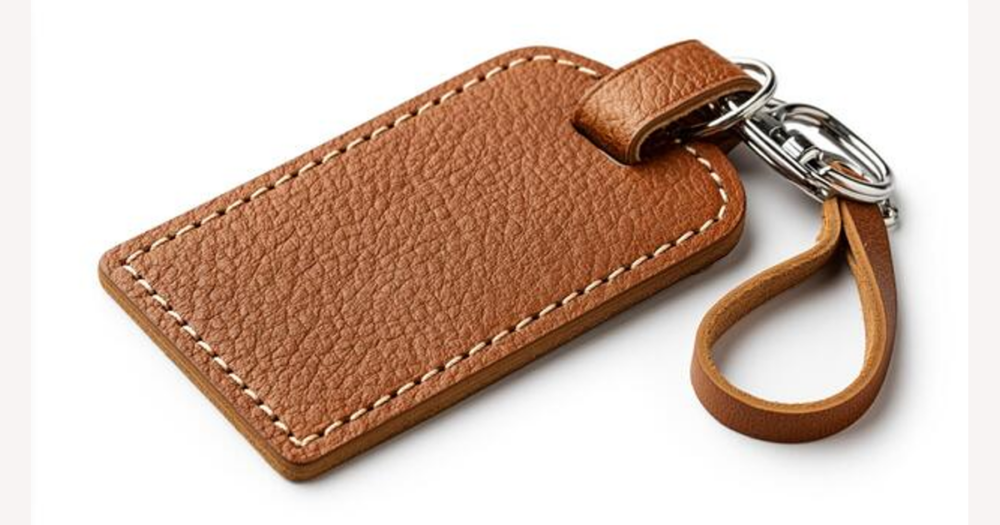
Choosing a keychain that won’t bend, break, or cause order headaches is less about Amazon vs. DHgate and more about how you judge the product and the seller. If you match the keychain’s materials and hardware to your daily carry, pick a style you actually like, and then use DHgate-style buyer checks—clear specs, honest photos, consistent reviews, solid seller ratings, and understandable shipping and refund rules—you can buy with much more confidence on almost any marketplace.
The core rule for choosing a durable, stylish keychain online
On DHgate or any other marketplace, the simplest way to choose a durable, stylish keychain is to start with how you’ll use it every day, pick materials and construction that can handle that routine, then filter for a look you genuinely like, and finally run a quick DHgate-style buyer check on the listing and seller before you pay. In practice, I would rather choose solid metal or well-finished leather with sturdy rings and clips from a seller who has consistent ratings, clear photos, and transparent shipping and refund terms, even if it costs a bit more, than a fragile novelty piece from an unknown seller. If you mainly care about a low price or playful design, you can reasonably accept more scuffs, faster wear, or slower customer support—but the core rule stays the same: match material and build to your daily carry, treat style as your personal filter, and use specs, photos, reviews, seller reputation, and purchase terms to decide whether the listing is trustworthy enough for you.
How keychain materials and finishes affect durability and style
- Solid metals (such as stainless steel) are usually the most durable for keychains: they resist bending and breaking when made with enough thickness, feel noticeably weighty in the hand, and can look quite premium. The trade-off is that they add more weight to your pocket or bag and tend to show scratches over time, which some people see as character and others as wear.
- Zinc alloys and other cast alloys are versatile and can be molded into intricate shapes, from logos to decorative charms. When the pieces are thick and well finished, they hold up reasonably well; thinner or poorly cast parts can feel softer and be more prone to bending or chipping. Style-wise, they can range from sleek to very decorative, but their durability depends heavily on build quality.
- Genuine leather keychains often feel premium and can age with a patina, showing soft creases and darkening rather than sharp scratches. Good stitching and a firm, finished surface help them resist stretching or tearing, while very soft or thin leather can deform faster. They’re usually lighter than solid metal and suit a more classic or minimalist style.
- PU (synthetic) leather tends to hold its shape well and can imitate the look of genuine leather at a lower price. It generally resists warping and is easier to clean, but the surface can crack or peel if the coating is thin or exposed to hard use. PU leather keychains work well for a polished look on a budget, provided you accept that long-term aging may be less graceful than real leather.
- Plastics, resins, and acrylics are light, often colorful, and great for casual or novelty designs. They add very little weight and can be shaped into playful figures, but thin pieces or complex shapes are more likely to crack or snap if stressed. Their glossy surfaces can scratch, and they usually feel less robust and less “premium” than metal or leather, which is fine if you mainly want something fun.
- Fabric and nylon lanyards or straps are lightweight and comfortable for hanging keys from a wrist, neck, or bag. Tightly woven, good-quality webbing resists fraying and stretching, while loose weave or rough edges can fuzz and wear quickly. They read as casual or sporty rather than luxury, and their durability depends on both the fabric itself and how well the ends and attachment points are finished.
- Across all materials, thickness and overall build quality matter as much as the label: a slim metal ring can still deform under heavy use, and a well-constructed nylon lanyard can outlast a poorly stitched leather strap. For example, a heavy stainless steel ring might feel reassuringly solid but pick up visible scratches, while a light plastic charm keeps weight down and looks playful yet is more likely to crack if it catches on something.
Construction details that reveal real-world durability
- Prefer thicker split rings that feel solid, with a smooth, round profile and no visible gap where the ends meet; thin wire rings are easier to bend and can let keys slip off.
- Zoom in on listing photos to see whether rings and short chains close fully: welded or tightly closed links and joints are usually more durable than open, gapped connections that can pull apart.
- Check carabiner and lobster-style clips for a sturdy body and a gate or spring that appears snug rather than loose or misaligned; hardware that looks flimsy or loosely finished is something I would personally skip, even if the design is trendy.
- Look at swivel joints and rotating connectors: short, solid barrels with minimal wobble tend to survive daily twisting better than long, skinny swivels that appear cheaply made.
- On leather or fabric straps, inspect stitching for tight, even lines with no gaps or loose threads, and reinforced ends where the strap meets the hardware; sparse or messy stitching is a common weak point.
- Watch for weak load points such as a single tiny jump ring holding a heavy charm cluster or the entire key bundle; these small rings can open or deform quickly, so it’s safer when weight is spread across a solid main ring or multiple attachment points.
Matching keychain form factor to everyday comfort and style
- Compact rings or small clips keep everyday carry minimal: they add little bulk in a pocket, stay quiet, and put the focus on clean hardware rather than decoration—ideal if you mainly want keys to disappear in your pocket or bag.
- Multi-tool keychains pack in extra functions like openers or drivers, which can be genuinely useful but add weight and hard edges; they can feel bulky or jab against your leg in a pocket, and their visible, utilitarian style suits someone who doesn’t mind a more rugged look.
- Wristlets and neck lanyards prioritize visibility and easy access, letting you grab keys quickly from your wrist, neck, or bag edge; they occupy more space on your body and can swing or bump into things, reading as casual or sporty rather than discreet.
- Charm-heavy or novelty designs show the most personality, with shapes, figures, or clusters that act almost like jewelry; they’re more likely to tangle or jingle, and durability depends heavily on whether those charms are anchored to a solid ring instead of a few thin jump rings.
- Bag or belt-clip styles keep pockets clear by hanging keys from the outside of a bag or your waistband, making them easy to reach but also more exposed to bumps and scuffs; they look intentional as an accessory, and work best when paired with the sturdy materials and hardware you’ve already learned to spot so the clip won’t fail under daily movement.
A simple DHgate-style checklist for judging keychain listings
- Confirm the material, finish, and key dimensions in the specs and make sure they match how you actually carry your keys (pocket, bag, wrist, belt, etc.).
- Scan the listing photos for close-ups of rings, clips, and stitching, looking for hardware that appears thick and solid, cleanly closed joints, and neat, even seams rather than thin wire or gaps.
- Read a spread of recent reviews and any Q&A for recurring comments about durability, hardware strength, surface finish, and comfort instead of focusing on a single very happy or very unhappy buyer.
- Check the seller’s reputation: overall rating, number of completed orders, and how they respond to questions or complaints, using DHgate-style habits of favoring consistently well-rated, active sellers over sparse or mixed histories.
- Review shipping methods, estimated delivery times, and basic dispute and refund terms before you order, and avoid listings where these policies are hard to find, vague, or contradictory.
Common keychain-buying pitfalls and red flags online
- Vague material descriptions such as “metal-like,” “premium material,” or “high quality” without naming the actual metal, leather type, or plastic.
- Specs that skip key details like ring diameter, total length, or approximate weight, making it hard to tell whether the keychain will be comfortable to carry.
- Listings with no clear close-up photos of rings, clips, joints, or stitching, or photos that seem heavily filtered so you cannot judge hardware thickness or construction.
- An obvious mismatch between polished product photos and reviews mentioning different colors, shapes, or logos, suggesting inconsistent batches or misleading images.
- Sparse, very low, or sharply mixed seller ratings compared with other options in the same category, especially when combined with few completed orders.
- Little or no information about shipping methods, delivery time ranges, or how refunds and disputes are handled if the keychain arrives damaged or not as described.
- When several of these red flags appear together, slow down: ask the seller clarifying questions or choose a different keychain rather than risking weak hardware or a difficult transaction.
Reading reviews and ratings without overreacting
When you read keychain reviews or Q&A on DHgate or any other marketplace, treat them as patterns, not verdicts. Scan many comments at once and note recurring themes about durability and comfort: several people mentioning rings bending, clips popping open, finishes flaking, or the keychain feeling heavier or lighter than expected matter more than one very happy or very angry review on its own.
Separate style opinions from functional complaints. Statements like “looks cheap,” “love the color,” or “too flashy” describe personal taste, while remarks such as “ring bent after a week,” “clip keeps opening in my bag,” or “leather scuffed quickly on the edges” point to concrete performance issues. Give more weight to functional problems that show up repeatedly, and compare them with the overall rating, the number of reviews, and how long the listing has been active.
Remember that reviews and ratings reflect different usage habits and expectations: someone who tosses their keys in a crowded backpack every day will stress hardware more than someone who keeps a small set in a gentle pocket. Treat ratings as a way to estimate risk, alongside the material and construction checks you’ve already made, but don’t assume they can guarantee exactly how your own keychain will age or feel in daily use.
Marketplace habits for secure payment, shipping, and disputes
- Use secure, platform-supported payment methods (such as DHgate’s own payment system or other built‑in options) instead of off‑platform transfers or direct bank details, so the marketplace can help if something goes wrong.
- Before you pay, confirm shipping methods, regions served, and estimated delivery windows. Make sure the keychain can actually be shipped to your location and that the timing fits your needs.
- Check how the platform and seller handle disputes and refunds for damaged, missing, or misdescribed keychains: look for clear instructions on reporting an issue, any time limits, and whether refunds or replacements are offered.
- Avoid listings or sellers where payment, shipping, or refund terms are hard to find, vague, or contradictory. Unclear conditions make it much harder to resolve problems, so it’s usually safer to choose a keychain from a seller with transparent policies instead.
Quick answers to common keychain questions
How heavy is a comfortable everyday keychain, and how many keys can a typical split ring hold before it feels bulky?
For most people, a keychain that stays roughly in the light-to-moderate range—think a small bunch of keys plus compact hardware rather than a heavy multi-tool—feels comfortable in a pocket or hanging from a bag. Once you have more than about 5–7 standard keys on a typical split ring, the bundle often starts to feel bulky, noisy, and harder to manage. Exact comfort depends on your pockets, bag, and personal tolerance: if you dislike weight, keep the ring smaller and use separate sets or key organizers instead of piling everything onto one ring.
What happens if my keychain gets wet, and which materials need extra care around water?
Most metals used in keychains (such as stainless steel and many alloys) tolerate occasional moisture well, especially if they’re coated or plated, though standing water or harsh conditions can still cause discoloration or rust on some finishes. Treated or coated leathers usually handle brief splashes but can stain, stiffen, or lose their finish if soaked or dried too quickly, while untreated leather is more vulnerable and benefits from gentle drying and occasional conditioning. Common plastics and synthetic fabrics generally shrug off light rain, but fabric can stay damp and show wear faster if it’s repeatedly soaked and abraded. In practice, it’s safest to dry any wet keychain promptly and follow the care guidance for that specific material and finish.